
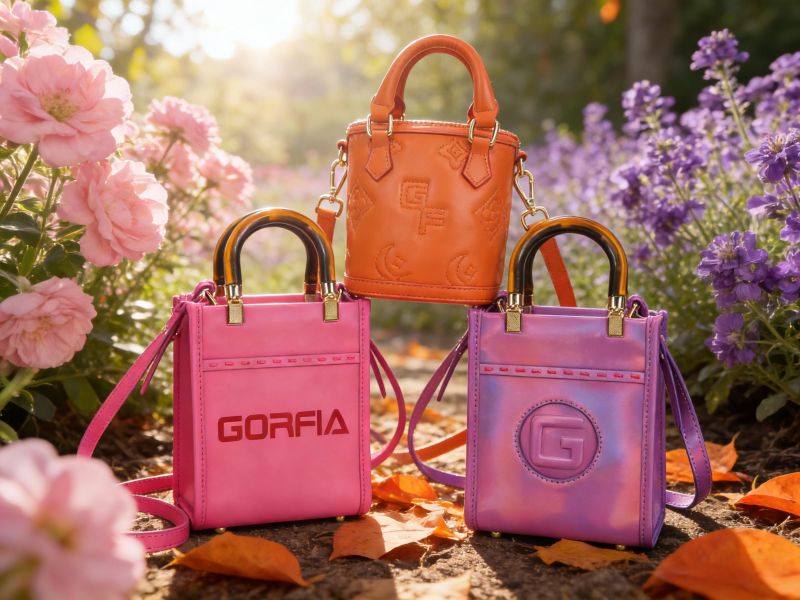
Mini bags are selling fast in today’s fashion market. Many shoppers prefer smaller bags for daily use. They are easy to carry and fit modern lifestyles. Social media and street style also push this trend.
For wholesalers, this buying pattern is a strong signal. Mini bags are no longer a short-term trend. They sell well across seasons and styles. This makes them a safe category for bulk orders.
Popular styles include mini totes, crossbody bags, and structured mini handbags. These designs match how customers shop today. They also work well for repeat collections.

This demand also changes how buyers source products. Customers now expect high-quality materials and a strong build, even in small bags. This means wholesalers must choose reliable manufacturers.
Mini bag trends help guide business planning. They show what sells and what to restock. They also support better inventory, sourcing, and supplier decisions. In the next sections, we explain how these trends support B2B manufacturing and wholesale planning.
Introduction to the Mini Bag Wholesale Market
Miniature bags come in a few core styles, each with strong retail appeal. Miniature handbags with a top handle work well for premium collections and wardrobe essentials, especially for dressier occasions. Cross body styles remain popular for daily use because they’re lightweight and easy to carry.
The small satchel and micro bag are popular mini bag options for wholesale sourcing. They are loved for their practicality, structure, and fashion appeal.
For B2B buyers, the focus should be on features that affect usability, durability, and resale value. It is less important to consider consumer styling preferences.

When evaluating mini bags, consider the following critical procurement points:
| Evaluation Area | What to Check | B2B Value |
| Size & Capacity | Can hold daily essentials for everyday use | Improves sell-through and reduces returns |
| Closure Mechanisms | Durability of zippers, flaps, or magnetic snaps | Protects product quality and customer satisfaction |
| Material & Finish | Texture, stitching, coating, and surface consistency | Supports premium positioning and lowers defect rates |
| Functionality & Design | Shape, compartments, flexibility, and ease of use | Enhances usability and multi-purpose appeal |
| Supplier Evaluation | Sample testing before bulk orders | Reduces sourcing risk and quality inconsistency |
Style choices also influence retail performance. Designs aligned with current miniature bag trends tend to move faster, while classic options remain long-term essentials. Sampling with your target market in mind helps improve sell-through and manage inventory more effectively.

5 Key Styles and Features of Mini Bags
For B2B buyers, the focus should be on features that affect usability, durability, and resale value. Understanding how different miniature bag styles perform at retail helps wholesalers make informed sourcing decisions and reduce inventory risk.
Miniature bags come in a few core styles, each offering strong retail appeal. Mini handbags with a top handle are well-suited for premium collections and wardrobe essentials, particularly for dressier occasions. Crossbody styles remain popular for daily use due to their lightweight design and ease of wear.
Small satchels and micro bags are also popular options in wholesale sourcing. These styles are valued for their structured shape, practicality, and strong fashion presence across multiple markets.
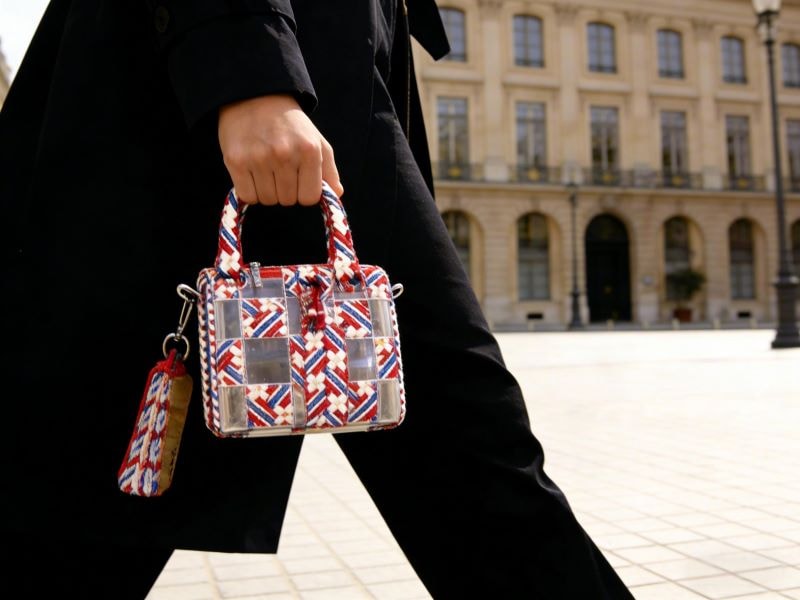
When evaluating mini bags for bulk purchasing, it is less important to focus solely on consumer styling preferences and more critical to assess product fundamentals that impact long-term performance. Key procurement considerations include:
- Size and capacity: Ensure the bag can carry essential everyday items to meet practical consumer needs.
- Closure mechanisms: Evaluate the durability and reliability of zippers, flaps, or magnetic snaps, as these directly affect product quality and customer satisfaction.
- Material and finish: Inspect texture, stitching, and surface treatments to confirm a premium feel, long-lasting performance, and minimal defects.
- Functionality and design: Confirm that the bag’s structure, compartments, and flexibility support ease of use and multi-purpose appeal.
- Supplier evaluation tip: Always request samples to test materials, closures, and finishing quality before placing bulk orders.
Style selection also influences retail performance. Designs aligned with current miniature bag trends typically sell faster, while classic silhouettes provide long-term consistency. Sampling products with your target market in mind can improve sell-through rates and support more effective inventory management.

Materials, Quality & Function of Mini Bags
When buying mini bags in bulk, the first thing to consider is the material. The material affects how long the bag lasts, how it looks, and how easy it is to sell.
Genuine leather is strong and long-lasting. It has a premium look and feel, making it a good choice for higher-priced mini bags. It works well for classic styles and everyday bags.
Suede has a soft and stylish look. It is best for fashion or seasonal bags that are used occasionally. Because suede requires more care, it is better suited to customers who value style over durability.
Vegan leather is a good option for brands that focus on sustainability or younger customers. It looks similar to real leather but is usually more affordable. This material is ideal for trendy designs and fast-moving collections.
Technical fabrics, such as nylon, are lightweight and easy to maintain. These materials are best for casual, travel, or daily-use mini bags where comfort and durability matter.
Choose the material based on how the mini bag will be used and who will buy it.
Quality is just as important as material. Always check the stitching, lining, zippers, and hardware. Strong quality control helps reduce returns and keeps buyers satisfied.
Function also plays a big role. Features like detachable straps, multiple pockets, and lightweight designs make mini bags more useful. Practical bags are more likely to sell well and encourage repeat customers.

Quick B2B sourcing tips:
- Pick materials that match how the bag will be used.
- Balance style, durability, and cost.
- Check quality carefully for every batch.
- Focus on useful features that customers want.
- Offer different styles, such as mini totes, crossbody bags, and satchels.
Mini Bag Market Snapshot
Mini bags continue to sell well in wholesale markets. They have a steady demand and often sell out quickly. In 2024, the global handbag market was worth over USD 56 billion, showing that handbags remain a strong and growing category. Mini bags alone are expected to reach nearly USD 15 billion by 2033, proving they are more than just a short-term trend.
For B2B buyers, this means mini bags are a smart product to stock. Focusing on popular, proven designs helps ensure steady sales, while adding a small number of trendy styles can increase profits without taking big risks. Working with reliable suppliers also helps buyers maintain quality, manage inventory better, and receive orders on time.
Sourcing & B2B Workflow
For wholesale buyers sourcing from a Netherlands-based B2B miniature bag supplier, a structured workflow ensures a reliable supply, minimizes inventory risks, and maximizes profit potential. Understanding the process helps buyers evaluate suppliers effectively, from material selection to delivery.
Identify Wholesale Pain Points: Bulk buyers often face challenges such as inconsistent quality, delayed shipments, or supply chain disruptions. Assessing suppliers based on track record, production capacity, and responsiveness helps prevent inventory or operational issues.

Development & Sampling: Start by selecting materials, hardware, and finishes that align with market trends and target pricing. Produce and refine samples of mini bags, mini clutches, and other universal mini bag types until they meet approval standards. Buyers should request sample testing and perform quality checks to ensure consistency and alignment with brand requirements.
Production, Quality Control & Logistics: Once samples are approved, bulk production begins. Conduct quality inspections at multiple stages to maintain high product standards. Review suppliers’ inventory management systems and evaluate their logistics partners to guarantee timely delivery, accurate order fulfillment, and secure handling of bulk shipments. Partnering with dependable warehouses and shipping providers strengthens the supply chain and reduces operational risks.
Procurement and Logistics Optimization for Mini Bags
Running your inventory and logistics smoothly is a must for wholesale buyers if you want to minimize risks and protect your profits in the mini bag market. In fact, inventory distortion, the combined cost of out-of-stocks and overstocks, costs retailers $1.77 trillion worldwide in 2023, underlining how expensive poor inventory control can be. Without a clear system, it’s easy to end up with too much stock, run out of best-sellers, or face delayed shipments, all of which hit your bottom line.
A good inventory management system can make a big difference. Track stock levels, turnover rates, and top-selling SKUs so you know which mini bag styles are moving fast. This helps you reorder on time and avoid overstock or missed sales.
Choosing the right logistics partners is just as important. Look for reliability, speed, and coverage. Check their fulfillment accuracy, on-time delivery, and quality control processes to make sure your products reach retailers safely and on schedule.

Taking care of these details builds trust with your clients. When retailers know they can count on you for consistent stock and smooth deliveries, they’re more likely to come back again and again. Strong inventory and logistics management ensure smooth operations, minimize stockouts, and reliably fulfill wholesale orders.
FAQ for B2B Buyers
Q1. What is the MOQ (minimum order quantity)?
MOQ varies by design, material, and customization. Standard styles like mini bags, mini handbags, and little bags usually have lower MOQs, while premium or custom items may require higher quantities. Always confirm with suppliers before ordering.
Q2. What is the lead time for custom logo orders?
Typical lead time is 20–45 days, including logo approval and production. Customized small satchels or mini handbags may take longer depending on order size and complexity.
Q3. Which materials are best for wholesale orders?
PU leather is cost-effective for mini bags and little bags, while genuine leather or canvas suits premium small satchel collections. Reviewing samples helps ensure quality and consistency.
Conclusion
The market for miniature bags continues to evolve, with trends leaning toward compact and stylish designs that appeal to modern women. Best-selling styles include mini bags and other small bags suited for daily use or special occasions. These items balance style and function, making them ideal for retail demand.

Popular designs focus on carrying everyday essentials such as phones, keys, and wallets, using durable materials, secure closures, and adjustable straps. A well-planned wardrobe of neutral and seasonal color options helps retailers stock the right mix for any day. Careful material choices and production checks support a complete product range and informed sourcing decisions.
Get Started with Gorfia Today
If you are at the stage of sourcing mini bags in bulk, you may consider partnering with Gorfia to streamline the process. Our full-service B2B solutions guide you through every step, from factory audits and quality inspections to supplier sourcing, order follow-ups, marketing visuals, and Chinese warehousing.
Wholesale buyers can request samples, get a quote, or place an order today to see the quality for themselves. Work with Gorfia for reliable mini bag sourcing and take the next step toward securing high-demand products for your store.