
Choosing the wrong material can double your production cost or cut your product lifespan in half. For bag brands and OEM buyers, leather vs. faux leather is not just a design choice—it directly affects durability, pricing, and customer satisfaction.
With over 20 years of OEM manufacturing experience, we’ve tested these materials in real production environments across thousands of handbags, backpacks, and travel bags.
In this guide, you’ll learn the key differences between genuine leather and faux leather, compare real-world durability data, and discover which material fits different product positions and budgets.
Let’s break it down.
What is Leather and Faux Leather?
Leather and faux leather are two of the most commonly used materials in modern bag manufacturing. For brands developing handbags, backpacks, travel bags, and small leather goods, understanding the differences between these materials is essential for balancing durability, cost, and positioning.
Genuine leather, also known as real leather, is made from natural animal hides. It offers superior durability, breathability, and a natural texture that improves with time. Because of these qualities, leather is widely used in premium handbags, business bags, and long-lasting travel products.
Faux leather, by contrast, is made from synthetic materials such as polyurethane (PU) or PVC. These alternatives are lighter and more affordable, making them suitable for fashion collections, promotional bags, and cost-sensitive markets.
While both materials serve different purposes, selecting the right option depends on product design, expected lifespan, and brand strategy.
Types of Faux Leather Used in Bags
In the bag industry, synthetic materials come in several forms:
PU leather (polyurethane) is the most widely used faux leather for handbags and backpacks. It provides a soft touch, realistic appearance, and good flexibility, making it ideal for daily-use bags.
PVC leather is heavier and less breathable, but highly affordable. It is often used for promotional or short-term products.
Bonded leather combines leather scraps with polyurethane. It reduces cost but sacrifices durability.
Vegan leather refers to non-animal alternatives and is increasingly chosen by eco-conscious and lifestyle brands.
For most mid-range bag projects, PU leather offers the best balance between cost, durability, and design flexibility.
Leather vs Faux Leather for Handbags and Travel Bags
When comparing leather vs faux leather for real production use, performance matters more than theory.
Genuine leather provides:
- long lifespan
- natural grain and premium feel
- high tear strength
- better aging over time
These advantages make it ideal for high-end handbags, briefcases, and travel luggage.
Faux leather provides:
- lower cost
- lighter weight
- easier maintenance
- wider color options
These features work well for backpacks, seasonal fashion bags, and large-volume OEM orders.
For many brands, the decision is not about which material is “better,” but which material fits the target market.
Factory Insight: Real-World Performance Test for Bag Materials
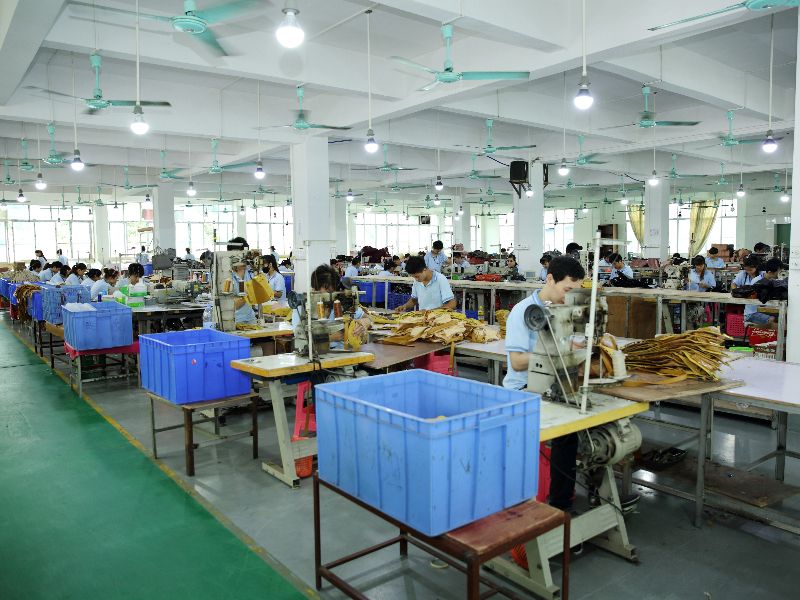
As an OEM bag manufacturer with over 20 years of experience, we evaluate materials based on how they perform in actual bags — not just lab samples.
Handbags and backpacks experience constant bending, folding, and pressure from weight. Therefore, we conduct repeated flex and durability tests during development.
| Test Standard (Bag Production) | Genuine Leather | PU Leather | PVC Leather |
|---|---|---|---|
| Flex Resistance | 50,000+ cycles | 20,000–30,000 | 8,000–10,000 |
| Lifespan (daily bags) | 5–10 years | 2–4 years | 1–2 years |
| Weight | Medium | Light | Heavy |
| Breathability | Excellent | Good | Poor |
| Repairability | Easy | Limited | Difficult |
| MOQ Cost for OEM buyers | High | Medium | Low |
Based on real production experience, PU leather is currently the most practical solution for brands seeking durability, consistent quality, and controlled costs at scale.
Environmental Considerations
Sustainability is increasingly essential for bag brands and suppliers.
Genuine leather is biodegradable and long-lasting, which reduces replacement frequency. High-quality leather bags often last for many years.
Faux leather and other synthetic materials may require less energy during production, but can contribute to landfill waste if products wear out quickly.
Today, many manufacturers also explore eco-leather, recycled PU, and low-impact finishing methods to reduce environmental impact across both material types.
Choosing durable materials that extend product life is often the most sustainable strategy.
Durability and Maintenance
For daily-use bags, durability directly affects customer satisfaction.
Leather handbags and travel bags are highly durable and can last for years with basic care. Minor scratches can often be repaired, extending product life even further.
Faux leather bags are easier to clean and lighter to carry, but may crack or peel over time, especially under heavy use.
PU leather offers a middle ground and is commonly used for backpacks, work bags, and student bags that require both flexibility and affordability.
To make the decision easier for product managers and OEM buyers, here’s a quick reference guide based on real production experience:
| Need | Best Choice |
| Premium luxury | Genuine leather |
| Daily mid-range | PU leather |
| Low budget promo | PVC |
| Eco positioning | recycled / vegan |
How Brands Choose Materials in Real Production
Material selection in bag manufacturing usually follows a clear and practical logic based on product positioning, target customers, and expected lifespan.
Premium or luxury collections typically rely on genuine leather to deliver superior texture, durability, and a high-end look that supports more substantial brand value.
Mid-range collections often choose PU leather, which provides a balanced combination of affordability, lightweight performance, and reliable quality for everyday handbags and backpacks.
For short-term campaigns, promotional items, or price-sensitive projects, PVC or bonded leather helps reduce costs while still meeting functional requirements. Meanwhile, eco-focused projects increasingly adopt recycled or sustainable materials to align with environmental goals and responsible sourcing strategies.
As a professional bag manufacturer and supplier, we work closely with brands during development to evaluate design, structure, usage scenarios, and production budgets.
This process ensures each material choice supports both performance expectations and commercial targets, especially for large-scale OEM and private-label production.
In real manufacturing, most global brands ultimately select PU leather for large-volume handbag and backpack programs because it offers the most consistent balance between durability, manufacturing efficiency, and overall cost control.
FAQ
1. Which is better for handbags, genuine leather or faux leather?
Genuine leather is ideal for premium handbags that require long-term durability and a luxury feel. In contrast, faux leather is better suited for lightweight, budget-friendly, or fashion-focused bag collections.
2. Is PU leather good enough for daily-use bags?
Yes. PU leather offers a strong balance of durability, flexibility, and cost, which is why many backpacks, totes, and everyday handbags are made from PU in large-scale production.
3. Do leather bags really last longer than faux leather bags?
In most cases, genuine leather bags last significantly longer because they resist cracking and peeling, and can often be repaired rather than replaced after years of use.
4. Why do many brands choose PU leather instead of genuine leather?
Many brands select PU leather because it reduces material costs, keeps bags lightweight, and provides consistent color and texture across bulk OEM orders.
5. Is faux leather more environmentally friendly than leather?
Not always. While faux leather uses no animal products, its shorter lifespan may lead to more waste, whereas durable leather bags can last for many years.

Conclusion
Leather and faux leather each offer distinct advantages in bag manufacturing.
Genuine leather delivers premium quality, natural texture, and long-term durability for high-end handbags and leather goods. Faux leather options provide affordable, lightweight, and flexible solutions for modern bag collections.
By understanding material performance and real production needs, brands can develop bags that meet both market expectations and budget goals.
Selecting the right material is not just about appearance — it is about creating reliable, long-lasting products that customers trust.
Need Help Choosing the Right Materials for Your Bags?
Choosing the right leather or faux leather is only the first step. As an experienced OEM bag manufacturer, we help brands turn the right materials into high-quality handbags, backpacks, and travel bags through reliable production and customization. If you’re planning a new collection or sourcing a trusted supplier, request material swatches or discuss your next OEM project with our team today.