
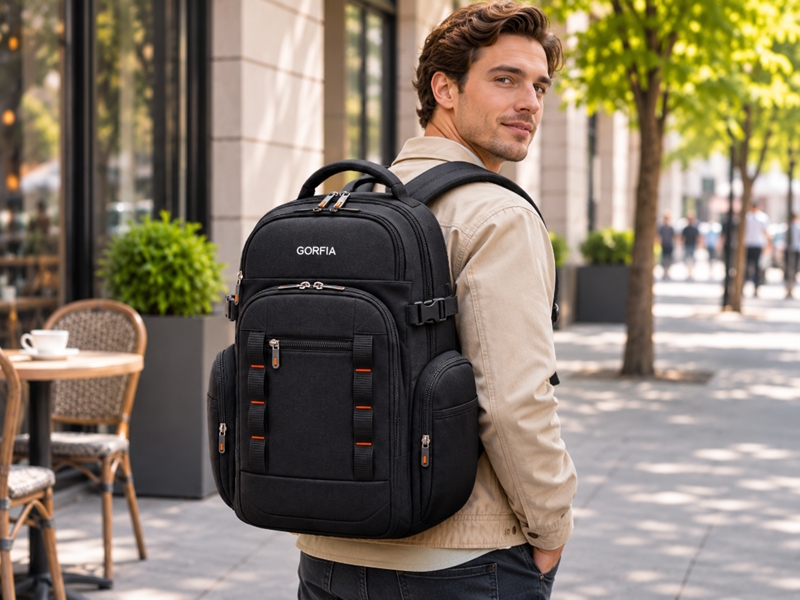
An expandable backpack offers the flexibility of a compact everyday bag with extra storage when needed. By opening an expansion zipper, users can increase capacity without carrying a larger backpack all the time.
However, added space must be carefully designed to remain practical. In our OEM sampling and capacity testing, we found that expansion depth, weight distribution, and structural support can affect comfort and durability when the backpack is fully loaded.
This guide explains how expandable backpacks work, compares opening designs, and explores comfort, durability, carry-on sizing, and key considerations for brands developing custom backpacks.
What Is an Expandable Backpack?
An expandable backpack uses an additional fabric section, gusset, or zipper system to increase its storage capacity. In the compact configuration, the expansion panel stays folded or compressed, keeping the bag closer to its original depth. Opening the expansion zipper releases that material and creates additional space in the main compartment.
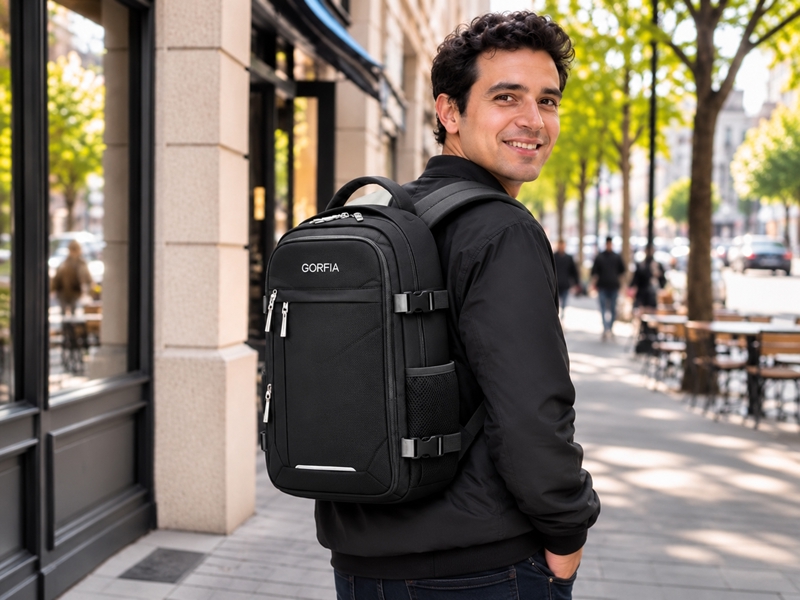
This gives you flexibility without carrying a larger backpack every day. A compact configuration works for everyday carry, while the expanded version provides the extra room needed for travel gear or clothing. For one-bag travelers, that flexibility can make packing light easier on shorter trips without sacrificing room when plans change.
Advertised capacity does not always equal usable capacity. Although an expansion zipper increases a backpack’s overall volume, internal compartments, padding, and the expanded shape can limit usable space, making it harder to pack bulky items efficiently.
ASTM F2153 provides a standardized method for measuring both unextended and extended backpack capacity, helping manufacturers and consumers compare pack volumes more consistently.
Expandable Backpack Configurations Compared
| Configuration | Best for | Useful features | Main consideration |
| Compact | Everyday carry and short trips | Laptop sleeve, top pocket, quick access | Less room for bulky travel gear |
| Expanded | Longer trips and extra clothing | Large main compartment, packing cubes, extra capacity | Weight can move farther from your back |
| Carry-on travel | Air travel and one bag travel | Laptop compartment, adjustable straps, organized storage | Check packed dimensions before flying |
| Personal item | Under-seat travel | Compact size, easy access, anti theft pocket | Expansion may exceed airline limits |
How Do Expandable Backpack Expansion Systems Work?
Most expandable backpacks use a zipper around the main compartment to increase storage space. When closed, the extra fabric stays folded inside the bag. Opening the zipper releases the expansion panel, increasing the backpack’s depth and capacity.
A well-designed expansion panel needs flexibility and reinforced seams to prevent sagging and keep access easy. Compression straps help control the added space and keep the load closer to the back, improving stability when the backpack is expanded.
Does Expansion Affect Backpack Comfort?
Yes. A large-capacity backpack can feel less comfortable when fully loaded, as extra weight shifts farther from your back. Keeping heavier items near the back panel and using reinforced shoulder straps improves weight distribution. A hip belt can add support for heavier travel or hiking backpacks, but it may not be necessary for everyday use.
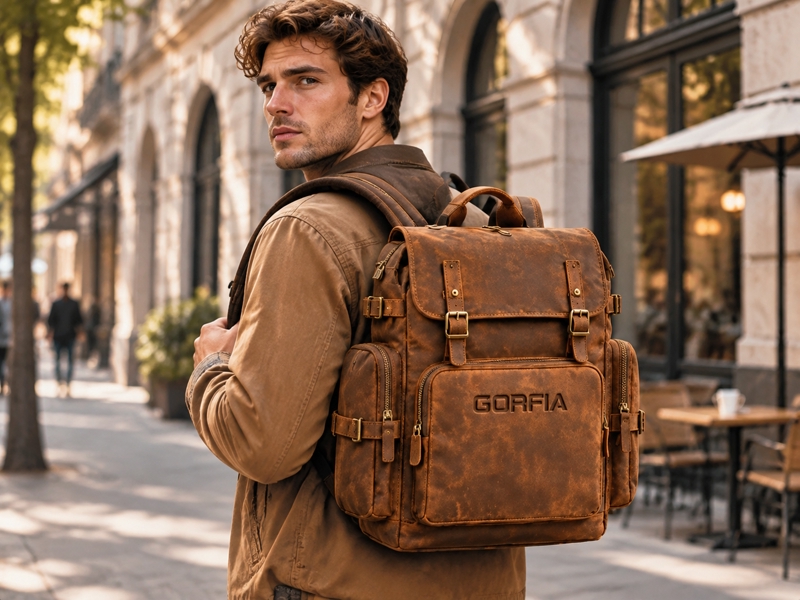
Case Study: Balancing Expansion Capacity and Carrying Comfort
During the development of an expandable travel backpack, increasing the gusset depth created more storage space but also moved the load farther from the wearer’s back. This made the expanded configuration less comfortable to carry.
We adjusted the expansion depth and focused on weight distribution, keeping heavier items closer to the back panel. The result was a better balance between added capacity and carrying comfort.
For brands, the key lesson is simple: maximizing capacity is not always the best design choice. A balanced backpack can add useful extra space without making the expanded configuration hard to carry.
Top Opening vs. Clamshell Designs in Expandable Backpacks
The opening design affects how easily you can pack and reach the available space. A top-loading backpack gives you access through the top, while a clamshell lets the backpack open wider, like a suitcase. This gives you a clearer view of the main compartment and can make it easier to arrange clothing, packing cubes, and other travel gear.
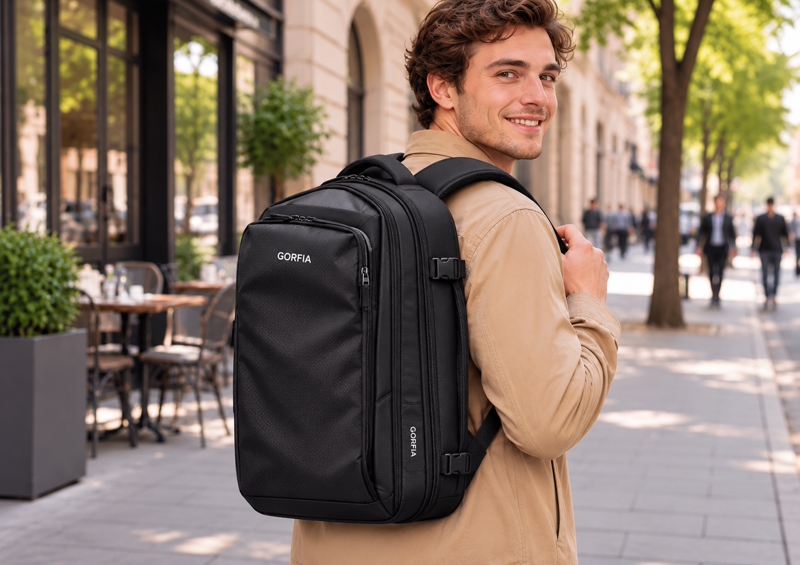
A top loader can be convenient for everyday carry because you can quickly reach frequently used items without opening the whole backpack. A clamshell design can be more useful for travel because it gives you a wider view of clothing, packing cubes, and other travel gear.
Neither design is automatically better. The right choice depends on how you pack and how often you need quick access to the main compartment. A packing list focused on clothing may favor a wide opening, while frequent access to smaller essentials may favor a top-loading layout.
What Makes a Top Opening Backpack Practical?
A practical top-opening backpack should provide easy access to its main compartment. Opening width matters more than zipper length alone. If the opening is too narrow, packing bulky clothing or retrieving items from the bottom becomes difficult, especially when the backpack is fully loaded.
Zipper placement and opening structure also affect usability. A wider opening allows users to see and organize their belongings more easily, while a smooth zipper path makes repeated opening and closing more convenient. Internal dividers and quick-access pockets help keep smaller essentials accessible without searching through the entire bag.
During OEM development, we evaluate opening width, zipper reinforcement, and pocket placement together. For expandable backpacks, we also check whether the main compartment remains easy to access when fully expanded. The goal is to ensure that additional capacity translates into practical, accessible storage.
What Makes an Expandable Backpack Durable?
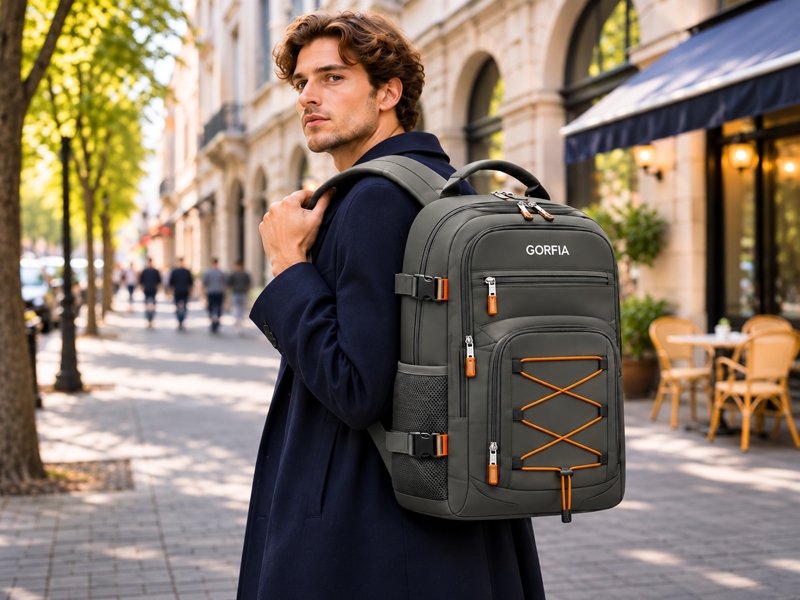
The expansion zipper deserves close attention because it opens and closes repeatedly. The surrounding fabric and seams also experience additional tension when the backpack is expanded and packed.
A durable bag needs more than strong outer fabric. Zipper ends, expansion-panel seams, shoulder-strap attachments, and the lower section can all experience concentrated stress. If these areas aren’t properly supported, repeated use can cause distortion or seam movement.
Durability should therefore be considered in both configurations. A backpack may look excellent when compact but behave differently once the expansion panel is open and the bag is fully packed.
Case Study: Improving Durability in an Expanded Backpack
In one expandable backpack development, the sample appeared structurally stable when empty. Once the compartment was expanded and fully loaded, however, the zipper, seams, and shoulder-strap attachments experienced additional stress.
We evaluated the backpack with representative loads and reinforced the areas experiencing the greatest stress. Testing the expanded configuration helped identify issues that were not visible during an empty inspection.
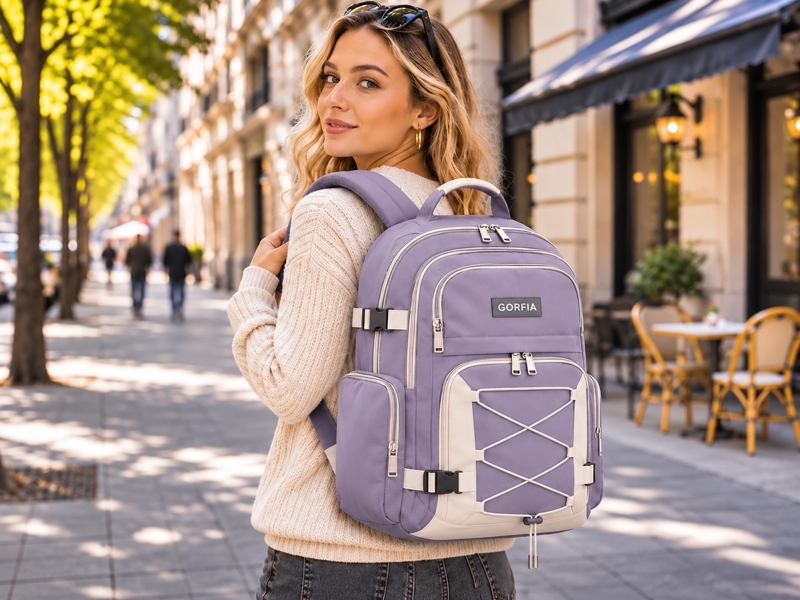
For brands, testing fully loaded samples during development can reveal potential durability problems before mass production and reduce later quality risks.
How Does Structural Support Affect Large-Capacity Backpacks?
A larger backpack needs support where the load transfers into the body. As capacity increases, shoulder straps, the back panel, and the lower structure become more important.
In our development work, we check these areas with representative weight. We also look at whether the adjustable straps keep the load close enough to the body and whether the back panel provides appropriate support.
A large backpack is not automatically a better backpack. If the extra room pulls the bag away from your back or makes the shoulder straps uncomfortable, some of that capacity becomes hard to use. A scaled-down version may be a better fit for buyers who prioritize lighter loads and shorter trips rather than maximum volume.
How Does Expansion Affect Carry-On Travel?
Expanding a carry-on travel backpack increases its storage space but also adds depth, which can affect where you can store it during a flight. A backpack that fits in an overhead compartment when compact may become too bulky once expanded and fully packed.
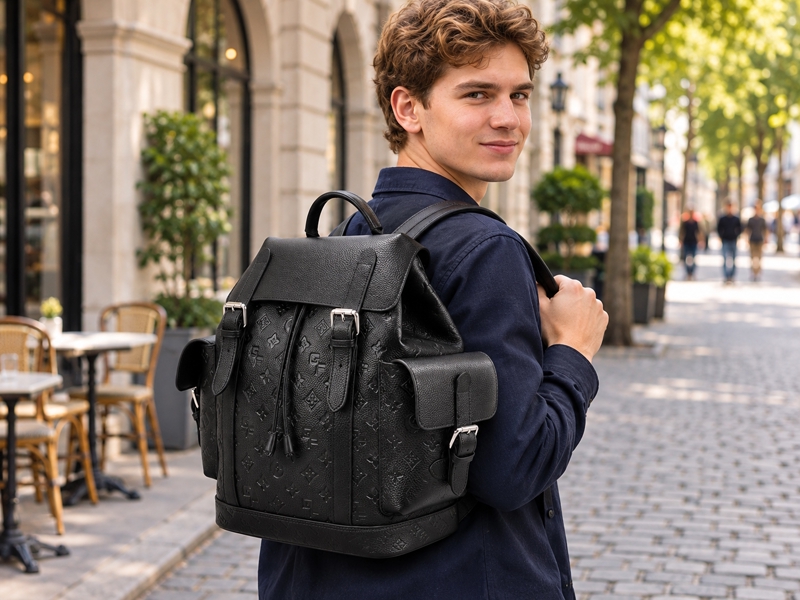
The difference matters even more for a personal item travel bag, where under-seat space is limited. Expansion can make the bag harder to fit beneath the seat, even if its original dimensions meet the airline’s requirements. A carry-on backpack designed for an overhead bin should not automatically be marketed as an under-seat personal item.
Before flying, measure your backpack in its packed configuration and check your airline’s size limits. IATA confirms that carry-on allowances vary by airline, cabin class, and aircraft type.
Case Study: Managing Carry-On Dimensions During Development
One travel backpack met the target carry-on dimensions in its compact configuration, but its depth increased beyond the intended size after expansion and packing. This created a problem for the planned travel use.
We reviewed the packed dimensions in both configurations and adjusted the expansion depth against the target size requirements. Checking both versions early in development helped keep the design aligned with its intended carry-on use.
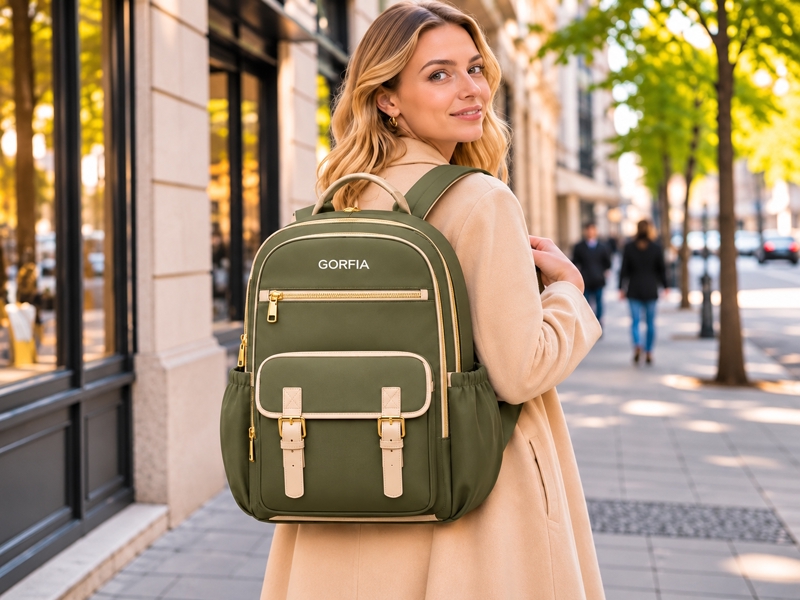
For brands, defining carry-on requirements early in development can help avoid costly design changes later and keep the finished backpack aligned with its target market.
OEM Expandable Rucksack: Customization and Quality Checklist
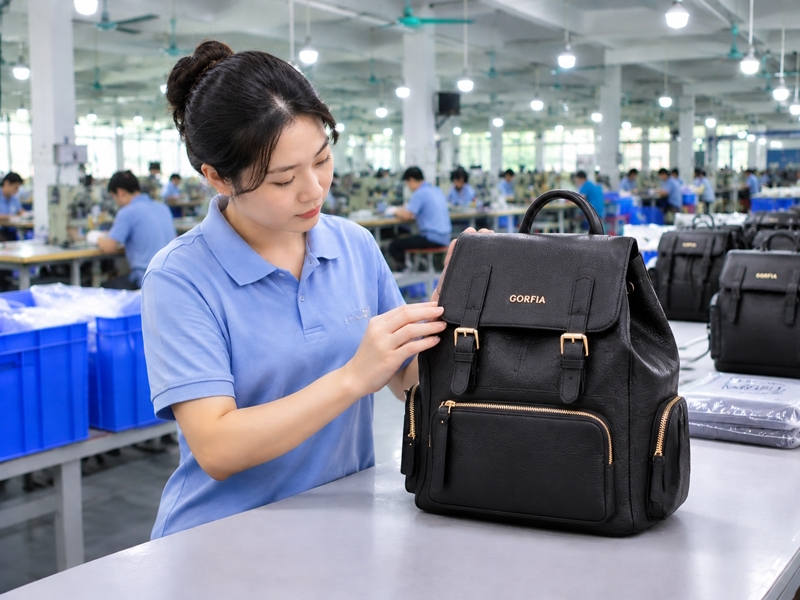
When sourcing an OEM expandable rucksack, brands should define their target capacity, intended use, and customization needs. The expansion mechanism affects storage space, dimensions, comfort, and appearance. Before approving a prototype, compare compact and expanded configurations to ensure practical capacity, shape retention, and carrying comfort.
Ask your expandable rucksack manufacturer to check zipper operation, seam reinforcement, shoulder straps, and back-panel support under realistic loads. Match material selection to your target market, using lightweight nylon or polyester for everyday and travel use and water-resistant fabrics for added protection.
For a travel pack, customize logos, colors, compartments, and hardware, and choose features like a shoe pouch based on customer needs rather than including unnecessary features.
Before confirming a bulk order, verify that the approved sample meets your requirements for capacity, dimensions, materials, functionality, and artistry. Clear quality standards help reduce production risks and ensure consistent results, allowing brands to evaluate new bags based on practical performance rather than marketing claims.
Frequently Asked Questions
Are expandable backpacks durable?
They can be, as long as the expansion zipper, seams, fabric, strap attachments, and back structure are designed for repeated use. Check how the backpack performs when both compact and fully expanded rather than judging durability by appearance alone.
Do expandable backpacks lose their shape?
They can if the expanded section has insufficient support or the bag is regularly overloaded. Compression straps, proper reinforcement, and sensible weight distribution can help maintain shape when the backpack carries a larger load.
Are top opening backpacks practical for travel?
Yes, especially if you value quick access to everyday items. A top-loading backpack can be convenient for frequent access, but you should check the usable opening width if you plan to pack bulky clothing or travel gear.
Can expandable backpacks be used as carry-on luggage?
Yes, if the packed dimensions meet your airline’s current requirements. Because expansion changes the depth, measure the backpack in the configuration you plan to take onboard and check the airline’s rules before your trip.
Final Thoughts
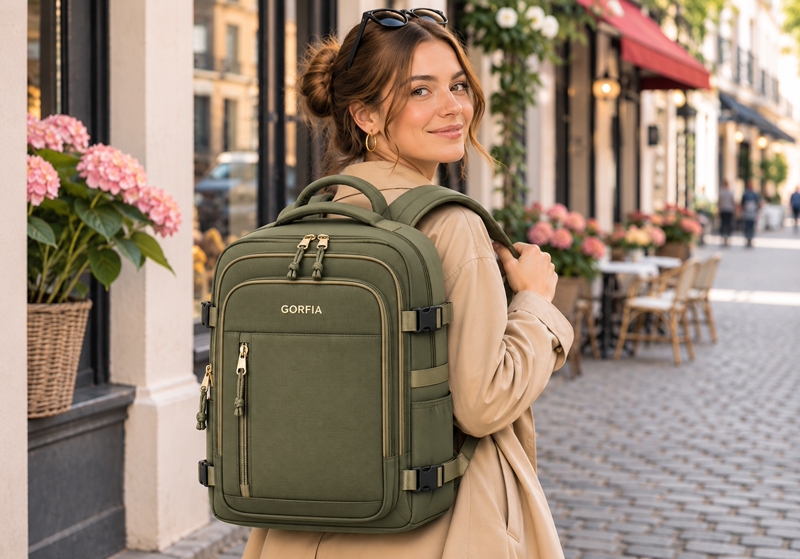
An expandable backpack offers the flexibility of a compact everyday bag with the extra space of a larger travel pack. However, usable capacity depends on more than the expansion zipper. Opening design, weight distribution, shoulder straps, reinforcement, and back support all influence comfort, durability, and overall performance.
Beyond structural design, material selection also shapes a bag’s appearance and functionality. If you’re interested in exploring unique materials for your next collection, read Gorfia’s guide to pony hair bags to learn about hair-on leather and its design considerations.
Develop an OEM Expandable Rucksack With Gorfia
Gorfia supports brands with material selection, custom backpack development, sampling, construction review, and production preparation. If you are developing an OEM expandable rucksack, visit Gorfia or contact the Gorfia team to discuss your design and production requirements.