
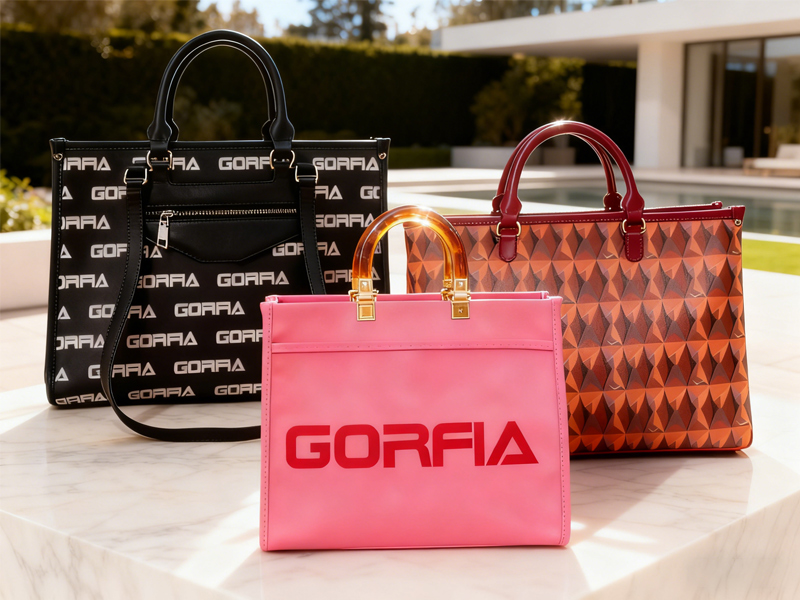
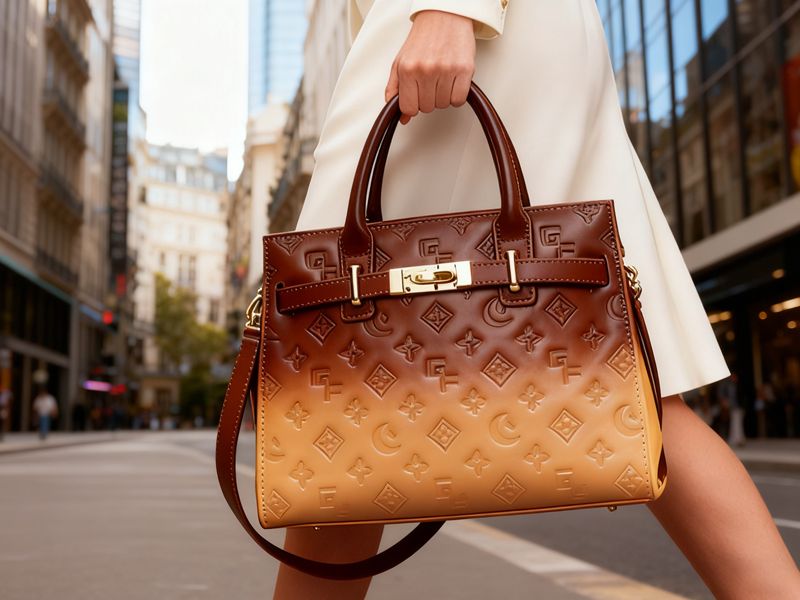
Are you looking to choose the right tote bag for your business needs? This guide explains how tote bag dimensions impact costs, supply chain efficiency, and retail performance.
We’ll explore industry-standard measurements, explain their importance for e-commerce compliance and logistics, and provide a clear framework to help you select the most suitable dimensions for your product line.
By understanding these key factors, you can make data-driven decisions that ensure your tote bags are both practical and impactful.
Discover the Strategic Use of Tote Bags for Your Brand
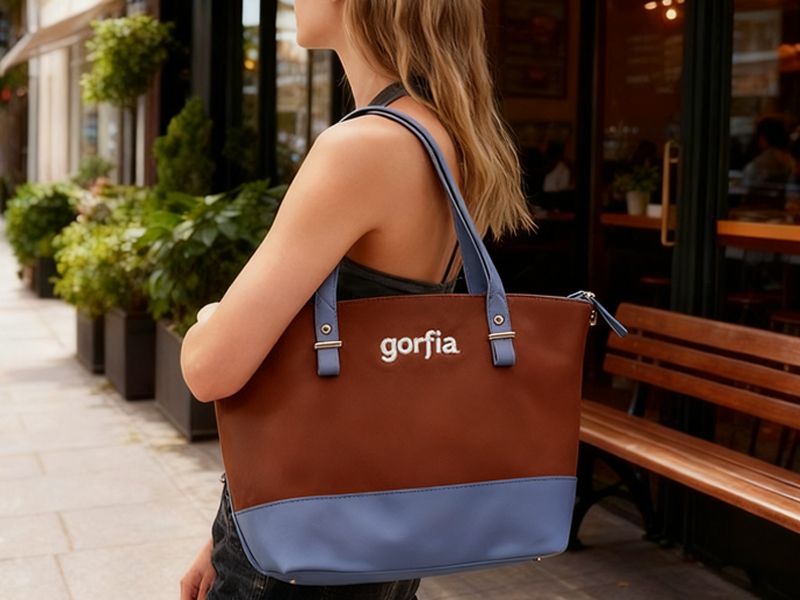
You see tote bags everywhere for a reason. Custom tote bags show a reuse rate 3–5 times higher than standard promotional gifts, according to 2024 corporate gifting industry data.
These bags shift from simple accessories to essential tools. They support corporate gifting, promotional events, and retail merchandising. Each bag serves as a mobile canvas for your brand, maximizing visibility long after an event ends.
Tote bag dimensions directly influence unit cost, shipping efficiency, and end-user adoption rate — all key factors in bulk procurement. The right tote bag size and specifications depend entirely on your campaign goals. Are you executing a premium corporate giveaway or a large-scale promotional push? Understanding precise tote bag dimensions is critical for procurement accuracy.
We guide our B2B partners to select from three primary size categories. Each serves a distinct business purpose:
- Small Tote Bags: Ideal for lightweight, high-value items. Think branded merchandise like notebooks, pens, or small tech accessories. They offer an upscale, minimalistic feel.
- Medium Tote Bags: The most versatile option for daily use. They perfectly fit a laptop, documents, and a lunch box, making them a favorite for corporate welcome kits and employee swag.
- Large Tote Bags: Built for maximum impact and utility. Use them at trade shows to carry catalogs and product samples, or as retail shopping bags that double as long-term brand assets.
Ultimately, regardless of size, a well-chosen tote bag is a practical business solution. This ensures your investment works hard, carrying your brand message into the world.
Understanding Tote Bag Dimensions and Technical Specifications

Precise, consistent dimensions reduce material waste, production rejects, and logistics costs by 8–15% in large-volume orders. Standardized measurements reduce size deviation between batches to less than 0.5cm, critical for large-scale production.
Let’s break down the key dimensions you need. This helps you get precise OEM and ODM processes.
The Three Core Measurements: Height, Width, and Depth
Your manufacturing partner must provide precise measurements for three primary dimensions. Insist they use calibrated tools and standardized methods to guarantee accuracy. You need clear data on the height, width, and depth.
They are essential for quality control. They also ensure every unit in your production run follows your brand standards. Consistent dimensions are critical for packaging, logistics, and the end-user experience.
Why Length, Height, and Width Drive Functionality
These core dimensions do more than sit in your internal documents. Width, height, and gusset depth determine real-world carrying capacity, fit in lockers, and compatibility with laptops or documents. The height influences the bag’s overall silhouette and capacity. Aligning these dimensions with your functional requirements is important for customer satisfaction.
The Critical Ergonomics of Drop Length
Do not overlook the drop length. This is the distance from the bag’s top edge to the strap’s highest attachment point. The strap drop is a key ergonomic detail that affects how comfortably the bag sits on the shoulder. If the drop length is wrong, the bag becomes difficult to use, even if everything else is perfect.
Clear dimension knowledge helps buyers negotiate more accurately, avoid sampling risks, and reduce order errors. It allows for informed online purchases and confident negotiations with suppliers. You can demand precision to ensure the final product matches your brand’s promise. This also keeps it aligned with your customers’ expectations.
Popular Tote Bag Options for Corporate Use

A properly sized tote can improve long-term brand exposure and cost efficiency by up to 30%, based on real OEM/ODM project data. The correct choice enhances your campaign’s impact and maximizes your return on investment. Here are the most effective options for corporate procurement.
The Versatile Medium Tote
Medium totes are the strategic choice for high-volume corporate gifting and promotional campaigns. They offer the right balance of practical utility and brand visibility. This balance is a critical metric for bulk orders.
A standardized size of 16 inches (W) x 12 inches (D) x 20 inches. (H) ensures compatibility with common corporate devices such as laptops and notebooks. This universality simplifies inventory planning.
The Large Tote For Maximum Visibility
Large tote bags are high-capacity essentials for events, from trade shows to conferences. A size like 20 inches (W) x 16 inches (D) x 24 inches (H) helps consolidate marketing collateral. Also, Combine Product samples and event materials into a single mobile brand asset.
This consolidation reduces the need for extra disposable bags or packaging. It also streamlines your event supply chain.
Its utility ensures it becomes the primary carry-all for attendees. This gives your brand sustained and high-visibility exposure long after the event ends.
The Premium Small Tote For Compact Branding
Small tote bags deliver a high perceived value. They are ideal for targeted client gifts or curated employee swag. Their compact size lowers material costs. It also reduces shipping and storage expenses. This makes your procurement budget more efficient.
Despite their size, they fit high-margin items like gift cards and luxury cosmetics. This shows your brand values thoughtful, quality curation. It also leaves a strong and lasting impression on a high-value audience.
Business-Standard Tote Bag Sizes for Corporate Procurement
The following table summarizes tote bag dimension standards for procurement.
| Tote Category | Standard Width (W) | Standard Depth (D) | Standard Height (H) | Best Use Cases in Corporate Procurement |
|---|---|---|---|---|
| Small Tote | 10–12 in | 3–4 in | 12–14 in | Premium gifting, curated employee kits, high-value client merchandise, compact brand presentation |
| Medium Tote | 16 in | 12 in | 20 in | Large-scale corporate gifting, welcome kits, employee swag, daily-use business bags (fits laptops, files, notebooks) |
| Large Tote | 20 in | 16 in | 24 in | Trade shows, conferences, product sample distribution, high-capacity event collateral, retail-level carry-all |
Measuring Tote Bag Handles for Business Applications
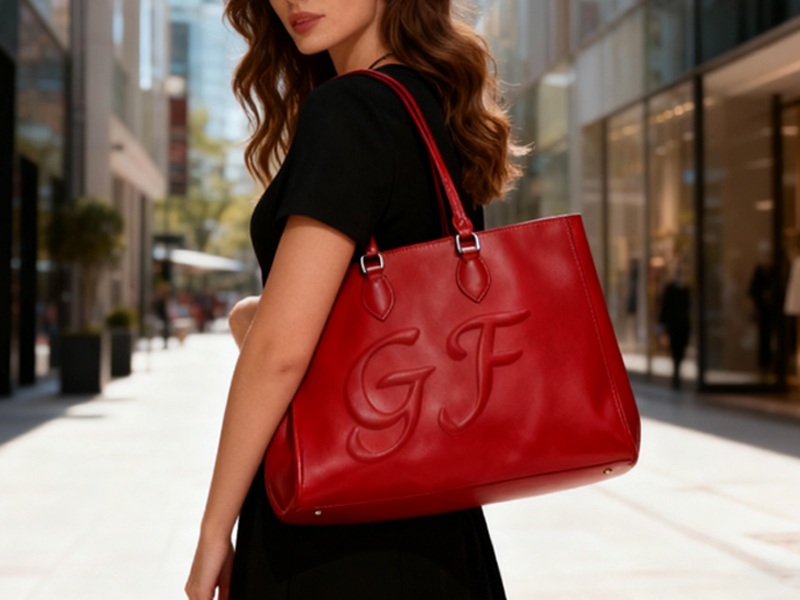
Strap and carry ergonomics are among the top 3 reasons corporate tote bags are either used daily or discarded immediately. Precise strap measurements are essential for good ergonomic comfort. They keep the bag looking professional when clients or employees use it often.
Strap Length Defines User Experience
The strap length dictates how a user carries the bag: by hand, across the body, or over the shoulder. This critical specification directly drives end-user adoption and long-term brand retention. An incorrect strap length makes a corporate bag impractical for daily use. This weakens your investment and reduces brand exposure.
Manufacturing Specifications for Optimal Fit
The strap drop is measured from the bag’s top edge to the highest attachment point of the strap. It has a direct impact on daily usability. For business use, a drop between 20 and 26 inches offers comfortable shoulder carry. It supports better end-user adoption and long-term brand use.
Give this exact specification to your manufacturing partner. Clear communication keeps production aligned with your quality standards. It ensures the user experience you want.
Choosing the Correct Tote Bag Size for Procurement
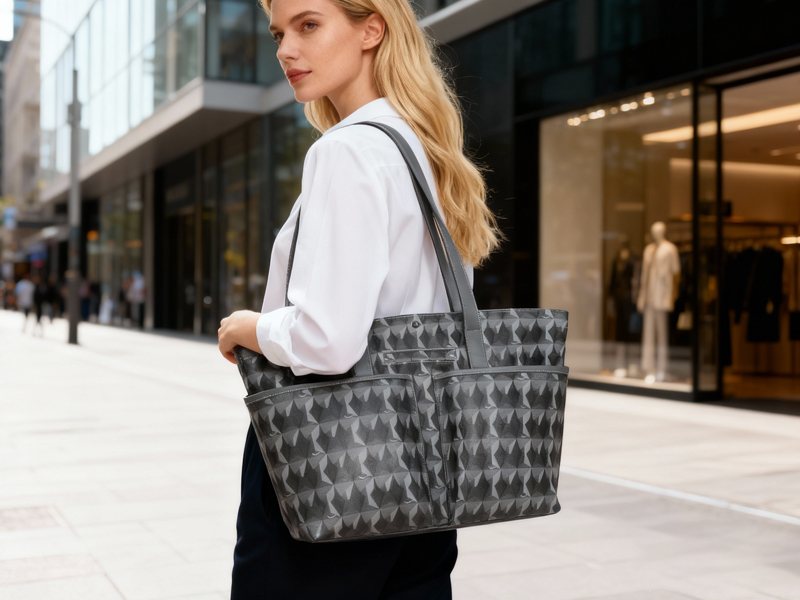
Size mismatch is responsible for over 12% of ineffective corporate giveaway campaigns in industry surveys. It also helps with operational costs and brand perception. A strategic approach ensures you maximize your return on investment.
Define the Primary Use Case
First, identify the bag’s core purpose. Is it for promotional giveaways, corporate event swag, or retail inventory? This decision dictates the necessary capacity. A bag for marketing materials requires more space than one for a simple gift set. Align the size with the items it must carry.
Prioritize Functional Features
Look for designs that enhance utility. Choose tote bags with additional features, such as internal pockets or zippered compartments. These elements improve organization and protect content. They add significant value to the end user, strengthening their connection to your brand.
Analyze Capacity and Cost Efficiency
The right tote size balances capacity with economics. A bag that is too large wastes material and increases shipping costs. A bag that is too small fails its primary function. Always pay close attention to the depth measurement. This dimension often determines the bag’s true, practical capacity for bulkier items.

Ideal Tote Bag Sizes for Business Needs
Selecting the ideal tote bag size requires a strategic approach. Your choice must align with specific business goals and your target audience’s lifestyle. The right dimensions enhance user experience and maximize your brand’s visibility.
Medium Totes
Medium tote bags are the workhorse of practical brand promotion. Their standardized size offers the highest frequency of daily use, turning commutes and errands into consistent, long-term advertising for your brand.
Large Totes
Deploy large tote bags to command event visibility and impact. Their high-capacity design makes them essential at conferences, ensuring your brand stands out in a crowded environment.
Small Totes
Select small tote bags to create a premium gifting experience. Their curated scale conveys exclusivity and strengthens high-value client relationships.
Always match the dimensions to your business requirements. Prioritize functional features that enhance the user’s experience. This final procurement decision directly impacts your campaign’s return on investment and brand perception.
Tote Bag Capacity and Material Considerations for Business
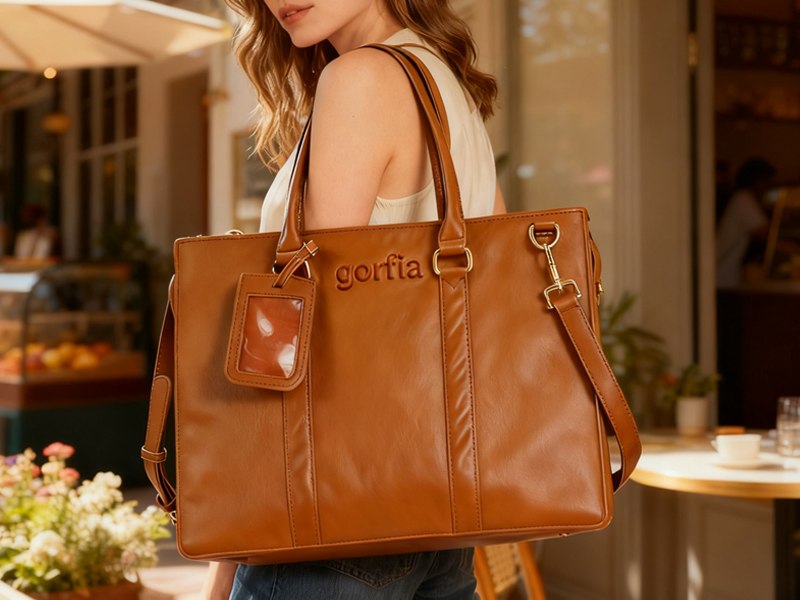
Effective tote selection relies on functional dimensions, load capacity, material durability, and logistics compatibility — not just appearance. You must evaluate its capacity, material quality, and functional features. Dimensions, materials, compartments, and ergonomics combine to lower total cost of ownership and improve real-world utility.
Securing Ample Space Through Strategic Dimensions
Corporate totes must provide ample space for daily essentials. The specific bag dimensions you choose determine its practical capacity. A well-proportioned design easily accommodates laptops, marketing materials, and product samples. This reliability is non-negotiable for trade shows and corporate events.
Selecting Premium Materials for Brand Image
Material structure and weight determine tear resistance, usable lifespan, and washing stability — which directly shape user perception of quality. Common durable materials for corporate totes include canvas, non-woven fabric, polyester, and Saffiano leather, each with distinct cost and durability profiles. Your selection communicates a clear message about your brand’s quality standards.
Enhancing Usability with Functional Features
Integrate smart features to boost organization. Internal pockets, zippered compartments, and padded sleeves improve overall functionality. These additions transform a simple bag into a highly efficient business tool. They protect valuable content and enhance the user’s daily experience. This strengthens their connection with your brand.
Finding the Perfect Tote Bag Supplier: OEM/ODM and Procurement Insights

Selecting the right manufacturing partner is your most critical procurement decision. The ideal supplier transforms your product vision into a market-ready asset. They must offer robust OEM (Original Equipment Manufacturing) and ODM (Original Design Manufacturing) services.
This flexibility allows for deep customization of size, material, and branding. A strong partner ensures your tote bags perfectly align with your brand identity and functional needs.
Prioritize Technical Capabilities and Compliance
Your supplier must guarantee precision. Scrutinize their ability to execute specific tote bag dimensions and consistent quality. They should provide detailed technical specifications for every component. This includes strap drop, gusset depth, and tolerance levels.
Always request production samples before finalizing a bulk order. This step verifies their craftsmanship and the integrity of your product. It is your primary quality control checkpoint.
Secure Your Supply Chain with Proven Reliability
Demand transparency in production timelines and capacity. Your corporate campaigns depend on flawless, on-time delivery. A reliable partner will have certifications like BSCI.
The Business Social Compliance Initiative (BSCI) verifies ethical and socially responsible manufacturing practices. They should also hold ISO certifications. The (ISO) certifications confirm adherence to globally recognized quality management systems.
Ensure your partner offers comprehensive services from material sourcing to final inspection. This end-to-end management simplifies your supply chain and mitigates risk.
Leverage Customization for Competitive Advantage
A collaborative manufacturer acts as an extension of your team. They provide insights to enhance your design for manufacturability and cost-efficiency.
Utilize your supplier’s full customization offerings. This extends beyond simple logo printing. Explore techniques like embroidery, debossing, and custom metal logos. Discuss material options from woven leather to premium nylon fabric. These details create a unique product that stands out in the market.
Forging a strategic supplier partnership directly impacts your brand image. The right manufacturer ensures product excellence, supply chain stability, and brand consistency. This collaborative relationship is the foundation for successful, scalable product lines.
Market Size and Business Opportunity in Tote Bags

Understanding the broader market context is key to making informed sourcing decisions. The global tote bag market is expanding quickly. It was valued at USD 1.64 billion in 2022 and is projected to reach USD 3.02 billion by 2030. This reflects a strong CAGR of 7.95%.
This growth comes from a few clear factors. The demand for sustainable and reusable products is rising. This makes tote bags a preferred choice for eco-conscious consumers and corporations. The growing use of custom tote bags is pushing the market forward.
For your business, this data shows that investing in tote bags is a solid decision. The market is moving upward, so your investment aligns with a growing trend. This boosts your chances of gaining stronger brand visibility and a better ROI.
Tote Bag Styles and Business Applications
Each design serves a distinct purpose and influences how people perceive your brand. Selecting the right style maximizes both visibility and utility for your target audience.
Shoulder Totes
Shoulder totes offer a classic, professional look. They are ideal for corporate environments and employee gift programs. Their open-top design provides easy access to contents like laptops and documents. This style ensures your brand is presented in a polished, business-appropriate manner.
Crossbody Totes
Crossbody totes provide ultimate convenience and security for on-the-go professionals. They are perfect for event staff, trade shows, and active client giveaways. The secure strap and hands-free design facilitate networking and mobility. This style demonstrates your brand’s understanding of practical, modern business needs.
Oversized Promotional Totes
Oversized totes offer maximum branding space for high-impact campaigns. They work exceptionally well for seasonal promotions, retail merchandise, and event giveaways. Their generous scale accommodates large logos and vibrant graphics, making a bold visual statement that travels far beyond the office.
Material and Feature Selection
Your material choice defines both durability and perception. Consider sturdy canvas for casual branding or premium Saffiano leather for luxury positioning. Always integrate functional features, such as internal pockets and zippered closures. These elements enhance usability while protecting valuable items.
Strategic Style Implementation
Match each style to large-scale business applications. Structured leather totes support enterprise gifting programs for high-value corporate accounts. Lightweight crossbody totes are ideal for mass conference distributions and promotional outreach. Durable canvas aligns with nationwide customer loyalty initiatives and long-term retention campaigns.
This procurement-focused approach ensures every bulk shipment delivers a consistent impact across the organization.
A diverse product portfolio addresses varying client preferences. It demonstrates your brand’s versatility and attention to detail. The right tote bag style becomes a working advertisement for your company’s values and quality standards.
To help you make more informed decisions, here are some frequently asked questions about tote bag dimensions and their use in corporate procurement.
FAQs
Q1: What are the ideal tote bag dimensions for corporate gifting?
For corporate gifting, small tote bags with dimensions around 10–12 in (W) x 3–4 in (D) x 12–14 in (H) provide a premium, compact presentation while minimizing shipping costs.
Q2: How do I choose the right medium tote bag size for employee welcome kits?
A medium tote of approximately 16 in (W) x 12 in (D) x 20 in (H) fits laptops, documents, and lunch boxes, offering versatility for daily use and high brand visibility.
What is the best strap drop measurement for tote bags used in business events?
A strap drop of 20–26 inches ensures ergonomic comfort, allowing users to carry the bag over the shoulder easily while maintaining a professional appearance.
Which tote bag materials are recommended for B2B corporate use?
Durable canvas, sustainable cotton, and premium Saffiano leather are top choices. They combine resilience with high-end brand perception for corporate giveaways and promotional events.
How can companies optimize bulk tote bag ordering for trade shows and events?
Selecting the right size (medium or large), ensuring standardized dimensions, and using a reliable OEM/ODM supplier allows companies to reduce shipping costs, simplify logistics, and maximize brand exposure.
Conclusion
Now you understand how tote bag dimensions impact your costs, logistics, and brand perception. Use this knowledge to refine your technical packages and supplier conversations.
For a deeper look at our manufacturing expertise and full service capabilities, we recommend a related resource. Explore our detailed profile: Gorfia: Your Top Custom B2B Leather Goods Manufacturer in China.
This guide provides further insight into our quality processes and customization options. It will help you plan a successful manufacturing partnership.
Transform Your Tote Bag Procurement Strategy With Gorfia
Building on the need for scalable procurement solutions, our manufacturing capabilities ensure consistent delivery at enterprise volumes. As a leading B2B leather goods manufacturer with over 20 years of experience, Gorfia specializes in high-volume custom bag and leather goods production for global brands and distributors.
Our facility is certified to BSCI and ISO standards and delivers over 1.2 million units annually.
Partner with us because we turn your specifications into market-ready products that drive brand visibility.
Contact our team today to request a free consultation based on your business needs.