
Looking to streamline your B2B card holder sourcing? Card holders are compact, practical, and easy to sell, offering a strong balance of demand, cost control, and inventory efficiency.
From our experience with B2B clients, sourcing the right card holders can boost margins, reduce returns, and simplify planning. Our approach ensures consistent quality and faster time-to-market.
In this article, you’ll learn how to assess styles, materials, functional features, and supplier services to maintain quality and timely delivery. We’ll cover everything from slim card sleeves to premium quilted designs for long-term growth.
Ready to improve your card holder sourcing process? Let’s dive in.
What Is a Card Holder and Why It Matters for B2B Buyers
A card holder is designed to store credit cards, IDs, and business cards. Some models also allow folded cash. Unlike traditional wallets, card holders focus on slim size and easy access.
For B2B buyers, this design brings clear benefits. Card holders are lightweight and compact, which lowers shipping costs. They suit retail shelves, promotional use, and corporate gifting. With the right positioning, they can move quickly while keeping stable margins.
Market Trends and Demand for Card Holders
Consumer demand continues to shift toward smaller, more functional accessories. Many users now prefer slim carry over bulky wallets. This change supports steady demand for card holders across retail and professional markets.
Most buyers look for products that are clean in design, durable in use, and easy to carry. For wholesalers, this creates an opportunity to offer focused collections instead of large, complex assortments. Clear positioning helps products sell faster and reduces inventory pressure.
Common Card Holder Styles for Wholesale Markets
Offering a limited range of well-chosen styles helps cover different customer needs without overstock risk.
Slim Card Holders and Card Sleeves for Everyday Use
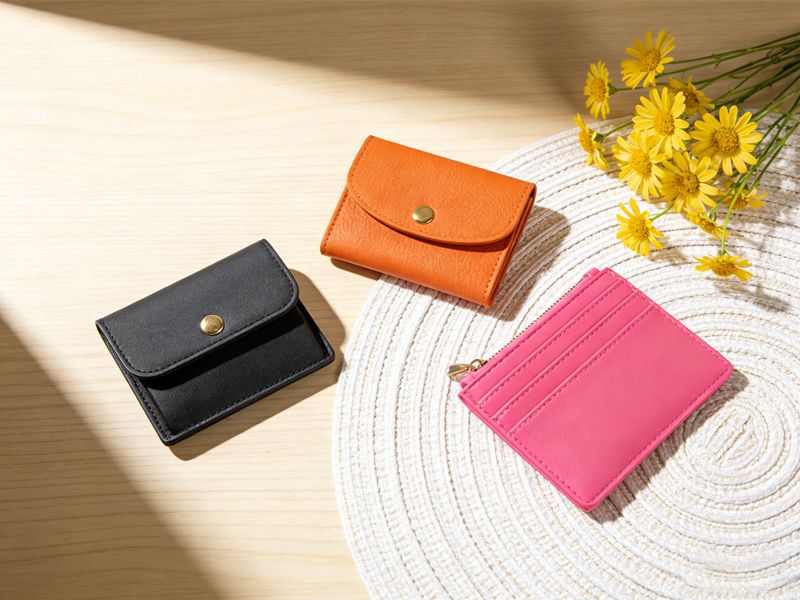
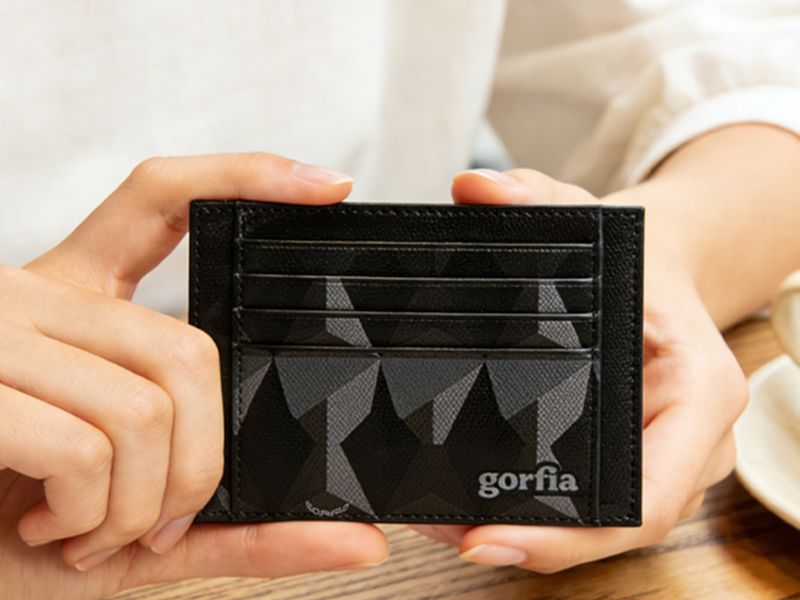
Slim designs usually feature two to six card slots. They are light, simple, and popular with younger and urban consumers. These styles often support quick turnover and impulse buying.
Multi-Slot Credit Card Holders for Professionals
Multi-slot models suit professionals and frequent travelers. They hold more cards and often include a central pocket. Some designs add snaps or magnetic closures for extra security.
Hybrid and Travel Card Holders with Zipper or Cash Sections
Hybrid card holders may include cash sections, zip pockets, or key loops. They offer added function while staying compact. These designs often support higher pricing when positioned correctly.

Material Selection for Card Holders in B2B Sourcing
Material choice directly affects durability, appearance, and return rates.
Leather Card Holders for Premium Markets
Full-grain and top-grain leather are common in premium segments. They hold shape well, age naturally, and support higher price points. Leather card holders also help strengthen brand image.
Alternative Materials for Cost-Controlled Card Holders
Microfiber, coated fabrics, and plant-based leather options suit mid-range or eco-focused markets. These materials offer stable quality and better cost control, making them suitable for large-volume orders.
Hardware and Linings That Improve Card Holder Durability
Details like metal logos, snaps, and clean linings improve usability and perceived value. Simple, well-matched components can raise product quality without adding unnecessary cost.

Key Functional Features of Well-Designed Card Holders
Good function improves daily use and lowers complaints.
Important factors include card slot count, slot tightness, ease of access, and closure type. Minimal designs should hold cards securely while allowing smooth removal. Business-focused designs should stay structured and organized over time.
Choosing features based on real user habits helps reduce returns and improve repeat orders.
Supplier Services That Reduce Risk in Card Holder Sourcing
Reliable supplier support is critical in B2B sourcing.
Factory inspections confirm production capacity and quality systems before orders begin. During production, regular order updates help buyers track progress and resolve issues early.
Strong suppliers also manage material sourcing to keep color, texture, and feel consistent across batches. Storage options in China allow flexible shipping schedules and faster restocking. Final goods inspections check stitching, edges, hardware, and overall finish. Photo and video records enable remote approval before shipment.
Understanding supplier capabilities is just one piece of the puzzle. To truly ensure successful card holder sourcing, you also need support that spans the entire product development cycle—from design to final shipment.

How We Support B2B Buyers in Card Holder Manufacturing
End-to-End Card Holder Product Development Capability
We support B2B buyers through the full card holder sourcing cycle, from concept to final shipment. Our role goes beyond placing orders. We turn market needs into products that balance design, durability, and cost.
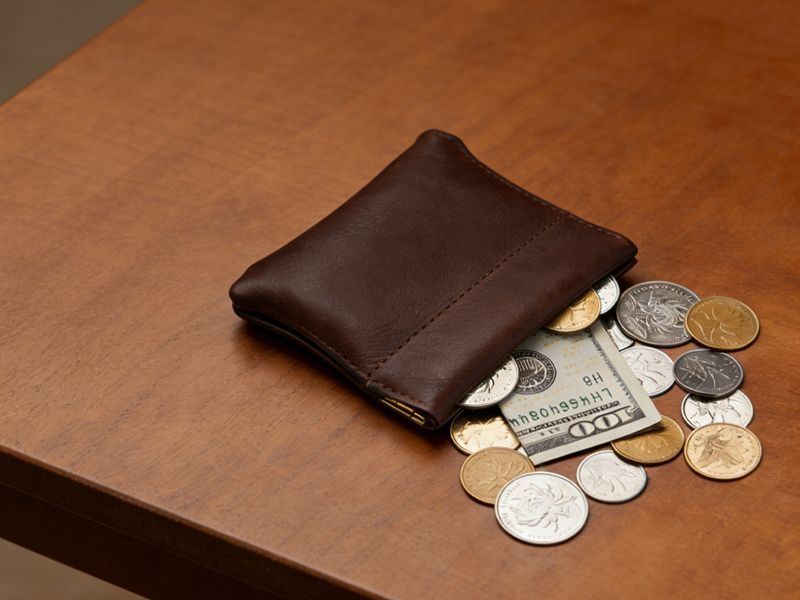
Our development covers all card holder types, including card sleeves, credit card holders, and business card holders for daily use. We also handle functional designs like zipped card holders, coin cases, and compact pocket organizers.
For premium or fashion-forward segments, we develop structured styles such as quilted and belted card holders. We ensure consistent construction, clean stitching, and stable form. Each product is checked for usability, material efficiency, and production feasibility before sampling.
Material Sourcing and Specification Control for Card Holders
Material consistency is key in card holder manufacturing, especially for slim, structured designs. We source leather, alternative materials, linings, and hardware to match each product’s purpose and use.
By setting material specs early, we reduce risks like color changes, uneven texture, or early wear. This matters for items with tight tolerances, such as business card holders, card sleeves, and quilted card holders. Structure and surface finish directly affect perceived quality.
Our sourcing process ensures repeatability across batches. It supports long-term programs, not just one-off orders.
Factory Qualification and Production Oversight
Before mass production, we inspect factories to check capacity, machinery, and quality control systems. This ensures production partners can meet volume and quality requirements.
During production, we provide active order tracking and workmanship monitoring. Key checkpoints include stitching strength, edge finishing, and alignment accuracy. For zipped card holders, we inspect zipper smoothness and durability. For credit card holders and card sleeves, we closely monitor slot fit to ensure secure yet accessible card retention.
This structured oversight reduces defects, avoids rework, and helps keep delivery schedules predictable.
Final Quality Inspection and Functional Verification
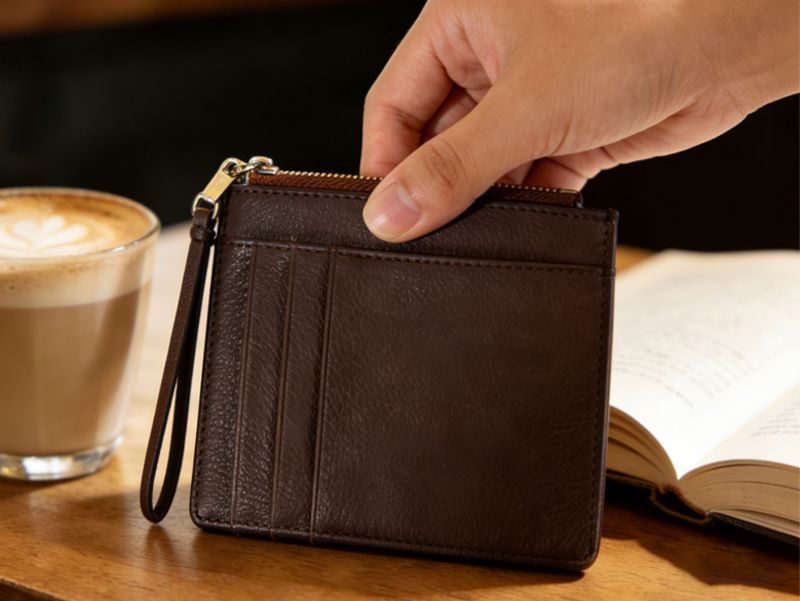
All card holder orders undergo a final quality inspection before shipment. We check overall appearance, hardware strength, slot tightness, and function against agreed specifications.
For multi-functional items like coin cases and compact pocket organizers, we also check compartment alignment, closure reliability, and internal usability. Photos and videos are provided to support remote review and shipment approval. This gives buyers full visibility before dispatch.
Flexible Storage, Logistics, and Fulfillment Support
To support flexible inventory planning, we offer storage solutions in China. This allows buyers to stagger shipments, respond to seasonal demand, and reduce lead-time pressure.
Whether shipping small batches of business card holders or larger mixed-style orders, our logistics coordination supports smoother restocking and more stable inventory flow. This flexibility is especially valuable for brands managing multiple SKUs across different markets.
Customization and Private Label Support for Card Holder Brands
We support customization of materials, colors, hardware, and branding. This helps brands create a consistent and recognizable card holder line.
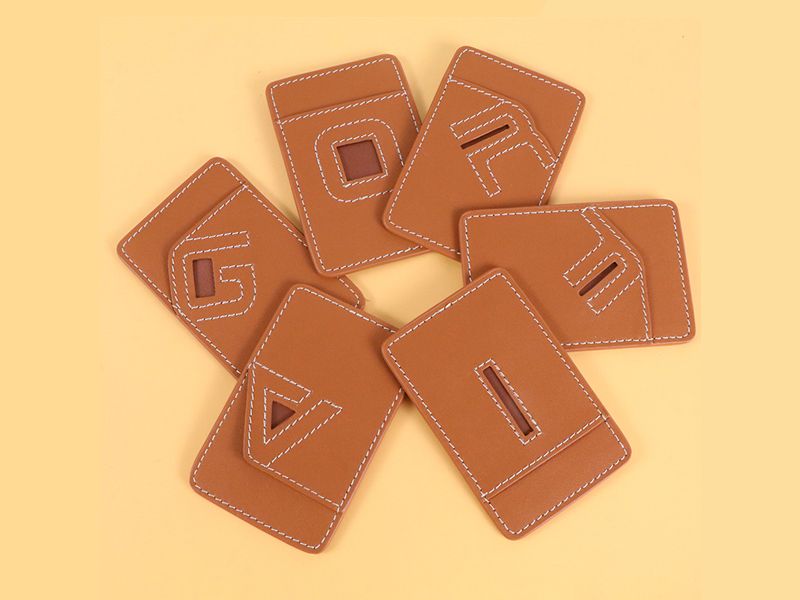
Logos and brand elements can be added to simple products like card sleeves and credit card holders. They can also be applied to more expressive designs, such as quilted or belted card holders. This lets buyers match products with retail strategies, promotional programs, or corporate gifts, without slowing production.
FAQ: Card Holder Sourcing for B2B Buyers
How is a card holder different from a wallet?
A card holder focuses on cards and slim carry. Wallets usually include cash and coin sections.
How do I choose the right material?
Match materials to your target market. Leather suits premium buyers, while alternatives work well for value or eco segments.
Why are supplier services important?
They help control quality, timing, and consistency across repeat orders.
How does customization help sales?
Logos, colors, and hardware strengthen brand recognition and perceived value.
What should I inspect before shipment?
Check stitching, edge finishing, slot fit, hardware strength, and overall appearance.
Conclusion: Building a Scalable Card Holder Line for B2B
Successful card holder sourcing relies on focus and clarity. By selecting the right styles, materials, and supplier services, you can build a product line that sells steadily and protects your margins.
Working with experienced partners who offer quality checks, material support, and production oversight reduces risk and improves efficiency. Strong sourcing decisions today create more reliable inventory and better long-term results for your B2B accessory business.
Next Steps for Your B2B Card Holder Line
Review your current suppliers, evaluate samples, and confirm clear quality standards. Small improvements in sourcing decisions can lead to higher profits, smoother operations, and stronger customer trust. Start refining your card holder collection now and position your B2B line for steady growth.