
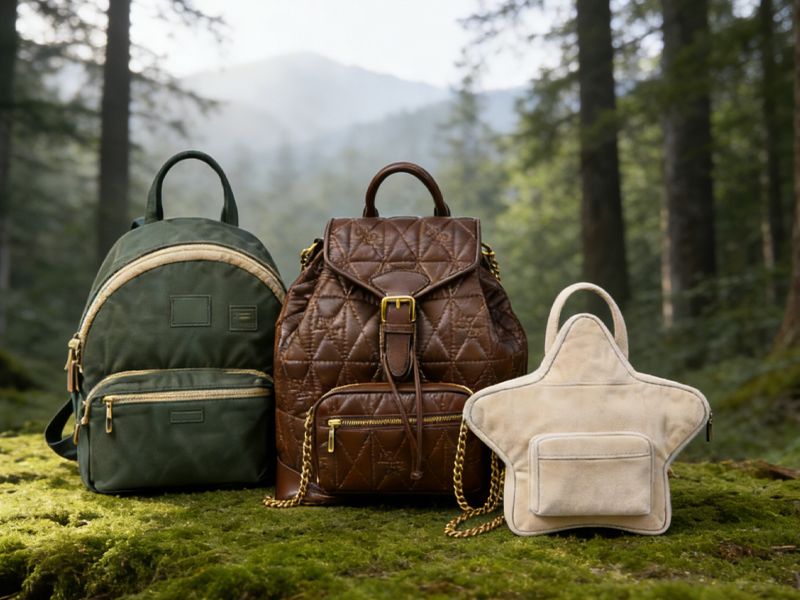
Struggling to choose the right backpack size for your business? The right choice will help procurement teams reduce waste, order the correct size mix with fewer errors, and support retailers in protecting profit margins.
Rather than relying on assumptions or generic size labels, businesses need evidence-based analysis to match backpack volume and measurements with practical, real-world applications.
In this ultimate backpack size guide, you’ll see how backpack capacity and dimensions align with real commercial use cases. The insights provide your teams with the data needed for smarter ordering decisions and more reliable product development.
Ready to plan inventory with confidence and get more value from every backpack production run? Let’s dive in.

Understanding Backpack Volume: Liters Explained
Backpack volume is one of the most important metrics for B2B buyers. They should check the capacity in liters to ensure proper use, consistent inventory, and operational fit.
This section explains what liter capacity means, why it matters for business buyers, and how different size ranges match real-world applications.
B2B Decision Makers Value Volume More than External Dimensions
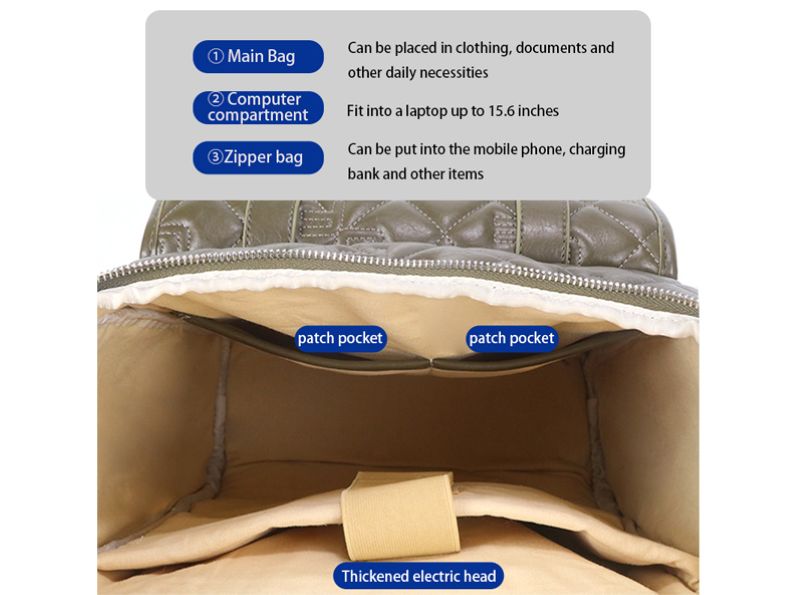
Manufacturers calculate backpack volume by measuring all usable internal space. This includes:
- Main compartment
- Accessory side pockets
- Laptop sleeves
- Hidden or expandable sections
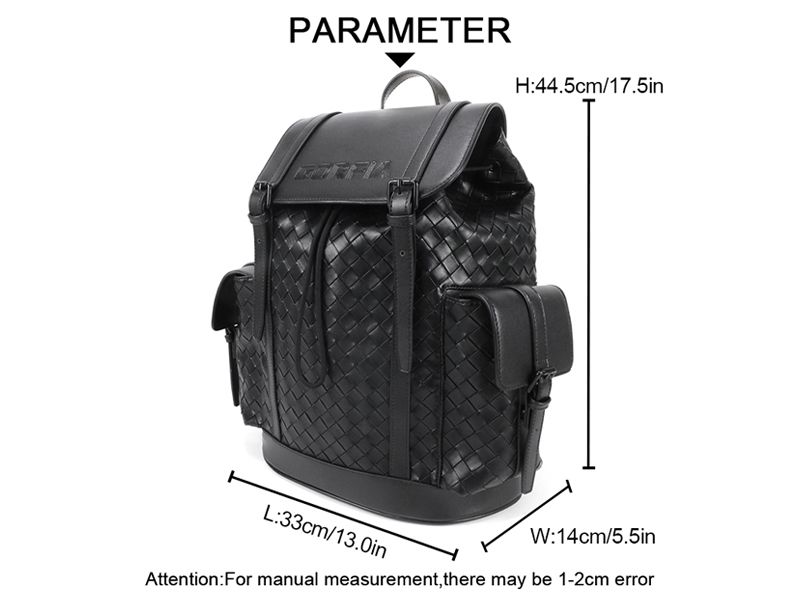
Manufacturers measure this volume in liters (L) to show total packing space. Designs vary in shape, padding, and structure. So, twobackpacks with similar external measurements can have different internal capacities.
For procurement teams, liter capacity reduces guesswork. It creates a clear way to compare products across suppliers. It works even when dimension formats differ.
Volume is a critical factor because it influences:
- How much weight can end users carry with ease
- Accuracy when matching products to corporate requirements
- Planning for field teams, sales staff, medical workers, and technicians
- Fewer returns caused by size mismatch
External dimensions may change with design trends. Liter capacity stays consistent. That makes it more reliable for:
Bulk ordering
- Product line development
- Cost estimation
- SKU classification
For B2B procurement teams, understanding liters helps cut mismatches between what buyers expect and what end users actually receive.
Role of Backpack Size in Business Procurement
The story goes beyond a design decision when choosing the right backpack size. It has a direct impact on procurement efficiency, brand consistency, and operational effectiveness.
When businesses match backpack volume to real needs, they simplify sourcing. Inventory becomes easier to manage, and products perform better in the field.
Here is how backpack size brings a difference in B2B purchasing:
Optimizing Procurement Efficiency
- Consistent sizing simplifies large orders and reduces complexity in supplier management.
- Choosing the correct volume minimizes mismatched orders. Also, it ensures that products meet functional requirements.
- There is a great compatibility with logistics. Opting for well-sized backpacks improves shipping efficiency, storage use, and packaging consistency.
Branding and Corporate Identity
- No matter whether it’s for compact corporate gifting or rugged field-work gear, backpack size reinforces the company’s brand image.
- Maintaining standard sizes allows wholesalers and distributors to offer cohesive assortments that appeal to business clients.
Operational and Industry-Specific Needs
- Teams and roles often need backpacks that can efficiently accommodate laptops, tools, or specialized devices.
- Choosing the right size ensures employee gear is functional, comfortable, and practical for business travel, fieldwork, or department-specific tasks.
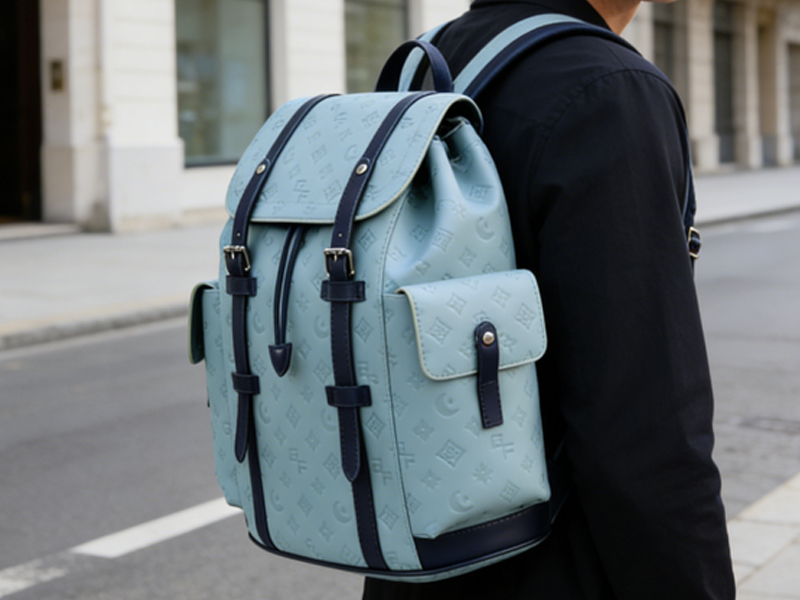
Choosing the Right Backpack: Small, Medium, and Large
Picking a new backpack starts with numbers but ends with experience. Let’s talk about standard backpack sizes. When evaluating product ranges for sourcing or private labeling, standard backpack sizes serve as the foundation.
Most small to medium backpacks range between 20 and 30 liters, roughly 1,200 to 1,800 cubic inches. This size category continues to dominate both B2B and B2C markets due to its adaptability.
The 25L backpack remains an industry favorite. It fits a 15-inch laptop, light clothing, camera inserts, and daily essentials without looking bulky. That makes it ideal for commuters, business travelers, and students, three high-turnover segments for retailers.
These are the features where the value shows:
- Padded sleeves protect large laptops.
- Hip belts help balance heavier loads.
- Side pockets keep your water bottle or small tools handy.
- Quick-access compartments are gold for travelers who hate unpacking everything at security.
So, when choosing what to stock, compare size, structure, and fit. Backpacks with balanced weight, smart storage, and modern design sell well in both retail and corporate programs.
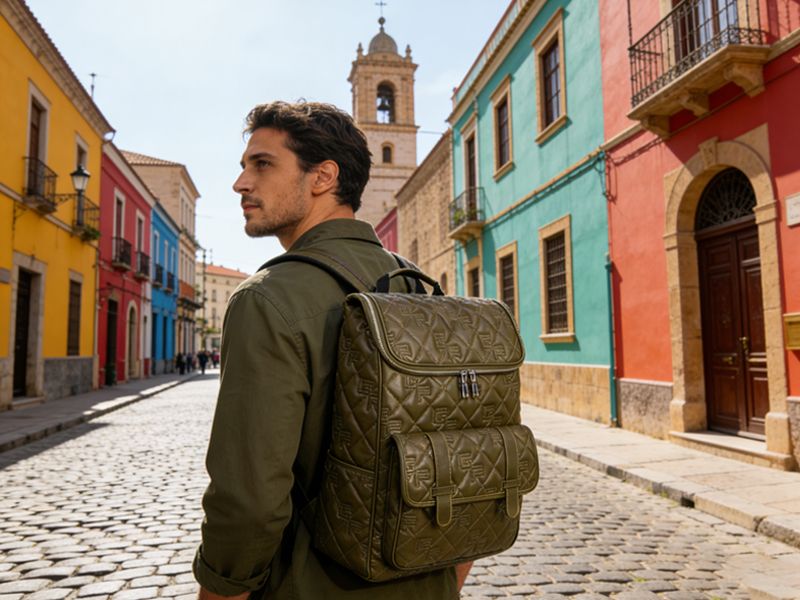
Backpack Size Guide
Here’s a quick breakdown of what each size really means in practice and who it fits best.
1. Small Backpacks (Under 19L)
These compact models dominate corporate gifting and promotional markets. Because of their smaller size, these backpacks carry daily essentials such as a light jacket, notebooks, and personal items. They also keep production and shipping costs low.
For distributors, small backpacks offer a high-volume sales opportunity due to their lightweight design and affordability. They perform well across corporate programs, educational campaigns, and brand giveaways.
They also fit easily under airplane seats and in tight spaces. If you are opting for daily or school backpacks for your product line, this range combines everything. Durability, market appeal, and competitive pricing and ideal for driving repeat sales.
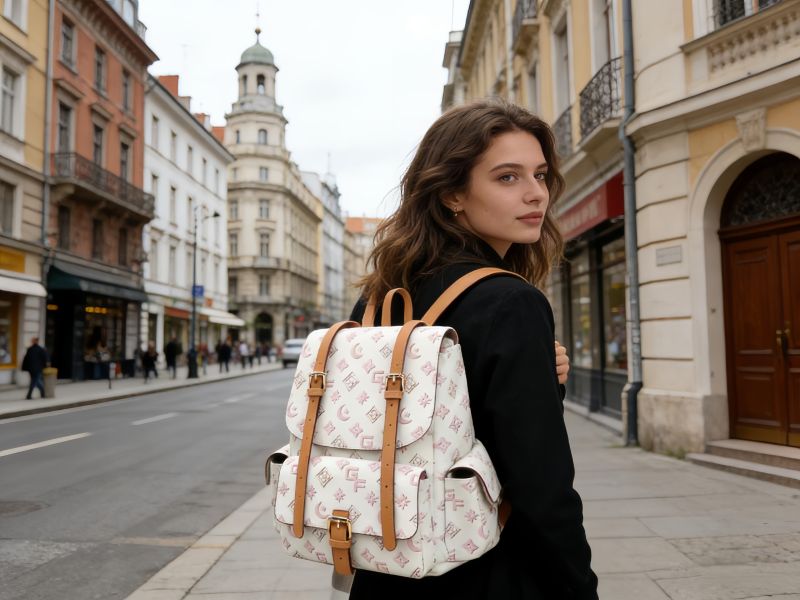
2. Medium Backpacks (20–29L)
They can be a sweet spot for most buyers. Medium backpacks offer that perfect balance between space and mobility. They fit work items, gym clothes, and extra space for gear without becoming bulky.
A 25L backpack is often the go-to compact but versatile enough for commuting or weekend trips. Many models include padded laptop compartments and shoulder straps. They offer comfort and use durable fabrics for everyday wear.
They hold clothing, gym gear, and large laptops. This makes them suitable for many B2B uses, from school procurement to branded merchandise lines.
These are best-sellers across corporate, travel, and lifestyle segments for B2B buyers. They include laptop sleeves, weather-resistant fabrics, and ergonomic straps. These features drive strong demand and reliable turnover for procurement teams.
3. Large Backpacks (30–39L)
Though less suited for daily commuting, large backpacks are indispensable for overnight trips, fieldwork, and travel operations. These packs can fit gym clothes, tech accessories, or compact sleeping bags.
For B2B buyers, stocking this category enhances portfolio depth, appealing to outdoor retailers, travel brands, and adventure suppliers. But, managing weight and ergonomics becomes essential as capacity grows.
If your client base includes travelers or outdoor retailers, offer a mix of larger backpacks for travel, medium ones for daily use.
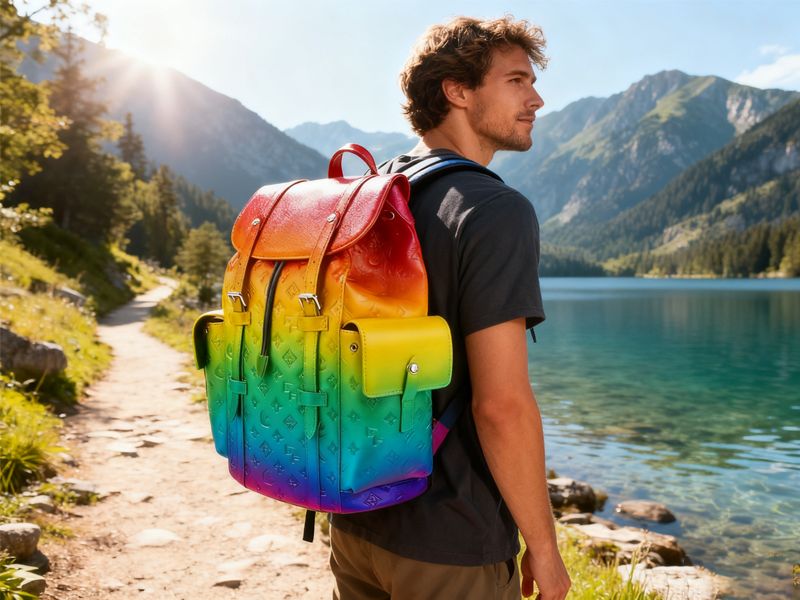
Backpack Capacity and Features
Understanding backpack capacity and design goes far beyond aesthetics in the B2B landscape. Capacity alone does not define usability. The combination of volume, organization, and ergonomic design shapes customer satisfaction and brand loyalty over time.
Small and medium backpacks are the quiet heroes of the market. Modest in size but big in performance. They often outperform larger options through smarter construction and functional detailing.
Features such as padded laptop sleeves, many organizational pockets, and contoured back panels make them reliable companions. Your end consumers, such as students and professionals, can take the most benefits.
Their balance between compactness and convenience not only appeals to end users but also provides you with logistical gains. The benefits include easier packaging, lower shipping costs, and higher sell-through rates.
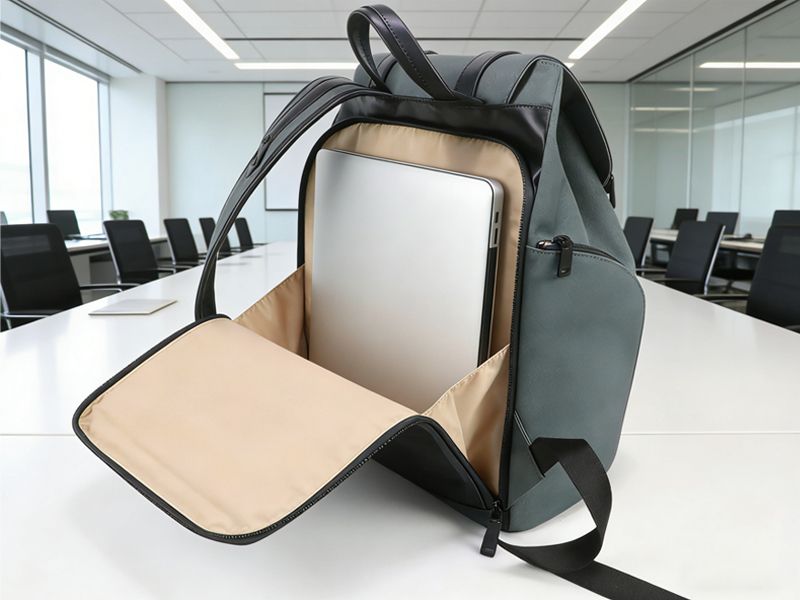
Larger backpacks target users with heavier loads. They provide more space without sacrificing comfort.
For B2B buyers, this means prioritizing designs with weight distribution systems such as hip belts, chest straps, and structured padding to prevent user fatigue. A misbalanced design triggers dissatisfaction and spikes return rates, harming profitability and brand trust.
Specialty backpacks redefine product differentiation in the B2B sector. Camera gear backpacks with modular inserts attract creative professionals and content creators. While hiking or tactical designs integrate hydration sleeves, water-resistant materials, and dedicated compartments for tools or first-aid kits.
Every feature has intent; every pocket has a reason. And for B2B buyers, these distinctions matter. They turn basic stock into something memorable, something that sells itself on functionality.
Small to Medium Backpacks: The Core of the Market
Across both retail and corporate procurement, small to medium backpacks represent the highest turnover segment. They meet daily mobility needs while remaining price-competitive for large-scale orders.
Key features include:
- Multi-pocket organization for business tools and personal items
- Padded laptop compartments compatible with 13–15″ devices
- Breathable back panels and reinforced shoulder straps for comfort
Procurement teams should check:
- Material quality: Choose lightweight but durable polyester or nylon blends
- Weight efficiency: Keep empty weight under 1 kg for commuter comfort
- Design durability: Double stitching and padded seams extend product life
They are easy to store, ship, and sell. For wholesalers, these backpacks are inventory workhorses. They are ideal for promotional partnerships, employee gear, and retail replenishment. Their consistent demand makes them a reliable category for bulk manufacturing and private labeling.
Comfort and Design
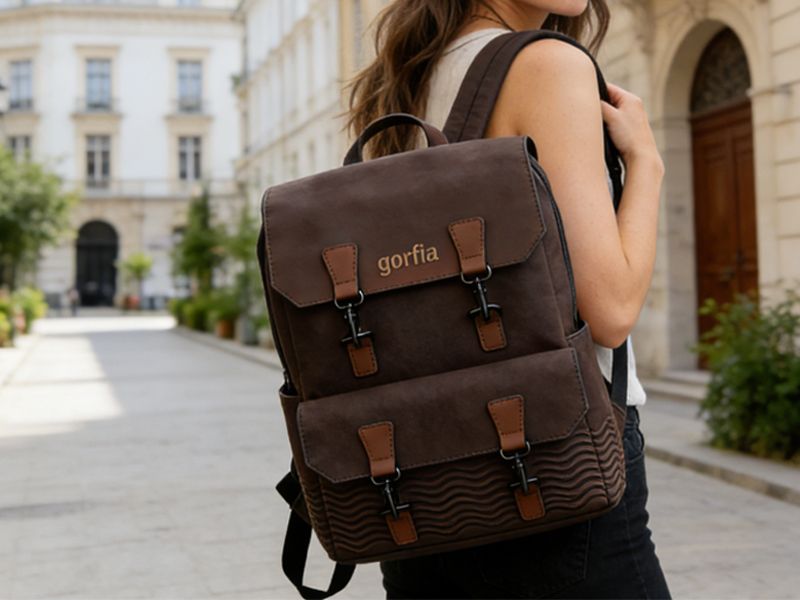
In B2B backpack manufacturing, structural engineering and design influence commercial viability and client satisfaction. For B2B buyers, understanding the link between advanced design and long-term asset utility is critical. Behind every technical specification is the potential for premium feature upsell and design Return on Investment (ROI).
Key design priorities for procurement evaluation include:
- Structured back panels with integrated airflow channels to maximize thermal regulation.
- Ergonomic shoulder straps control stress and direct load transfer.
- Hip belts and sternum straps for advanced load stabilization and mitigating product misuse due to overpacking.
A well-engineered backpack ensures long-term reliability and durability. For large corporate clients or specialized travel brands, you can invest in robust designs. It reduces product returns and strengthens brand reputation. Also, it provides procurement teams with confidence in the quality and consistency of their inventory.
Back Panel and Ergonomics
Let’s be honest, a backpack is only as good as it feels on your back. The back panel is the structural support system of the backpack, defining load transfer, heat dissipation, and carry stability. The selection of back panel specifications must be treated as a strategic investment.
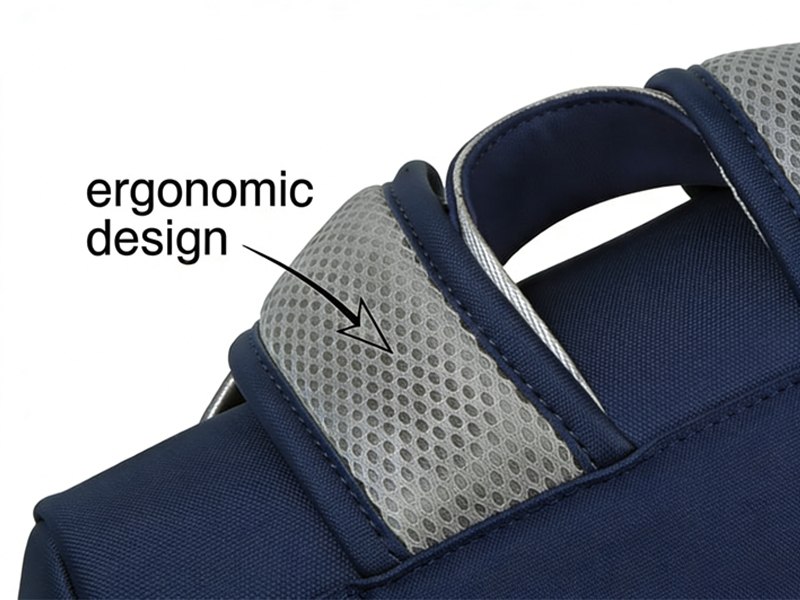
The back panel forms the core of any professional load management system. A breathable mesh construction paired with contoured, high-density padding ensures ventilation and minimizes material degradation during prolonged use. Adjustable shoulder straps and load-bearing hardware allow for proper fitting. It is a vital factor in ensuring product durability and preventing stress-related failure.
Studies say that specifying robust ergonomic adjustments can mitigate the risk of product-related stress and perceived discomfort by over 30%. From a B2B standpoint, ergonomically optimized designs are a clear premium upsell opportunity.
Products that incorporate structured support, adjustable fittings, and pressure relief features command higher price points and profit margins.
For enterprise clients equipping teams or field staff, load management design extends asset lifespan and ensures proper use of gear. This makes it a strategic investment, not just a consumer feature.
Key Structural Features to Prioritize for Inventory
When assessing small backpacks for your inventory or brand line, focus on these essential features:
- Padded Shoulder Straps: These minimize pressure on the shoulders, especially when carrying electronic devices or books.
- Breathable Back Panels: A mesh design with airflow channels promotes ventilation and reduces sweating, crucial for commuters and frequent travelers.
- Contoured Lumbar Support: Padding that follows the curve of the spine helps maintain natural posture, easing back tension.
- Load-Stabilizing Design: Balanced padding distributes weight evenly, reduces pressure points, and improves posture.
How Does Weight Distribution Matter Commercially?
When it comes to B2B backpack sourcing, comfort plays a major role. It impacts customer satisfaction, product returns, and perceived quality. One of the core contributors to real comfort is smart weight distribution.
When a backpack’s load pulls backward, it shifts the user’s center of gravity. This can cause rounded shoulders, neck tension, and fatigue. Over time, this ergonomic flaw can create a serious commercial problem. As a result, you get unhappy users, poor reviews, and lower resale performance.
A small 20–25L backpack may seem harmless, but improper loading or weak design can cause discomfort during long commutes or day trips.
Manufacturers combat this with internal frame panels, balanced padding, and structured bases that distribute weight closer to the spine. This design approach not only enhances comfort but also boosts product durability since the pack retains its shape even when half-full.
Highlighting ergonomic balance becomes a practical sales lever for B2B buyers. This feature is backed by biomechanics and consumer health trends. With this proof, retailers and corporate purchasers can justify premium pricing, attract quality-conscious buyers, and position their daily backpacks as a smarter, comfort-first investment.
Materials and Durability
The material of a backpack defines not just its aesthetic appeal but also its long-term value. For B2B buyers, material choice impacts manufacturing costs, customer satisfaction, and warranty claims.
Nylon and polyester dominate small backpack production due to their excellent balance of weight and strength. Nylon, especially ballistic or ripstop variants, offers high abrasion resistance for outdoor and travel-focused products.
Whereas polyester remains a lighter, cost-effective choice ideal for urban and school backpacks. Canvas backpacks, though heavier, offer a premium appeal for lifestyle or retro designs.

Common Backpack Materials Compared
| Material | Durability | Weight | Water Resistance | Typical Use |
| Nylon (Cordura) | Excellent – abrasion-resistant | Medium | High with coating | Outdoor, Travel |
| Polyester | Good | Light | Moderate | School, Corporate |
| Canvas | Very Strong | Heavy | Low (unless coated) | Vintage, Lifestyle |
| Ripstop Nylon | Excellent | Very Light | High | Hiking, Premium |
For wholesalers and B2B buyers, investing in backpacks with durable fabrics ensures higher sell-through rates and fewer warranty claims.
Backpacks for Corporate and B2B Procurement Programs
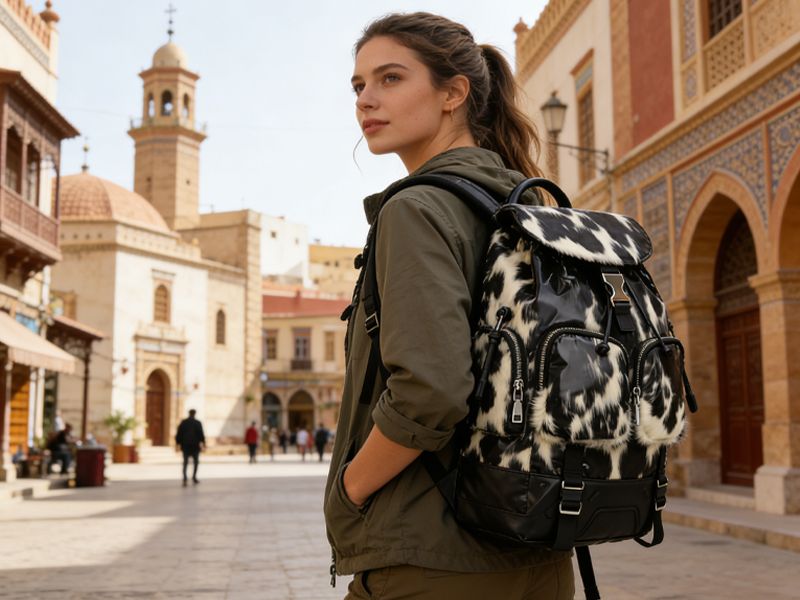
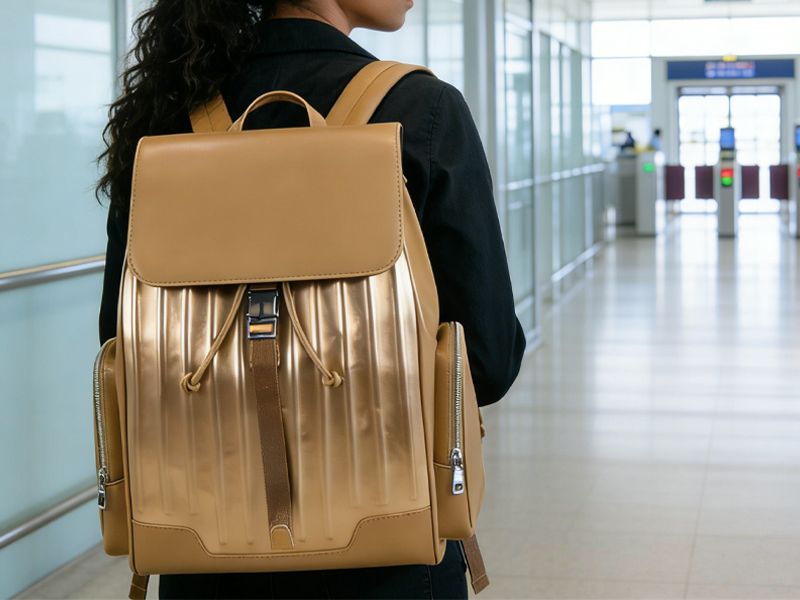
For travel and commuting categories, functionality, compliance, and resilience lead purchasing decisions. Backpacks within the 25L–30L range fit seamlessly within most airline carry-on regulations while offering more room for laptops, clothes, and personal items.
A well-structured travel backpack includes:
- Quick-access pockets for passports and chargers
- Laptop sleeves compliant with airport security checks
- Durable zippers and water-resistant coatings for travel durability
In the B2B supply, such products serve diverse sectors from corporate travel programs to hotel merchandise partnerships. Procurement managers should verify size compliance, particularly for budget airlines, to avoid post-purchase inefficiencies or end-user dissatisfaction.
Carry-On Backpack Specifications for Bulk Corporate Orders
Carry-on compliance has become a defining factor in this segment. Backpacks that exceed typical airline size limits (many uses roughly 22″ × 14″ × 9″) risk being forced into the “checked luggage” category. This changes consumer perception and adds a hidden logistics cost for buyers.
If you’re a distributor or brand buyer, focus on backpacks designed for carry-on. A well-balanced 25 L model might carry clothes, electronics, and essentials efficiently, and that functionality is a strong marketing point.
Features like anti-theft compartments, reinforced zippers, trolley sleeves (for sliding over rolling luggage), and hidden pockets make the difference.
Durable materials aren’t optional. The travel backpack must endure rough handling by airports, airports’ conveyor belts, taxis, and buses. Heavy-duty nylon, water-resistant coatings, and high-quality zippers are features that give your retailers something to sell with confidence. For sales pitches, these are tangible talking points, and for B2B channels, they drive conversion.
Multi-Purpose Backpacks Optimized for B2B Procurement
Daily and multi-purpose backpacks remain a core category for corporate and distributor procurement.
Retailers benefit from offering modular or hybrid models that transition between urban and outdoor use, maximizing stock-keeping unit (SKU) flexibility across markets.
How Travel and Commuter Backpacks Drive Commercial Value
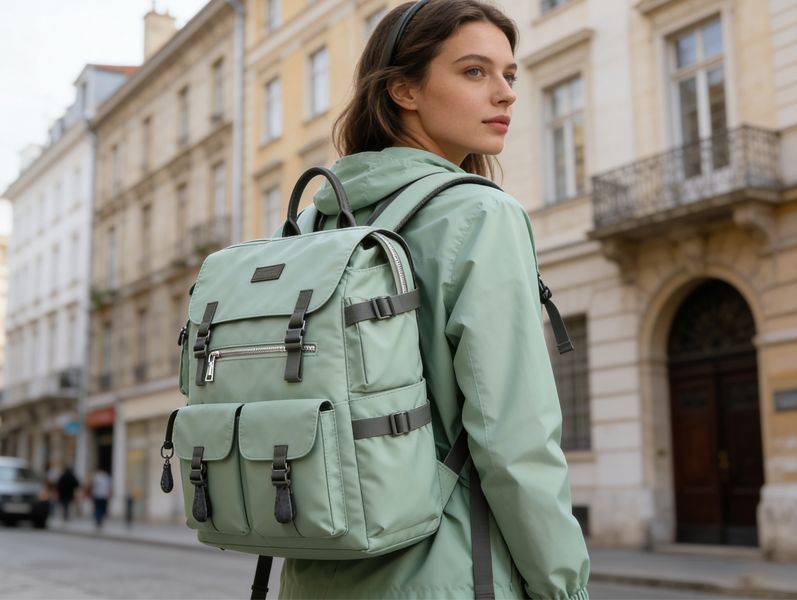
Travel and commuter backpacks have become a strategic product category for procurement teams. As a B2B buyer, you need to track how mobility requirements impact specifications and bulk purchasing decisions.
Organizations now need versatile bags. These backpacks must carry laptops, large textbooks, power banks, documents, and other essentials. Further, it pushes demand toward multi-function, structured, and tech-ready backpack designs.
Market data shows that travel and commuter models sell faster and deliver higher margins than other categories. Procurement teams consider this segment a priority. It improves ROI, product turnover, and category profitability.
Choose backpacks with reinforced laptop compartments, slim profiles, and quick-access pockets. This increases inventory value. These features also make it easier to scale orders, support premium pricing, and reach high-margin B2B sectors. These sectors include corporate gifting, employee gear, hospitality, institutional supply, and retail merchandising.
In short, the travel and commuting backpack isn’t another SKU. It’s a strategic product that bridges many markets. And for B2B buyers, getting the specification right means less risk, higher margins, repeat orders, and stronger brand relationships.
How to Match Backpack Size to Commercial Use Cases

How to Match Backpack Size to Commercial Use Cases
One wrong choice, and your procurement is messy, inventory is off, and employees or clients aren’t happy. Different commercial use cases need tailored approaches. The strategies must ensure the backpacks meet operational requirements while maximizing ROI.
For Retailers & B2B Resellers
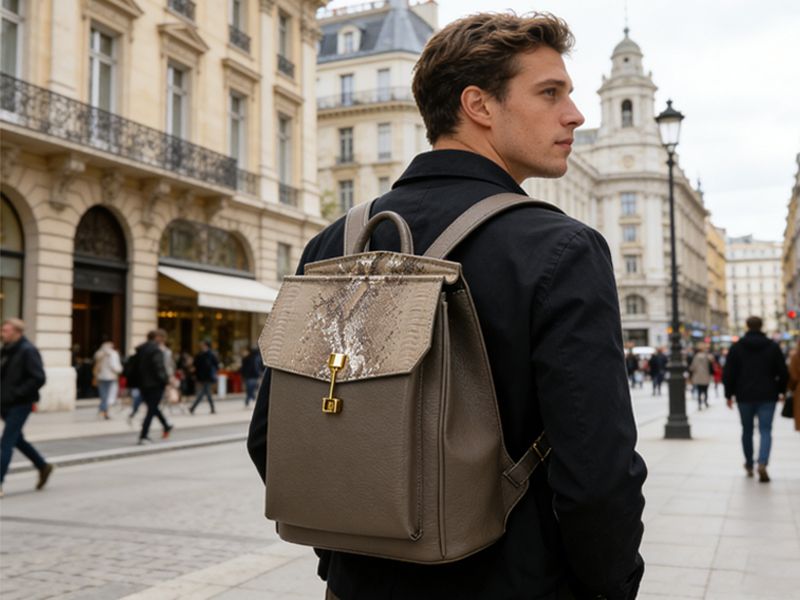
Retailers and resellers must identify the top-performing size categories to optimize their product lines. Small backpacks, under 15–20L, excel as promotional items or low-cost retail SKUs. On the other hand, medium-sized backpacks in the 20–30L range offer versatility for corporate gifting, business travel, and hybrid work setups.
Segmenting products by volume helps retailers build balanced assortments. It also supports steady turnover and reduces unsold stock. Matching capacity with features improves sell-through and lowers inventory risk.
For Corporate Procurement Teams
Corporate procurement focuses on aligning backpack size with employee requirements and departmental functions. Standardizing sizes across teams simplifies bulk orders and reduces mismatched supplies. Also, it ensures consistent usability.
Medium backpacks with laptop sleeves and organized compartments fit most office roles. Field teams may need slightly larger sizes to carry extra gear.
Using standard volumes also supports onboarding kits and travel programs. HR and operations teams distribute equipment and manage programs with accuracy.
For Industrial and Field Operations
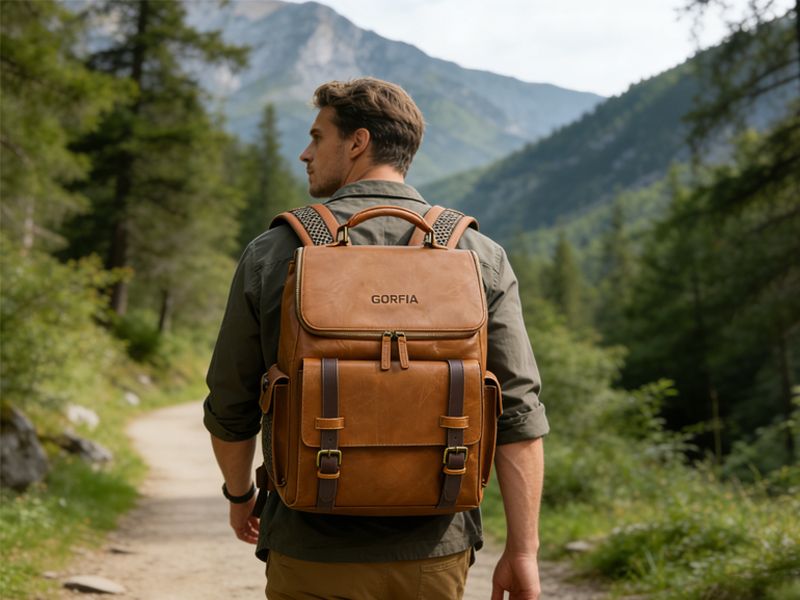
Backpacks for industrial, medical, or field operations must match the specific equipment load of employees. Larger capacities, 25L and above, provide enough room for tools, safety gear, or technical devices.
Ergonomic considerations, such as padded back panels, adjustable straps, and load distribution systems, are crucial to prevent strain during prolonged use. Durable materials, weather resistance, and task-specific compartments further support safety and productivity.
By matching backpack volume to commercial use cases, B2B buyers make informed decisions. This approach improves procurement efficiency, boosts operational performance, and supports profitable product strategies across retail and corporate sectors.
FAQs
How can a backpack sizing guide support inventory planning and bulk purchasing?
A backpack sizing guide helps B2B buyers align liter capacity with real demand.
- Small backpacks suit high-volume promotional orders
- Medium backpacks fit employee kits and core inventory
- Large backpacks support fieldwork and travel programs
This size-based approach improves planning accuracy, reduces overstock, and prevents supply gaps.
What features increase resale and usability for corporate buyers?
Features like quick-access compartments and extra spaces improve functionality. Side pockets enhance usability, supporting corporate programs and resale potential.
Are medium backpacks ideal for most business applications?
Yes. Medium backpacks balance capacity and portability. They fit daily essentials, light clothing, and extra gear for corporate programs.
Why consider material and durability for bulky items?
Durable fabrics like nylon or polyester reduce returns and improve product lifespan. They maintain quality even under frequent use in corporate or retail settings.
How do I select backpacks for corporate gifting programs?
Smaller or medium 25L backpacks are cost-effective and practical. They carry daily essentials and present well in branded programs. This further ensures positive client perception.
How do I prevent issues with airline compliance for corporate travel backpacks?
Check carry-on dimensions against budget airlines and most carriers. Proper sizing avoids checked luggage fees and maintains convenience for end users.
Key Takeaways for B2B Buyers
Backpack procurement can feel complex. It comes down to knowing what your team, clients, or end users need. Then, make smart decisions that set your business apart.
Small backpacks aren’t only a trending product. They’re a practical solution for modern work, travel, and everyday challenges.
Choose the right size, useful features, and good quality. This helps end users who rely on your backpacks. And when you team up with the best manufacturer, you gain not only products. They tailor partnership and expertise to help you grow, adapt, and succeed in a fast-changing market.
Looking Forward to Stocking the Best Small Backpacks for Your Business?
It is the perfect time to update your backpack lineup. Staying competitive in the travel and lifestyle market depends on it. These compact designs fit employee kits, corporate gifts, retail programs, and field use. Their size, cost efficiency, and versatility make them a reliable choice for B2B buyers.
Partnering with the right manufacturer ensures your product line meets commercial requirements while remaining globally appealing. At Gorfia, we provide solutions designed for B2B decision-makers.
We provide support in procurement and product development decisions, as well as managing bulk manufacturing. Contact us now and let us help you streamline inventory management and seasonal campaigns.