
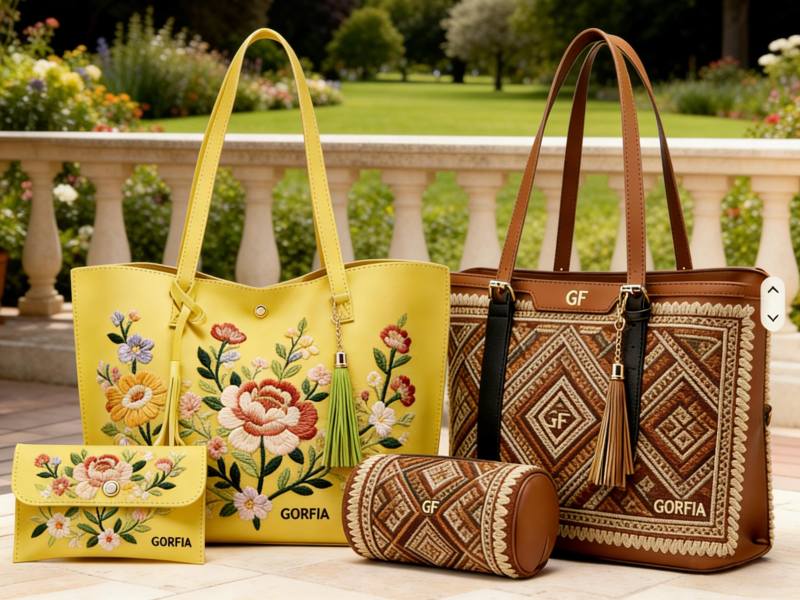
Choosing the right materials for commercial bag embroidery does more than complete an order—it builds your reputation. Your decisions on fabric, embroidery stabilizer, and embroidery thread affect how long a product lasts. They also influence customer satisfaction and your relationships with retail partners.
Before diving into the essential materials, let’s break down the key elements of commercial-grade embroidery for bags. This foundation will guide you as you approach bag embroidery projects of any scale or market.
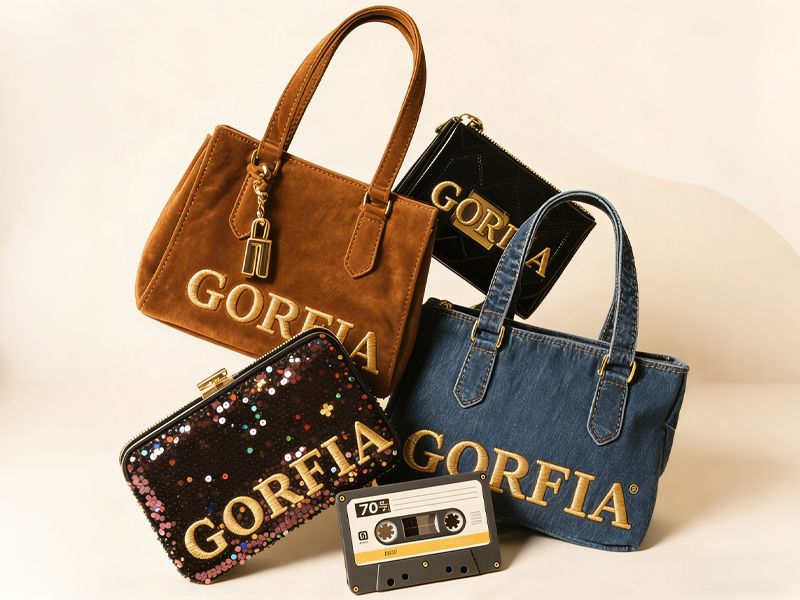
Choosing Bag Fabrics for Embroidery: Canvas, Polyester, Nylon, and PU Leather
Your bag embroidery’s success starts with the fabric. Each material works differently with the embroidery needle and embroidery thread, which directly affects durability, cost, and final appearance. For commercial bag embroidery, this choice also impacts lead times, wash-test results, and customer satisfaction.
Choosing the best fabric is both a technical and a business decision. Material expertise turns your specifications into clear, calculable advantages—especially when working with thick or structured bag fabrics in large production runs.
| Material | Best For | Key Advantage for Embroidery | Primary Business Outcome |
|---|---|---|---|
| Canvas | Promotional tote bags, reusable retail bags, and uniform programs. | Coarse, woven texture grips embroidery thread tightly, making it suitable for thick fabric embroidery with high abrasion resistance. | Lowest cost-per-use. Withstands 50+ industrial washes, maximizing ROI on high-volume orders. |
| Polyester | Branded outdoor backpacks, travel duffels, and gear. | Superior colorfastness; resists fading from UV exposure and washing, making it ideal for polyester embroidery thread applications. | Guaranteed color consistency. Maintains >95% Pantone accuracy across batches for unified brand presentation. |
| Nylon | Performance sports bags, travel luggage, and outdoor lines. | High water resistance and strength-to-weight ratio. Requires specialized embroidery stabilizer to support multi-layer bag panels. | Preserves functionality. Maintains embroidery integrity while preserving water resistance, lowering returns. |
| PU Leather | Premium accessories, luxury handbags, and designer collections. | Provides a uniform, luxury surface for high-end aesthetic appeal, allowing controlled stitch placement and consistent stitch density. | Elevates brand positioning. Supports higher retail pricing by enhancing product value. |
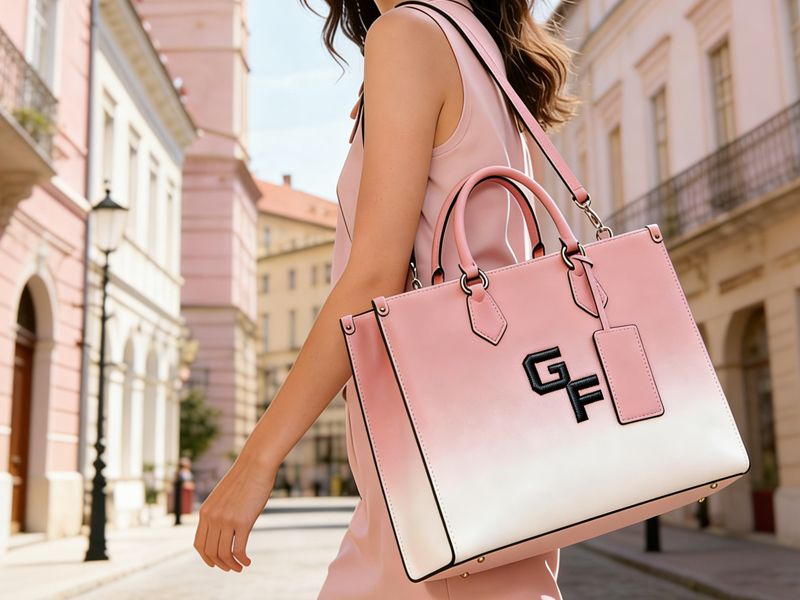
Stabilizers and Backing Options for Structured Bag Fabrics
Your fabric choice is crucial, but the embroidery stabilizer ultimately determines final embroidery performance. This hidden layer locks stitches in place during commercial bag embroidery, preventing puckering, distortion, and premature wear. A poor stabilizer choice increases defect rates, rework, and material waste.
The four primary embroidery stabilizer types serve different purposes depending on fabric structure and stitch density. Knowing when to use each one ensures embroidery holds up under real-world use and repeated washing.
The comparison below outlines how each embroidery stabilizer and backing option affects durability, production efficiency, and long-term business outcomes. Use it to select the right stabilizer for your fabric, design, and commercial goals.
| Stabilizer Type | Best Application | Key Function | Commercial Benefit |
|---|---|---|---|
| Cut-Away | Lifestyle totes, backpacks, high-stress areas (straps, bottoms). | Permanent, non-woven backing for continuous support. | Maximizes longevity. Reduces logo degradation by 60% to lower warranty claims. |
| Tear-Away | Small logos on rigid, non-flexing panels (e.g., leather accessory tags). | Temporary, stiff backing removed after stitching. | Reduces material cost. Ideal for simple designs where permanent support isn’t needed. |
| Heat-Activated Adhesive | Bag linings: applications where thread unraveling is a concern | Mesh/film is ironed onto stitches to seal thread ends. | Protects brand reputation. Virtually eliminates complaints about loose threads, safeguarding perceived quality. |
| Foam Backing | Premium collections where enhanced tactile value is key. | Compressible layer for raised, 3D puff embroidery. | Enables a price premium.Adds 15-25% retail markup via standout, tactile logos. |
Cut-Away Stabilizer
Cut-away stabilizer provides permanent support for thick or structured bag fabrics, making it the most reliable choice for backpacks, lifestyle totes, and high-stress areas such as straps and reinforced bottoms. Because it remains in place after stitching, it helps maintain stitch density and prevents long-term logo distortion.
Tear-Away Stabilizer
Tear-away stabilizer is a temporary embroidery stabilizer best suited for small logos on rigid, non-flexing panels, such as leather tags or structured accessory components. It is removed after stitching and works best when embroidery density and stress levels are low.
Heat-Activated Adhesive Backing
Heat-activated adhesive backing is commonly used on bag linings or interior panels where loose thread ends are a concern. This adhesive embroidery backing bonds to the stitched area after embroidery, sealing thread ends and reducing the risk of unraveling during use or washing.
Foam Backing
Foam backing is used for premium designs that require raised or dimensional effects, such as 3D puff embroidery. This compressible embroidery backing adds visual impact and tactile depth, making it popular in high-end bag collections where differentiation supports higher retail pricing.
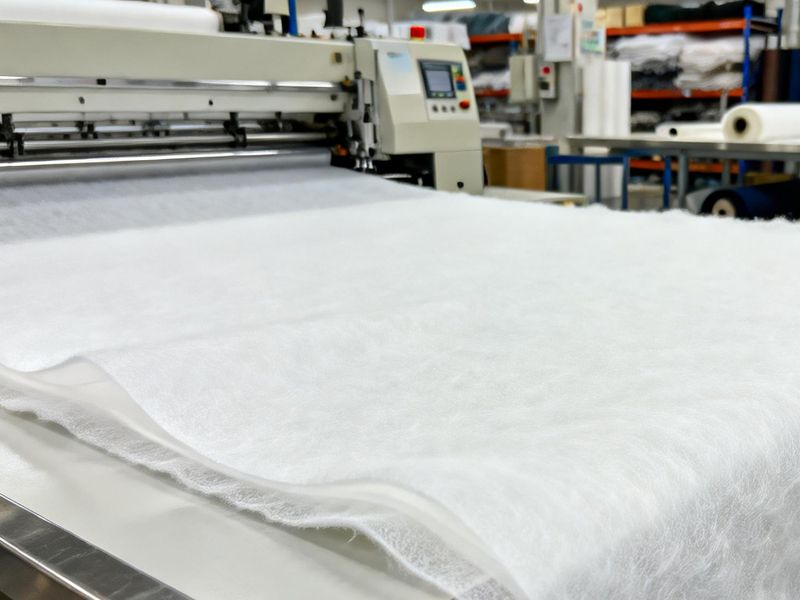
Key Technical Considerations for Embroidery Stabilizers
- Weight Matching: Embroidery stabilizer weight must match fabric density, especially for multi-layer bag panels.
- Adhesive Compatibility: Some adhesive backings require specific hooping or heat-press methods.
- Wash Testing: Always validate stabilizer performance with 5+ wash cycles before production approval.
- Cost Analysis: Factor embroidery stabilizer costs into per-unit pricing early to avoid margin erosion.
The right embroidery stabilizer is critical to consistent embroidery quality. It ensures finished bags withstand daily use, repeated washing, and long-term handling without stitch failure—helping products meet durability standards batch after batch.
Thread and Needle Selection for Bag Embroidery
With fabrics and stabilizers specified, the thread and needle execute the design. These consumables directly influence durability, appearance, and production efficiency. Choosing the wrong combination leads to thread breaks, needle damage, and inconsistent stitching. This specification is a critical quality control point. It impacts both costs and the final product’s integrity.
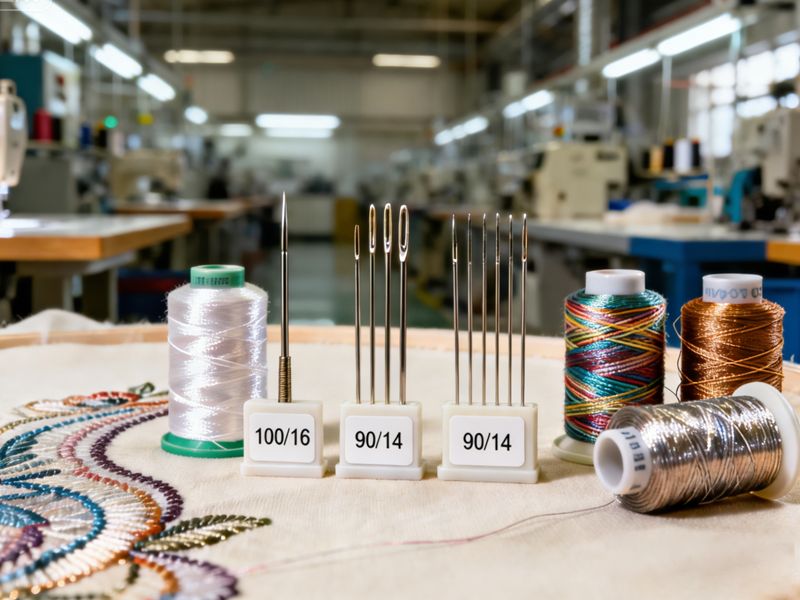
In professional manufacturing, threads are categorized by specific applications. This ensures optimal performance. The selection logic is based on material science and end-use requirements:
| Component | Type / Fabric Application | Key Property & Use Case | Business & Quality Impact |
|---|---|---|---|
| Thread | Polyester | High strength and UV resistance The standard for outdoor bags, backpacks, and luggage is facing the sun and wear | Ensures logo longevity in harsh conditions, reducing fade-related returns. |
| Rayon | High-sheen luster. Used for premium collections, evening bags, and leather accessories where visual appeal is primary. | Elevates perceived value, supporting higher price points in luxury segments. | |
| Metallic & Specialty | Decorative finish for detailing. Requires adjusted machine tension. | Enables limited edition and feature designs for seasonal or high-impact collections. | |
| Needle | Canvas & Heavy Fabrics | Size 100/16 sharp point. Penetrates dense weaves cleanly without deflection. | Prevents fabric damage and maintains stitch consistency on tough materials like canvas. |
| Polyester & Nylon | Size 90/14 ballpoint. Separates synthetic fibers without cutting them. | Avoids snags and runs in technical fabrics, preserving material integrity. | |
| PU Leather & Coated Materials | Size 90/14 wedge point. Creates a clean puncture rather than cutting. | Prevents unsightly perforations and preserves the waterproof backing of coated materials. |
Critical Implementation Notes:
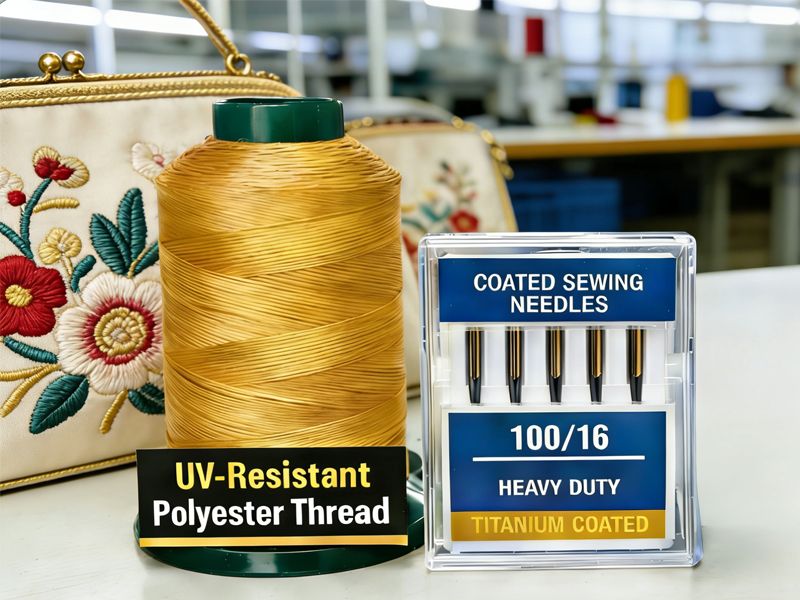
Quality Assurance: Rigorous, BSCI-certified sourcing is essential. Supplier audits for color-lot consistency prevent shade variations in large runs. This protects your brand’s uniform look.
Maintenance: You must replace needles on a strict schedule. This prevents burred needles from snagging thread and blunt tips from damaging fabric. Consistent replacement ensures steady, high-quality output.
Synergy: The right pairing improves results. For example, UV-resistant polyester thread with coated needles minimizes breaks and downtime. This leads to higher yields and consistent product quality.
Machine Embroidery Considerations for Bags
The final step turns your material choices into a finished product. Thread and needle selection start the process, but machine setup decides the final quality. Industrial embroidery on structured bags has unique needs. Standard home equipment can’t handle these challenges.
Hooping Methods for Irregular Bag Shapes
Bags are three-dimensional objects with structured parts. Standard flat hoops cannot accommodate handles, straps, or padded areas without distorting. This means you need specialized methods.
Professional manufacturers use clamping frames and adhesive-backed stabilizers. This secures the bag sections during embroidery. It keeps the fabric safe during high-speed stitching. Proper hooping stops misaligned logos and uneven stitches.
You need production lines with customized hooping solutions for this. This specialization guarantees consistent logo placement for any order size. This precision is essential. It protects your brand standards across all wholesale and retail products.
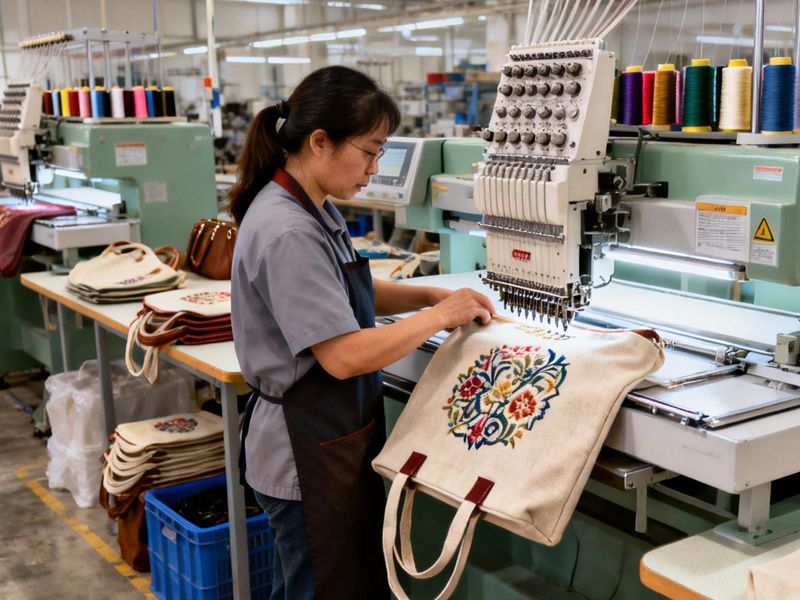
Adjusting Machine Settings for Different Materials
Every fabric needs specific machine settings. Using the same settings for everything leads to inconsistent results. You must adjust thread tension, stitch density, and speed to match the material’s properties.
For example, canvas needs higher tension and a slower speed than lightweight nylon. These specific adjustments prevent common problems. They stop thread breaks, fabric puckering, and needle damage. This turns a design concept into a durable, ready-to-sell product.
Getting this right for large orders requires a documented, step-by-step system. This is the value of an ISO-certified production process. It records and repeats every setting for each material. This systematic approach guarantees the same high quality for all products. It keeps your lifestyle bags and specialty collections perfectly consistent.
The Critical Role of Testing and Sampling
Moving from design to production requires validation. Comprehensive testing identifies compatibility issues before full-scale manufacturing begins. This prevents costly errors and protects your investment.
Professional sampling includes multiple checkpoints:
- Stitch formation verification
- Wash and durability testing.
- Color consistency validation
- Stress point examination
A strict, consistent protocol turns your design into a real product. For lasting partnerships, this means keeping physical reference samples for every project in a dedicated space.
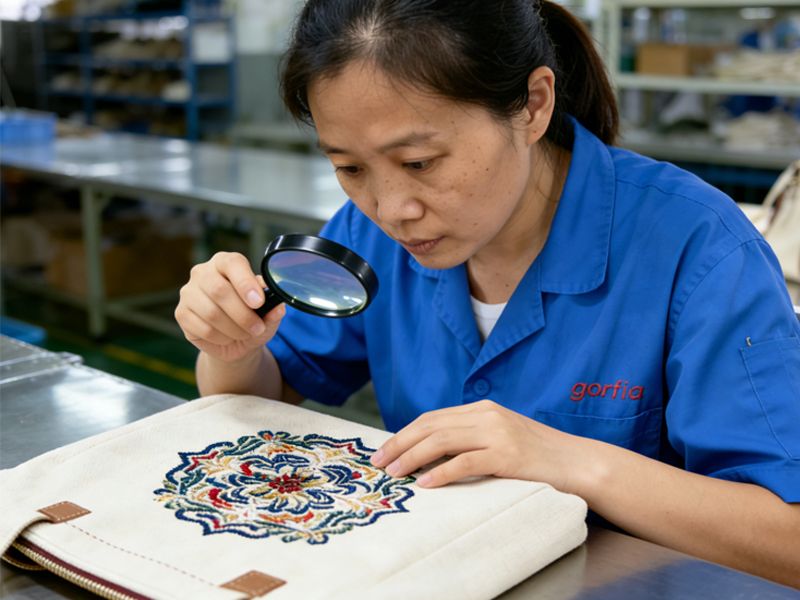
These archived samples become the master guide. They ensure color and construction remain consistent across every production batch. This is true even for orders placed months or years apart. This disciplined quality assurance method protects your brand’s investment by preventing costly errors and variations.
Production Efficiency at Scale
Transitioning from sample to bulk production requires operational precision. Industrial embroidery machines operate at much higher speeds than consumer equipment. This efficiency demands synchronized processes and preventive maintenance.
Key production practices include:
- Regular needle and component replacement schedules
- Automated quality checkpoints during runs
- Batch consistency monitoring systems
- Proactive maintenance to prevent downtime
A true production system scales these disciplined practices without losing quality. High-volume output relies on this complete framework. It ensures efficient scaling from prototype to full production. This safeguards the craftsmanship needed for premium goods like leather.
Machine setup turns materials into finished products. All elements—fabrics, stabilizers, threads, and needles—must work with calibrated equipment. The result is commercial-grade embroidery. This precision ensures every bag meets your brand standards and withstands years of real use.
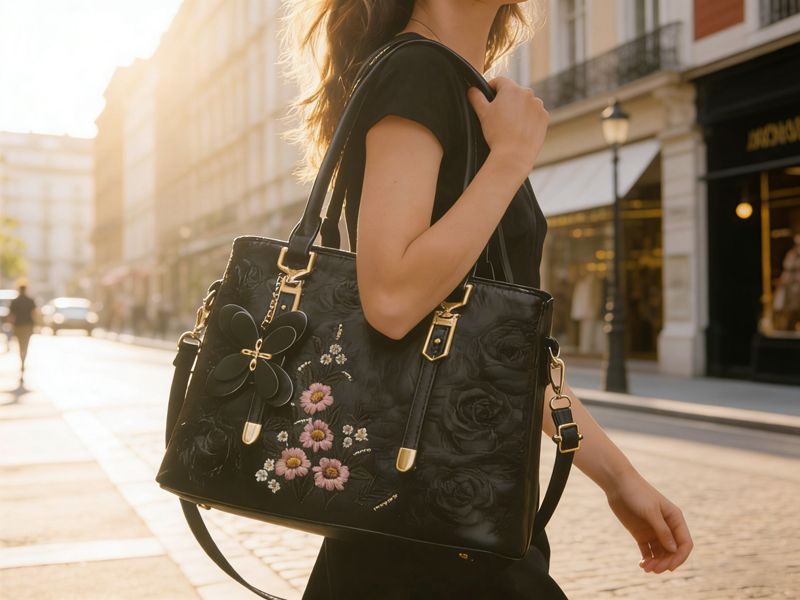
Practical Tips for Customizing Embroidered Bags
Technical knowledge creates value through strategic application. These practical insights translate embroidery fundamentals into clear business advantages. The focus is on execution that supports brand growth. It also ensures lasting product longevity.
Tip 1: Plan Design Placement for Visibility and Durability
Balance visual appeal with physical durability. Front-facing positions maximize visibility. Areas near straps or seams need reinforced techniques to prevent early wear. Analyzing your bag’s construction finds the optimal placement. This protects your branding investment. It ensures logos stay clear and intact for years of use.
Tip 2: Layer Techniques for Premium Value
Add leather patches or metal hardware to complement embroidery. This layered approach adds real depth and texture. It justifies higher prices. Products with combined branding see 20-30% higher perceived value. This positions them strongly in competitive premium markets.
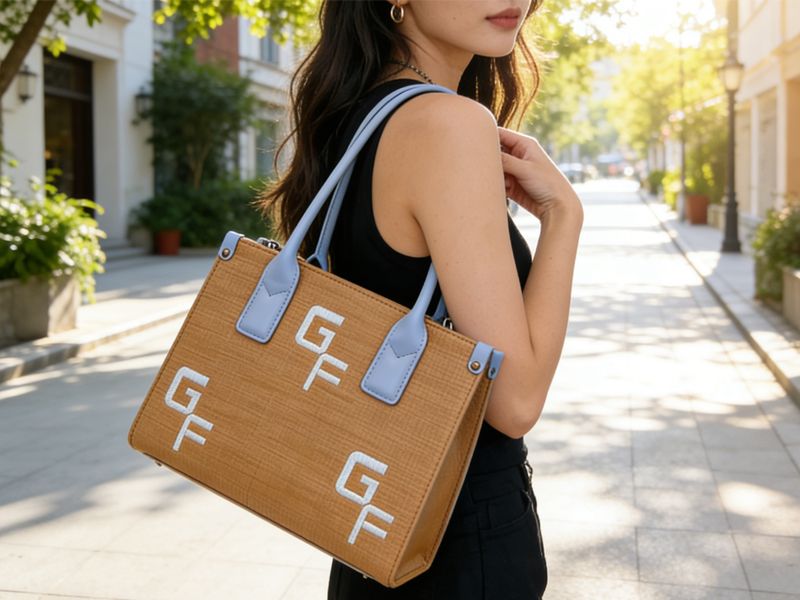
Tip 3: Develop Systems for Brand Consistency
Set clear rules for thread color, stitch density, and logo placement. A unified system keeps your brand instantly recognizable. It also meets different production needs. This prevents a mismatched look, whether you work with one partner or several.
Tip 4: Align Materials with Customer Priorities
Match your fabric and embroidery to your market’s needs. Use tough canvas for promotions. Choose vibrant polyester for retail. Pick technical nylon for performance gear. Opt for precise PU leather for luxury goods. Your choices should clearly show your customer what they value most.
Implementation Framework
Put these tips into practice with a straightforward approach:
- Audit Current Applications: Review existing embroidery across your product line
- Define Brand Standards: Document preferred techniques, placements, materials.
- Test Combinations: Validate new approaches with physical samples
- Establish Protocols: Create clear specifications for the manufacturing partners
- Review Periodically: Update standards as materials and markets evolve
This structured process transforms embroidery from ad hoc decoration into an integral brand asset. It ensures every stitched element serves both aesthetic and business purposes.
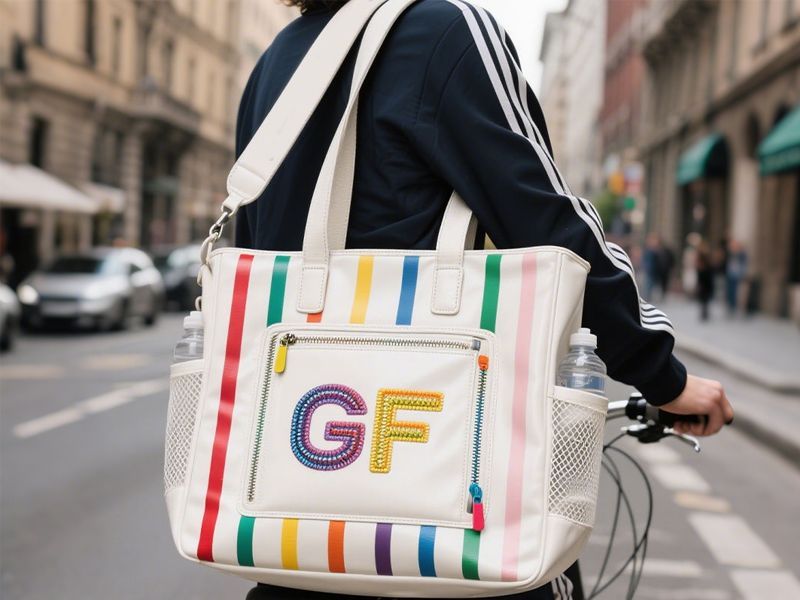
Bag Embroidery Materials FAQs
1. What is the most durable embroidery thread for bags?
Polyester thread provides the best balance of strength, UV resistance, and colorfastness for bag embroidery, making it ideal for daily and outdoor use.
2. Can you embroider on waterproof or coated materials?
Yes, but it requires specialized needles and stabilizers. This protects the material’s waterproof layer while ensuring stitches hold securely.
3. What is the typical lead time for sampling embroidered bags?
Sampling typically takes 10–15 business days. This includes fabric sourcing, test runs, and adjustments to meet the approved standard.
4. How do you ensure color consistency across production batches?
We use standardized, color-fast threads and controlled lighting for quality checks. This ensures consistent Pantone matching throughout production.
5. What’s the minimum order quantity for custom embroidered bags?
MOQs start at 100 pieces per design. This lets brands test the market while keeping production cost-effective.
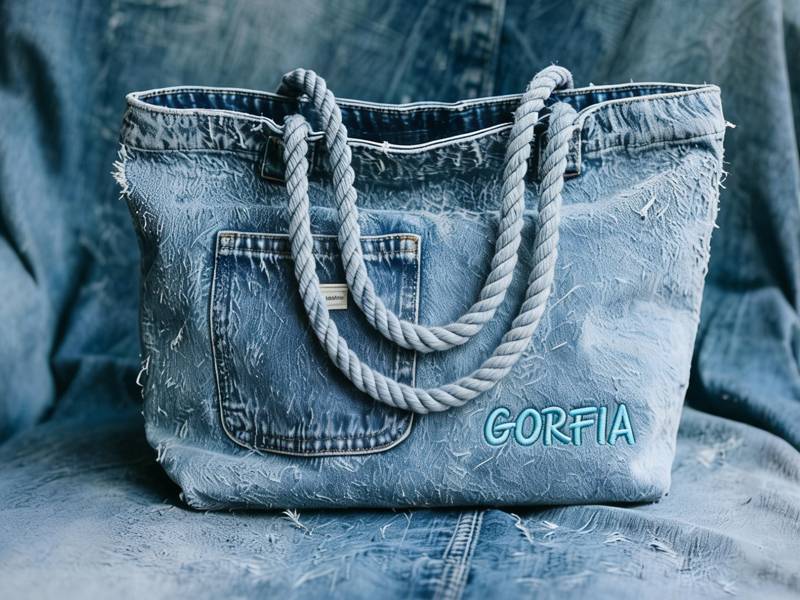
Conclusion
This guide details a technical plan for durable embroidery. It covers everything from fabric to machine settings. The results are clear and practical: stronger brand trust, fewer returns, and a better market position.
Start by reviewing your current specifications against the key points here. Next, choose one area to improve first, such as stabilizer choice or testing methods.
Precise embroidery is essential brand care. When done well, your products do more than carry items—they carry your reputation for quality.
Call to Action
Your embroidery should reflect your brand’s commitment to quality. At Gorfia, we blend technical expertise with practical strategy. We ensure your vision is realized with precision and durability.
Whether you’re refining an existing line or launching a new collection, our team can help. Together, we navigate material, stability, and production choices. This partnership is designed to meet your specific commercial goals. Discuss your projects with our experts today.