
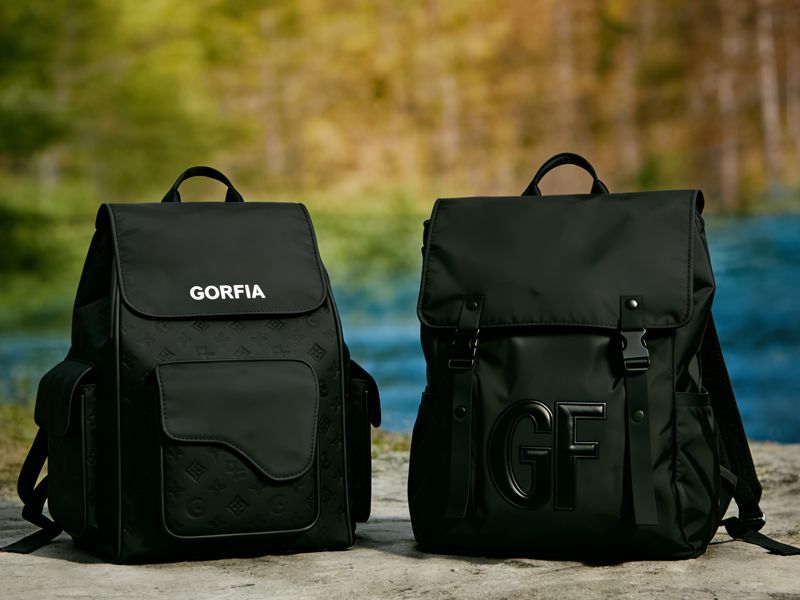
Choosing ballistic nylon for travel/backpack isn’t just about picking a strong fabric—it’s about getting the specifications right. In real production, most costly failures don’t come from the material itself, but from mismatched denier, coatings, and reinforcement choices. These issues affect durability, cost, warranty risk, and manufacturing efficiency.
At Gorfia, we’ve seen this pattern hundreds of times: wrong specs cause more problems than the fabric ever does. We don’t just share best practices—we apply them across every project to ensure smooth production and reliable end products.
In this guide, you’ll learn how to select ballistic nylon specifications, including common sourcing pitfalls, how to choose the right denier for different travel bags, and how to avoid expensive manufacturing mistakes before sampling even begins.
First, let’s start by understanding what ballistic nylon fabric is and why it matters in travel gear production.
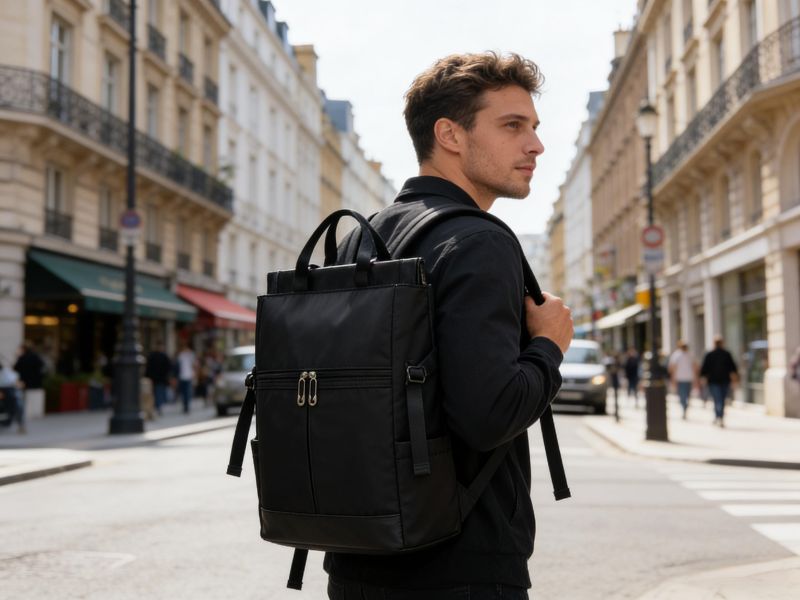
What Is Ballistic Nylon Fabric—Why Does It Matter for Travel Bag Production?
Ballistic nylon started as a military material, originally developed for World War II flak jackets. The name stuck, and so did its reputation for durability.
The fabric uses a basket-weave structure, meaning yarns are woven over and under each other in groups rather than individually. This creates a thicker, more secure, and more abrasion-resistant material than standard plain-weave nylon.
In travel gear production, this woven style offers excellent resistance to the scrapes, drops, and rough handling that luggage is exposed to, especially during long trips.
But durability alone doesn’t make a smart manufacturing choice. The real question is whether ballistic nylon’s benefits outweigh its costs for your specific production setup and market position.
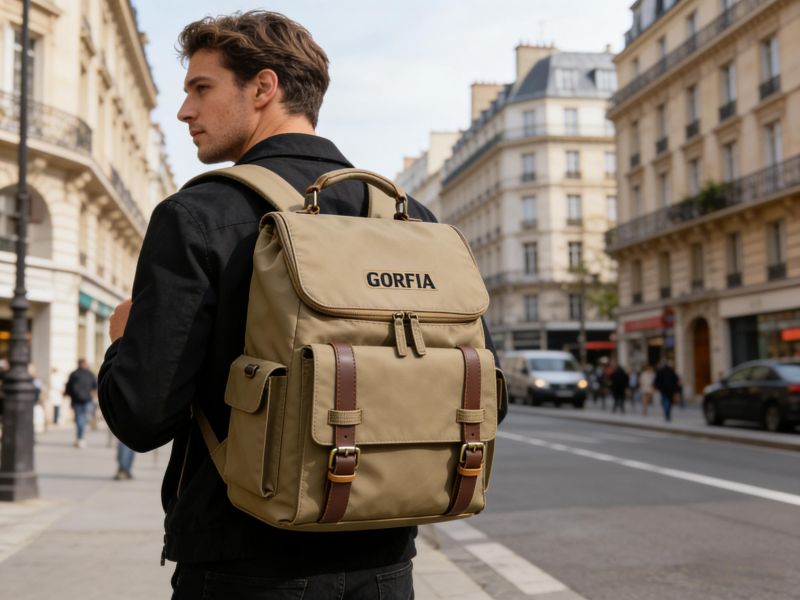
Major Problems in Ballistic Nylon For Travel Bag Production
Most material failures don’t happen because of the fabric itself. They happen because of specification mismatches between what you order and what your production process actually needs.
Here are six common areas where things can easily go south when using ballistic nylon in making an everyday carry-on:
1. Denier Confusion and BOM Escalation
Let’s start with denier.
In simple terms, denier is a measurement of yarn thickness. The higher the denier, the thicker and heavier the yarn, and the heavier your finished bag.
Ballistic nylon is commonly available in 525D, 840D, 1050D, and 1680D. It’s tempting to think “higher is better,” but that’s not always true in manufacturing.
If you specify 1680D for a mid-tier commuter bag, you’ll get a product that’s tough, heavier, more expensive to ship, and slower to sew. Needle wear increases, and your BOM (bill of materials) cost goes up.
If your retail price can’t absorb these costs, your profit shrinks.
So, before you lock in a denier, ask yourself: What’s the real use case? Does this bag need to survive baggage handlers, or is it for lightweight everyday carry?
Matching denier to your channel and price point can prevent unnecessary cost escalation.
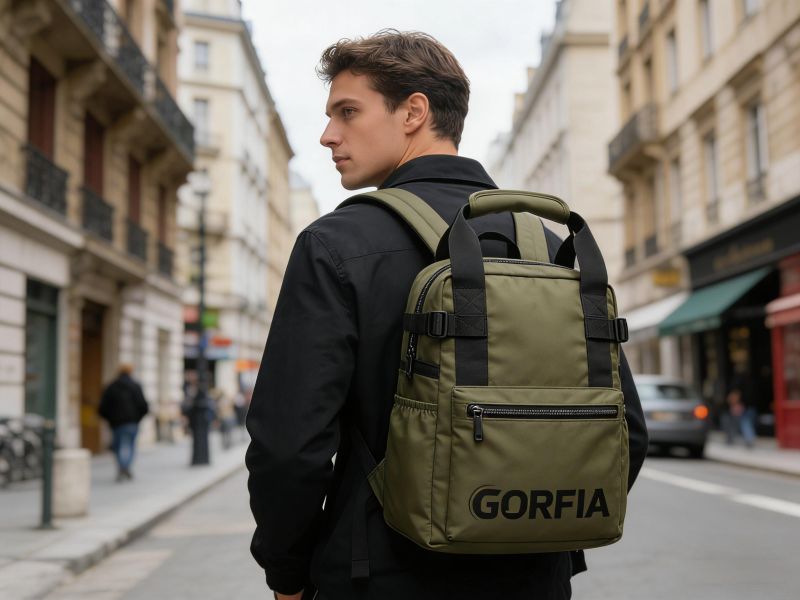
2. Weave Structure and Seam Stress
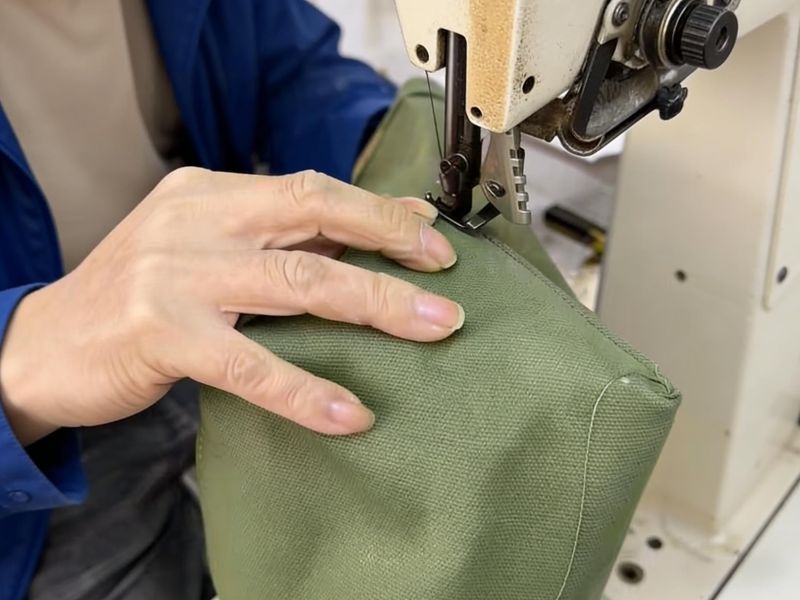
Ballistic nylon uses a basket-weave, a crisscross pattern that enhances abrasion resistance and structural stability. This is great for durability, but it also makes the clothing thick and stiff. When you fold it for stitching, especially at corners or stress points, you end up with bulky seams.
If you don’t adjust stitch density or reinforce those seams, you risk fraying, weak zipper bases, and premature wear at handles, pockets, and wheel housings.
High-stress areas in travel gear include the corners of carry-ons, wheel housing joins, shoulder strap anchors, and top handles. Ballistic nylon alone won’t solve stress problems. You need proper seam reinforcement, backing patches, and thread strength that matches the fabric’s bulk.
If you overlook these details, quality issues will likely show up after thousands of units are already in the field.
3. Coatings, Waterproofing, and QC Gaps
You market “water-resistant ballistic nylon,” but most coatings degrade within a year, while the bag itself lasts five years or more. Retailers often get reviews like “the bag looks fine, but it no longer repels water like it did when new” from their customers, especially business travelers.
Ballistic nylon is abrasion-resistant, but it’s not waterproof by default. To achieve water resistance, you’ll need to apply coatings such as PU (polyurethane), PVC, or DWR (durable water repellent). Each adds cost and complexity.
If you promise waterproof performance but skip seam taping or welded seams, water will find its way in through stitch holes.
The problem often starts with incomplete specifications. Ordering “PU-coated ballistic nylon” without specifying coating thickness or adhesion requirements leaves too much room for supplier variance. One batch arrives with a coating that cracks during sewing. Another batch’s coating peels after six months of customer use.
If you’re experiencing coating-related quality issues (or to prevent them), consider adding these requirements to your supplier specifications:
- Minimum coating thickness in microns
- Crosshatch adhesion test results
- Flexibility ratings that indicate how the coating handles sewing stress
4. Weight vs. Performance Trade-Offs
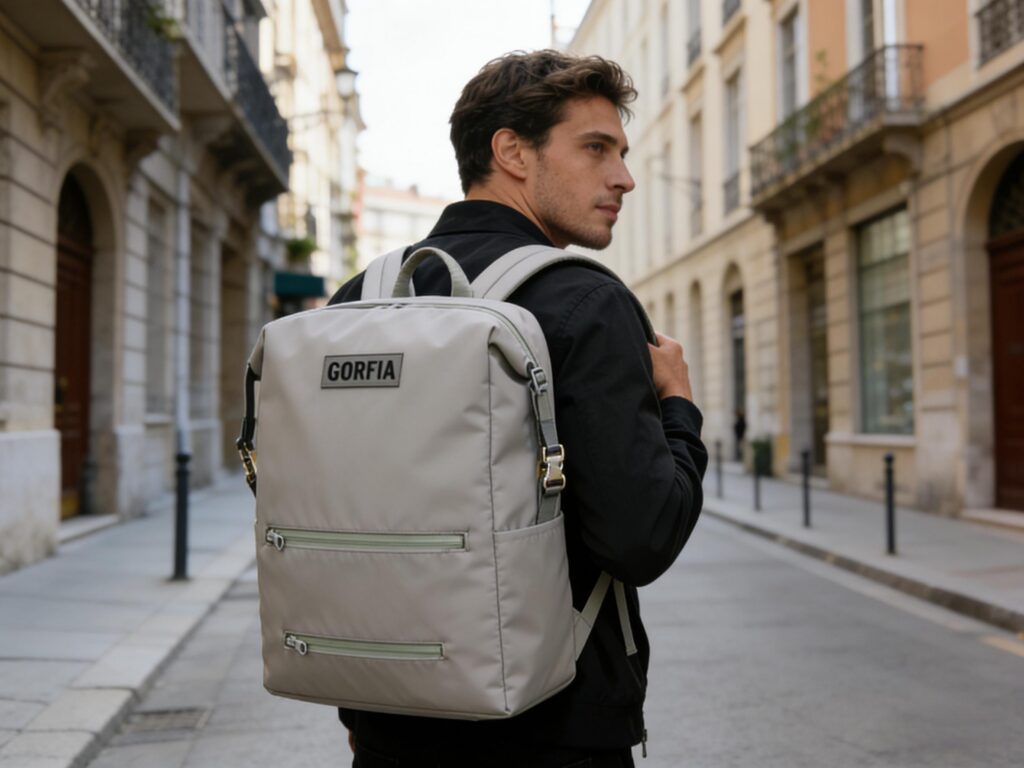
Ballistic nylon is strong, but it’s also heavy.
Heavier fabric means heavier bags, higher shipping costs, and a greater risk of exceeding airports’ weight limits.
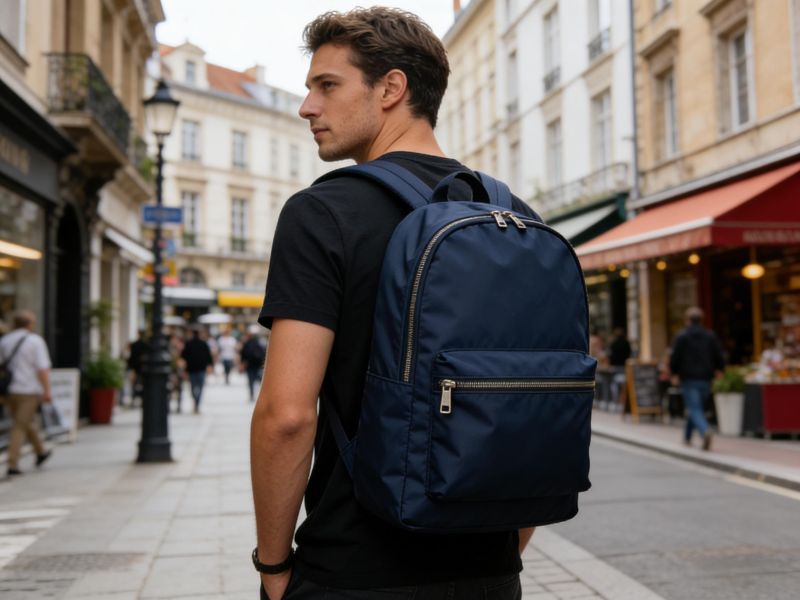
For checked luggage or heavy-duty duffels, this might be fine. But for carry-ons or commuter packs, particularly on short trips, extra weight can be a deal-breaker for your customers.
Ask yourself: Is the luggage meant for carrying heavy belongings, extended travel, or basic lightweight mobility?
If your customer travels frequently and values light carry, over-specifying fabric thickness may reduce satisfaction rather than improve it.
5. Hardware and Reinforcement Requirements
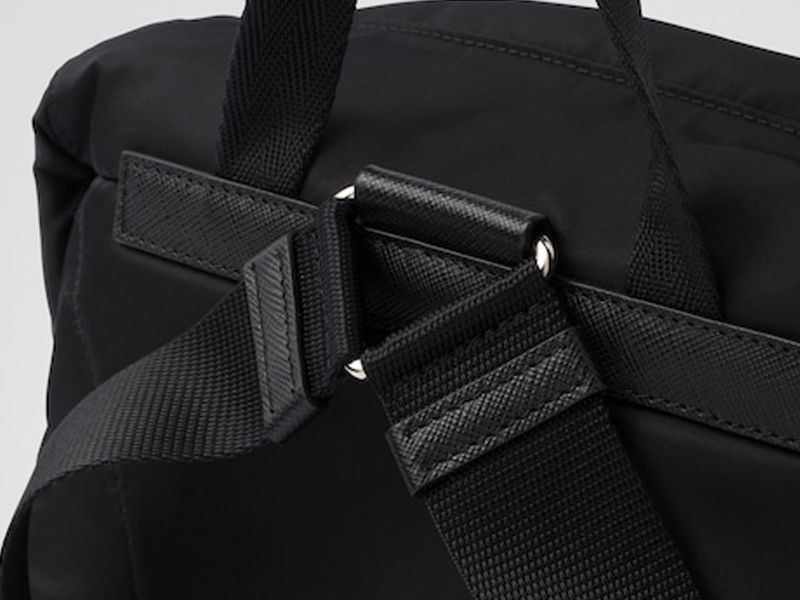
When fabric is extremely durable, stress concentrates at attachment points over time.
The zippers don’t get stronger just because the surrounding fabric does. Neither do the stitching points where compression straps and handles connect to the bag exterior.
Ballistic nylon is only as strong as its weakest point. If you upgrade the fabric but not the hardware, you create an imbalance. Common failure points include zippers bursting under load, wheel assemblies detaching, and top handles tearing at anchor points.
For heavy-duty travel gear, you’ll need reinforced stitching at strap anchors, double-layer backing at handle points, and heavy-duty zippers rated for high-cycle use. Skipping these reinforcements often results in warranty claims and retailer complaints.
6. Overengineering for the Wrong Channel
Ballistic nylon has a premium reputation, but not every SKU needs it.
If you’re producing entry-level wholesale luggage, adding 1680D ballistic nylon may increase your BOM and MOQ without improving sell-through.
If your target market is price-sensitive, overengineering can make your product uncompetitive.
Before choosing ballistic nylon, consider:
- Is durability a key differentiator in this segment?
- Will customers pay for the added weight and cost?
- Are you building for long-term corporate contracts or short-cycle retail drops?
Align material selection with your business model, not just perceived quality.
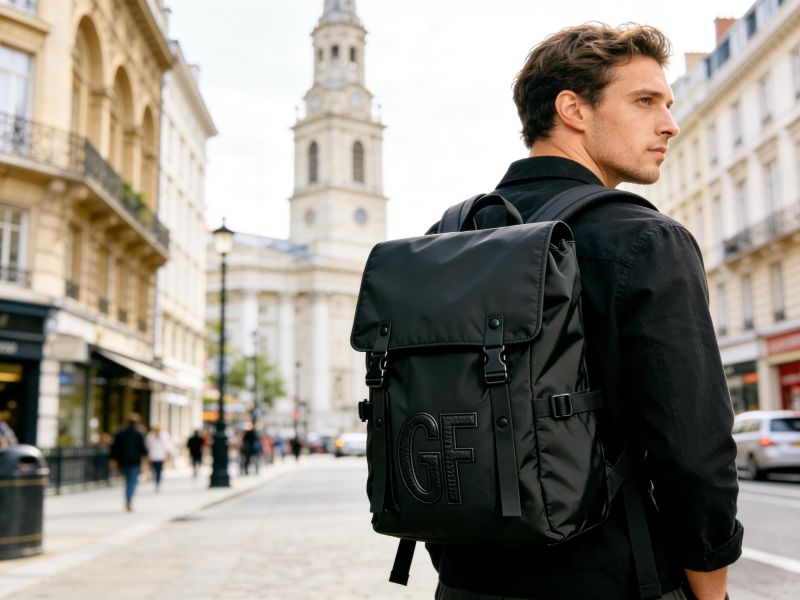
When sourcing managers compare ballistic nylon to other bag materials for a travel suitcase, the decision should focus on manufacturing costs rather than just material features.
| Material | Manufacturing Considerations | Advantages | Limitations |
|---|---|---|---|
| Ballistic Nylon | Requires sewing production infrastructure | Highly durable, abrasion resistant, consistent supplier quality | Heavier than many fabrics, requires reinforcement at attachment points |
| Leather | Requires skilled craftsmanship and strict QC | Premium look, high perceived value | Higher cost, scratch complaints, variable quality |
| Polycarbonate | Requires molding equipment rather than sewing | Impact-resistant hard shell, modern-style aesthetics | Different production setup, less flexible storage |
Choosing the Right Ballistic Nylon For Luggage Production
Aside from denier selection, several specification details commonly cause manufacturing issues when they’re not properly defined.
So which denier is best for your travel bag?
Ballistic Nylon Denier Comparison for Business Travel Bag Manufacturing
| Denier Grade | Best Use Case | Key Advantages | Trade-Offs |
|---|---|---|---|
| 525D – 840D | Lightweight carry-on bags, laptop sleeves, interior compartments | Lighter weight, lower material cost, faster sewing speeds | Lower abrasion resistance, requires careful operator handling |
| 1050D | Backpacks, general travel bags, business travel gear | Balanced durability, widely available, compatible with most production equipment | Slightly heavier than lightweight grades |
| 1680D | Checked luggage, expedition duffles, premium travel bags | Maximum abrasion resistance, ideal for long warranties | Heavier, higher material cost, slower sewing speeds |
Weave Structure Considerations For Your Nylon Luggage
Basket-weave ballistic nylon holds its shape better than plain weave, but it creates 8-12% more cutting waste on complex patterns.
For structured bags like backpacks and laptop cases, the shape-retention benefits usually justify the increased waste. For simpler designs like duffles, plain weave might reduce costs without affecting customer satisfaction.
Important Questions to Ask Your Suppliers About Ballistic Nylon Bags
Before committing to a new supplier or modifying your specifications, consider asking:
- What are your Martindale abrasion test results for each denier grade? (Martindale testing measures how many abrasion cycles a fabric withstands before showing wear)
- What is the coating thickness range and adhesion test rating?
- What is your batch-to-batch color consistency tolerance?
- What is the lead time difference between denier grades in the same color?
Answering these essential questions helps ensure the quality of materials for your entire collection remains consistent across production runs.
If you’re not sure of these specifications, feel free to book a free consultation with our experts.
FAQs About Ballistic Nylon
What denier ballistic nylon fabric should I specify for checked luggage production?
1050D is standard for balancing durability and weight; use 840D for incredibly lightweight carry-ons and 1680D for heavy-duty checked bags.
Why do ballistic nylon bags still get warranty claims even with premium material?
Most claims result from attachment-point failures, not the fabric itself. Backpack straps, zippers, and handle anchors take the most stress.
How can I verify ballistic nylon quality from suppliers?
Request Martindale abrasion test results, coating thickness, and adhesion ratings; always test samples before bulk orders.
Is the water-resistant ballistic nylon coating permanent?
No—most coatings degrade within 12–24 months, even if the fabric lasts 5+ years; specify standards in contracts.
When should manufacturers upgrade to heavier ballistic nylon for luggage?
Upgrade when warranty costs exceed material upgrade cost, but address construction failures before increasing fabric weight.
Conclusion
Now you know how to avoid costly mistakes when using ballistic fabric for travel bags production. Make sure to review your ballistic nylon specs carefully before finalizing your next travel gear program. Confirm your denier matches the use case, reinforce attachment points, and verify coating standards with suppliers.
Early attention to these details helps prevent costly delays and warranty claims.
Still overwhelmed about your OEM/ODM bag manufacturing?
These customized exclusive bag designs and expert guides will help you navigate the process with confidence and bring your brand vision to life.
How Gorfia Supports Ballistic Nylon Production
At Gorfia, we approach ballistic nylon projects from a manufacturing-first perspective. We review the denier selection against your target channel and margin structure. If a specification seems overbuilt for the intended market, we flag that early on. That may help you avoid unnecessary sampling cycles.
We also help assess your seam thickness, reinforcement needs, and coating compatibility before bulk production. If your design has high-stress points, we recommend appropriate backing patches and stitch adjustments to improve durability.
For waterproof models, we test seam taping and coating adhesion to confirm that performance matches your marketing claims.
Make Your Next Ballistic Nylon Production A Huge Success
Ready to launch your ballistic nylon travel bag program? Share your specs for a manufacturability review—so you can clarify cost, timeline, and quality before production begins.