
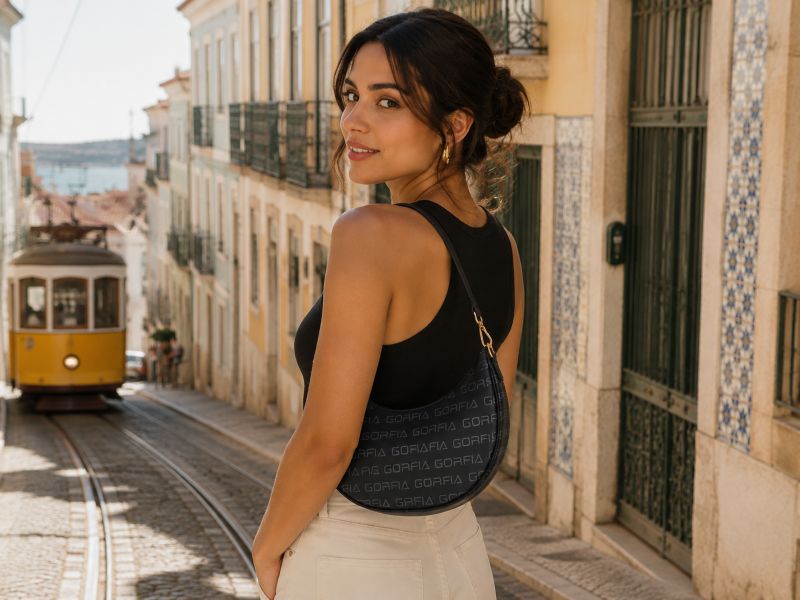
The growing popularity of crescent bags is changing how brands approach everyday handbag design.
You may have seen it in shoulder bags, mini purses, and relaxed everyday handbags. The shape looks simple at first, but a good crescent bag has to do more than look pretty. However, creating a successful crescent bag requires careful decisions in shape, materials, and construction.
That last part is where design and production become important. If the material is too soft or the inside structure is weak, the bag can lose its shape quickly.
In this guide, we’ll walk through how to choose, design, and produce a leather crescent bag that feels stylish, practical, and stable.
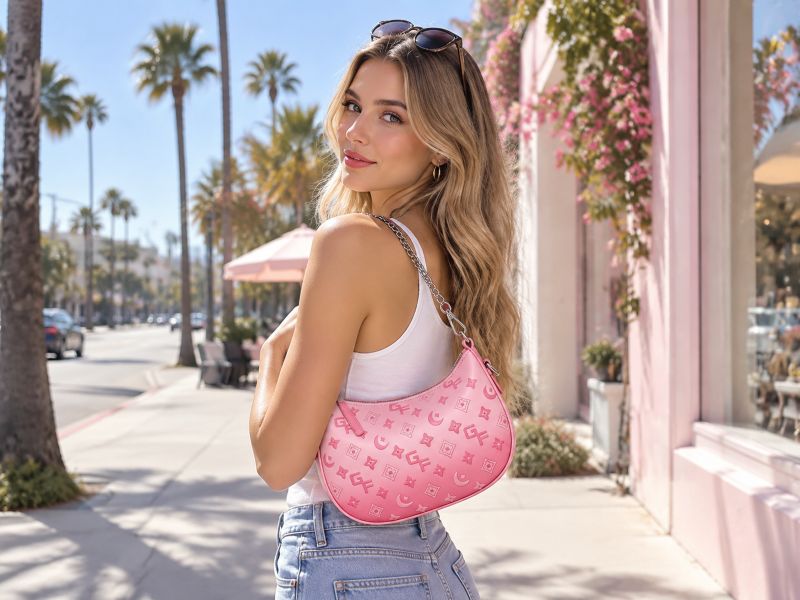
Why Crescent Bags Feel So Easy to Wear
Comfortable: The Curved Shape Follows the Body
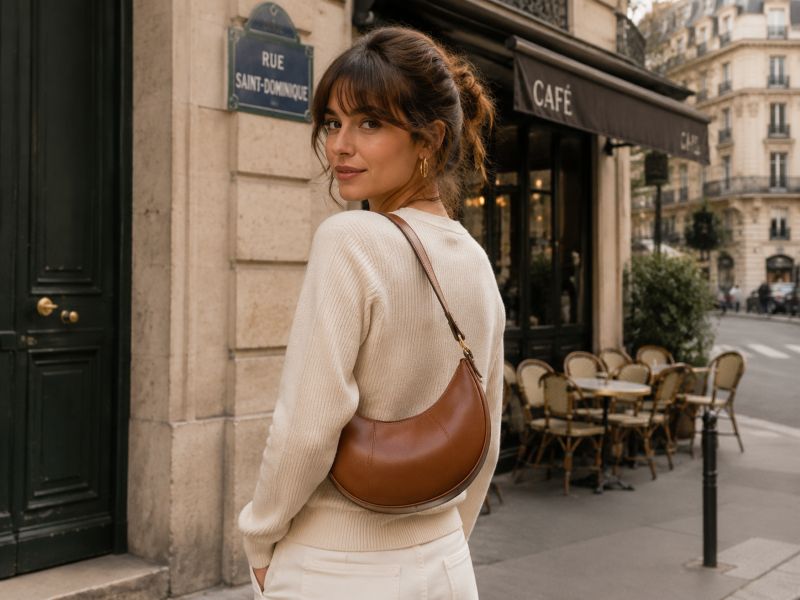
A crescent bag feels easy to wear because the curve naturally sits close to your body.
Fashion editors have also been paying attention to curved and soft handbag shapes. In recent trend coverage, crescent-shaped styles appeared among key handbag directions. At the same time, the half-moon hobo shape was described as practical, soft, and suitable across different sizes, from micro evening styles to larger day bags.
Versatile: The Shape Works With Many Outfits
You can wear a crescent bag with denim, dresses, oversized shirts, office looks, or travel outfits.
That flexibility is one reason the shape feels so useful. It can look casual during the day and more refined in the evening, depending on the leather, color, strap, and hardware you choose.

Practical: It Balances Style and Daily Use
A crescent bag is not only about having a curved shape. It works well because it gives you a useful balance between appearance and function.
Compared with a tote, it usually feels more shaped and styled, even though it may hold less. Compared with a structured handbag, it often feels softer and more relaxed, while still looking polished.
The crescent silhouette creates a balance between a relaxed shape and a polished appearance, making it easier for brands to position across casual and elevated collections.
Choose the Crescent Bag Style That Matches Your Routine
Leather Crescent Shoulder Bags for Daily Carry
A leather crescent shoulder bag works well for daily carry because the curved body sits close to you instead of hanging like a stiff box.
When you wear it on the shoulder, the upper curve should follow the line under your arm without pressing too tightly. The bag should feel soft enough to move with you. The strap length and opening design directly affect how comfortable the bag feels during everyday use.
This is where the strap and body shape need to work together. If the strap is too short, the curved opening can feel tight under the arm. If it is too long, the bag may swing too much and lose the neat crescent look.
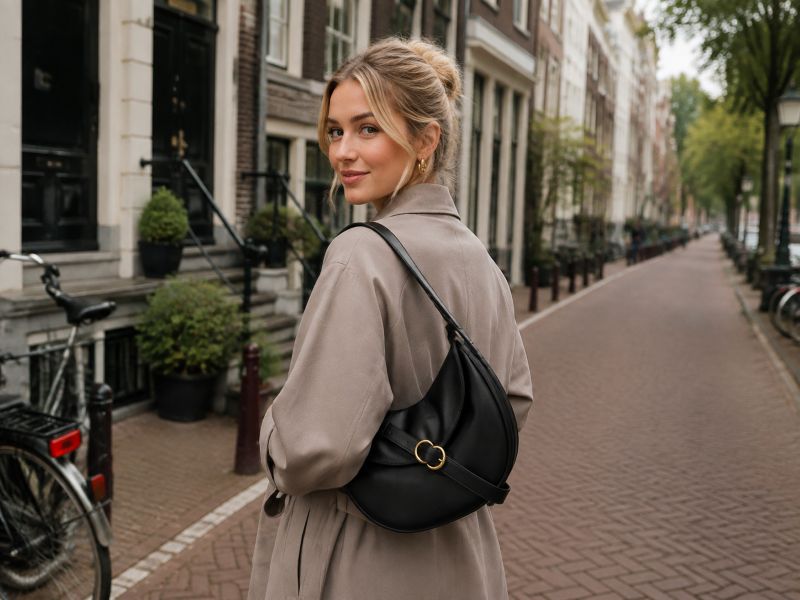
Mini Crescent Purses for Light Essentials
A mini crescent purse is not just a smaller bag. Its charm comes from the compact half-moon shape.
Because the body is small, the curve becomes more visible and decorative. This makes the mini version feel more like a styling piece, especially with smooth leather, shiny hardware, or a clean zipper line following the top curve.
The main thing to watch is opening space. Some mini crescent purses look beautiful from the outside but become difficult to use if the zipper curve is too tight or the opening is too narrow.
So before you choose or develop a mini crescent style, check whether your hand can reach inside easily, not just whether the bag looks cute in photos.
Medium Crescent Handbags for Work-to-Weekend Use
A medium crescent handbag has to protect the curved silhouette while giving you more usable room.
This size can hold daily essentials better than a mini purse, but the larger body also creates more pressure on the upper curve and side panels. If the bag is filled often, weak support can make the crescent shape sag or look uneven.
For this style, pay attention to the bottom structure, lining support, and strap placement. These details decide whether the bag keeps its soft half-moon profile or turns into a loose pouch after use.
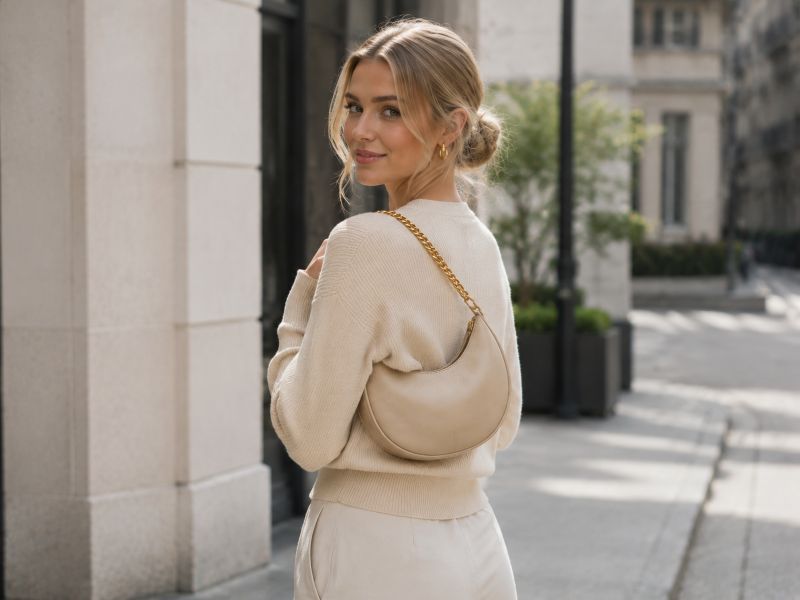
Why Crescent Bags Need Internal Structure
A crescent bag does not keep its shape only because of the outer leather.
Maintaining a stable crescent silhouette requires careful control of internal support and construction details. If these parts do not support each other, the bag may look nice when empty but lose shape during real use.
The most important reinforcement areas are usually the upper curve, side stress points, strap attachment areas, and bottom section.
You want enough support to hold the silhouette, but not so much that the bag loses its soft crescent feel.
Construction Details That Decide Crescent Bag Quality
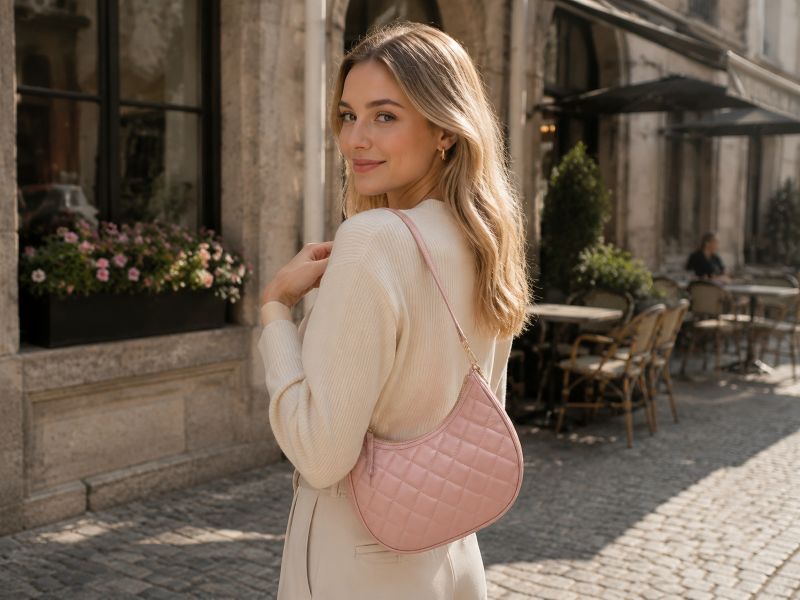
Seam Design for Smooth Curved Lines
Curved silhouettes need careful seam control.
If stitching tension is too tight, the curve can become wavy. If seam allowance is inconsistent, the left and right sides may not match.
During sampling, we like to check the curved seam line from several angles. A small difference can become more visible after bulk production.
Bottom Structure to Prevent Sagging
A crescent bag needs a bottom structure that supports the contents without making the bag look too rigid.
This can include internal base support, lining reinforcement, or partial stiffening in selected areas. The right choice depends on the bag’s size and the material’s softness.
For daily bags, the bottom should feel stable enough to hold items, but still soft enough to match the curved design.
Lining Construction and Attachment Method
Lining is easy to overlook, but it plays a big role.
A lining that is too light may not support the shape. A lining that pulls too tightly can distort the outer panel.
For brands, lining tests should be part of sample approval, not an afterthought.
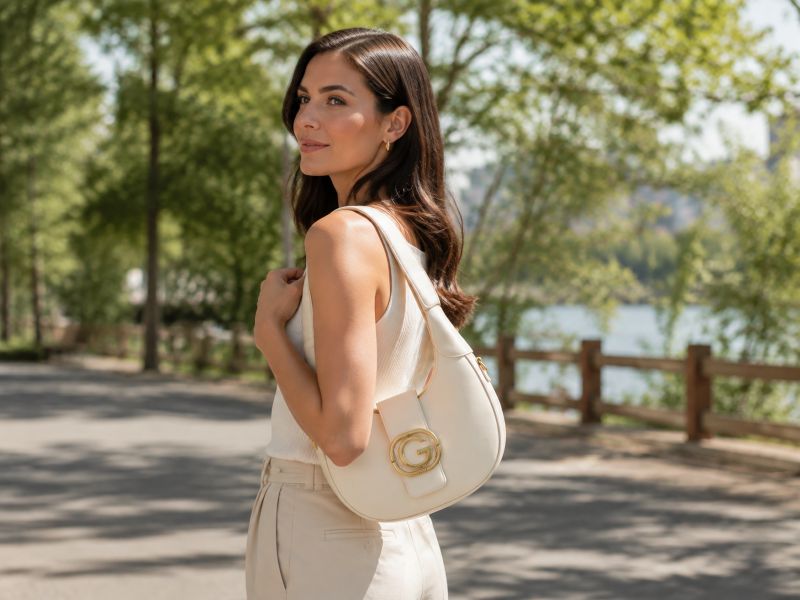
Factory Case: Keeping a Soft Crescent Bag Stable
One common issue we see is that the first sample looks attractive, but the curved silhouette becomes softer and less defined during bulk production.
We once worked with a brand that wanted a very soft PU material for a crescent shoulder bag. The first sample had the right look, but when we tested it with daily-use items inside, the upper curve collapsed, and the side panels became uneven.
At first, it may seem logical to use thicker material. But that would have made the bag feel stiff and less relaxed.
Instead, we adjusted the internal construction. We improved the lining support and modified the reinforcement at key stress areas.
The final version kept the soft appearance the brand wanted, but the crescent shape stayed more stable under daily-use loading.
That is the real lesson: brands should build crescent bag structure from the inside instead of relying only on thicker outer materials.
Crescent Bag Development Decision Table
| Decision Area | What You Notice as a User | What Brands Should Check | Factory Development Focus |
| Leather softness | Comfort, touch, relaxed appearance | Whether the curve collapses when filled | Match softness with lining and reinforcement |
| Internal support | Shape stability during use | Upper curve, side panels, bottom area | Reinforcement placement and material balance |
| Strap length | Shoulder comfort and styling flexibility | Adjustable range and wearing positions | Strap testing with real load |
| Bottom structure | Whether the bag sags | Base support and soft appearance | Prevent collapse without over-stiffening |
| Pocket layout | Easy storage for small items | Pocket number and placement | Avoid panel deformation |
| Hardware weight | Balance and premium feel | Buckle, zipper, and ring weight | Prevent hardware from pulling the bag down |
| Packaging | Shape after shipping | Filling, dust bag, carton space | Protect the crescent curve in transit |
Sampling and Testing Before Bulk Production
The most common crescent bag prototype problems include shape collapse, uneven curves, poor weight distribution, strap imbalance, and lining pull.
These issues may not appear during a simple visual inspection, which is why sample testing should go beyond appearance.
Brands should test prototypes under realistic daily-use conditions. Add typical items inside the bag to check whether the curved silhouette remains stable, whether the strap maintains balance during wear, and whether the bottom structure provides enough support.
Testing should also evaluate opening accessibility, internal organization, and overall comfort.
Before moving to bulk production, brands should review the sample performance and confirm that the material softness, reinforcement areas, lining support, and hardware weight meet the expected standards.
A well-tested sample helps reduce production risks and ensures consistency between the approved prototype and final products.
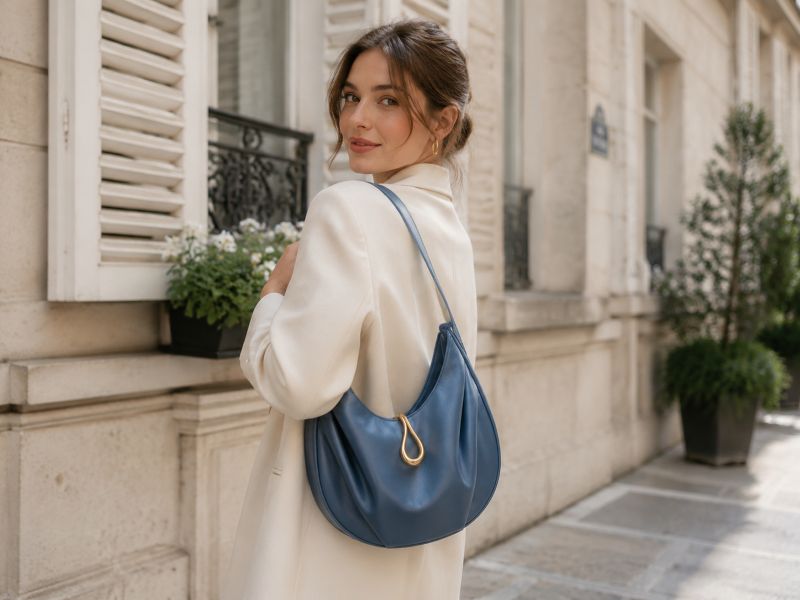
Three Practical Tips for Brands Developing Crescent Bags
1. Approve the Bag With Real-Use Loading, Not Empty-Sample Photos
Before you approve a crescent bag, ask your supplier for a sample test with real daily items inside.
Use items your customer may actually carry, such as a phone, wallet, keys, sunglasses, charger, and small pouch. Then check whether the upper curve collapses, whether the sides become uneven, and whether the strap still feels balanced.
This is especially important if your collection uses soft leather or PU. If the sample uses PU leather, its flexibility and recovery need to be judged in the finished bag structure, not only from a flat swatch.
2. Ask for a Clear Reinforcement Plan Before You Confirm the Order
Do not leave internal construction details open after the sample looks good.
Work with your supplier to finalize reinforcement arrangements for the upper curve, side stress points, bottom structure, and strap attachment points. Keep the fully confirmed sample as the official reference standard for all structural reinforcements.
This gives your team a clearer benchmark when checking bulk goods against the approved sample. It also supports targeted pre-shipment inspections, so your QC team can identify shape discrepancies before delivery instead of discovering them after the goods arrive.
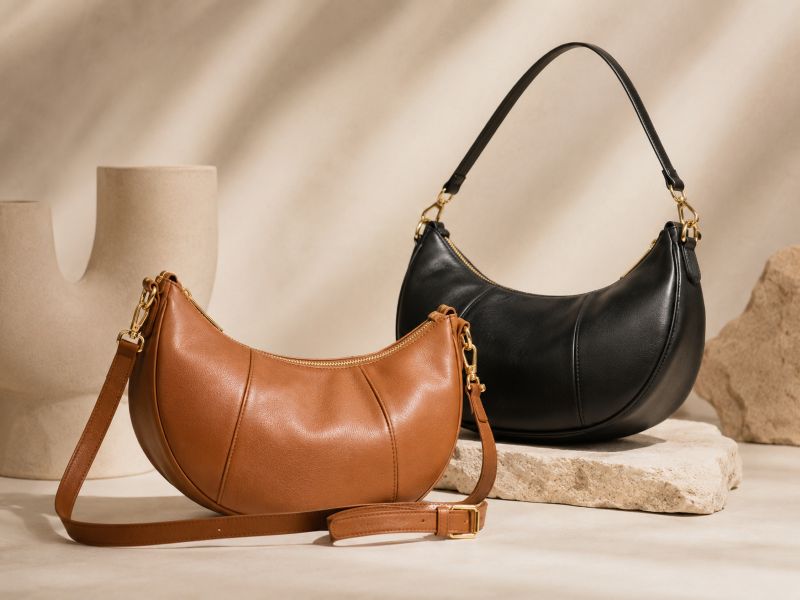
3. Confirm Care and Packaging Standards Before Production Starts
Crescent bags can lose shape during storage and shipping if packaging is treated as a last-minute detail.
Before production starts, confirm the filling method, dust bag size, carton spacing, and whether the bag needs shaped support inside the curve. You should also prepare care guidance that matches the actual leather or PU finish used in your product.
For brands and buyers, care instructions should match the real material and finish, especially if the crescent bag uses soft leather, a special surface treatment, or a delicate color.
FAQs
Are crescent bags still in style?
Yes. Crescent bags remain popular because the curved shape feels soft, modern, and easy to wear. They also work across different sizes, from mini purses to medium shoulder bags.
What size crescent bag is best for everyday use?
A medium crescent bag is usually the most practical choice for everyday use. It gives you more room for daily items while keeping the curved silhouette easy to carry.
Is leather or PU better for crescent bags?
Leather is better for a premium feel and natural texture. PU is better for cost control, color consistency, and seasonal product development. For both materials, the internal structure is what helps the crescent shape stay stable.
Why do some crescent bags lose their shape?
Many crescent bags lose shape because the material is too soft, the lining is too weak, the bottom lacks support, or the reinforcement is not placed in the right areas.
What should brands check before producing crescent bags?
Brands should check full-size samples, curve stability, strap balance, lining support, reinforcement placement, hardware strength, capacity, and packaging before bulk production.
Conclusion
A leather crescent bag may look effortless, but the best ones are carefully balanced.
You need the curve to feel soft, the strap to sit comfortably, and the body to hold enough for daily use. At the same time, the bag needs enough internal support to keep its shape after it leaves the sample room.
For shoppers, that means choosing a crescent bag that looks good when filled, not just when photographed empty.
For brands, it means testing the real wearing experience before bulk production begins. A beautiful crescent shape is not only drawn on a pattern. It is built through material choice, reinforcement, lining, strap balance, and careful production control.
CTA
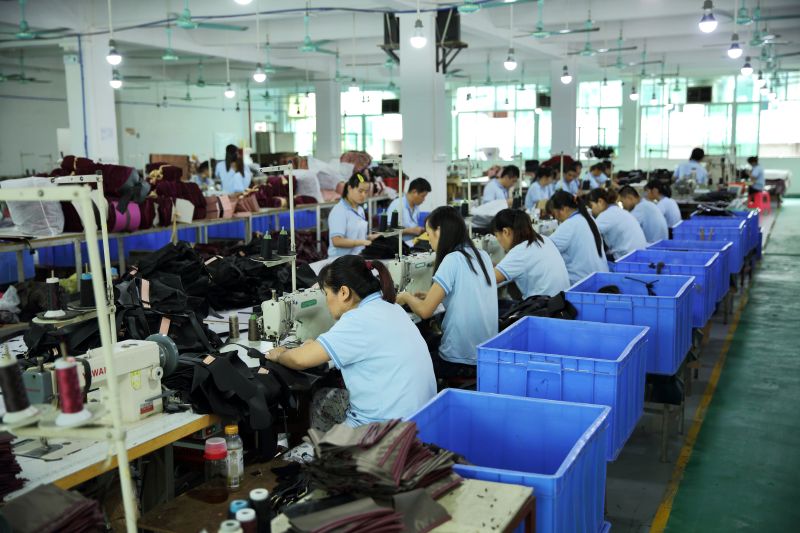
If you are developing leather or PU crescent bags for your brand, Gorfia can help with material selection, structure improvement, sampling, customization, quality control, and scalable production.
To discuss your next crescent bag project, visit our Contact Us page and tell us what kind of shape, size, material, and market position you have in mind.