

Choosing between a fanny pack, crossbody, or sling bag isn’t just a style decision; it’s about structure, which directly affects your production costs, quality, and timelines.
If you’re sourcing waist bags, sling bags, or crossbody bags through an OEM/ODM partner, getting the structure right from the start can save you from costly sampling rounds, inflated unit costs, and avoidable defects.
This guide breaks down the key differences so you can make a confident sourcing decision and move to production faster.

Where Structural Problems Usually Start in Production
Fanny Packs / Waist Bags / Belt Bags
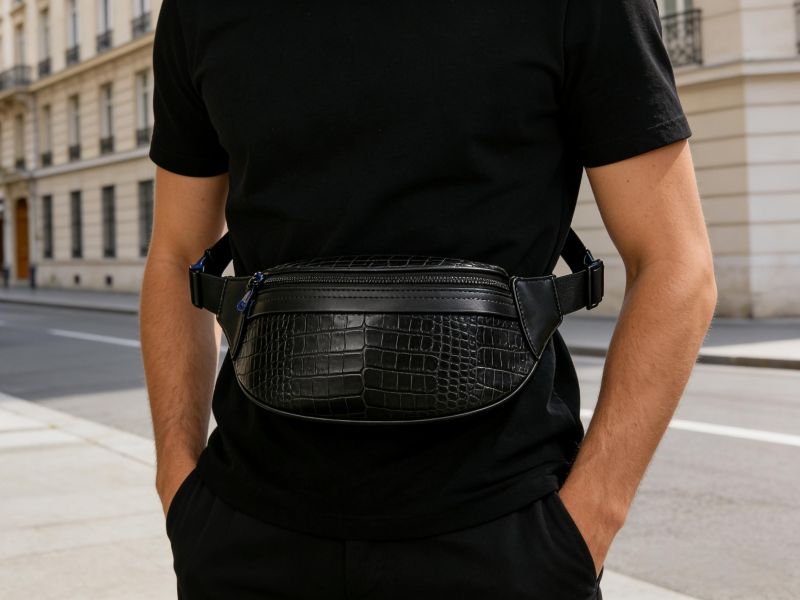
These bags are compact, curved, and efficient in production.
The curved front may look sleek in CAD drawings. In actual production, the curve increases seam tension and requires very precise cutting. If the seam tension isn’t right, you may see distortion in the final product once it’s loaded with even basic items like a phone, lip balm, small wallet, or snack bar.
Adding extra interior pockets or compartments to such a small bag can double the sewing time and increase your defect rate. Sewing access becomes limited, especially near corners and zippers. This kind of detail slows down both assembly and QC.
We’ve also seen similar prep considerations in custom-structured bags, such as fanny packs, where even slight construction misalignment can increase rejection rates during quality checks.
Crossbody Bags
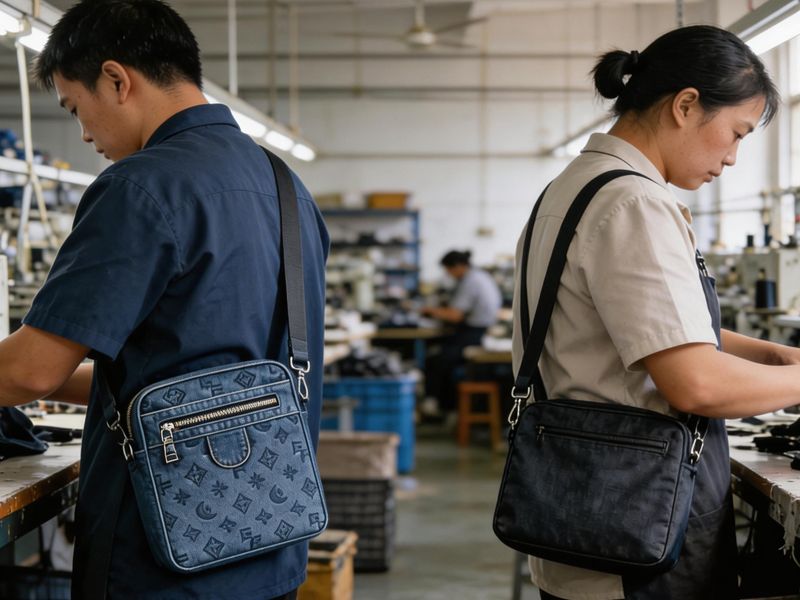
Crossbody bags are designed for all-day carry and higher weight loads, but they’re more demanding to assemble.
They typically have a longer strap and carry heavier loads, such as a light jacket, a small backpack, or a water bottle. If the strap anchors aren’t properly reinforced or load-tested, they start to fail after repeated use. One issue we often see on the factory floor: collapsed bag bodies.
Cross-body bags with wide panels can sag without strong interfacing or internal foams, especially when the main compartment is only half-filled.
Sling Bags
A sling bag is fashion-forward but structurally complex. They’re often asymmetrical, with a teardrop shape, a curved zipper, and a single one-shoulder strap.
If the cutting isn’t perfectly aligned, the bag twists. Zippers sewn on curves can pucker, causing visual defects. Small variations, even just a one-inch difference in strap length between batches, can lead to visible fit issues. That’s hard to explain when people wearing the same design suddenly have different shoulder bag fits.
When Each Bag Type Makes Sense for Your Business
Bag structure isn’t just a “creative” decision; it’s a manufacturing decision that affects tooling, QA, labor cost, and defect rate.
In production contexts, especially at scale, the real question isn’t what’s stylish or trending —but what’s cost-efficient, reliable, and margin-friendly?
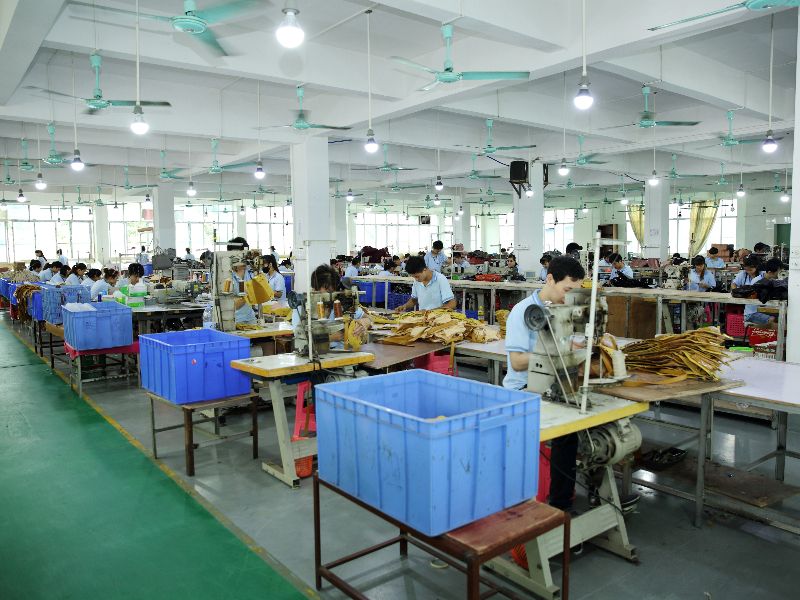
Here’s what you need to consider for each type:
Fanny Packs and Belt Bags
These compact waist bags, belt bags, or bum bags perform best in promotional, outdoor, or fast retail contexts. They’re ideal for carrying essentials like hand sanitizer, keys, a purse, and small items for daily errands.
Their low material use makes these small bags great for lightweight, high-volume runs. But once you start adding curved shapes or structural pockets, you run straight into higher production complexity.
Use this style when you need volume, speed, and easy access, but not when targeting premium positioning or heavy organization.

Crossbody Bags
Cross-body bags are common for travel, commuting, and lifestyle markets. The demand is influenced by several market drivers, including customer preference for versatility, outdoor activities, demographic shift, and other fashion trends. They often include features such as interior pockets, foam-lined compartments, padded zones for items like sunglasses and a wallet, and internal mesh compartments.
They support higher BOMs (Bill of Materials) and complex build cycles and work well in middle- to upper-tier retail, where longer lead times and higher expectations for hands-free, quick, and easy access prevail. These are your go-to for reliable utility and a higher profit margin, if your production can handle the higher complexity.
Sling Bags
Sling bags are designed to stand out. They typically drape across the opposite hip, worn via a main strap that evenly distributes weight.
Industry watchers show fast-paced growth in the sling chest bags market. Brands often use this sling style to reach younger, streetwear-aligned customers seeking functional yet stylish gear.
Lately, streetwear and urban bag styles have continued to dominate content-driven launches, with visual identity a key product driver in younger, online-first markets.
That said, they’re harder to execute and harder to batch reliably at scale. Use this option if your design language depends on visual identity and you have budget room for more testing.

Executive Summary Table: Bag Structures at a Glance
| Bag Type | Best For | Watch Outs |
|---|---|---|
| Fanny Pack / Belt Bag | Sports, festivals, events, value fashion | Seam pressure, limited inner room, hard-to-access pockets |
| Crossbody Bags | Commuting, travel, e-commerce gifts | Bulkier builds, layered cuts, soft body collapse in partial fill |
| Sling Bags | Streetwear, limited edition, urban youth | Asymmetry, strap fitting, QC variation between batches |
Component and Material Failures That Can Break a Strong Pattern
Before you delve into the fast-growing handbag market, note that component failures, especially hardware and zippers, contribute significantly to the return rates, which can quickly spike your margin loss.
From straps to zippers to specialty fabrics like vegan leather, each part contributes to the structural integrity of the final bag.
Materials
Choose wisely between lightweight options like nylon and structured ones like vegan leather or coated fabrics. Switching mid-cycle—from cotton to leather, for example—can trap you in different seam tolerances and pattern conflicts. It’s one of the most overlooked reasons bulk runs underperform.
For instance, when choosing between real and faux leather for OEM manufacturing, it’s important to factor in not just the look and feel, but also how each performs on curves, stitch lines, and in bulk material handling.
Straps and Hardware
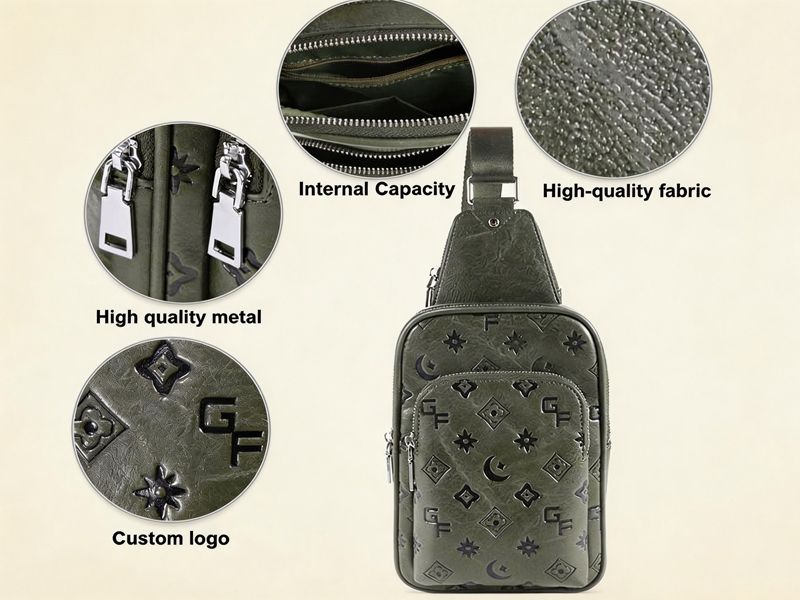
Webbing is deceptively important. Without strong specs, you risk failures at buckle joins, skipped stitches, or stretches under real-world weight during walking or hiking. An improperly tested buckle can compromise the entire bag.
This is especially critical in a sling bag or cross-body bag with only one shoulder contact point and no load re-distribution.
Zippers
Zippers placed in curved seams (like on sling bags and some waist packs) need reinforcements, not just cosmetics. A main zipper on a curved line is under constant torque. For bags carried all day, this weak point breaks faster than most buyers expect.
Let Manufacturing Realities Drive Design—Not the Other Way Around
Before signing off on that final spec, ask:
- Are we overloading this compact bag with functions?
- Can our strap and buckle specs truly meet QC pull-test standards?
- Do we need more internal pockets, or just a better layout?
- Will it survive everyday use with bulky items, light abuse, or storage in a suitcase, tote, or backpack?
A well-intentioned design that ignores production layers, stitch density, seam tolerances, and machine path can become an expensive bottleneck. Let construction logic guide design, not just aesthetics.
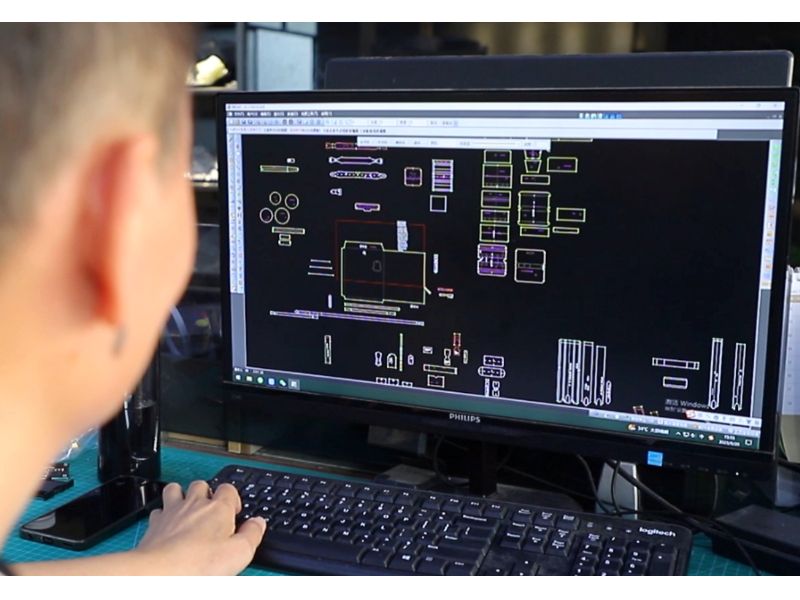
How Gorfia Helps B2B Buyers Reduce Risk
At Gorfia, we do more than manufacturing; we help B2B teams avoid waste during development.
Whether you’re producing a curved fanny, minimalist shoulder bag, or sturdy sling-style backpack proxy, we support:
- Pre-production pattern testing
- Buckle and strap performance reviews
- Reinforced internal pockets
- Production logic that keeps your bag sturdy, functional, and repeatable
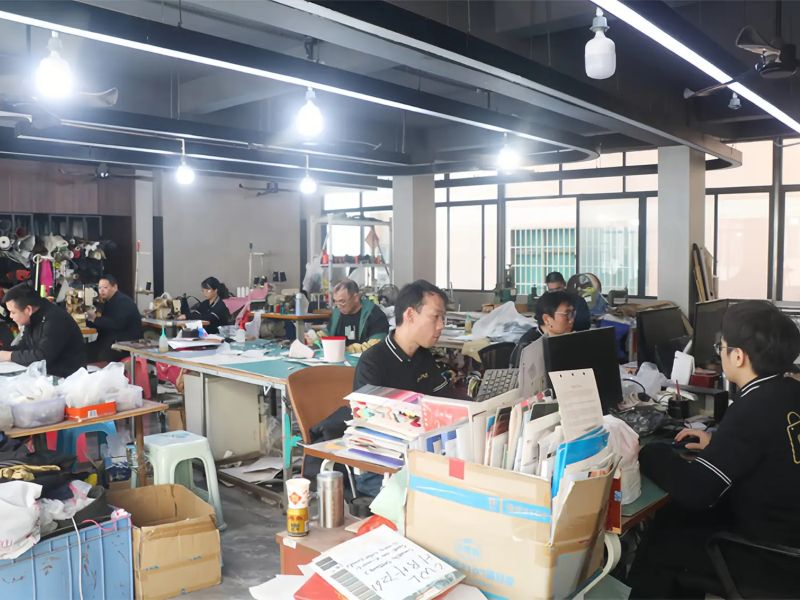
Frequently Asked Questions
How do I choose between a fanny pack, sling bag, or crossbody bag?
Start with your use case and target channel. Simple waist bags or fanny packs work best for promo. Crossbody is for mid-range DTC; sling adds visual value at higher production complexity.
What materials typically cause seam or shape issues?
Thick leather, vegan leather, or multi-layer builds often warp or swell unless properly stabilized. Always test on your target stitch density.
What QC tests are required for bags with heavy use?
Use load tests on straps and buckles, seam tear tests, and zipper pull-cycle testing—especially in high-friction main compartments.
What’s the fastest way to get factory feedback on bag design?
Send tech packs, pouch layout, and timeline. We assess manufacturability, cutting complexity, and strain zones before finalizing the BOM.
What features increase BOM cost or defect risk?
Extra interior pockets, curved zipper paths, dense internal pockets, or dual-wear configurations like belt bag + sling combo.

Conclusion
Making the right call between a fanny pack, crossbody bag, or sling bag means thinking beyond what looks good. It means aligning your bag’s structure with real production capabilities—seam predictability, machine efficiency, and material behavior at scale.
The brands that get this right don’t just avoid delays and defect spikes; they protect their margins and build product lines that can scale confidently, order after order.
Need help deciding if your design is ready for production?
Send us your tech pack, design sketches, or even a reference sample, and we’ll get back to you with actionable feedback within 48 hours. No commitments, no pressure; just the production clarity you need to move forward with confidence.
We’ll review your waist pack, shoulder bag, or sling-style prototype and provide a clear manufacturability review to help you move forward with confidence.
Gorfia is an OEM/ODM handbag manufacturer trusted by global B2B buyers to deliver scalable, reliable production for everything from compact hip packs and belt bags to high-detail cross-body bags and sling bags.