
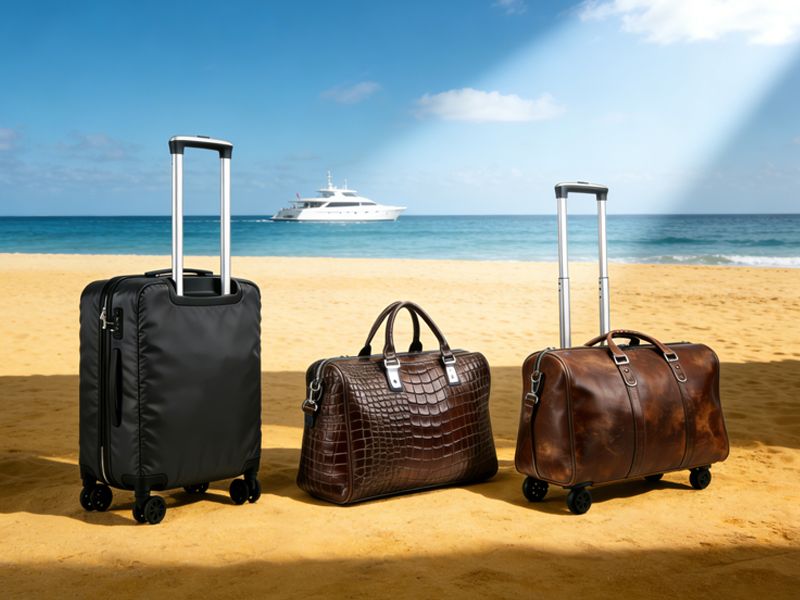
Travel demand is rebounding fast—but for retailers and wholesalers, growth comes with a costly risk: stocking luggage that doesn’t move.
Hard-shell suitcases attract shoppers who want protection and a modern look. Soft-sided luggage appeals to those who value flexibility, pockets, and easy packing. Both categories sell—but not to the same customers, and not at the same price points.
The real question for retailers isn’t “hard or soft?” It’s which customers buy which style, and how stocking the wrong mix quietly eats into margins and ties up cash.
This guide breaks down the key differences between hard-shell and soft-shell luggage to help retailers and wholesalers make smarter stocking decisions.
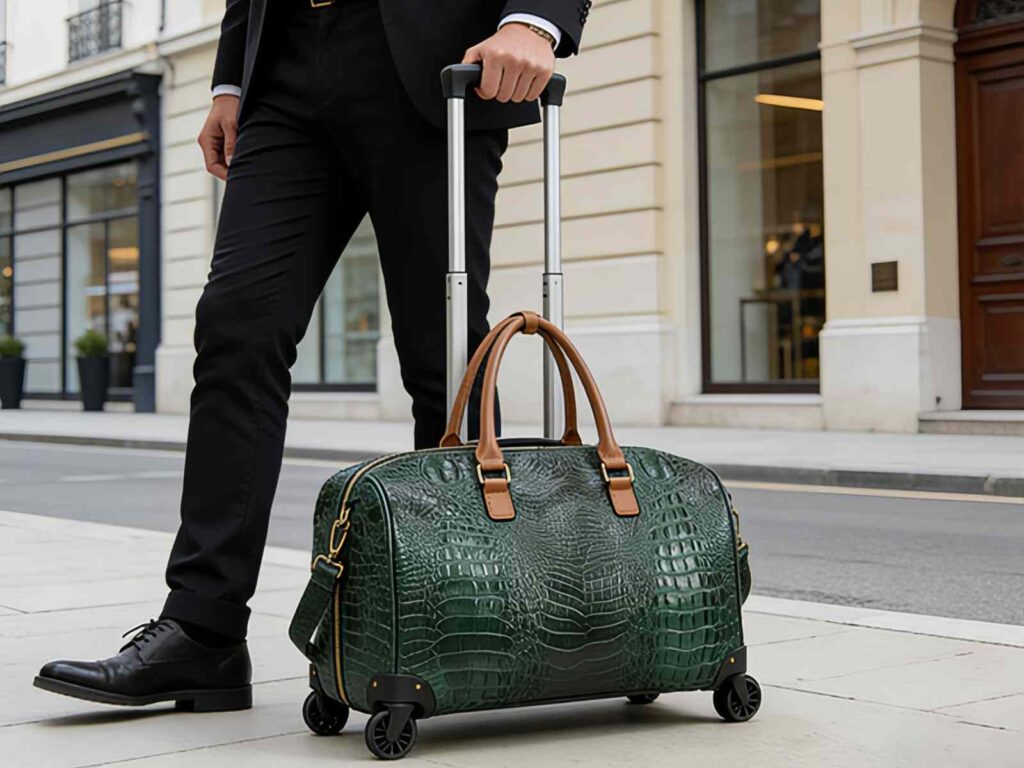
Understanding the Two Categories
What Is a Hard Shell Suitcase (Hard-Sided Luggage)?
When travelers spot a sleek, sturdy bag rolling down the luggage carousel, it’s often a hard-shell suitcase. Stocking these durable designs helps you meet demand for premium travel gear and positions your brand as a trusted choice for quality and endurance.
They’re made from different materials like polycarbonate, ABS (Acrylonitrile Butadiene Styrene), and aluminum, each with its own perks:
- Polycarbonate: The traveler’s favorite, slightly flexible yet strong. It bends under pressure and springs back, keeping the fragile stuff safe.
- ABS (Acrylonitrile Butadiene Styrene): A more lightweight and affordable option. Great for casual journeys, though it can crack if thrown too hard.
- Aluminum: The stylish, top-tier choice, tough as nails but a bit heavier (and pricier).
Over the last few years, hard-shell luggage has gained substantial traction. The global luggage market, valued at approximately USD 38.8 billion in 2023, continued its upward trend in 2024, reaching an estimated USD 40.8 billion. By 2025, the market is projected to hit around USD 41.0 billion, reflecting a steady compound annual growth rate (CAGR) of about 6.7%.
Most suitcases come with interior compartments that help keep your clothes neatly packed and easy to access. Plus, the hard shell offers extra security, especially for items like laptops, cameras, or gifts that shouldn’t be squished.
For retailers or wholesalers, hard-sided luggage is a smart addition—lightweight, durable, and stylish. Providing options that are both sleek and secure attracts discerning customers and encourages repeat sales.
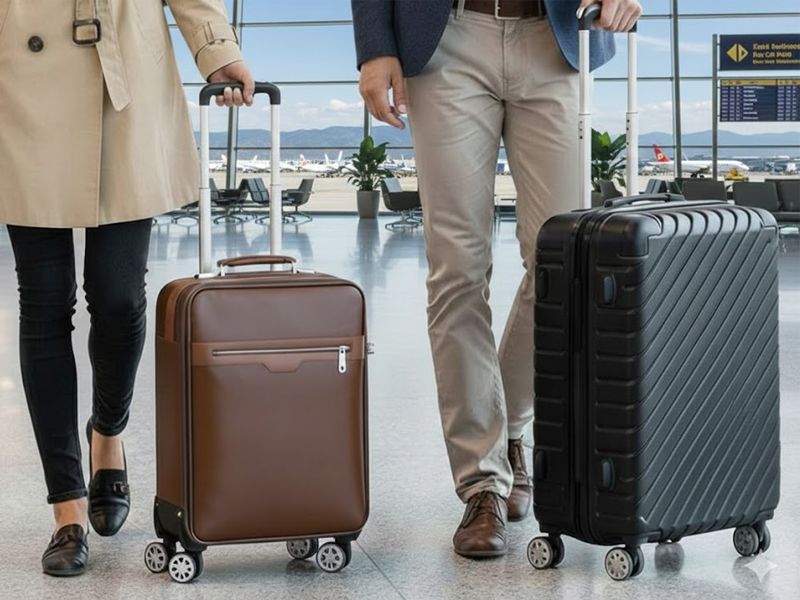
What Is a Soft Suitcase (Soft-Sided Luggage)?
A soft suitcase is designed for travelers who value flexibility. Unlike hard, structured cases, soft-sided luggage folds into small spaces, making it ideal for busy airports, compact car trunks, and last-minute packing.
Most soft luggage is made from durable yet lightweight materials like:
- Ballistic nylon: tough enough for military use, it resists tears, scuffs, and years of wear.
- Polyester: lighter, budget-friendly, and easy to clean.
- Fabric blends: a mix of nylon and polyester, offering both strength and a soft feel.
This flexibility makes soft-shell suitcases a favorite among frequent travelers who prefer bags that move with them. Extra outfits fit in easily, front pockets offer quick access to essentials like passports or chargers, and the lightweight build makes it easy to handle.
The popularity speaks for itself; around 62% of the global luggage market still belongs to soft-sided bags. And according to Condé Nast Traveler, nearly half of all new luggage sales come from this category. Clearly, the debate over hard suitcases vs. soft suitcases still leans toward the soft side.
Why? Because soft luggage keeps things practical and handy:
- Expandable compartments for flexible packing.
- Exterior pockets for quick access to essentials.
- Lightweight builds are perfect for those who are always on the go.
A soft-sided suitcase offers adaptability and comfort, flexing with travel needs while providing the extra room and convenience that drive repeat purchases and customer satisfaction.
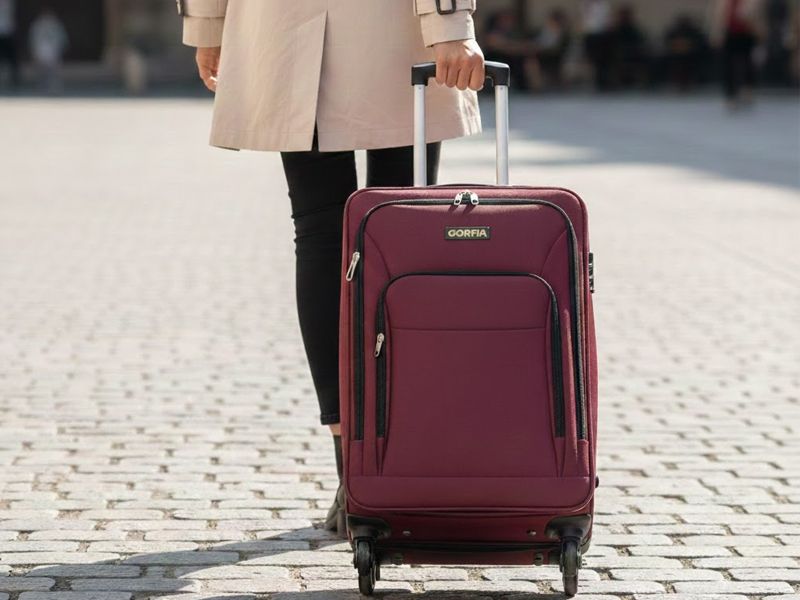
The Core Comparison: Hard Shell vs Soft Shell Suitcases
When retailers plan their luggage lineup, one question always comes up: Should you stock hard-shell suitcases or soft-sided ones? Each type serves a distinct purpose and attracts a different kind of traveler. Knowing what sets them apart can help you choose the right mix for your customers.
Weight and Portability
Hardcase: Lighter Than Before
Hard-shell luggage used to be known for its weight, but modern materials like polycarbonate have changed that. Today’s hard cases are much lighter yet still strong enough to protect fragile items.
They don’t compress or shrink, but that solid build gives travelers confidence. It keeps its shape trip after trip, and while slightly heavier, it offers a higher chance of lasting protection than softer luggage.
Softcase: Flexible and Easier to Carry
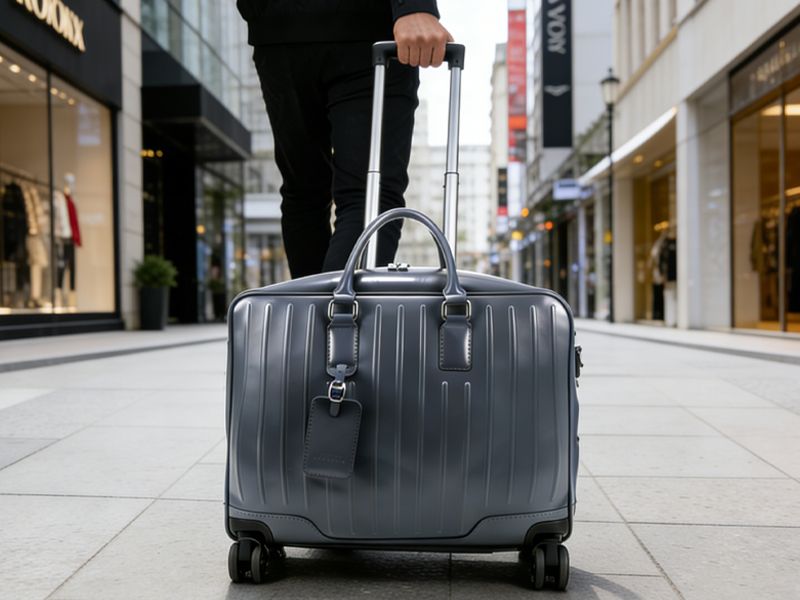
Soft-sided luggage is a versatile choice for your product lineup. Made from lightweight nylon or polyester, these bags are easy to handle, transport, and store, making inventory management easier for your business. Market data shows that soft-sided luggage made up about 68% of the market by material in 2023, highlighting strong demand.
Stocking both soft and hard-sided options lets you meet varied customer needs, balance inventory, and capture multiple buyer segments.
Storage and Space Efficiency
Hardcase: Organized but Fixed Space
Hard-shell suitcases bring a sense of structure and order. They open in a clamshell style, splitting into two even halves, one for clothes, the other for shoes or accessories. Inside, zippered panels and compression straps help keep everything neat and secure, which appeals to travelers who like a tidy, compartmentalized setup.
But the structure comes at a cost: there’s no stretch. Once it’s packed to capacity, that’s it.
Softcase: Expandable and Spacious
Soft-sided luggage is all about flexibility. Expandable zippers add extra space for travelers who tend to return with more than they packed. The main compartment is deeper and easier to fill, while the fabric bends to fit into tight spots like closets or car trunks. For families and frequent travelers, that flexibility makes soft luggage a practical favorite.
To better address customer preferences and expand market reach, offer both hard-shell and soft suitcase options.
Accessibility and Organization
Hardcase: Neat Interior Layout
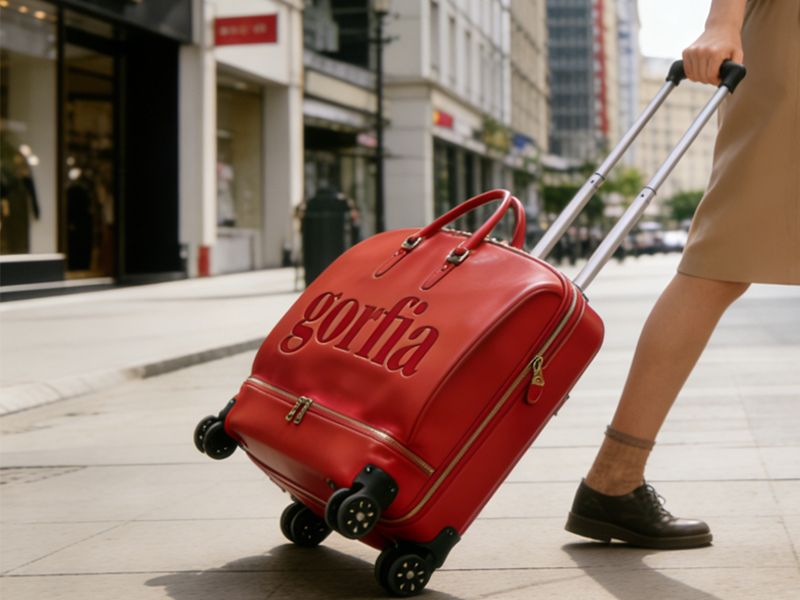
Hard suitcases might not have the external pockets that soft-sided bags do, but what they lack on the outside, they make up for on the inside. With zippered dividers, mesh covers, and built-in compartments, everything has its place, making it easy for travelers to see what they packed and keep items tidy.
This kind of organization is especially appealing to people who like a structured approach to packing and want to unpack quickly and neatly when they arrive at a hotel.
There’s a certain satisfaction in opening a hard-shell case and finding everything exactly where it should be.
Softcase: Easy Access and Handy Pockets
Soft-sided suitcases, on the other hand, are all about convenience. With front pockets and external compartments, travelers can grab essentials like travel documents, a jacket, or a laptop without opening the entire bag. This makes softcases a favorite for business trips or quick weekend getaways, where easy access can save time and hassle.
Retailers also notice that shoppers often compare pocket placement and size when choosing a bag, since these small details can make a big difference in everyday travel.
Adding luggage with laptop sleeves and extra pockets gives your product range more flexibility. Business travelers appreciate staying organized on short trips or multi-city journeys, and offering these options helps distributors keep inventory moving and meet the needs of different customer types.
Security and Handling
Hardcase: Better for Tamper Resistance
Hard-shell luggage tends to give travelers a greater sense of security. These cases use reinforced frames and robust latches, plus sturdy, tight zippers that make them harder to tamper with or pry open, keeping your belongings safe throughout your journey.
The rigid shell itself acts as a barrier, making it much more difficult for thieves to cut into the bag. For anyone checking luggage at busy airports or on long-haul flights, this added protection can provide real peace of mind.
Softcase: Convenience Comes First
Soft-sided suitcases focus on quick access and flexibility. Travelers can unzip a front pocket to grab a boarding pass, jacket, or laptop without opening the whole bag. The trade-off is that fabric panels and zippers are easier to breach than a hard shell. Offering both hard and soft options lets customers choose what matters most on their trips: convenience or security.
By stocking both hard and soft suitcases, you demonstrate that your brand understands every traveler’s needs and builds credibility with customers. Make this dual offering a key retail strategy to earn trust and repeat business.
Design and Aesthetic Appeal
Hardcase: Modern and Sleek
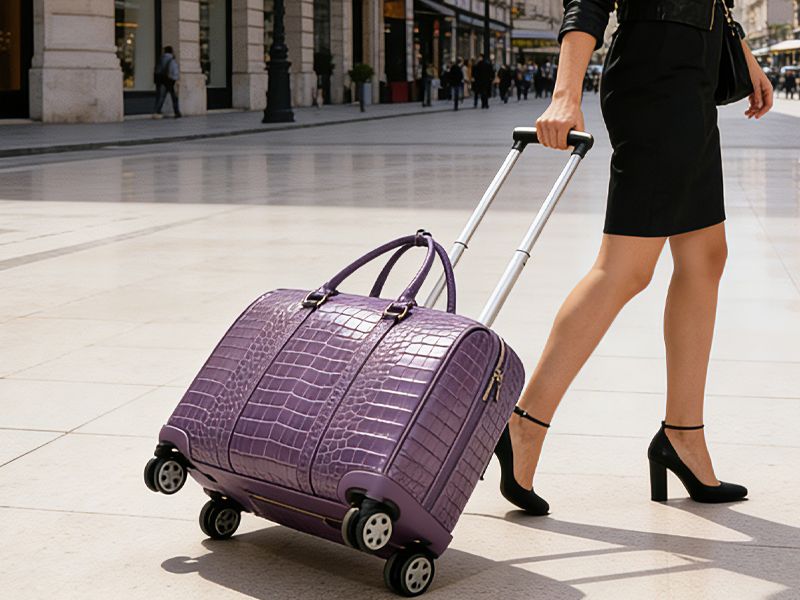
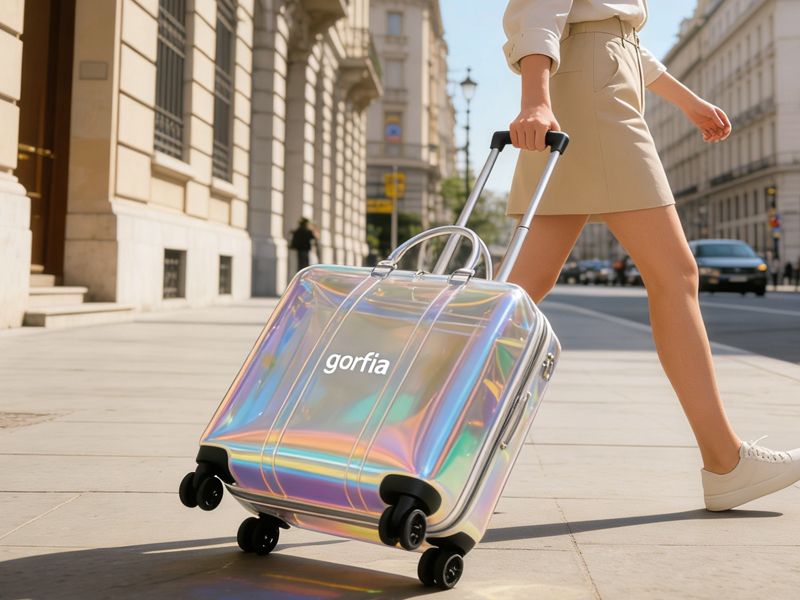
Hard-shell suitcases tend to catch the eye of travelers who like a sleek, modern look. With glossy finishes, bold colors, and metallic tones, they stand out on airport carousels and luggage racks, giving off a premium vibe while providing ample space. Many brands use polycarbonate shells, which not only look smooth and shiny but also feel solid and durable.
It’s no surprise that sales of hard-shell luggage have risen steadily; industry data shows an 18% global growth over the past three years, with younger travelers, especially millennials and Gen Z, leading the trend.
Softcase: Classic and Professional
Soft-sided luggage, on the other hand, leans toward a more traditional, professional feel. With muted colors and textured fabrics, it’s often the choice for business travelers or more mature customers who value practicality over flashy design.
One advantage of soft cases is their ease of personalization. Text, embroidery, or custom logos can be added with little effort, making them a popular option for corporate clients or boutique stores looking to offer something unique to their customers.
Having both hard-shell and soft-sided luggage in your lineup gives your business flexibility and reach. Hard cases attract style-conscious travelers, while soft bags appeal to those who value reliability, helping you keep inventory balanced and sales steady across different customer types.
Retail Insights: What Are Customers Buying?
Global Market Trends
The luggage market is booming, and travelers today are pickier than ever about what they trust to carry their belongings. Hard-shell luggage is definitely having its moment; those sturdy polycarbonate shells and protective features make it a favorite for anyone who wants extra peace of mind on the go.
In numbers, the global luggage market reached around USD 43.63 billion in 2023 and is expected to soar to USD 101.29 billion by 2032.
But soft-sided luggage isn’t going anywhere. It still held about 61.8% of the market in 2023, proving that many travelers still prefer bags that bend, stretch, and give them quick access to handy exterior pockets while on the move.
Frequent Flyers and Business Travelers
If your store stocks soft-sided carry-ons, you can attract business travelers who value convenience and efficiency.
These bags feature front pockets and other organizational features, including a large main compartment for clothing and smaller sections for essentials like chargers, passports, or snacks. Offering products that let travelers access what they need without digging through the entire suitcase helps you attract time-conscious professionals and drives repeat sales.
And the trend’s only growing: the soft luggage market is expected to jump from USD 11.2 billion in 2022 to USD 21.1 billion by 2030, at a CAGR (Compound Annual Growth Rate) of 7.8%. Clearly, travelers everywhere are catching on.
Leisure Travelers and Families
When it comes to family vacations or long business trips, hard-shell luggage is becoming a favorite among travelers, and retailers and wholesalers should take note. Customers love the peace of mind that comes with knowing their fragile items are safe, plus the structured compartments make packing easier with the right materials.
The demand is climbing fast too. The hardside luggage market was valued at USD 10.5 billion in 2023 and is projected to reach USD 18.3 billion by 2032, growing at a CAGR of 6.5% (Dataintelo). For families, durability and style go hand in hand; they want luggage that looks good and can handle a few bumps on the carousel.
Emerging Preferences and Trends
A few key trends are shaping buying decisions, and they’re worth noting if you’re in the business of travel goods:
- Wheel design: Travelers are split between two-wheel and spinner options, depending on how they move through airports.
- Lightweight builds: Everyone’s hunting for the lightest suitcases that still feel sturdy enough for a carry-on.
- Materials matter: Ballistic nylon, classic nylon, and polycarbonate shells remain the go-to choices for strength and long-term durability.
- Eco appeal: Recycled fabrics are making soft luggage popular again among eco-conscious buyers.
Key Takeaway for Retailers
The takeaway? A one-size-fits-all approach doesn’t work here. Retailers should stock a wide variety of luggage to match different travel styles:
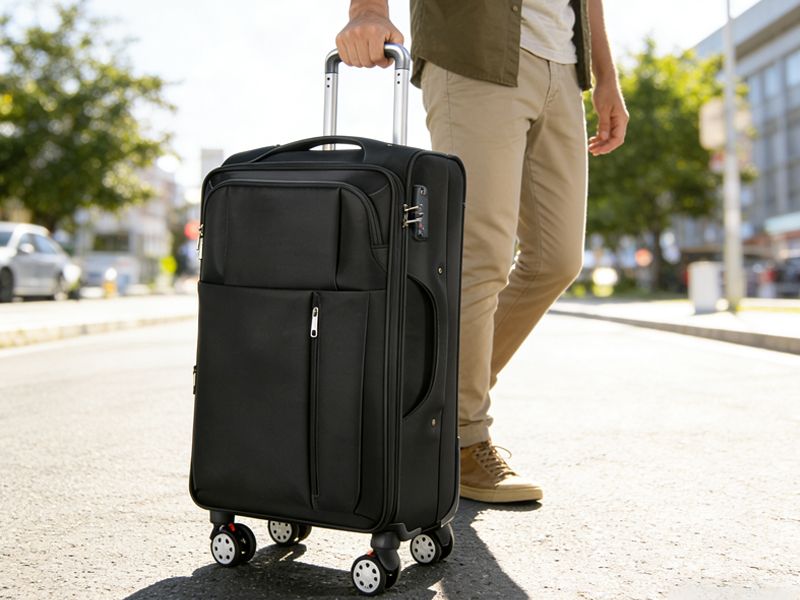
- Soft-sided luggage for business travelers and frequent travelers who like flexible compartments and pockets.
- Hard-shell luggage for families and leisure travelers who prioritize protection for fragile items.
- Eco-friendly options for environmentally conscious shoppers.
Retailers can cater to more customers and stay ahead of changing travel trends by offering a range of products.
Retail Strategy Table
| Customer Type | Preferred Luggage | Stocking Suggestion | Price Range |
| Business Travelers | Soft Shell | Keep 60% of inventory | Mid-range ($80–$150) |
| Family Travelers | Hard Shell | Keep 40% of inventory | Premium ($150–$250) |
| Budget Buyers | Soft Shell (Fabric) | Offer discount options | Under $80 |
| Frequent Flyers | Mix of Both | Bundle deals | $120–$200 |
Don’t Pick One Side: Mix It Up
Travelers have different needs depending on destination, trip, and personal preference. Some want sleek design hard-shell luggage, while others prefer soft-sided bags that fit into tight, small spaces. The global luggage market is booming, worth billions annually, so having a mix gives your store a wider variety and keeps customers coming back.
A Simple Stocking Example
If you’re looking for a starting point, many retailers find a 60/40 split works well:
- 60% soft luggage for mid-range buyers. These soft-sided suitcases are versatile, ideal for frequent travellers, and provide higher capacity for clothes, accessories, and small items.
- 40% hard luggage for premium shoppers who care about style, protection, and a rigid polycarbonate shell.
Think of this as a baseline; you can tweak the ratio based on your local customer preferences and sales data.
Timing Matters: Seasonal Trends
When do people buy luggage? Timing can make a huge difference. Families often upgrade or buy full sets of hard-shell luggage for summer holidays, which makes hard suitcases a hot seller during peak travel months. Meanwhile, business travelers and frequent travellers often go for soft-sided carry-on bags that fit overhead bins and compress easily for short Journeys.
Even travel news can influence buying behavior. Reports of lost or damaged bags often prompt shoppers to choose hard-shell cases to protect fragile items. Planning your stock around these patterns can prevent last-minute shortages and help you meet real demand for popular travel products.
Make Your In-Store Display Work Hard
Seeing is believing. Set up at least one open model of each popular soft-sided suitcase and hardside luggage so customers can explore interior compartments, zippers, and divider panels. Add small tags highlighting materials (ballistic nylon, polycarbonate shell), weight, two wheels, and price tier.
You can also add a little flair, such as photos of durability tests, or close-ups of stitching, zipper pulls, and hard-shell finishes. Group soft-sided bags by traveler type, family, business, or budget, rather than just original size. People respond better to stories about packing and space than to SKU numbers.
Make Your Online Display Stand Out
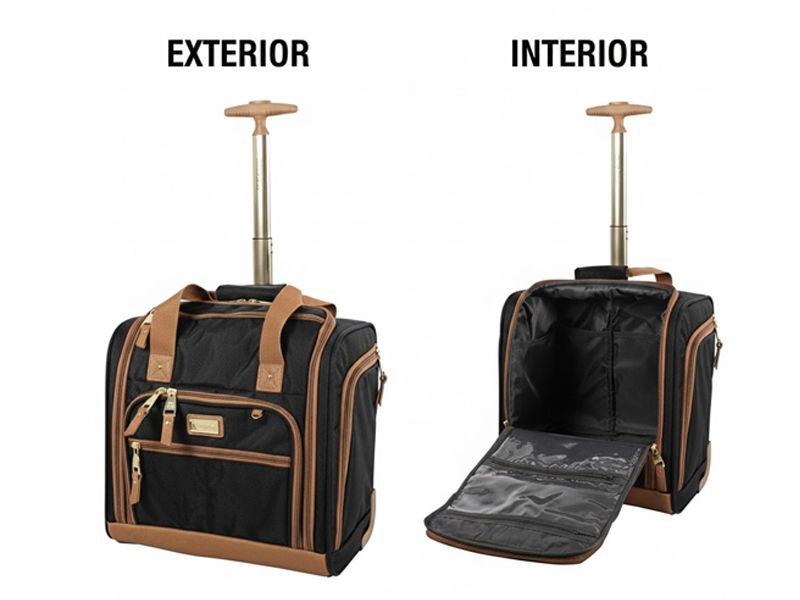
Online shoppers need to see the story at a glance. Use crisp exterior photos, multiple angles, and at least one open interior shot to show main compartments, pockets, and one large main compartment.
A simple comparison chart listing weight, external pockets, materials, and carry-on size can help buyers make a quick decision. If possible, add a short packing demo or a side-by-side weight comparison; it’s an easy way to show the lightest suitcases and the most flexible space before questions arise.
Wrapping Up
Now you have understood that there’s no one-size-fits-all approach for retailers and wholesalers.
Hard suitcases offer strong protection for fragile items and a polished, modern look. At the same time, soft luggage and soft-sided cases provide flexibility, extra packing space, and convenient access to front pockets or exterior pockets.
Stocking both types allows retailers to meet the needs of a broader range of customers, from frequent business travelers to families planning vacations.
We recommend you read our guide, “The top custom B2B leather goods manufacturer in China,” if you want to expand your brand with a great selection of products.
Ready to Stock the Best Luggage for Your Customers?
Observing how travelers pack, what belongings they carry, and the kinds of travels they take can help wholesalers and retailers make informed stocking decisions.
We understand that these trends ensure your inventory matches customer demand and keeps your store ready for the following travel season.
At Gorfia, we specialize in large-volume luggage manufacturing for brands and retailers worldwide. Contact us today to learn more about our product offerings and wholesale opportunities. Let us help you provide the best luggage solutions that your customers will love!