
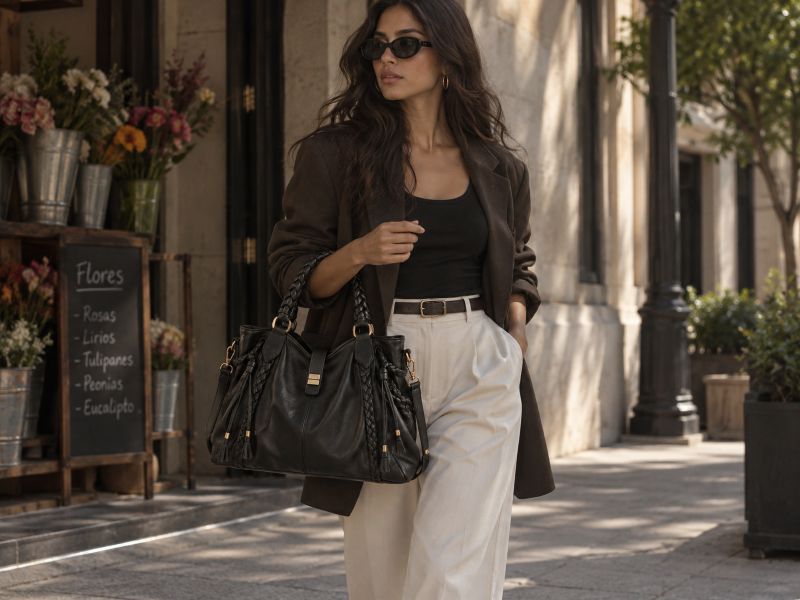
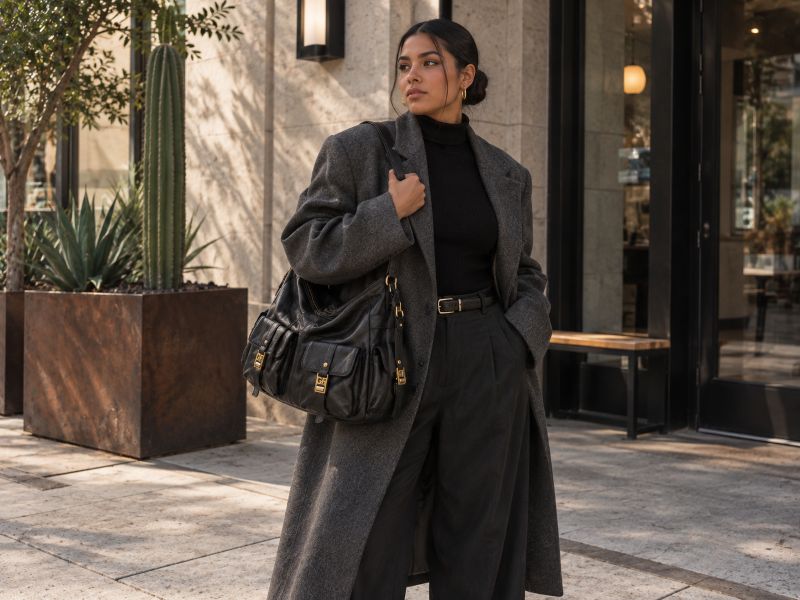
A city bag combines a soft, relaxed silhouette with enough structure for everyday use. For brands, achieving this balance can be challenging: soft leather may lose too much shape when loaded, while excessive reinforcement can make the bag feel rigid.
The Balenciaga City bag and revived Le City line are well-known examples of this aesthetic, combining soft leather, controlled slouch, and visible hardware.
This guide focuses on the development principles behind the style, from material and structure to hardware and sampling.
What Makes the City Bag Style Appealing?
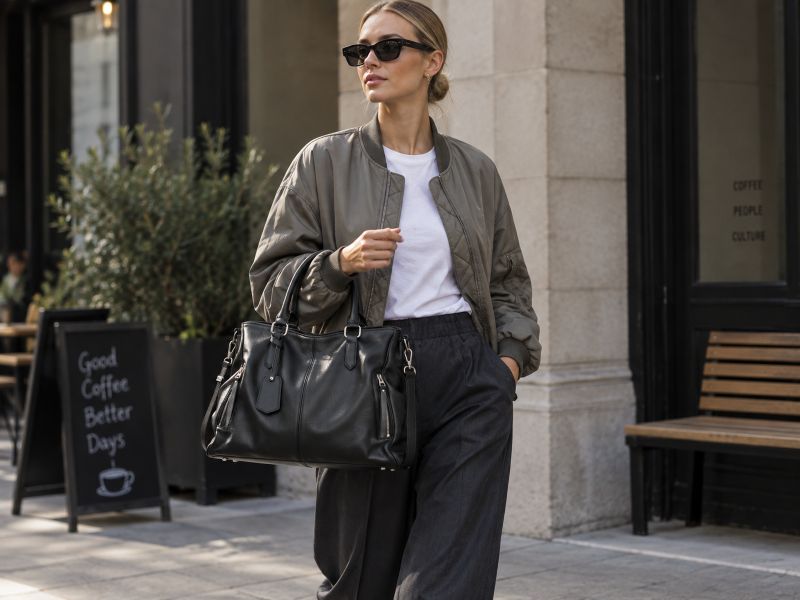
Part of what people love about the city bag is how easily it fits into everyday routines, particularly as softer leather develops more character through regular use. Its medium-to-generous capacity can hold daily essentials, while the handles and optional shoulder strap give the wearer more than one way to carry it.
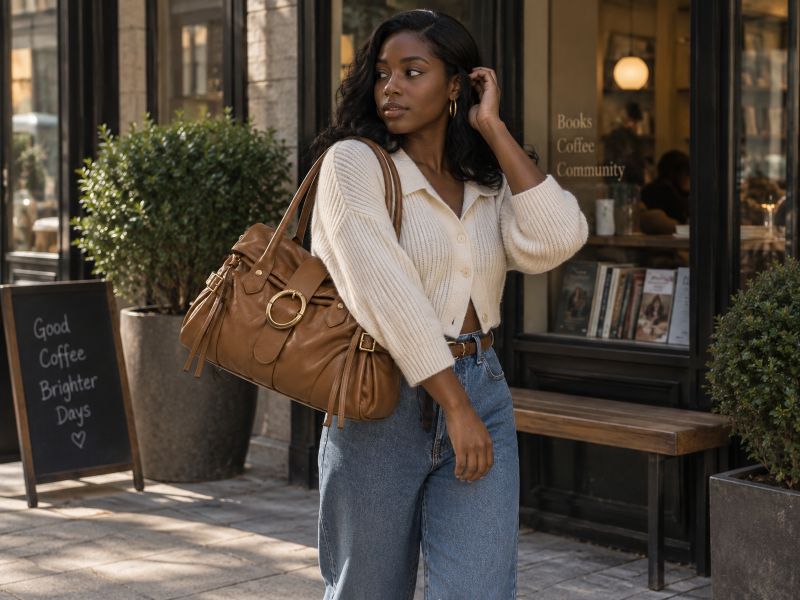
Another reason the city bag works so well is its styling flexibility. The basic shape is practical enough for everyday use, but it does not lock the wearer into one particular look. Depending on the leather, hardware, and finishing, the same general silhouette can feel polished, relaxed, or more casual and moto-inspired. This makes it easier to pair with different everyday outfits across seasons.
For example, smooth leather with restrained hardware gives the bag a cleaner, more refined appearance. Softer or washed leather, exposed zippers, and more noticeable metal hardware create a more relaxed, lived-in feel. These details can change the character of the bag without changing the practical qualities that make the city bag useful in the first place.
Core Features of a City Bag
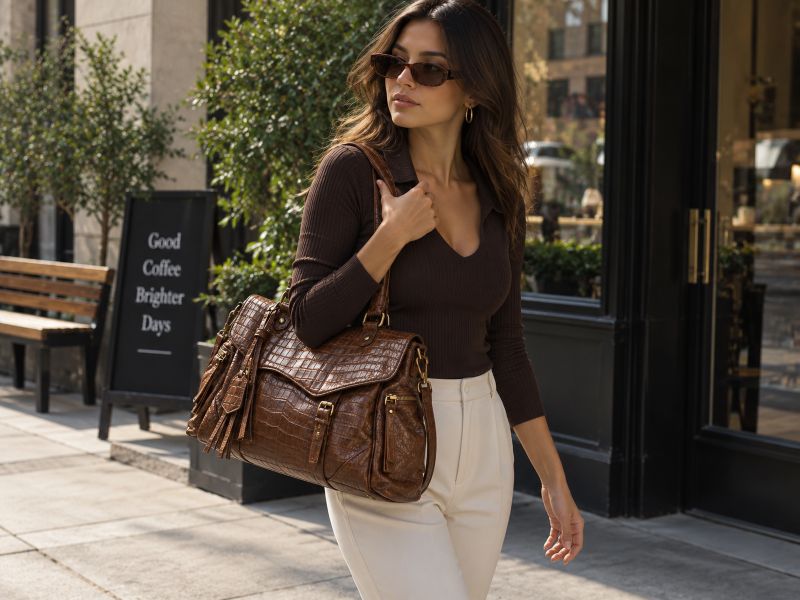
A city bag is usually built around a soft, slightly elongated body with enough structure to hold its overall shape. Top handles are common, while a detachable shoulder strap adds another carrying option without changing the basic silhouette.
The key is the balance between softness and support. The leather should be able to fold and relax naturally, but the base, opening, and handle attachment points still need enough reinforcement for everyday use. This gives the bag a more relaxed appearance than a rigid briefcase while keeping more definition than a basic unstructured tote.
Details then determine how clean or moto-inspired the design feels. Zippers, rings, buckles, long zipper pulls, braided leather, and other hardware can add visual character, but they do not all need to appear on the same bag. A minimal version might use smooth leather and restrained hardware, while a more moto-inspired version can introduce exposed zippers and stronger metal details.
Balenciaga Le City as a Moto-Inspired Reference
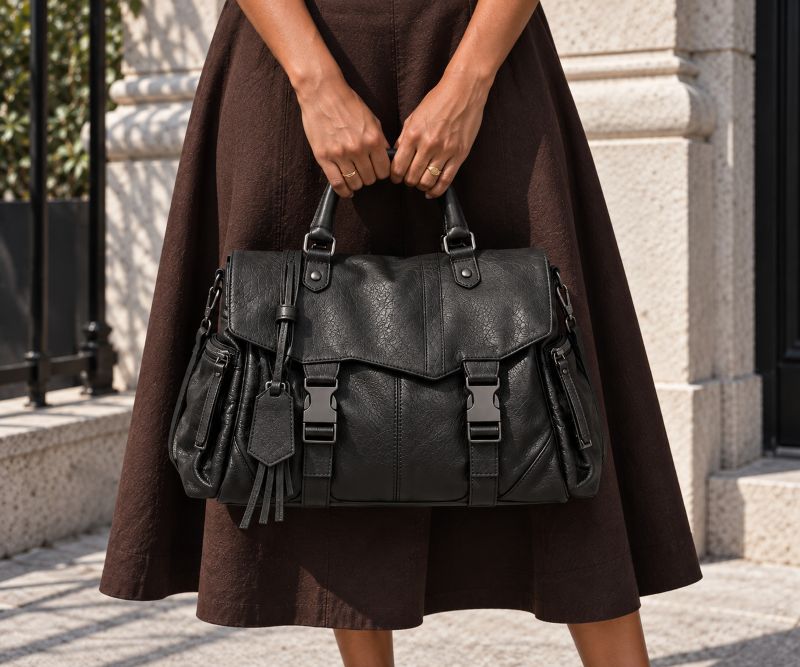
The Balenciaga Le City is a well-known reference when discussing soft, moto-inspired city bags. First launched in 2001 and reintroduced in 2024, the design is known for its relaxed leather body and hardware-led detailing. For the reintroduction, Balenciaga studied and remodeled archival City styles, retaining features such as reinforced corners, small buckles, studs, leather-strung zipper pulls, and a construction designed to develop patina with use.
Current versions continue this design language with textured leather, braided top handles, visible hardware, and long leather zipper pulls. These details add movement and character to the accessory, while the soft body keeps the overall shape relaxed rather than rigid.
More than two decades after the original appeared, Le City remains a useful reference for understanding how leather softness, hardware, and construction can work together in a moto-inspired bag. For brands developing their own city-style bags, however, these elements are better treated as design principles rather than details to reproduce directly.
Choose Leather for the Drape You Want
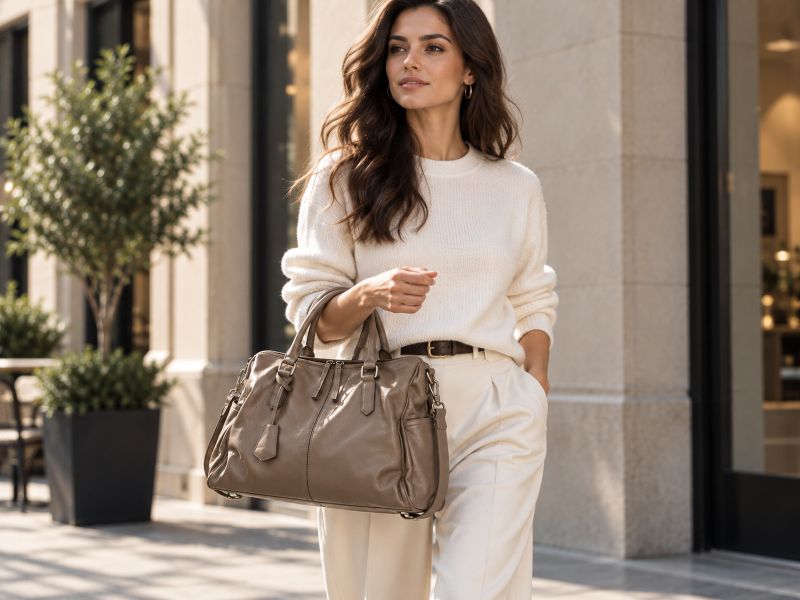
Leather sets the starting point for how a city bag drapes. Softer leather allows the body to fold and relax naturally, creating a more lived-in appearance, while firmer leather produces a cleaner, more controlled silhouette. The goal is to match the leather to the intended shape rather than simply choosing the softest option.
Thickness alone does not determine the result. Temper, grain, backing, and surface finish can all affect how easily the leather bends and how much shape it retains. Two leathers with a similar thickness can therefore behave very differently when used on the same pattern.
Panel size also matters. Larger panels give the material more room to fold and settle, making differences in leather temper more visible. For a roomy city bag, material selection should therefore be evaluated against the actual bag dimensions rather than judged from a small swatch alone.
Build Structure Without Killing the Slouch
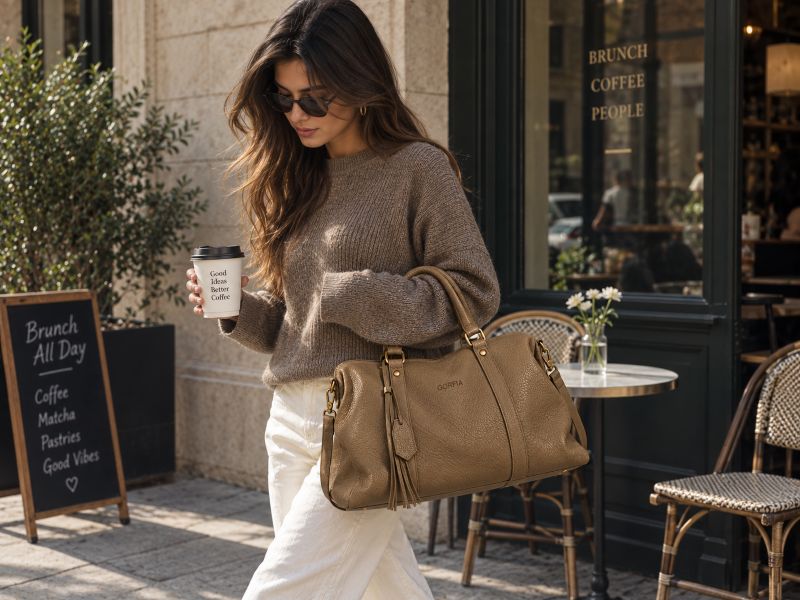
Choosing the right leather does not guarantee that the finished bag will hold the intended shape. Once the lining, hardware, and everyday contents are added, a soft body can behave differently from an empty sample.
In one sample, we used a soft leather with the hand feel we wanted. The empty bag looked right, but under everyday weight, the sides spread outward and the bottom sagged more than intended. Switching to a much stiffer leather would have controlled the shape, but it would also have changed the relaxed character of the bag.
Instead, we adjusted the lining and added light support to the base. The revised sample kept the upper body flexible while giving more control to the areas that were losing definition.
This is why reinforcement should be placed selectively. The base, handle attachments, and shoulder-strap anchor points may need additional support, while the main body can remain soft. Test the finished sample under a realistic load and check whether the base, opening, and side panels still behave as intended.
Match Hardware to the Leather
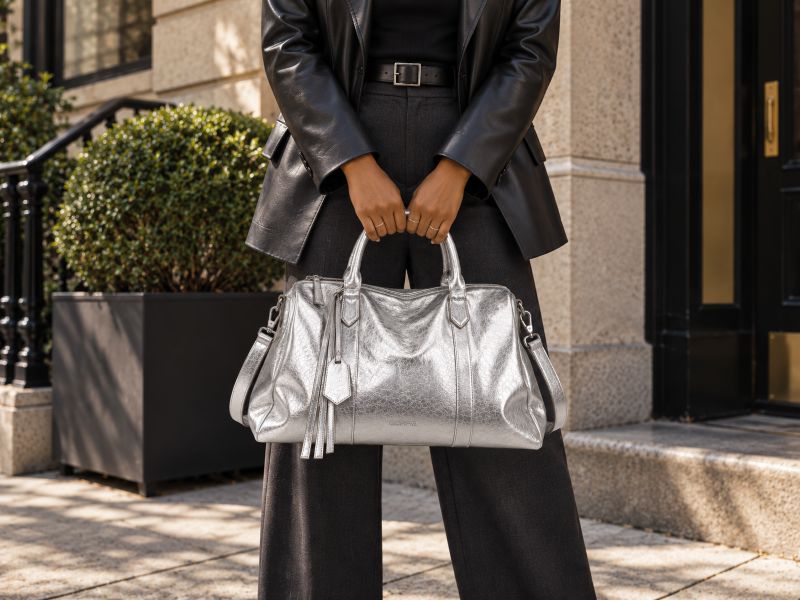
Hardware needs to work with the leather both visually and structurally. On a soft city bag, the size and weight of a zipper, ring, or buckle can affect how the surrounding leather hangs once the component is attached.
This is especially important with supple leather. Hardware that looks proportionate on a technical drawing may pull a panel downward or make the bag feel uneven if it is too heavy. Instead of choosing components by appearance alone, consider their weight in relation to the softness of the leather and the amount of reinforcement around the attachment point.
Finish should be checked separately. Components specified as the same metal finish can still vary slightly in tone, gloss, or surface character. A warmer gold may introduce a slightly yellow cast next to some leather colors, while a cooler finish can create a different overall effect. Comparing the main hardware pieces together on the actual leather makes these differences easier to spot before approval.
This becomes more noticeable on a moto-inspired city bag, where zippers, studs, rings, and buckles may appear close together. Review the hardware as a complete set rather than approving each component in isolation.
Sample the City Bag Under Real Use
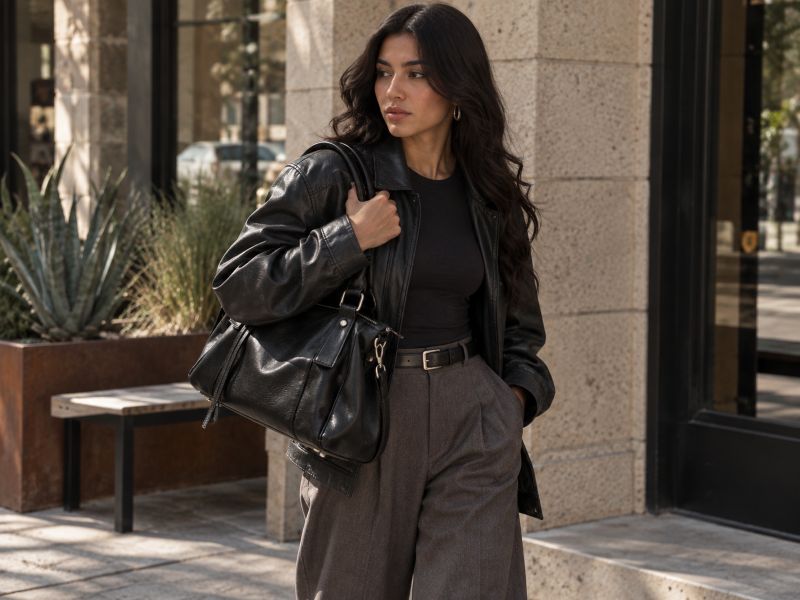
During final sampling, we test the city bag with a representative everyday load and carry it by both the top handles and shoulder strap. This shows how the complete bag performs under the weight and carrying methods it was designed for.
The review covers the base, side panels, opening, zipper movement, hardware, and handle or strap attachment points. For a soft city bag, some movement is expected, but it should not interfere with access, carrying comfort, or the overall proportions of the bag.
Any problem found at this stage should be traced to the specific area causing it. A base that drops too far, an opening that becomes difficult to use, or an attachment point that takes too much strain may require different adjustments. Testing these points together helps confirm that the finished design works as intended without unnecessarily changing its relaxed character.
City Bag Development Checklist
| Development area | What to approve | Main risk |
| Leather | Softness, grain and finish | Too rigid or too shapeless |
| Base | Support level | Excessive sagging |
| Lining | Weight and attachment | Changing the drape |
| Handles | Placement and reinforcement | Panel pulling |
| Hardware | Finish, size and weight | Mismatch or distortion |
| Opening | Access when loaded | Zipper or shape interference |
| Bulk reference | Acceptable variation | Sample-to-production drift |
Control Variation Before Bulk Production
Once the city bag sample is approved, turn the key details into clear production standards, including measurements, leather character, hardware placement, and overall proportions.
For natural leather or distressed finishes, define acceptable variations in grain, color, and surface character before production begins. This helps distinguish normal material variation from actual production inconsistency.
Compare pre-production bags with the approved sample for key details such as shape, handle alignment, pocket position, and hardware placement. These standards can then be used as QC checkpoints throughout bulk production.
FAQs
What is a city bag?
A city bag is an everyday handbag with a soft, relaxed body, practical capacity, top handles, and often a shoulder strap, combining a slouchy silhouette with enough structure for daily use.
Which parts of a city bag usually need reinforcement?
The base and load-bearing attachment areas often need the most support. The exact construction depends on the leather, hardware weight, and expected carrying load.
Can a city bag use faux leather?
Yes. Brands don’t necessarily need to worry that faux leather will make the silhouette too structured; what matters is whether its hand feel, backing, and flexibility create the intended style. Still test the complete bag for shape and attachment performance.
Should a city bag have a detachable shoulder strap?
It is not essential, but a detachable shoulder strap adds another way to wear the bag without changing the top-handle look. Its clips and attachment points should match the expected load.
Can a city bag be used for work?
A city bag can work for daily commuting when its size, opening, and internal space suit what you need to carry. More relaxed versions offer the same everyday function without the rigid appearance of a traditional work bag.
Conclusion
Before approving a city-style handbag, evaluate the assembled sample under the conditions it was designed for.
The leather should deliver the intended character while the structure and hardware continue to work once the bag is carried. Use that tested sample as the production reference rather than approving the design from an empty prototype alone.
Develop a City-Style Bag With Gorfia
If your brand is developing a soft leather city-style handbag, Gorfia can support material selection, hardware development, sampling, reinforcement, and production consistency.
Contact the Gorfia team to discuss the structure and performance you want to validate before bulk production.