
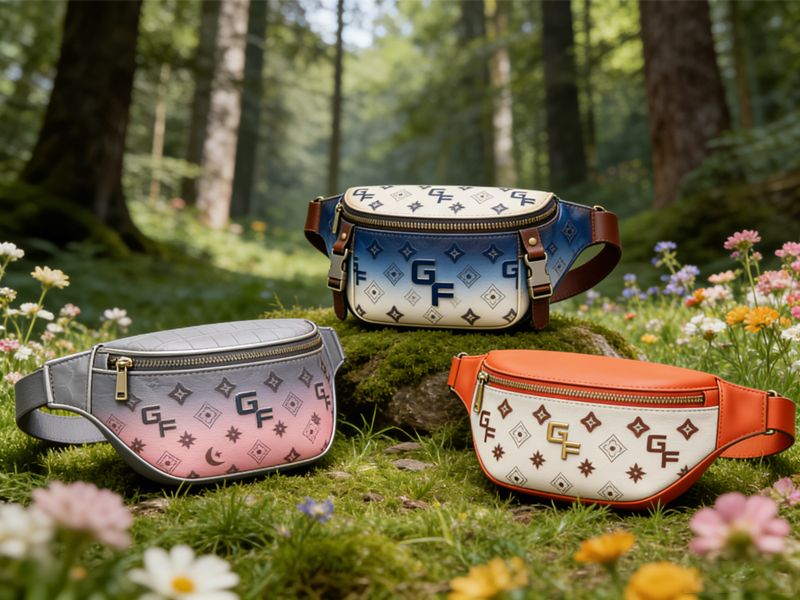
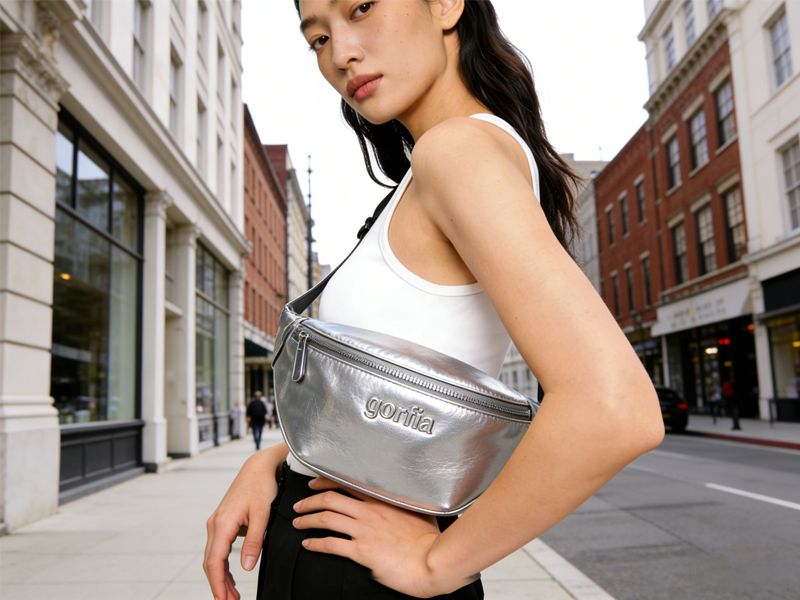
Fanny packs have returned as functional, versatile bags for daily use and travel. Placement on the waist, hips, or in a crossbody sling style influences comfort, usability, and overall appearance.
Understanding how to wear a fanny pack, choose the right size, adjust the shoulder strap, and select the right fabric quality helps ensure it performs reliably in daily use or outdoor settings.
This guide explains modern styling ideas, outfit pairing options, and key construction factors that affect long-term durability.
Why Hands-Free Bags Are Back — And Why It Matters
Growing Mobility Drives Demand for Hands-Free Bags
Hands-free bags are gaining popularity because they match modern, fast-paced lifestyles. Industry research estimates the global handbag market at $56.48B in 2024. It projects it to reach $81.79B by 2030 (a 6.5% CAGR), reflecting sustained demand for compact, functional bags designed for mobility and daily carry.
Compact Bags Fit How People Live Today
Global accessories market insights show continued growth in luggage and bags built for daily use and travel. Consumers increasingly prefer lightweight, versatile options that sit comfortably on the waist or across the body in a crossbody sling style, supporting convenience and easy access to essentials.
From Utility Item to a Trendy Fanny Pack
Fashion has reshaped the fanny pack’s role. Once purely functional, it is now a trendy accessory seen in street style and layered over jackets, hoodies, or dresses. Materials, positioning, and silhouette shape how it integrates into modern outfits.
What Is a Fanny Pack? Names, Meanings, and Context
A fanny pack is a compact bag worn around the waist or hips, or styled across the body with an adjustable shoulder strap. Different terms are used depending on placement and design, but the core structure remains the same.
“Fanny Pack” — The Traditional Term
A fanny pack is the most common term in the United States and usually refers to styles secured at the waist with a buckle. It is often associated with relaxed clothing, travel, and daily carry.
“Belt Bag” — A Fashion-Led Interpretation
A belt bag is more common in fashion settings. It typically refers to slimmer designs, often made from leather or premium fabrics, and positioned as a styling accessory layered over jackets or dresses.
“Waist Pack” — Practical and Travel-Oriented
A waist pack is commonly used for travel and outdoor activities. The term emphasizes function, comfort, and secure storage with multiple compartments for essentials.
“Sling” or “Crossbody Pack” — Placement-Based Naming
A sling or crossbody pack describes a bag worn diagonally across the chest or over one shoulder. The term focuses on placement rather than structure.
Understanding these names clarifies how the bag is positioned and used.
How to Wear a Fanny Pack: Core Placements Explained
Placement directly affects comfort, balance, and accessibility. The way a fanny pack is worn also influences overall style.
Below are the most practical placement options for different outfits and situations.
Around the Waist — The Classic Placement
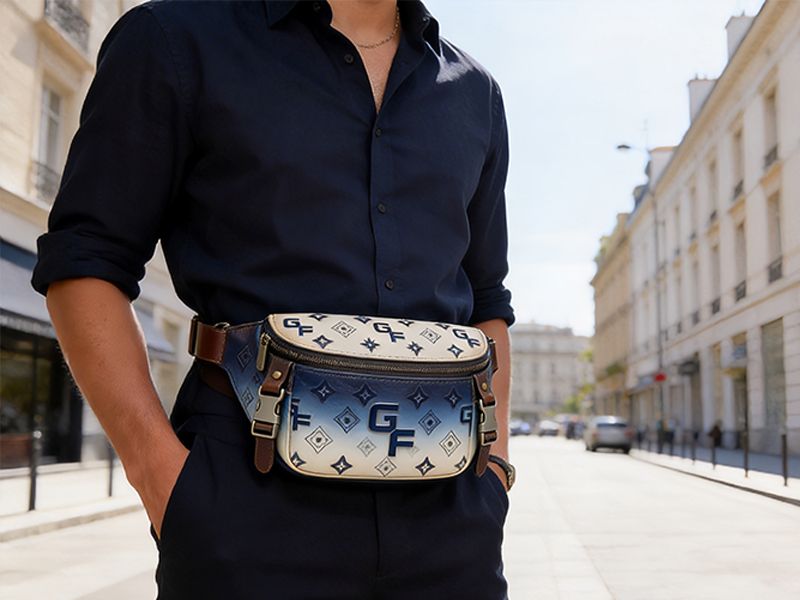
Wearing a fanny pack at the waist is the traditional approach. Secured with a buckle, it offers easy access and balanced weight distribution.
Position it slightly above the hips to reduce movement and maintain a clean silhouette. A slight rotation to the side creates a more modern look and pairs well with jeans, cargo pants, or layered outerwear.
Pros
- Easy access to contents and front pockets
- Even weight distribution
- Comfortable for extended use
Cons
- Less secure in crowded environments
- Oversized designs can appear bulky
Crossbody Carry — Front and Back Sling Styles
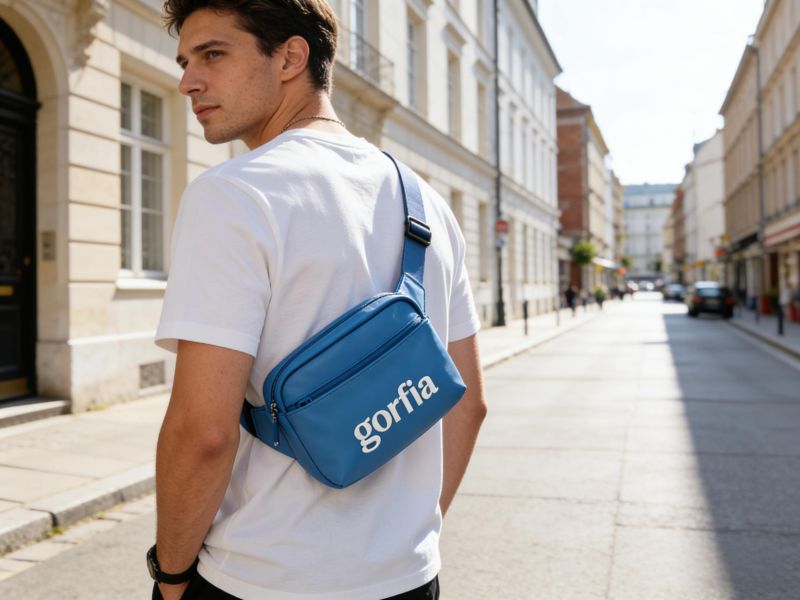
Crossbody carry is a popular modern sling option that offers a secure, contemporary look.
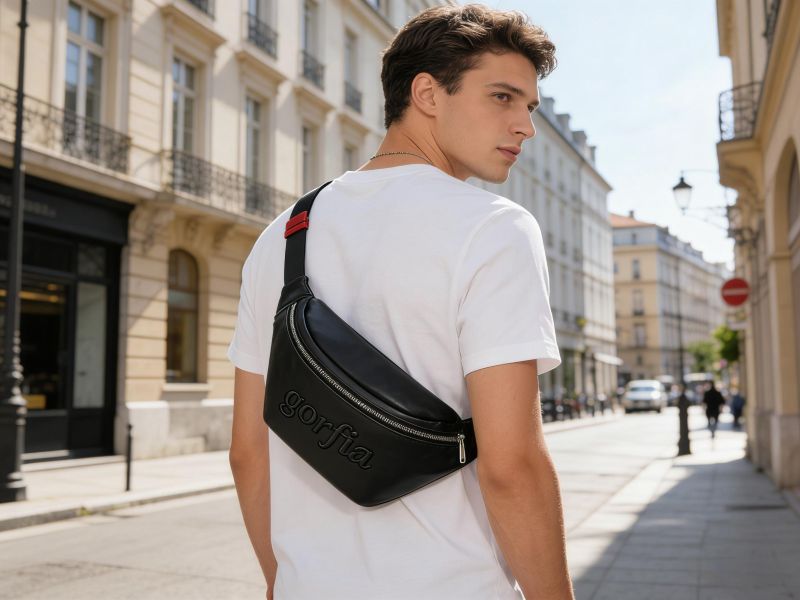
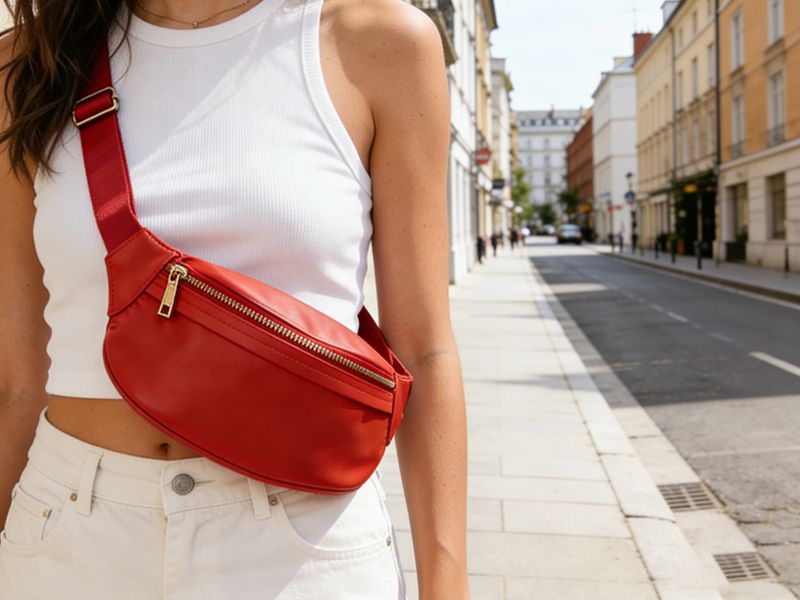
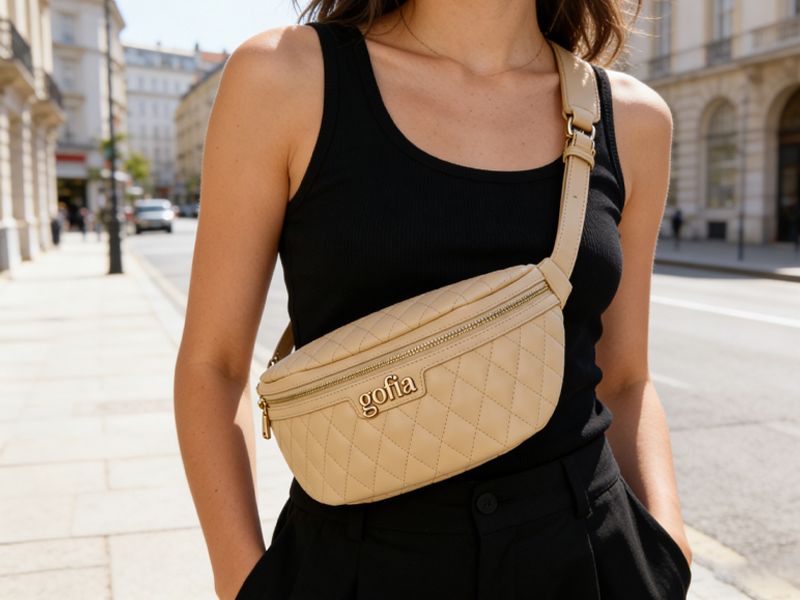
The bag rests across the chest or upper torso and is worn over one shoulder to keep essentials and belongings accessible. It can rotate toward the back when walking or cycling. A snug fit improves comfort and stability.
Pros
- More secure in crowded environments
- Modern, versatile appearance
- Suitable for relaxed or fashion-focused outfits
Cons
- Limited storage capacity
- May feel warm in hot weather
High-Waisted or Belt-Style Wear
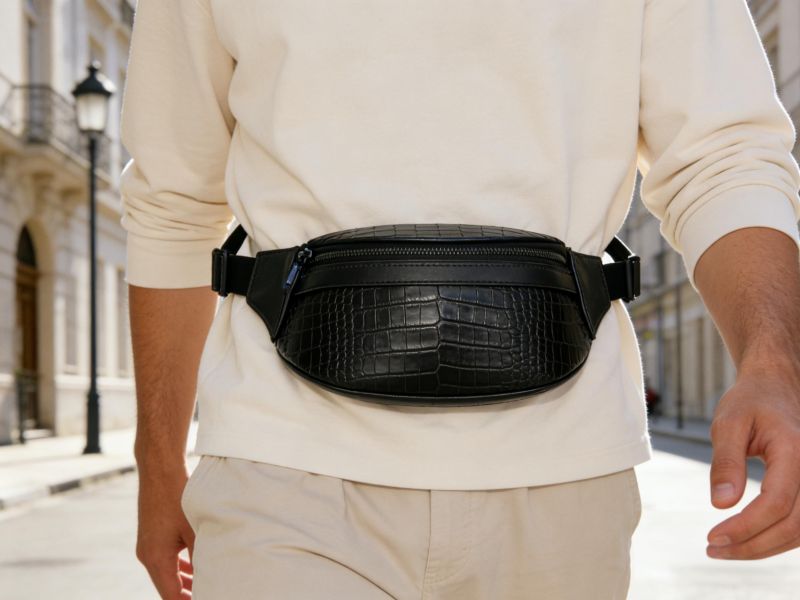
High-waisted wear positions the fanny pack at the waist or hips, making it a styling accessory. It pairs well with tailored pants, jeans, or structured outfits.
Securing it through belt loops improves stability, while compact designs maintain a clean silhouette.
Pros
- Clean, minimalist look
- Strong styling versatility
Cons
- Limited storage space
- Less suitable for heavier items

Over-the-Shoulder Carry for Daily Use
Over-the-shoulder carry offers a relaxed option for short outings or errands. The bag rests under one shoulder, close to the torso.
Proper adjustment prevents slipping and keeps essentials secure in interior pockets during movement.
Pros
- Easy to put on and remove
- Relaxed, laid-back appearance
Cons
- Less secure than front carry
- Can shift while walking
Styling a Fanny Pack — From Casual to Fashion-Forward
Styling determines whether a fanny pack blends naturally into an outfit or feels unbalanced. Proportion, color, and placement shape the overall look.
Street Style Fanny Pack Looks
Streetwear pairs hoodies, joggers, and sneakers with a crossbody or slightly off-center waist or hips placement for balance. Layering a jacket over the fastening helps the bag blend seamlessly. A compact black bag works especially well with layered outfits.
Fashion-Forward Crossbody Styling
For polished outfits, slim designs worn higher on the chest create a structured, modern silhouette. Leather or minimalist materials enhance style without adding visual weight.
Regular Casual Fanny Pack Outfits
For regular wear, nylon packs styled with a T-shirt and jeans offer comfort and practicality. Choosing the right size for your body proportions maintains balance and prevents a bulky look.

Styling Tips by Audience and Use Case
Styling Tips for Men
Men typically wear fanny packs, crossbody bags, or waist packs. Crossbody placement pairs well with jeans, cargo pants, hoodies, or jackets, while waist positioning creates a classic look at the hips.
Neutral, compact designs integrate easily into relaxed outfits.
Styling Tips for Women
Women often wear fanny packs as belt bags or crossbody accessories. Belt placement pairs well with dresses or high-waisted pants, while a sling position over one shoulder adds comfort and versatility.
Slim designs help maintain a balanced silhouette.
Accessorizing with a Fanny Pack
Fabric choice, size, and the positioning of the fastening system influence how naturally the bag integrates with clothing. Compact styles improve comfort and make it easier to access essentials and belongings.
Fanny Pack Trends
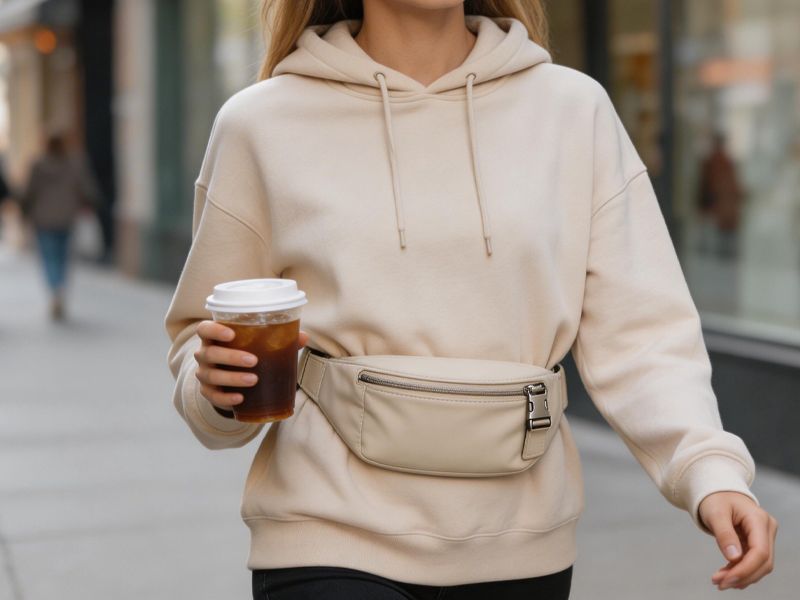
Fanny packs remain popular for their practicality and versatility. Modern designs prioritize lightweight materials and compact sizing.
Nylon and polyester offer durability, while leather adds structure. Crossbody or waist placement, often styled as a sling across the chest or hips, reflects minimalist trends.
How to Choose the Right Fanny Pack
Construction quality determines long-term durability. Fabric choice, stitching, buckle strength, and hardware all affect comfort and reliability over time.
Size Guide
The right size depends on intended use:
| Size | What It Fits | Best For |
| Small | Phone, cards, lip balm, keys | Short outings, minimal carry |
| Medium | Phone, wallet, keys, small essentials | Daily use, commuting, casual trips |
| Large | Phone, wallet, power bank, small toiletries | Travel, festivals, outdoor activities |
Fabric and Material Quality
Fabric affects weight and durability. Leather fanny packs offer a structured look but require more care. Nylon and other synthetic materials are lightweight and durable, while canvas provides a relaxed feel. Weave density and construction influence long-term wear.
Hardware and Construction Details
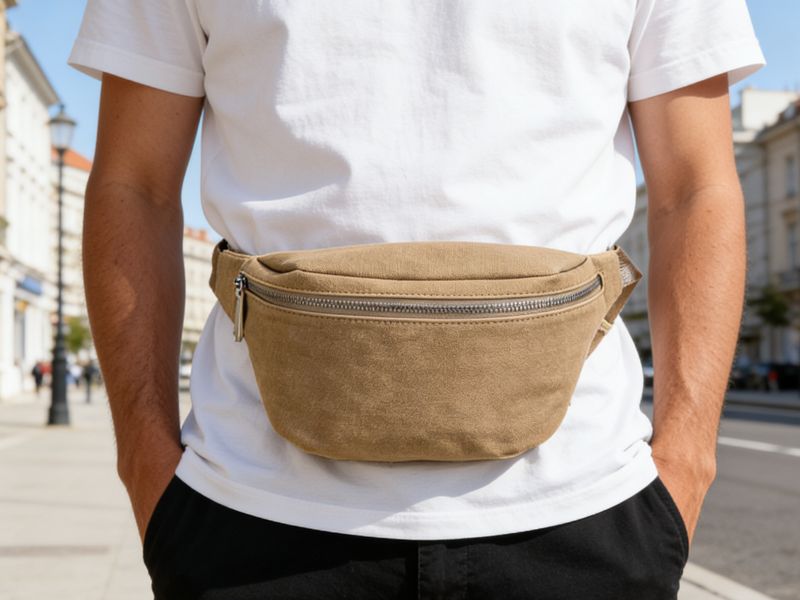
Zippers, strap attachments, and stitching are common stress points. Reinforced seams, durable hardware, and secure pockets or multiple compartments improve stability and storage.
Wider shoulder straps enhance comfort, especially when the pack rests at the waist or hips.
Everyday Use of a Fanny Pack: Fit, Security, and Care
When a Fanny Pack Makes the Most Sense
Fanny packs are especially useful for outdoor activities and situations that require mobility and quick access to essentials:
- Travel and sightseeing
- Concerts and festivals
- Daily commuting
- Relaxed outings
Their compact design reduces bulk compared to larger bags or backpacks.
Fit and Security Tips for Regular Use
Keep the waist belt snug so the pack rests securely at the waist, hips, or in a front sling position. Placement across the chest improves visibility and reduces theft risk.
Use internal pockets to organize valuables and prevent shifting. Proper buckle adjustment enhances comfort and stability.
Basic Maintenance for Long-Term Use
Clean the bag regularly with a soft cloth and mild soap. Avoid harsh chemicals that may damage leather or fabric. Store it in a dry place, away from direct sunlight, to preserve its structure and color. Consistent care supports durability and long-term performance.
FAQs
Are fanny packs still fashionable?
Yes. Modern designs suit both casual and structured outfits.
What is the most secure way to wear a fanny pack?
Front crossbody placement offers the best visibility and security.
Are fanny packs good for travel?
Yes. Their compact size and hands-free carry make them practical.
How tight should a fanny pack be worn?
Snug against the body without restricting movement.
Conclusion
In conclusion, the functionality and user experience of a fanny pack are determined by its placement, sizing, and construction. When optimized, these elements greatly enhance comfort, accessibility, and daily usability.
High-quality materials and proper fitting ensure long-lasting performance, while intentional styling balances practicality and modern appeal.
These key design principles are exactly what we apply to every fanny pack we develop and produce.
Call to Action
As a manufacturer supporting bag and accessory brands worldwide, we understand how design and construction affect comfort and durability.
If you’re developing fanny packs, explore our capabilities in materials, construction, and quality control. We also offer OEM and ODM services from sampling to full-scale production.