
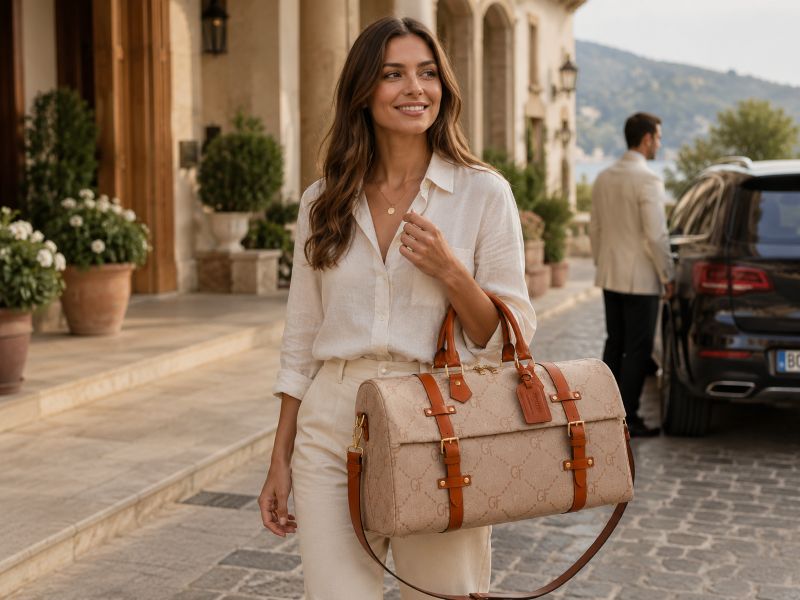
A modern travel bag does not look the same as one from five years ago. It is not only about fashion. Travel habits changed, online shopping changed, and shoppers expect bags that look good, carry well, and feel reliable.
You can see the difference in cleaner silhouettes, fewer exposed pockets, softer lifestyle colors, and hybrid shapes that work for a short trip, daily movement, or an airport journey.
Global travel demand remains active. The UN World Tourism Barometer shows continued growth in international tourist arrivals in 2025 compared with 2024, giving this topic clear market relevance.
So the best product today is not simply the largest, most stylish, or most expensive option. The best travel bags match how you move, what you pack, how you carry, and how easily you can stay organized.
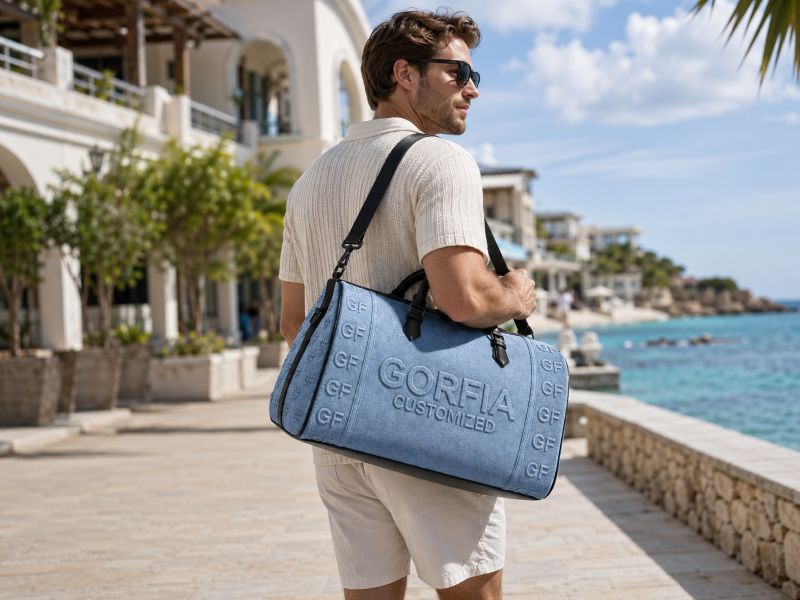
How New Travel Habits Changed Travel Bag Design Requirements
Travelers now expect one bag to do more jobs
Five years ago, many people bought bags for clearer travel moments: one for work trips, one for vacations, and one for weekend use.
Today, one travel bag may move from the airport to the hotel, then to a meeting, a gym locker, a short road trip, or a walk around town.
This does not mean every bag needs more compartments, mesh pockets, or a bigger shape. It means the product must help you organize clothes, gear, and essentials without becoming heavy.
That is why many modern travel bags now look less like single-purpose luggage and more like weekender, duffel, travel tote, backpack, or personal item hybrids.
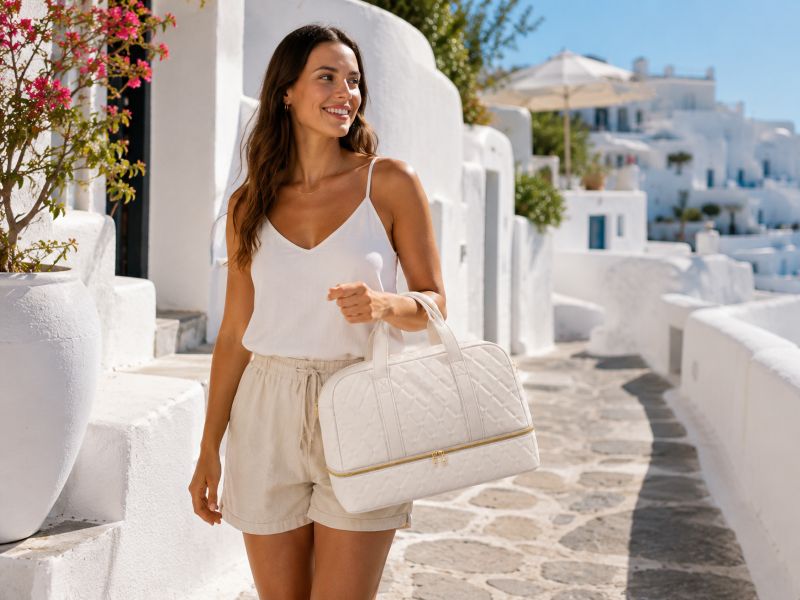
How Online Shopping Changed the Way People Judge Travel Bags
Online shopping changed how people judge bags. Before you touch the product, you may study photos, reviews, videos, return policies, and small details.
If the handle looks weak, the zippers look tight, or the shape looks unstable, shoppers may not give it a second chance.
This is one reason modern travel bags often feature cleaner silhouettes, fewer exposed exterior pockets, and fewer decorative details than older, feature-heavy designs.
Stable structures also photograph better, especially when a bag needs to look balanced beside roller luggage, under a seat, or near overhead bins. Softer lifestyle colors and better-balanced proportions also help travel bags feel less like bulky luggage and more like everyday carry products.

Why “Best Travel Bags” Now Means Fit, Structure, and Performance
The phrase “best travel bags” used to focus mostly on bag size, price, or brand name.
Now it is more about behavioral fit. Does the bag carry well when full? Does it keep its shape? Does it protect belongings? Does it work with packing cubes, clothes, gear, and daily stuff?
For brands, product planning starts before the design looks finished.
What Brands and Buyers Should Decide Before Development
Define the Use Case Before Choosing the Bag Type
A successful travel bag starts with the customer routine, not a factory catalog.
Before planning a new product, define the main travel scenario first. Is the bag meant for weekend trips, daily commuting, business travel, women’s lifestyle travel, gifting, or mixed everyday use?
This helps brands avoid choosing a bag type too early. The right direction should come from how the customer will actually use the bag, how often they will carry it, and what role the product needs to play in the overall collection.

Use Sampling Questions to Clarify Product Risk
Sampling should not be a simple visual approval step.
Ask where the bag carries the most stress, whether it keeps its shape when packed, whether the zippers feel smooth when full, and whether the factory can repeat the construction before price, material, and production decisions become harder to change.
Choose Development-Focused Suppliers Early
Some suppliers can make a bag from a spec sheet. Stronger suppliers help improve the product before production starts.
For travel bag development, it is better to involve the supplier early, especially when the product requires custom branding, structure adjustments, MOQ planning, cost control, or delivery coordination.
Early supplier input can help brands identify production risks, improve sample accuracy, avoid unnecessary revisions, and make the final product easier to scale.
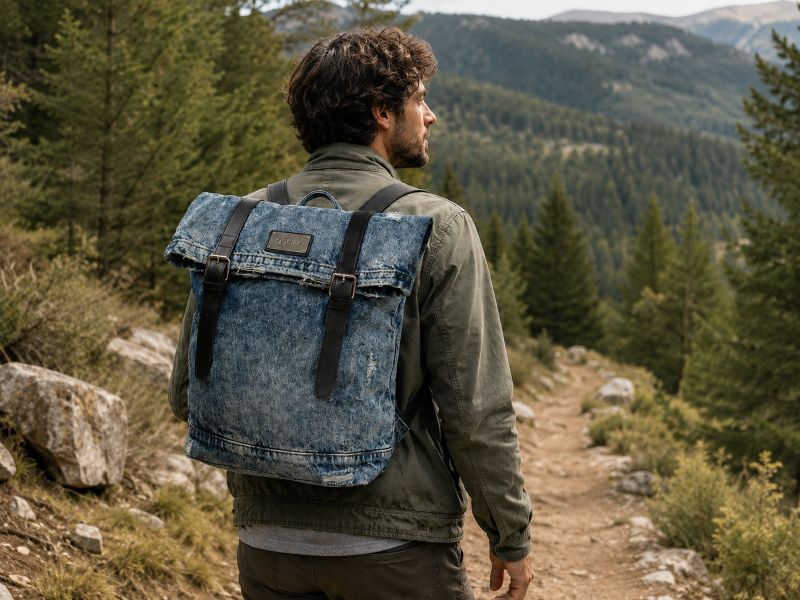
How Travel Bag Product Development Works from Brief to Bulk Production
Step 1: Build a Factory-Ready Product Brief
A factory-ready brief is more than a picture and a target price. It should explain the customer, the use case, the expected quality level, branding needs, testing expectations, the MOQ target, and the delivery plan.
If a brand asks for a clean weekend travel bag, the factory must know whether “clean” means fewer seams, hidden pockets, minimal hardware, softer structure, leather trim, or a premium finish.
Step 2: Balance Visual Design with Real Usability
A bag can look excellent in a photo and still fail in use.
A sleek shape may collapse when packed. A narrow handle may look elegant, but it can feel painful under weight. A flat bottom may lose balance if the internal structure is weak.
Good product development checks how each visual choice affects carrying, packing, walking, and long-term use. The strongest designs are not packed with tons of features; their structure, function, and style work together.
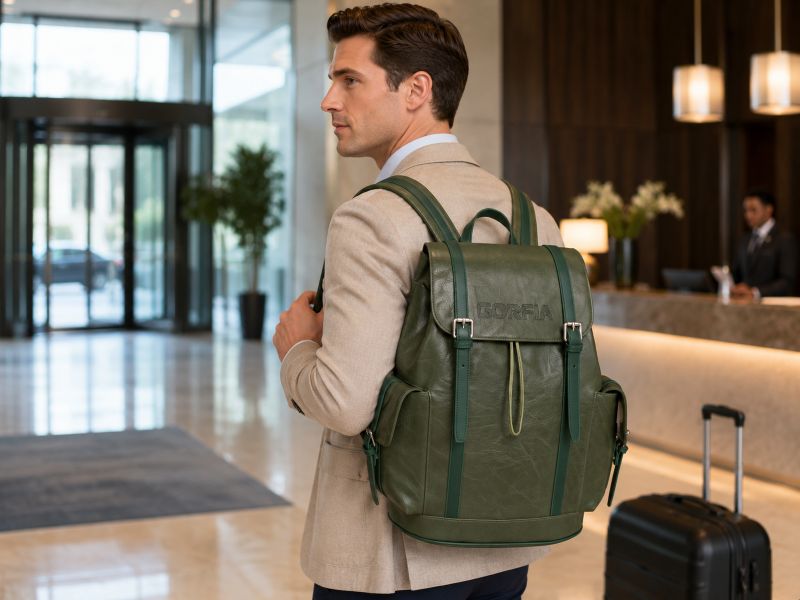
Step 3: Use the First Sample to Find Hidden Problems
A realistic sample test can reveal issues that a drawing never shows.
For one two-night travel bag sample, the test load included two outfits, a toiletry pouch, a charger pouch, shoes, a light jacket, and a computer sleeve.
During testing, the zipper pulled too tightly near the corner, the side handle wrinkled the body panel, and the bottom corners showed early abrasion. The team adjusted the zipper curve, reinforced the handle base, extended corner protection, and changed the stitching path.
The next sample packed more smoothly, stood better when loaded, and showed less strain. Listed capacity or fabric strength alone does not prove real usability.
Step 4: Review Stress Points and Hidden Construction Details
Most shoppers notice color, shape, and outside design first.
Factories worry about hidden details: handle attachment, zipper ends, seam binding, bottom corners, lining movement, metal rings, straps, and reinforcement placement.
A travel bag often fails where force gathers. A lightweight fabric with better backing, cleaner binding, stronger bar-tacks, and smarter reinforcement can outperform a heavier fabric with poor construction.
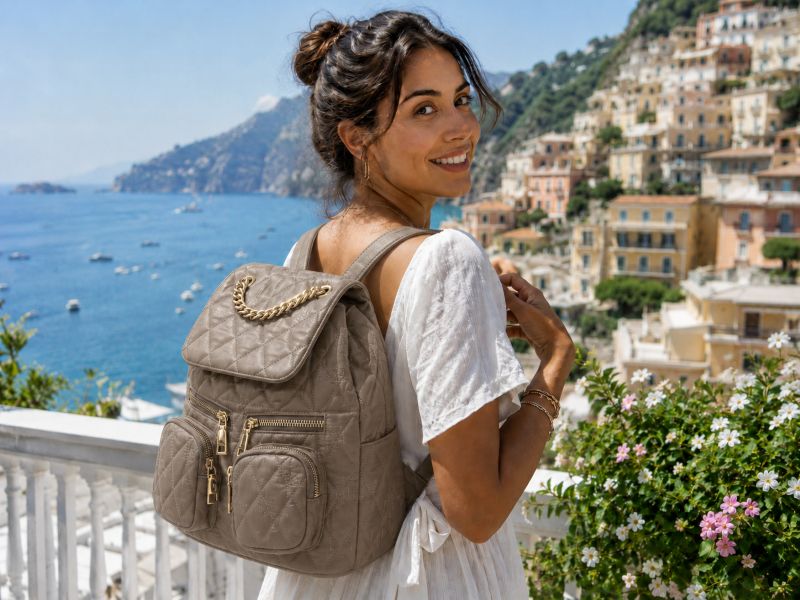
Step 5: Test Size, Structure, and Load Performance
Two products can have a similar bag size and feel completely different.
One may pack smoothly and carry close to the body. Another may bulge, lean forward, or strain the zippers when loaded.
This happens because shape, panel cutting, reinforcement, lining control, and weight distribution all affect performance. Buyers should load it, carry it, place it down, open it repeatedly, and check whether it stays stable.
Step 6: Run Real-Use Testing Before Approval
Testing turns a nice sample into a reliable product.
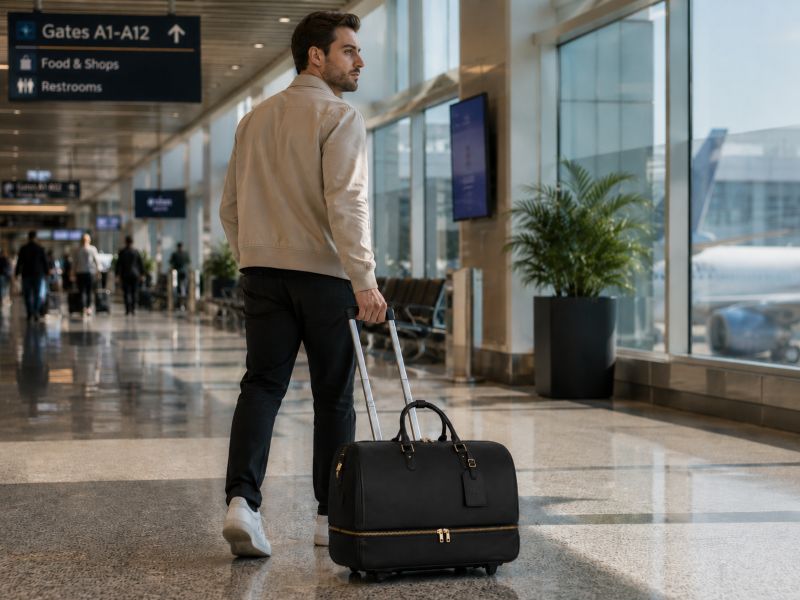
Important checks include loaded carry tests, zipper pull tests, handle strain checks, abrasion checks, standing stability, seam tension, hardware smoothness, and wheel glide for rolling bag styles.
These tests matter when bags are used with carry-on luggage, a personal item, backpacks, and other luggage on busy planes. The TSA checkpoint travel numbers show how many travelers move through airport screening each day in the United States.
Step 7: Control Production Consistency After Sample Approval
A beautiful approved sample does not guarantee a strong bulk order.
Problems can appear through material batch variation, sewing differences, inaccurate reinforcement placement, lining tension, zipper inconsistency, wheel alignment, or hardware substitution.
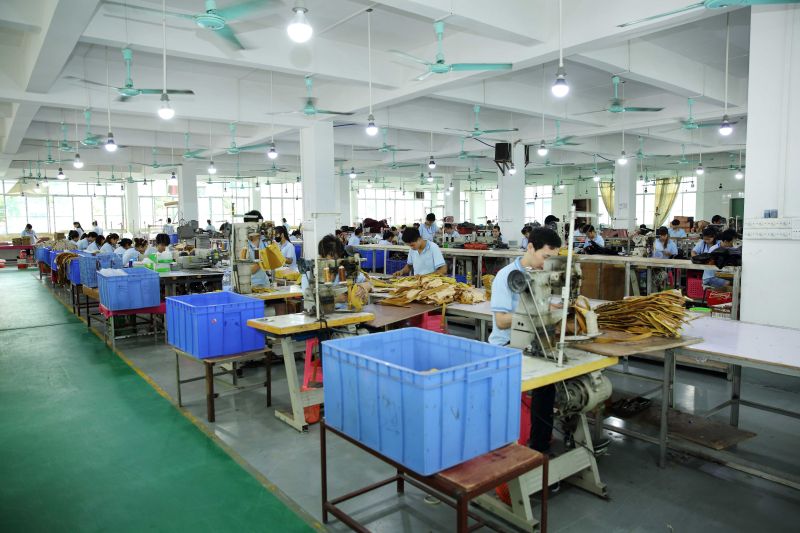
That is why quality control should start with a clear approved sample, specifications, production checkpoints, and final inspection standards.
Quick Comparison: What Changed in Travel Bag Development
The shift in travel bag development is not only visual. The comparison below shows how buyer expectations, product structure, and quality checks have changed.
| Development Area | Five Years Ago | Today | What Buyers Should Check |
| Visual design | Feature-led, with more exposed pockets | Cleaner, lifestyle-led, and easier to present online | Does it look useful and trustworthy online? |
| Carry behavior | Often secondary | Central to product judgment | Does it feel balanced when full? |
| Structure | Based on style | Based on use and stability | Does it keep shape after packing? |
| Hardware | Chosen for look or cost | Judged by smoothness and reliability | Do zippers, wheels, and buckles work under stress? |
| Reinforcement | Added in obvious places | Planned around real stress points | Are handles, corners, and straps supported? |
Market Trends Shaping the Next Generation of Travel Bags
More flexible travel creates flexible product expectations
Travel is no longer limited to one annual vacation or one business trip.
People take shorter trips, mix leisure with work, and want products that fit daily movement as well as travel. IATA reported that air travel demand grew in 2025, with international demand rising faster than domestic demand in its 2025 passenger demand release.
Value is becoming more visible
Modern shoppers notice stitching, hardware, finishing, structure, compartments, and whether the product feels worth the price.
Market reports also show long-term category growth. Grand View Research valued the global luggage market at USD 43.1 billion in 2025 and projected continued growth in its luggage market report.
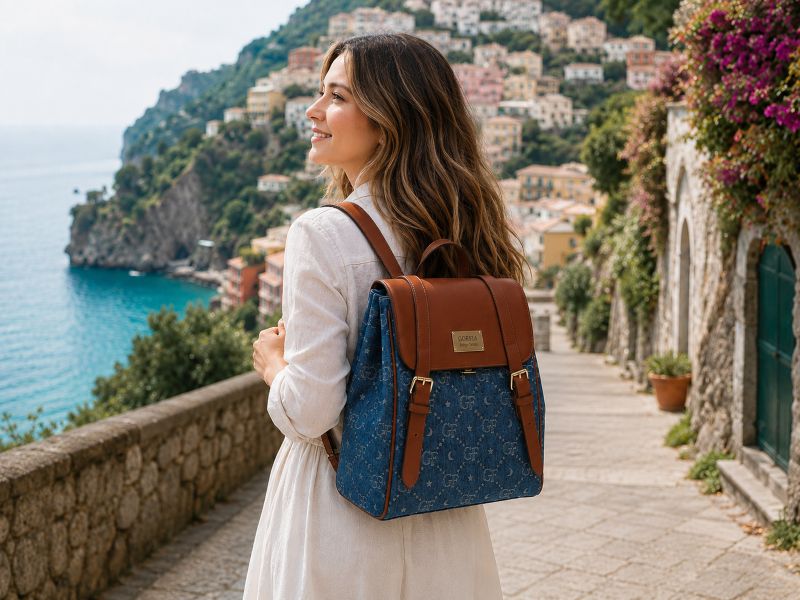
Smarter development matters more than adding more features
The next generation of travel bags is not defined by how many functions a product can include.
For brands and buyers, the stronger question is which functions are truly necessary for the intended use case. Every added detail should support carrying comfort, packing flow, product stability, or customer value. If it does not, it may only add cost, weight, and production complexity.
This is why clear development priorities matter before sampling starts. A focused travel bag is often easier to use, easier to produce consistently, and easier to position in the market.
FAQs About Modern Travel Bags
Why do travel bags look more minimal today?
Many modern travel bags look more minimal because shoppers want products that feel clean, flexible, and easy to use across different routines.
Are the best travel bags always the most expensive?
No. The best travel bags are not always the most expensive. Price matters, but performance depends on design, construction, reinforcement, testing, and a good fit for use. The best way to invest is to choose a product that balances quality, durability, and versatility.
Why do some travel bags fail even when the fabric feels strong?
Fabric is only one part of durability. A travel bag can fail due to weak stitching, poor seam binding, loose lining, poor zipper placement, weak handle attachment, or missing reinforcement at stress points.
What should buyers check before sourcing travel bags?
Buyers should check the target customer, price band, stress points, branding method, production timeline, MOQ, and quality control plan. They should also test the bag with a real load.
Conclusion
The best modern travel bag is created by understanding real behavior, testing real use, addressing weak points, and ensuring production can reproduce the approved result.
If you are also evaluating how duffel bags fit into airline travel routines, read our guide on whether a duffel bag can be used as a personal item.
CTA
Before starting a new travel bag order, it is worth turning the idea into a clear development brief. Define the target user, use case, structure, material direction, branding needs, MOQ range, and quality expectations first.
A clearer brief helps suppliers quote more accurately, sample more efficiently, and reduce avoidable changes before bulk production.
For product development or sample review, you can share your travel bag requirements with Gorfia.