
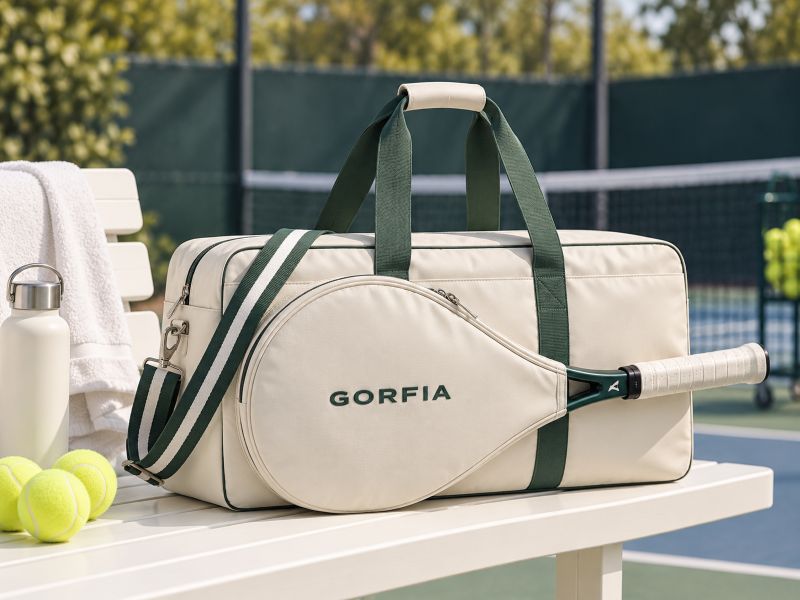
For many women, a tennis bag moves through more than one part of the day. It may start at the court, travel in the car or on a commute, and stay close at hand for whatever comes next. That makes the relationship between tennis function and everyday style increasingly relevant.
As tennis becomes part of a broader daily routine, bag designs have also moved beyond the traditional sports-equipment look. Totes, backpacks, and other lifestyle-oriented shapes give players more options for carrying their gear without separating court use from personal style.
This guide explores the main tennis bag styles for women, the features that matter in different playing situations, and how design choices can balance court performance with everyday use.
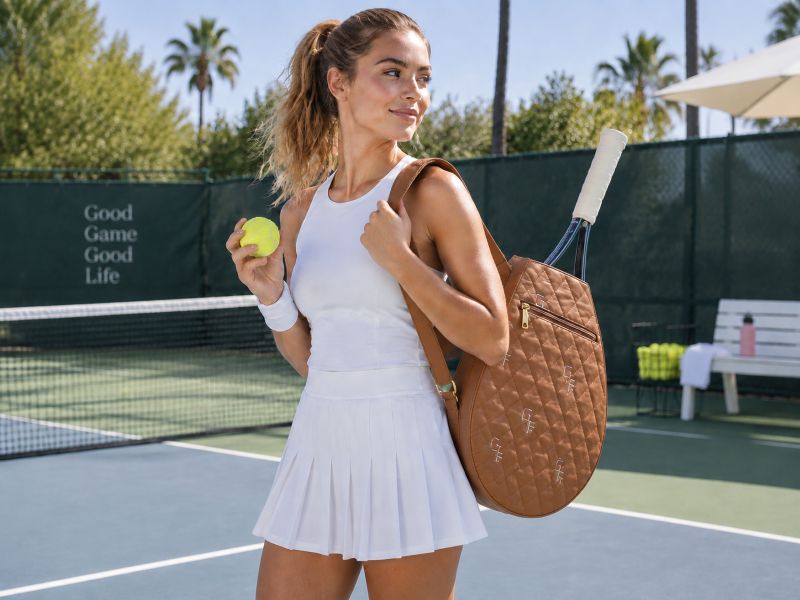
Why Women Need a Dedicated Tennis Bag
A dedicated tennis bag gives rackets and other tennis gear separate space from everyday belongings. This makes equipment easier to organize while helping protect rackets from unnecessary contact with shoes, clothing, and other items.
The amount of storage you need depends on what you bring to the court. Along with one or more rackets and tennis balls, you may carry shoes, a water bottle, a towel, a phone, keys, sunscreen, or other personal essentials. The USTA’s guide to what to include in a tennis bag similarly includes items beyond rackets, showing why practical storage becomes important when preparing for regular play.
A tennis bag can therefore be more practical than an ordinary handbag or backpack when you’re heading to the court.
Types of Tennis Bags for Women
The right tennis bag depends on how much gear you carry and how you prefer to move around. Totes, backpacks, duffels, and compact designs each suit different playing habits, from quick practice sessions to full tournament days.
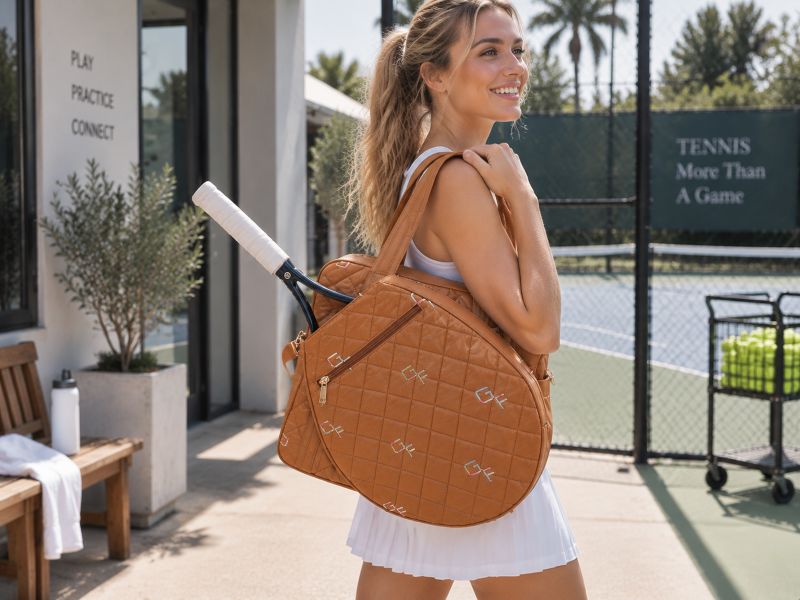
Tennis Tote Bags
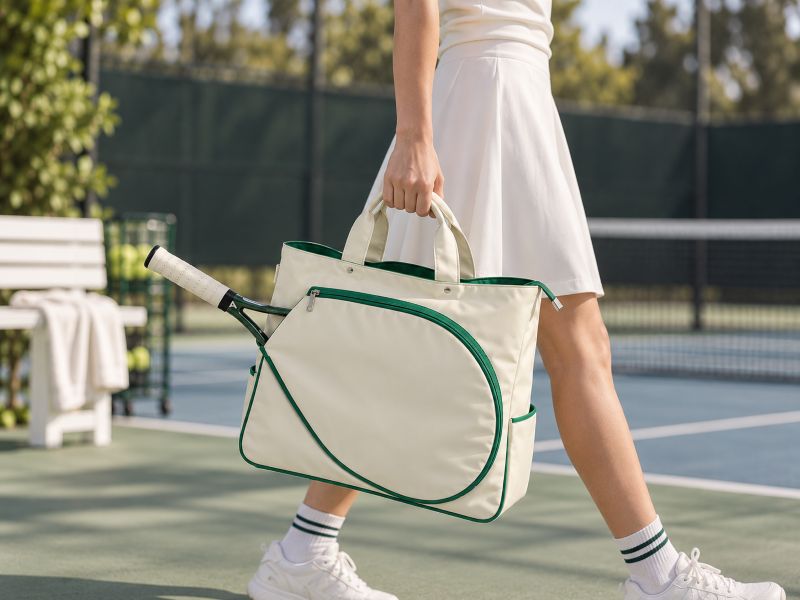
A tennis tote combines court storage with an everyday look. Many designs fit one or two rackets while leaving room for other court and personal essentials.
Totes are a practical choice for players who want a stylish bag that can move easily between the court, car, and other daily activities. Their open layouts can also make frequently used items easier to reach.
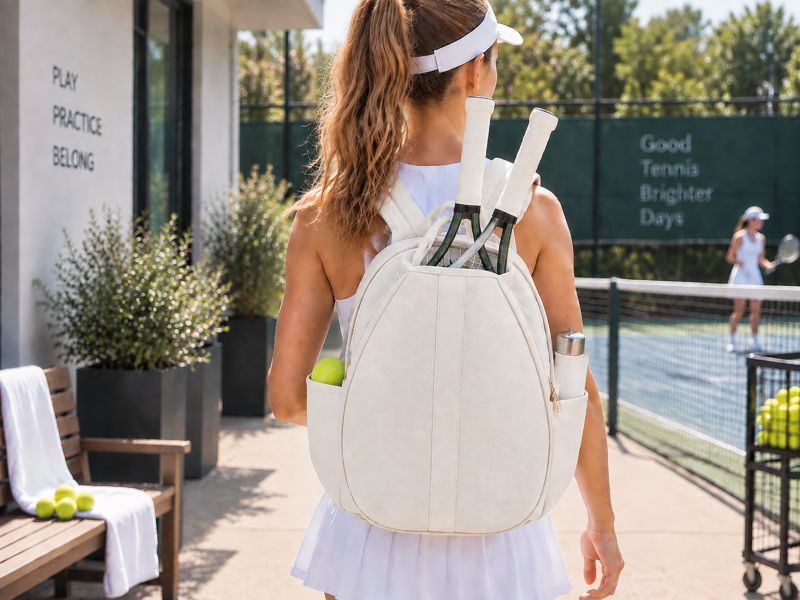
Tennis Backpacks
A tennis backpack keeps both hands free and distributes the load across the shoulders. Look for padded straps and a dedicated racket section if you regularly walk, cycle, or commute to the court.
Many tennis backpacks also include smaller pockets for personal items and frequently used tennis gear. This makes them useful for players who want organized storage without carrying a larger bag.
Tennis Duffel Bags
Tennis duffels offer more room for players who carry extra gear to the court. A separate shoe compartment can help keep dirty footwear away from clean clothing and other equipment.
Their larger capacity makes them particularly useful for tournaments and longer training sessions.
Compact Tennis Bags
Compact tennis bags work well for casual players who usually carry one racket and only a few essentials. Their smaller dimensions reduce unnecessary bulk, making them convenient for quick practice sessions or light court use.
The table below compares these tennis bag types, including who they suit, their main advantages, and typical storage.
| Tennis Bag Type | Best For | Main Advantage | Typical Storage |
| Tennis Tote | Everyday and casual players | Stylish and easy to access | 1–2 rackets, balls, personal essentials |
| Tennis Backpack | Commuting and active players | Hands-free and comfortable to carry | Racket, shoes, balls, phone, accessories |
| Tennis Duffel | Tournament and frequent players | Spacious storage | Multiple rackets, shoes, apparel, and gear |
| Compact Tennis Bag | Casual or quick sessions | Lightweight and convenient | 1 racket and basic essentials |
Key Features to Consider When Buying a Women’s Tennis Bag
A good bag should make your equipment easier to carry, not just provide more storage. Racket capacity, organization, durability, and carrying comfort are the key features to evaluate before considering appearance and extra details.
Racket Capacity and Protection
Start by deciding how many rackets you normally take to the court. Recreational players may only need space for one or two, while competitive players may prefer room for multiple rackets, including a backup.
For additional racket protection, consider a padded or thermal-lined compartment. Thermal lining can help reduce the effect of temperature changes on rackets and strings, particularly when equipment is regularly transported or left in changing conditions.
Storage Organization
Think about the items you actually carry before counting pockets. A shoe compartment, ball pocket, and secure space for small valuables can be more useful than several tiny compartments that leave less room for larger items.
Keep frequently used items within easy reach rather than placing them in deeper or less accessible compartments.
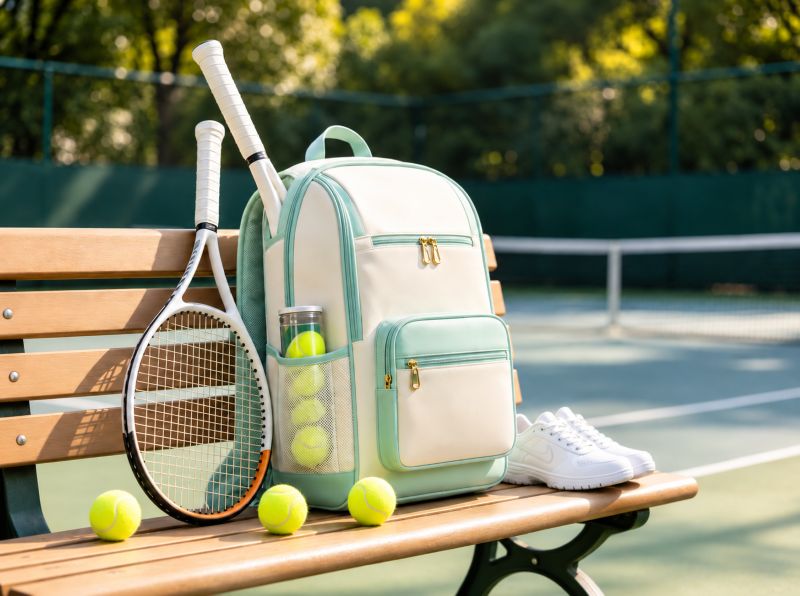
Materials and Durability
Choose the outer material based on how you plan to use the bag. Regular outdoor use may make water-resistant materials more important, while frequent carrying places greater demands on material strength and wear resistance.
For product development, the goal is to balance durability, weight, and practicality. Lighter materials can improve carrying comfort, but they still need enough strength to support the expected load. Evaluate material performance under real-world use, including whether the fabric holds its shape, resists surface wear, and remains stable under a typical tennis load.
Comfort and Carrying Experience
Comfort depends on how the bag distributes weight during use. Handles work well for short carries, while padded shoulder straps can improve comfort when carrying a fuller bag. Backpacks are also useful for players who walk, cycle, or commute to the court because they keep both hands free.
A bag that feels comfortable when empty may feel very different once loaded with tennis gear. The overall design should maintain balanced weight distribution and avoid creating unnecessary pressure during movement.
Designer Tennis Bags: Balancing Style and Function
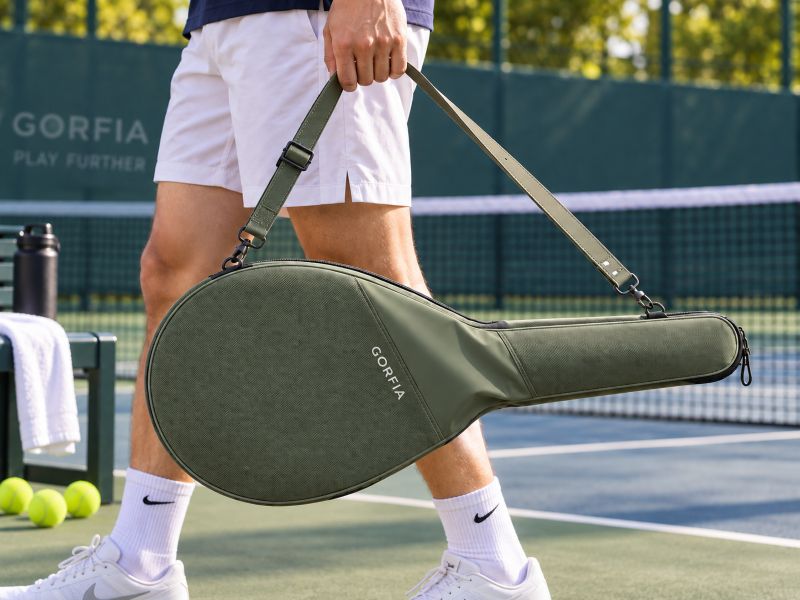
A designer tennis bag can combine sporty performance with thoughtful design elements such as color, texture, and functional details that fit naturally into a wider lifestyle.
During custom tennis bag development, design details often need evaluation beyond their visual appeal.
In one tennis tote project, the initial sample used additional decorative elements and thicker materials to create a more premium appearance. During sample review, we found that these choices increased the overall weight and reduced the available space inside the bag.
Instead of removing the design features completely, we adjusted the material thickness, refined the lining construction, and repositioned some details to improve the internal layout. The updated sample kept the intended fashion-focused look while improving carrying comfort and making it easier to access daily tennis essentials.
In practice, these adjustments often make the biggest difference during sampling. Small changes to material thickness, internal structure, or detail placement can determine whether a stylish design remains comfortable and practical after production. These adjustments can create the perfect blend of style and functionality.
How to Choose the Right Tennis Bag
If you usually bring only one racket and a few essentials, a compact bag or backpack may be enough. Regular players or those who spend longer hours on the court may need more space for additional gear.
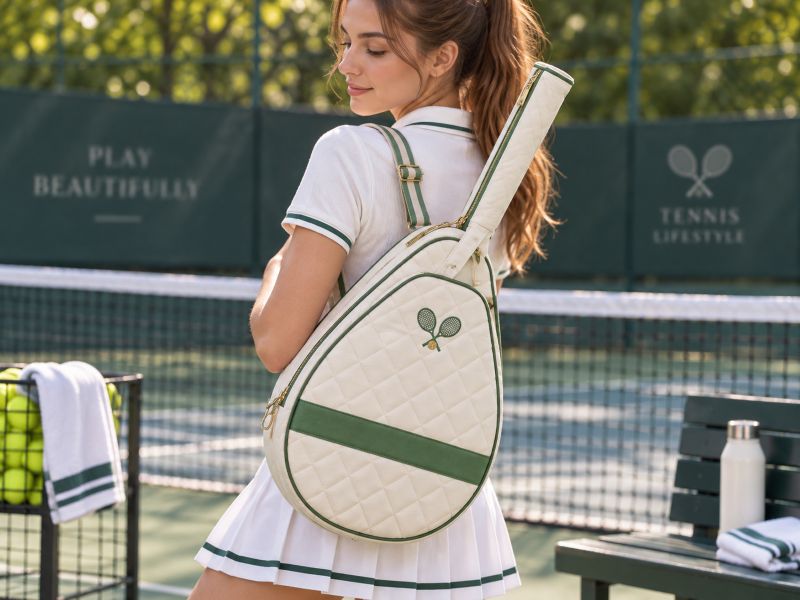
Competitive players often carry more equipment, making a larger, well-organized design more practical. For players who use their bag beyond tennis, a stylish tote or lifestyle-oriented backpack can provide the storage and protection they need while fitting more naturally into everyday use.
Before choosing a size, think about how you normally use the bag. Will it only go from home to the court, or will you also carry it while commuting or doing other daily activities? A good tennis bag should fit your routine comfortably without adding unnecessary bulk.
FAQ
How many rackets can a tennis bag hold?
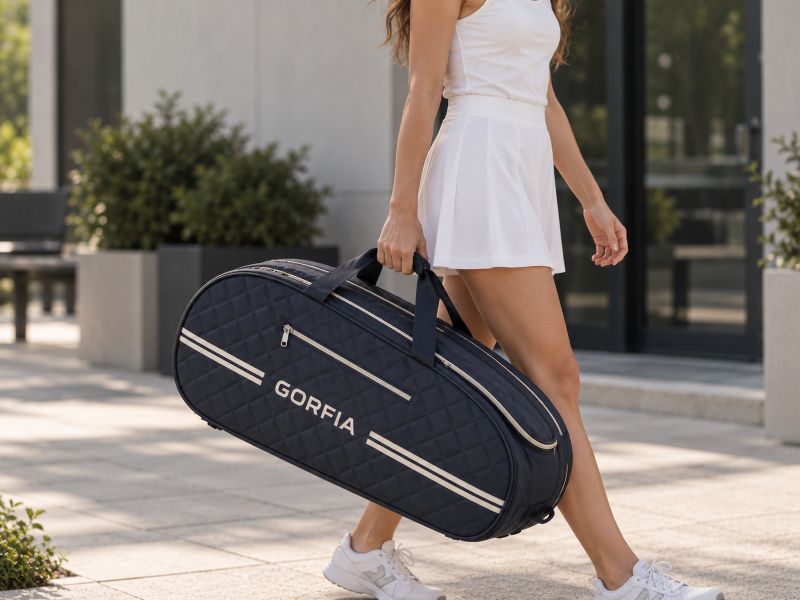
Capacity varies by design. Compact bags may hold one or two rackets, while larger designs provide space for additional rackets and gear. Choose a capacity based on how many rackets you actually carry.
Can a tennis bag be used for travel?
Yes. Larger tennis bags can work well for travel when they provide sufficient space for rackets, shoes, clothing, and personal items. Check the bag’s dimensions before traveling.
Are designer tennis bags practical?
They can be, as long as style doesn’t compromise storage, protection, or comfort. Look for practical compartments, durable materials, and a bag built for regular use alongside an attractive design.
How should a tennis bag be cleaned?
For nylon and polyester bags, spot-clean the fabric and lining with a damp cloth and mild soap. Avoid soaking or harsh cleaners, and air-dry fully before storing.
The Right Tennis Bag Proves Its Value on Court
The best tennis bags for women balance style with the game’s practical demands. Racket protection, organization, comfortable carrying, durable materials, and suitable capacity should all work together.
Whether you play casually or compete regularly, choose a bag that fits your actual tennis essentials and daily routine. A well-designed bag should make getting to the court easier, not simply add another stylish accessory to your collection.
Looking for another practical bag guide? Read Gorfia’s guide to choosing the best tote bags for travel and work for more tips on size, organization, durability, and style.
Ready to Develop Your Tennis Bag Collection?
The right women’s tennis bag combines style, protection, comfort, and practical storage. Explore Gorfia’s custom bag development to turn your ideas into production-ready designs.
Ready to create your next collection? Contact Gorfia’s team to discuss your requirements and get started.