
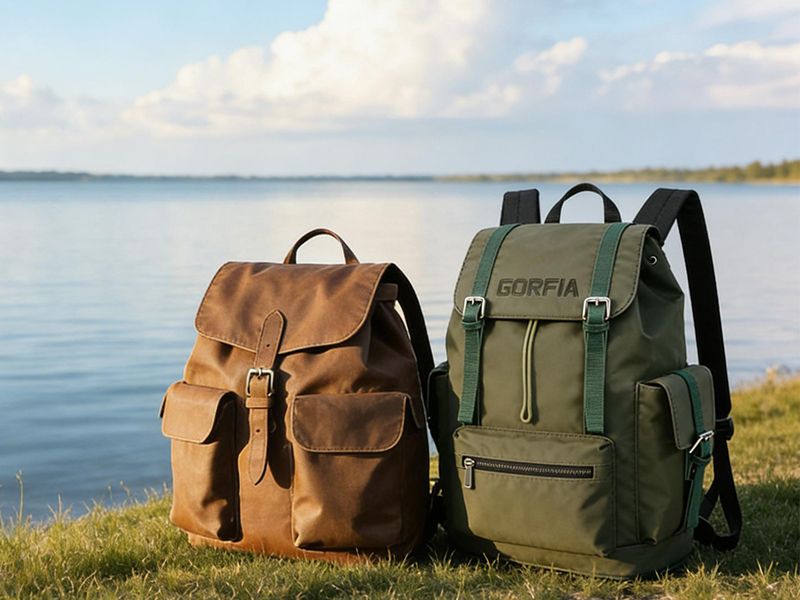
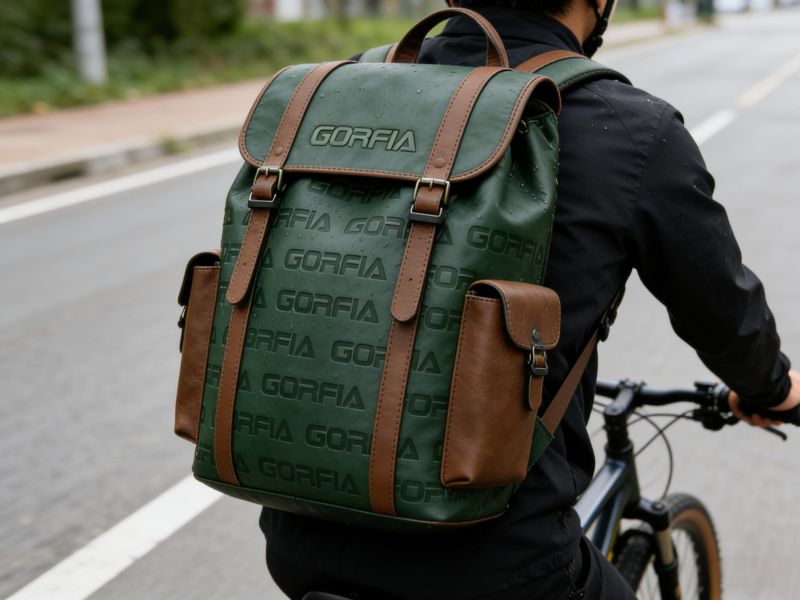
Planning to source bike or cycling backpacks through an OEM/ODM partner? Most buyers think the main challenge is the design, but the bigger risks often appear after production starts—when quality isn’t consistent at scale.
In bulk orders, issues like harnesses loosening, roll-top closures leaking, failed waterproofing, or laptop sleeves offering poor protection are common and can lead to returns, delays, and extra costs.
This guide is for sourcing teams, brand owners, and distributors looking to avoid those pitfalls. It shows how to spot supplier limitations, choose designs that scale well, and reduce sampling delays and defects before they affect cost or delivery.
Let’s start with where these risks typically occur—the structural and material factors that most often affect large-scale sourcing outcomes.
Structural Risks in Bike Backpack Manufacturing
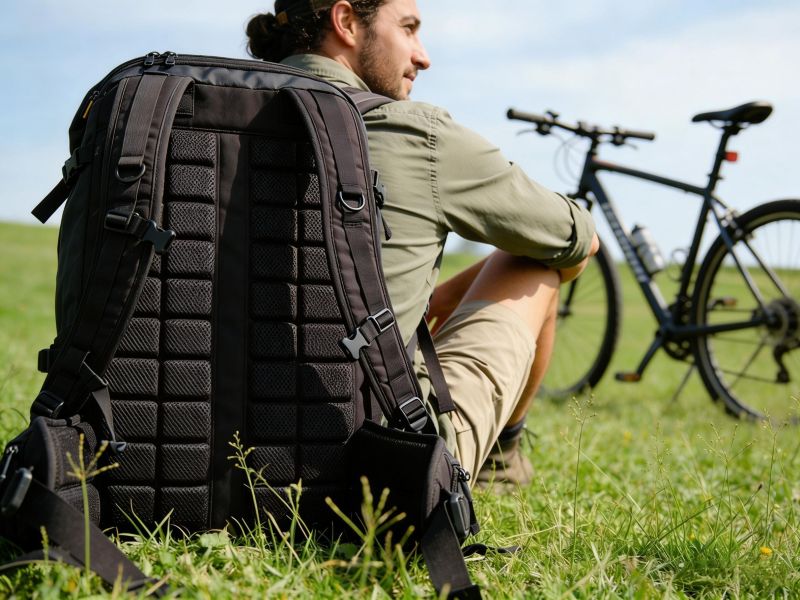
Bike backpacks have more stress points than standard daypacks.
Long-distance movement, sweat, extensive weather exposure, and constant load shifts during longer rides all test the construction differently than a bag that simply sits on your back during a walk.
Understanding these pressure areas helps you avoid costly sampling loops and quality control failures down the production line.
Harness System and Shoulder Straps
Cycling backpacks should deliver a secure fit while the rider moves. This calls for sternum straps (the chest strap across the chest), waist belts, and strong anchor points where shoulder straps connect to the bag body.
Common failures we see at the factory level include:
We’ve seen buckle-grip issues cause shoulder straps to loosen within weeks of use — especially on commuter models. Sternum straps may also slide out of position or even snap under repeated stress, while waist straps often add cost without delivering real load support, as they’re not properly engineered for distribution.
Over time, these issues tend to result in poor user experience, frequent complaints, and early product returns.
From a manufacturing standpoint, webbing width, buckle tolerance, and stitch density all affect whether the harness system holds up over hundreds of uses.
For commuter backpack grade packs, testing to 20–30 kg static load is standard practice. If your supplier skips this testing, expect to record high return rates.
Ventilation and Back Panel Engineering
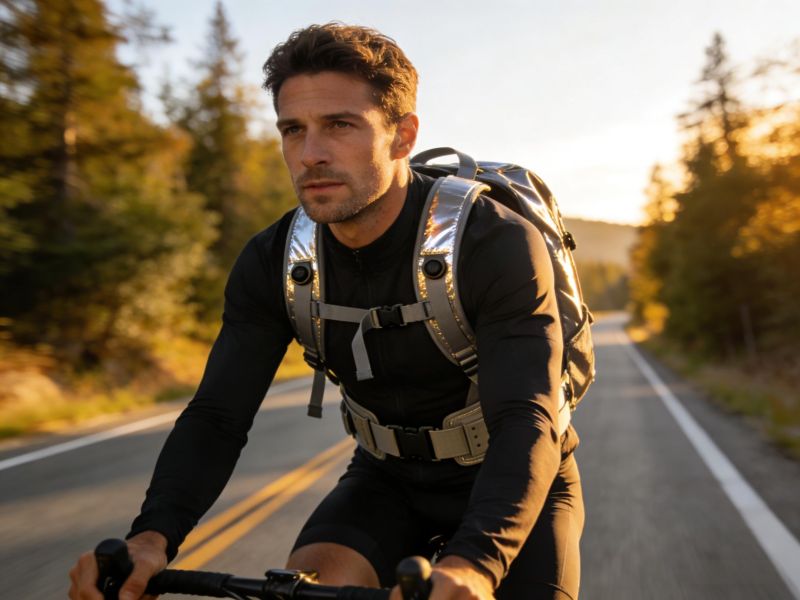
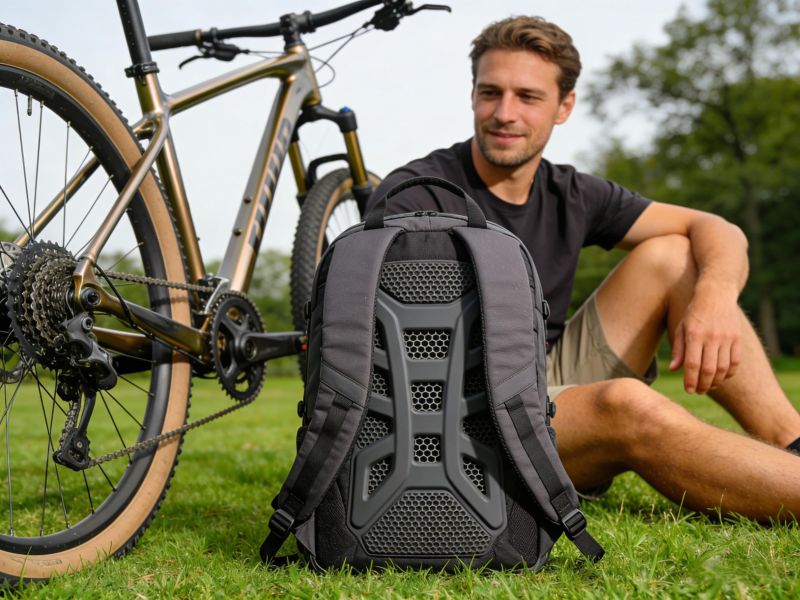
In real use, poor back panel design quickly becomes a problem — especially in warm-weather markets. We’ve seen foam panels compress after limited use, reducing airflow and trapping heat against the rider’s back.
Mesh layers are another common issue. Many look breathable in samples but fail to create actual air channels once the bag is loaded. Over time, back panels may also sag under weight, further reducing ventilation.
From a manufacturing standpoint, material selection and panel construction are critical. EVA foam, molded foam, and mesh density all perform differently in real-world conditions. In many cases, ventilation performance is compromised to reduce BOM costs, which often leads to comfort complaints and negative reviews after launch. In our experience, molded foam provides the best airflow and keeps riders comfortable for long rides—much better than standard EVA foam.
Waterproofing and Roll Top Closures
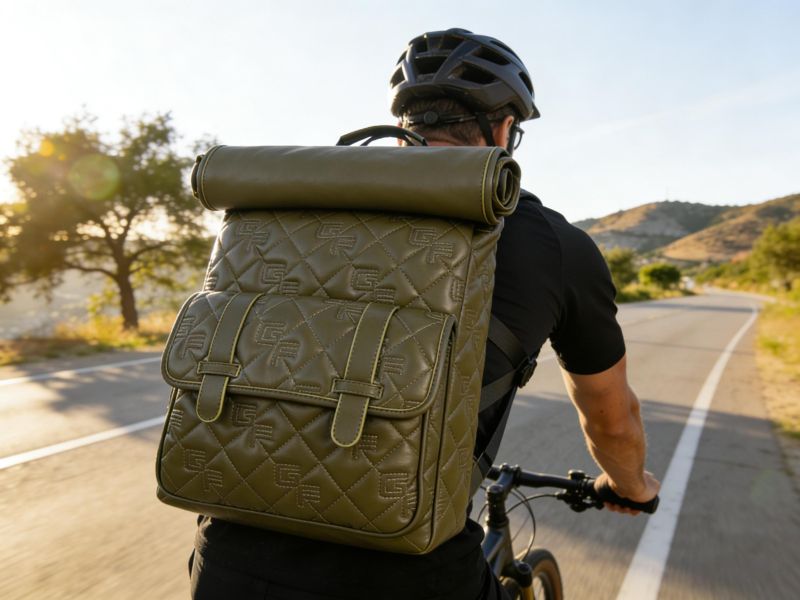
Many cycling backpacks use roll top closures for weather protection and variable capacity. The idea is simple: roll the top down and clip it to keep rain out. But too often, roll top designs fail due to poor construction.
In several bulk orders we reviewed, roll-top seams began leaking at stress points after repeated folding. Closure buckles also failed to hold the roll securely over time, while fabric coatings showed early signs of peeling and cracking under prolonged UV exposure — especially in outdoor-use markets.
For true waterproofing with highly water-resistant or weather-resistant performance, you need welded seams, taped interiors, and proper TPU (thermoplastic polyurethane) or PVC coatings using waterproof fabric. Waterproof zippers are an alternative closure method, but they add cost and make sewing more complex.
If waterproofing is a key selling point for your product, budget for proper construction to back up your marketing claims. Some buyers also request a rain cover as an additional feature.
Laptop Sleeve and Internal Organization
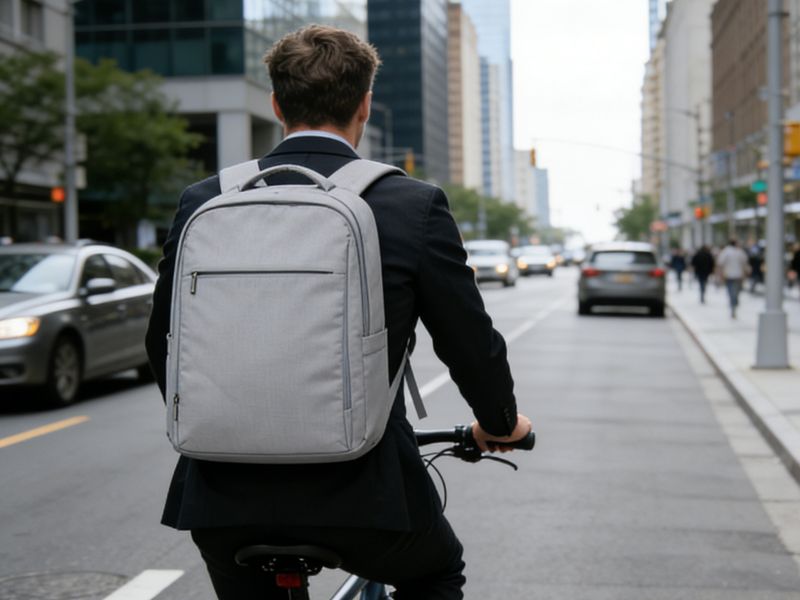
Commuter backpacks often include laptop sleeves, internal pockets, and compatibility with hydration bladders. In several bulk projects we’ve reviewed, adding these features increased the number of production steps and QC complexity, often leading to longer sampling cycles and higher defect rates.
One frequent issue we’ve seen is laptop compartments that don’t suspend the device from the bag’s base. In drop tests or real-world falls, this causes the laptop to absorb direct impact — a common source of customer complaints. Internal pockets can also crowd the main compartment, while hydration ports sometimes leak or fail to seal properly.
We’ve found that careful placement of laptop sleeves and sufficient padding are essential, and that every additional pocket, mesh panel, or zipper increases sewing time and inspection points. Overloading a design with unnecessary features often creates more problems than it solves.
For the best results, focus on essential internal features that provide protection and accessibility while keeping production manageable.
Reflective Elements and Safety Features
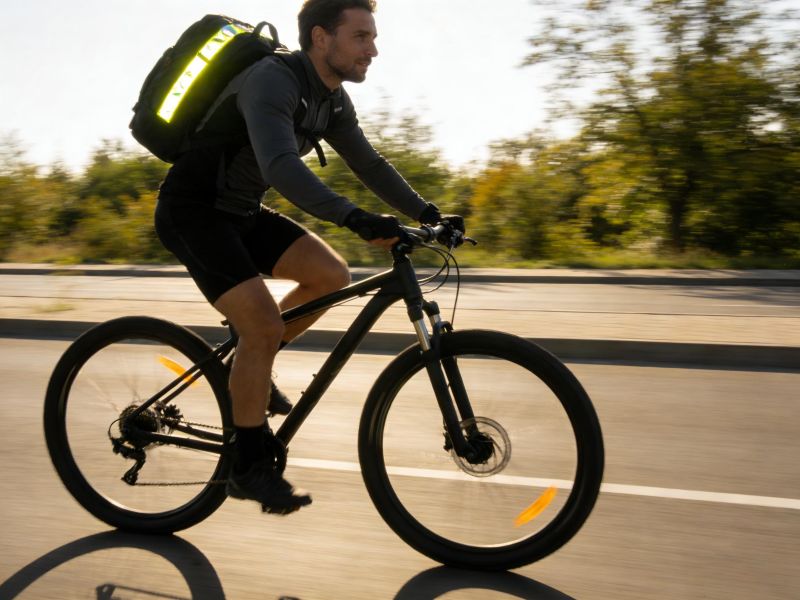
Cycling backpacks often come with reflective details, light loops (small straps for attaching bike lights), and helmet carry systems.
Reflective details and safety features are often used as selling points, but they’re also common failure areas if not properly tested.
The most commonly reported failures include:
- Reflective tape that peels after washing or extensive sun exposure
- Light loops that aren’t load-tested and tear off
- Helmet carry systems that shift weight awkwardly and throw off the bag’s balance
At Gorfia, we recommend heat-applied reflective elements as more durable than sewn patches. For helmet straps, reinforced anchor points, and adjustable tension systems are your best bet. Some cycling gear also has loops for a bike lock or U lock.
These details may seem small, but they affect both production complexity and customer satisfaction.
Common Factors That Ruin The Best Cycling Backpack Designs
We’ve seen well-designed backpacks fail in production simply because the materials didn’t match the intended use.
Unlike your regular everyday lifestyle bags, cycling backpacks are exposed to abrasion, moisture, UV exposure, and repeated flexing. So, be thorough when picking materials for your cycling-specific backpack.
Fabric Choices
Common fabrics for bike backpacks include nylon (such as Cordura or ripstop weaves), polyester, and TPU-coated materials. Each one has its tradeoffs.
For instance, while lighter fabrics help riders travel light, they often offer poor abrasion resistance. Coated fabrics made with waterproof fabric have good waterproofing, but crack at fold points over time.
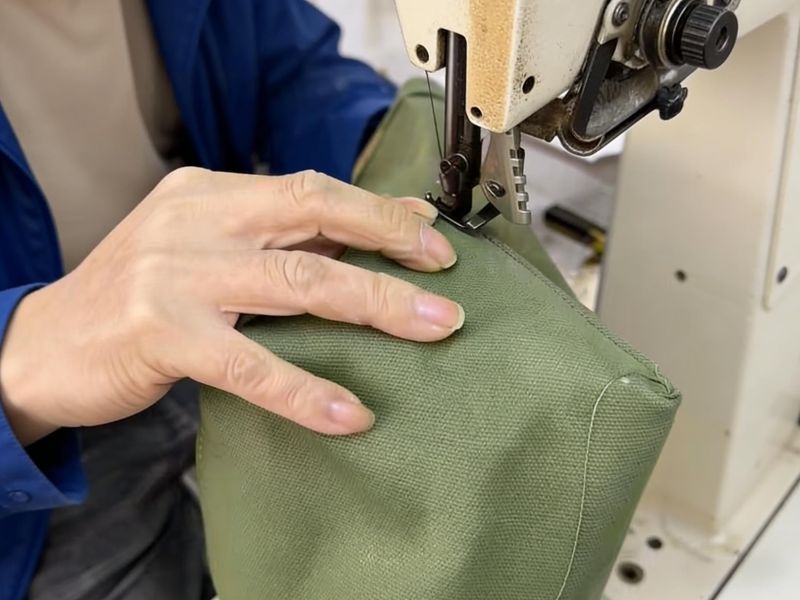
Fabric weight also affects sewing speed, needle wear, and seam strength. If you choose the wrong fabric for your price point, expect problems, which are particularly common with bulk production. Brands like Chrome Industries and Thule Paramount have set benchmarks for durable fabric choices.
Fabric tensile strength is often measured according to ISO international textile testing standards, ensuring consistent performance across production batches.
Zippers and Closures
Zippers on cycling backpacks are exposed to moisture, dirt, and repeated use. Standard zippers may corrode or jam after regular exposure to rain, gravel, and grime.
Waterproof zippers (such as YKK Aquaguard or similar) may be costlier, but they significantly reduce failure rates. Roll top buckles must be tested for grip strength and UV stability. Always keep in mind that cheap buckles become brittle and crack quickly after exposure to the sun.
Hardware and Buckles
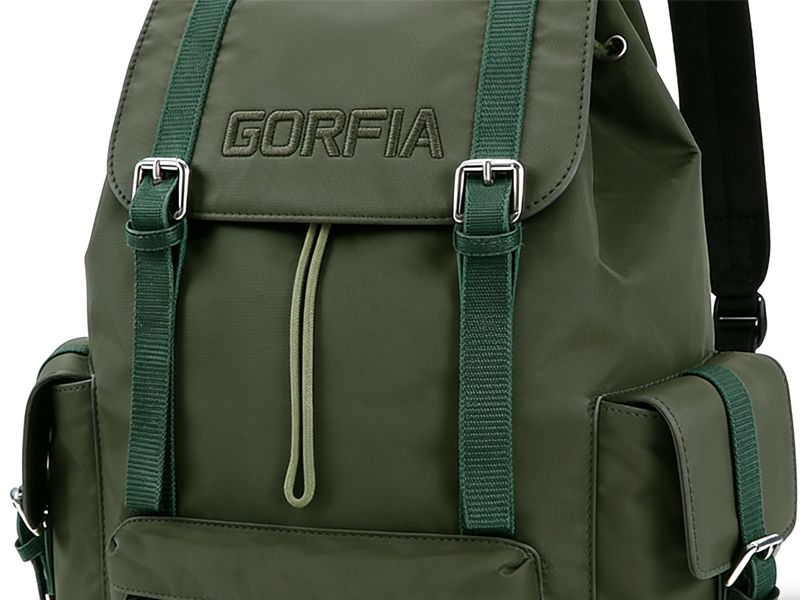
Make sure your buckles, D-rings, and adjustment sliders can withstand the stress of heavy loads and tough weather.
Plastic buckles can easily become brittle in cold weather and snap unexpectedly. Here, metal hardware may be weightier and more costly, but more durable.
Ensure all hardware, including compression straps and waist belt buckles, is tested for load capacity and cycle fatigue (repeated use). A buckle that works fine in sampling might fail after barely a hundred uses in the field.
When to Consider Each Cycling Specific Backpack Type
Data from the Outdoor Industry Association shows that cycling participation continues to rise, driving demand for quality cycling-specific backpacks.
But not every cycling backpack style suits every market channel. So, before committing to production, you should be sure your bag structure matches your target market, retail price point, and expected use intensity.
Standard Commuter Backpacks
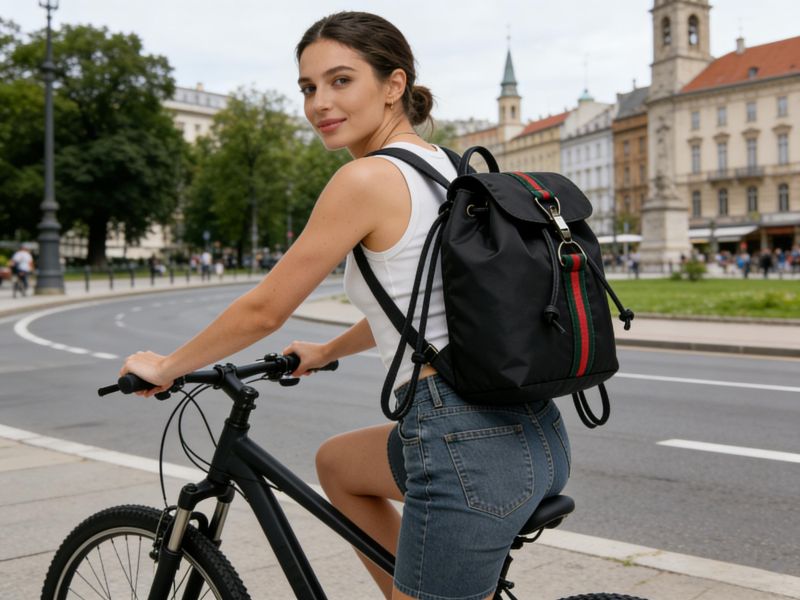
Standard commuter backpacks work best for urban commuting, office workers, and mid-range retail channels. Key features typically include:
- A laptop sleeve or a dedicated laptop sleeve
- Basic weatherproofing for weather-resistant performance
- Reflective details and reflective elements
From a production standpoint, these bags are moderately complex and use standard materials. They’re good candidates for high-volume runs where you need consistency across thousands of units. A cycling commuter backpack should offer ample storage space and multiple pockets for easy access.
Roll Top Waterproof Backpacks
Roll-top waterproof backpacks are best for wet climates, cycling enthusiasts, mountain bikers, and outdoor retail channels. They feature welded seams, roll top closures, and usually minimal external pockets to reduce leak points.
These bags use more expensive material and require specialized sealing equipment. If your factory doesn’t have experience with welded seams and seam taping, expect a learning curve during sampling. These work well for road cyclists and road cycling enthusiasts who need a highly water-resistant pack.
Small Bags for Short Commutes
Small bags for cycling work well for minimalist riders, urban delivery services, and promotional markets. They feature:
- Compact size
- Quick access and easy access
- Light construction for those who travel light
These bags have lower BOM costs, faster assembly times, and work well for entry-level pricing. They’re also easier to produce consistently at high volumes. They’re ideal for short bike rides where riders only need a decent amount of space.
Convertible Backpack-Pannier Bag Hybrids
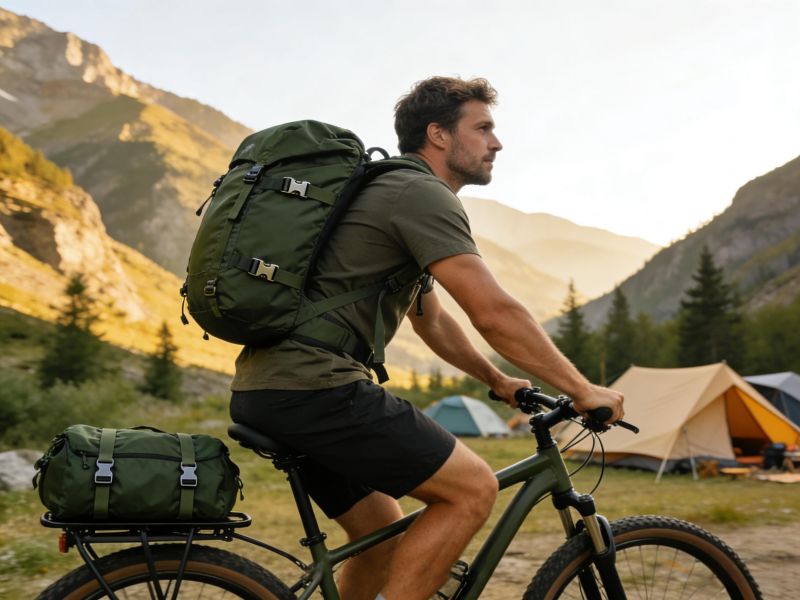
Convertible bags that double duty as both backpacks and pannier bags (bags that attach to bike racks) are favorites for touring cyclists, multi-use retail, and premium channels. They feature backpack shoulder straps plus a pannier bag rack attachment system.
These designs are highly complex. They require tested mounting hardware and careful engineering to make both modes work well. Smaller MOQs may not justify the tooling investment, so consider your volume carefully before committing.
A great bag in this category offers extra space and features and can handle being fully loaded on longer commutes.
Quick Reference Table
| Backpack Type | Best Channels | Key Features | Production Considerations |
| Standard Commuter | Urban retail, corporate gifting | Laptop sleeve, reflective elements | Moderate complexity, scalable |
| Roll-Top Waterproof | Outdoor, cycling specialty | Welded seams, storm closure | Requires sealing equipment |
| Small Bag | Promo, urban delivery | Compact, quick access | Low BOM, fast assembly |
| Convertible Hybrid | Touring, premium retail | Dual backpack/pannier mode | High complexity, specialized hardware |
Next Steps for Your Cycling Backpack Program
In practice, most production issues come down to one thing — a mismatch between design expectations and what the factory can reliably deliver.
Now that you understand where failures typically occur and when each style makes business sense, you can confidently reduce sampling delays, lower defect rates, and launch your products.
What next?
Audit your current brief: Review your pattern against the structural risks outlined above. Pay close attention to harness systems, waterproofing methods, and attachment points.
Confirm material specifications: Ensure your fabric, zippers, and hardware match your intended use intensity and price point.
Request supplier testing data: include strap-load tests, zipper-cycle tests, and water-intrusion results before committing to bulk production.
Ready to move forward? Share your brief or samples with our team for a manufacturability review.
FAQs
What tests should I require for commuter backpacks?
Based on our experience, at a minimum, you should request:
What MOQs are typical for cycling backpacks?
Usually 300–500 units per style for standard designs. Custom hardware or waterproof constructions may require higher minimums.
How long does sampling take?
Typically 2–4 weeks, depending on complexity. Waterproof or convertible styles may require additional testing rounds.
What tests should I require for commuter backpacks?
Strap-load tests, zipper-cycle tests, seam-strength tests, and water-ingress testing for weatherproof models. Test shoulder straps, sternum straps, waist belts, and compression straps.
When should I choose a roll top over a zip closure?
Roll top suits wet climates and variable loads. Zips offer faster access but require waterproof zippers for outdoor use.
Can Gorfia help with convertible backpack-pannier designs?
Yes. We review mounting hardware compatibility and test dual-mode functionality during sampling.
Gorfia Simplifies Your Bike Backpack Manufacturing Project
At Gorfia, we help B2B buyers move from concept to production with fewer delays and quality surprises.
In past projects, we’ve helped clients review patterns and structural designs early in development — identifying hidden stress points in harness systems, back panels, shoulder straps, and closures before sampling begins. This has helped reduce unnecessary sampling rounds and avoid costly adjustments later in production.
We also support material sourcing by matching fabrics, hardware, and zippers to the intended use and target price point — helping ensure consistency between design expectations and production outcomes.
If your preferred design ever seems too complex for the target BOM or timeline, we’ll flag it early and suggest alternatives. Our honest input can save you months of sampling delays.
Reduce Risk on Your Next Backpack Project
Feel free to share your brief or samples with our team for a manufacturability review. We can help you identify risks before they become costly surprises.