
Choosing a crocodile handbag can be more challenging than it looks. Two bags may look similar, but their materials, construction, and durability can be very different.
Through years of handbag development, we have seen how material selection, embossing quality, and structural reinforcement influence the final performance of crocodile handbags. These are the same factors manufacturers and brands review before approving a production design.
In this guide, we’ll explain how to compare materials, evaluate popular styles, inspect craftsmanship, assess sample quality, and choose a reliable supplier with confidence.
Let’s start with the key factors that influence crocodile handbag quality.
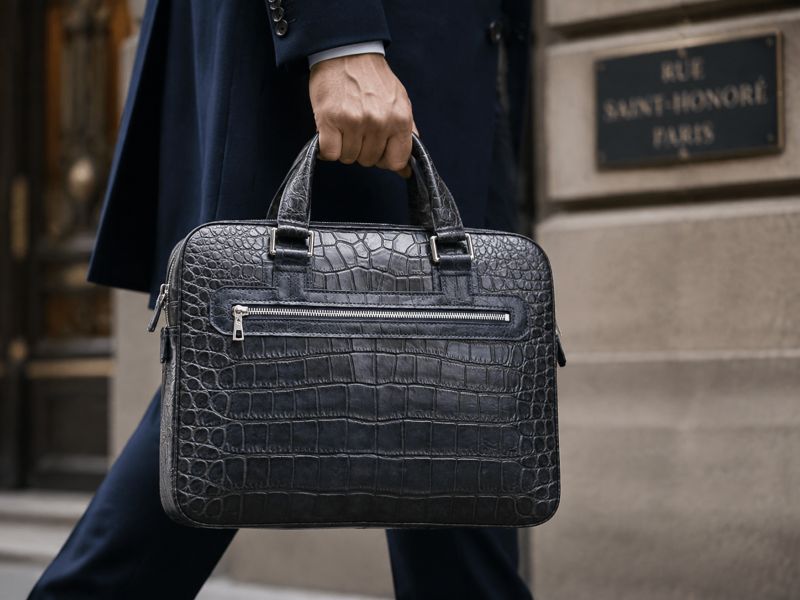
What Is a Crocodile Handbag?
A crocodile handbag is made from real crocodile leather or, more commonly, croc embossed materials that imitate the crocodile scale pattern. Both look the same but differ greatly in cost, design, quality, and production techniques, especially when comparing different croc embossed finishes.
Genuine crocodile leather is recognized as a high-quality natural leather with a distinctive grain and luxurious feel, making it a premium choice for luxury leather handbags. Due to its price, rarity, and strict trade regulations, it is normally used for high-end luxury items.
In contrast, most commercially available crocodile handbags are made of embossed leather, PU, or other synthetic materials that create the crocodile pattern. These patterns are made with a high degree of uniformity, ease of manufacturing, and cost.
Popular Crocodile Handbag Styles
Crocodile bags come in a wide range of styles, from everyday shoulder bags to structured work bags. For brands developing a complete collection, matching wallets and other accessories are also commonly considered to create a more consistent product line. While the embossed crocodile pattern gives each design a premium appearance, brands should select the right style based on the bag’s intended use.
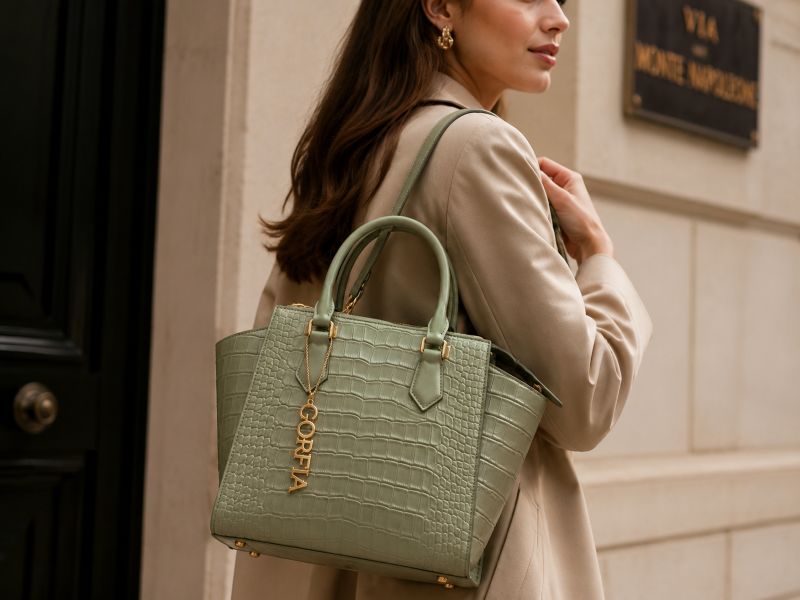
Crocodile Shoulder Bags
Crocodile shoulder bags are popular because their structured shape highlights embossed crocodile patterns and creates a refined appearance. This allows the material to become a key design feature.
Their medium size and clean structure make them suitable for everyday use, office collections, and professional work bag designs. During development, brands should first define the bag’s intended use. This decision helps brands determine the right structure, support, and material flexibility.
When evaluating suppliers, brands should check three key areas: embossing consistency, attachment strength, and edge construction. These details help maintain stable quality and create a refined final product.
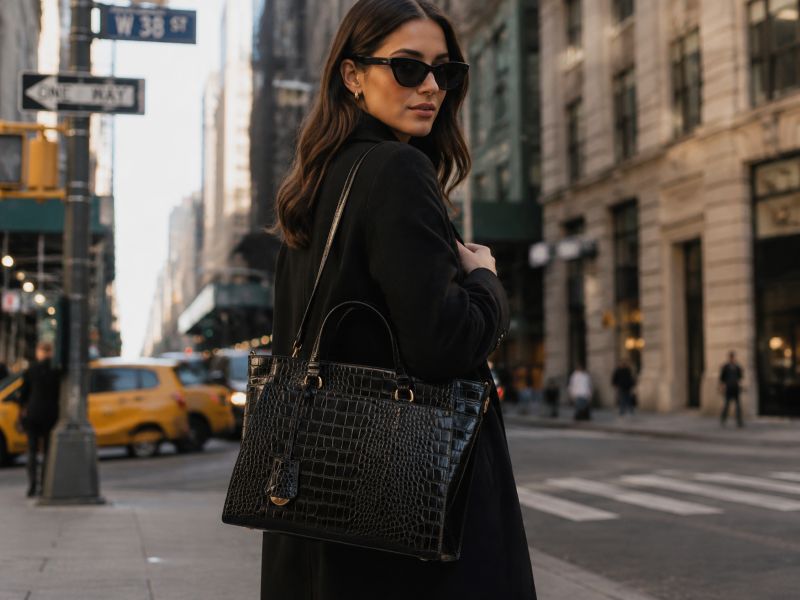
Crocodile Top-Handle and Satchel Bags
Top-handle bags and satchels suit crocodile-embossed materials because their structured shape showcases the pattern across larger panels. The firm shape helps highlight the texture and gives the handbag a refined, premium appearance.
These styles are popular for business and office collections, offering practical space with a polished look. Their structured design also helps the bag retain its shape during regular use.
When selecting suppliers, brands should review key construction details such as support, handle reinforcement, base stability, and edge finishing. These details improve durability and help create a premium appearance. The embossed material should also be flexible enough to follow curved areas while keeping the pattern clear.
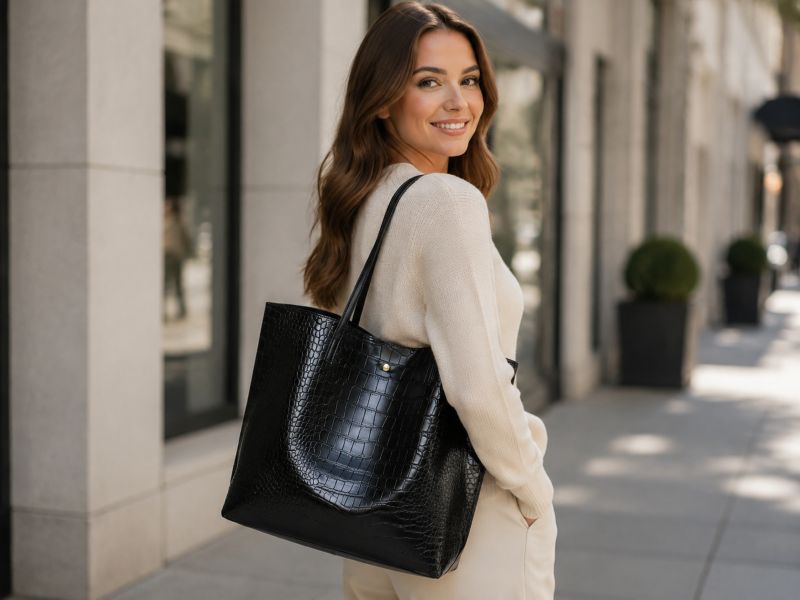
Crocodile Tote Bags
Crocodile tote bags work well with embossed materials because their large panels showcase the crocodile pattern clearly. The final appearance can vary based on material selection, embossing depth, and surface finish.
With generous storage, these bags are suitable for work, travel, and everyday use. When selecting suppliers, brands should review key areas such as shape, support, reinforcement, and embossing quality. These factors help improve durability and maintain the bag’s overall appearance.

Brown Crocodile Handbags
Brown crocodile handbags are popular because warm tones enhance the depth and texture of crocodile embossing. Compared with cooler colors, brown shades create a classic and vintage look. They also work well for both professional and casual style preferences.
Different shades of brown create different design effects, and the right color choice can influence the final market positioning. Dark brown and black work well for structured handbags with a professional style. Lighter brown and reddish-brown tones create a softer vintage look and suit casual collections.
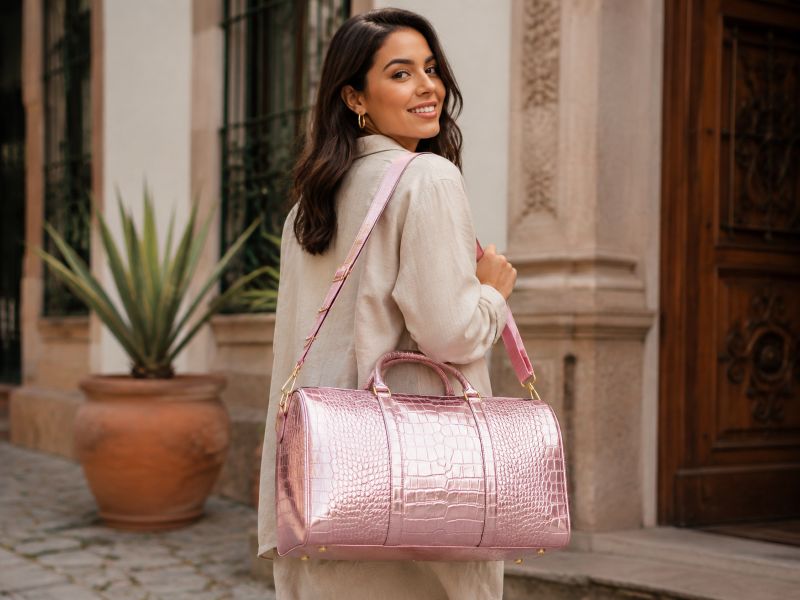
Quick View: How to Evaluate Crocodile-Embossed Materials
The embossed material directly influences how a crocodile handbag looks, feels, and performs during use.
The embossing process determines the clarity and depth of the crocodile pattern, while the material’s flexibility affects how well the surface adapts to different bag structures and curved areas. Material properties also influence durability, shape retention, and the overall quality perception of the finished product.
For example, genuine crocodile leather used in high-end handbags has a different structure and feel from standard leather. Its tanning and finishing processes create a unique texture and firmness. These features also affect the product positioning, price range, and overall experience.
Look Beyond the Pattern
A high-quality crocodile embossing should have clear scales and keep a natural look after production. When reviewing a material or sample, buyers should check if the scale size fits the bag panel. Large or uneven patterns may make small bags look less balanced.
The embossing depth should stay consistent across all panels, especially around corners and curved areas. Buyers should also review the surface finish carefully. Too much gloss or overly sharp embossing can make the material look less natural.
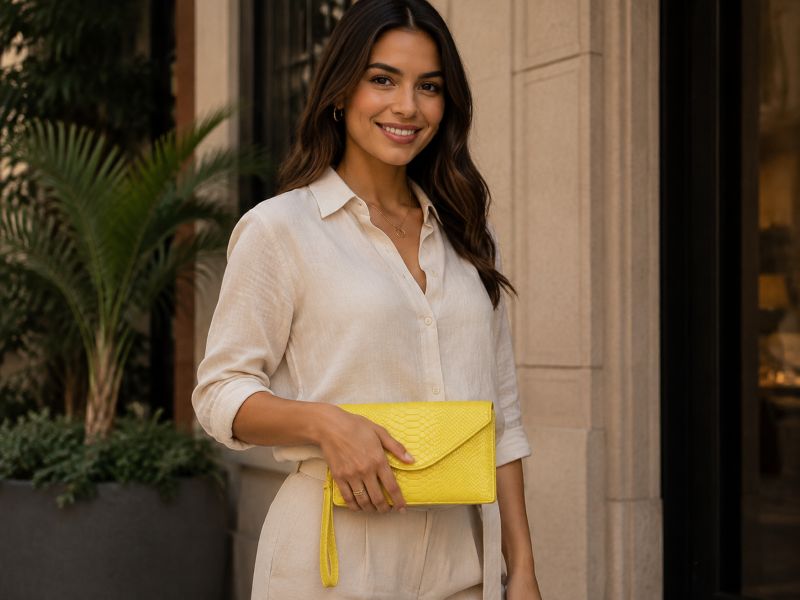
Test Softness and Shape Compatibility
The flexibility of crocodile-embossed material should match the structure of the handbag design.
When reviewing materials, buyers should check if the material works well for curved panels, gussets, and flap designs. Softer materials can follow the bag shape better and reduce creases or stress marks.
Before approval, buyers should test material softness beyond a flat swatch. They should check how the material performs after folding, shaping, and assembly. A material that looks good alone may not perform the same way in a finished handbag.
Check Abrasion and Folding Performance
Durability depends on how the embossed material performs after repeated use, not just how it looks when new. Buyers should test whether the surface can resist rubbing and folding without cracks, white marks, or pattern loss. Poor material performance can affect the bag’s appearance and lifespan.
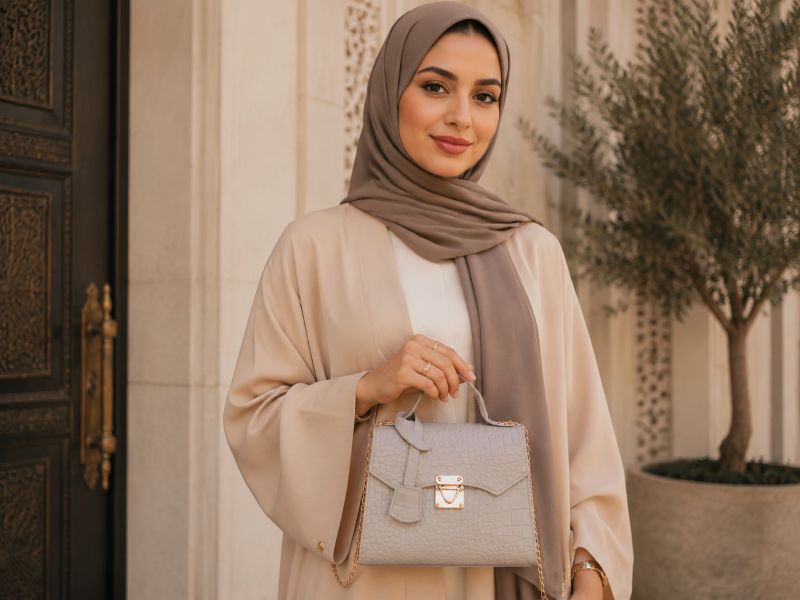
Factory Experience: Why Full-Sample Testing Matters?
A material swatch is useful for checking the embossing pattern, color, and surface finish, but it cannot show how the material will perform after cutting, folding, stitching, and assembly.
In one project, a client selected a crocodile-embossed PU material because it had a clear pattern and matched the target budget. However, after our team completed the first sample, we found that the material was too stiff for the bag structure.
Our team recommended switching to a softer PU with a more natural finish, while improving edge reinforcement and selecting more suitable hardware.
The revised sample kept its shape better, showed smoother pattern transitions around corners, and helped elevate the overall usability of the handbag. This experience shows the value of testing a complete handbag sample before mass production.
Final approval should review more than just the material. Brands should also check the structure, craftsmanship, reinforcement, and hardware compatibility.
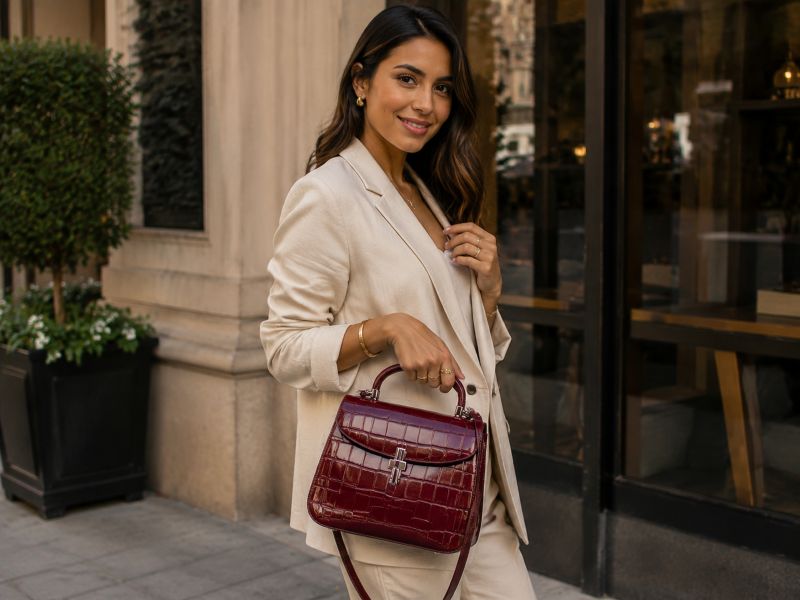
Construction Details That Affect Quality
After approving the embossed material, buyers should also check how it performs in the finished handbag.
Edge Finishing and Reinforcement
When reviewing a crocodile handbag sample, buyers should inspect the edge finishing carefully. Edge paint should be smooth and even, without cracks, bubbles, or excess thickness. Poor edge finishing may become more noticeable over time, especially on darker colors.
Stitching should be straight and consistent across visible panels. Uneven stitches or poor seam placement can affect the embossed pattern and reduce the bag’s overall appearance.
Buyers should also check stress areas such as handles, straps, and corners. Proper reinforcement helps prevent stretching and deformation during use.
Stitching and Pattern Alignment
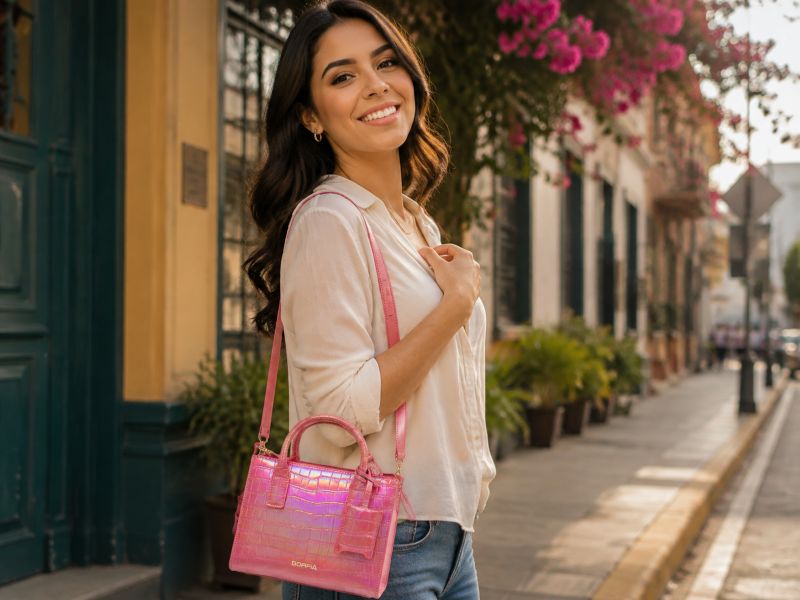
Pattern alignment is especially important for embossed crocodile materials. Buyers should check whether the scale pattern maintains a natural flow across the front panel, flap, and side sections after assembly.
Hardware Selection
When reviewing a crocodile handbag sample, buyers should check if the hardware fits the bag’s size, structure, and style.
Embossed crocodile patterns already create a strong design feature. The wrong hardware size or finish may affect the bag’s overall balance.
Buyers should check hardware quality, including plating, color, scratch resistance, and surface finish. Good hardware choices improve the bag’s durability and overall look.
Sample Approval Before Mass Production
Before placing a bulk order, buyers should review a complete crocodile handbag sample under real-use conditions.
What Buyers Should Confirm with a Supplier
Before choosing a supplier, buyers should confirm the following details to reduce quality risks during production:
| Item to Confirm | What to Ask |
| Material Specification | Confirm material type, thickness, flexibility, and surface finish. |
| Embossing Quality | Request photos or samples showing pattern consistency after assembly. |
| Sample Performance | Check folding, rubbing resistance, and finished bag appearance. |
| Hardware Details | Verify plating quality, attachment method, and hardware compatibility. |
| Quality Control Process | Understand inspection standards and how approved samples are matched during bulk production. |
FAQS
Are crocodile embossed handbags real crocodile leather?
Not always. Most crocodile handbags on the market use embossed leather, PU, or other synthetic materials to create a crocodile scale pattern. Genuine crocodile leather is mainly used for luxury products because it is expensive, limited, and strictly regulated.
What’s the best way to distinguish a high-quality crocodile embossed purse?
Ignore the embossed design. Test the material for smoothness at folded corners, stitch and edge finishes, and hardware smoothness. A quality handbag should also look good without stress marks or distortion after regular use.
What are some questions to ask a supplier before I place an order for crocodile purses?
Inquire about the materials used, hardware reinforcement methods, the sample approval process, and quality control procedures. A dependable supplier should be able to explain how production quality is maintained throughout the manufacturing process.
Conclusion
A successful crocodile handbag requires more than an attractive embossed pattern. The material, construction, and design details all work together to determine the bag’s appearance, durability, and overall quality.
These factors should be evaluated on a finished sample, as material performance can change during production.
Before moving into bulk production, buyers should review a complete sample instead of relying only on material swatches. This allows them to check important details such as pattern consistency, shape retention, hardware attachment, and edge finishing.
Seek a trustworthy Crocodile handbag manufacturer?
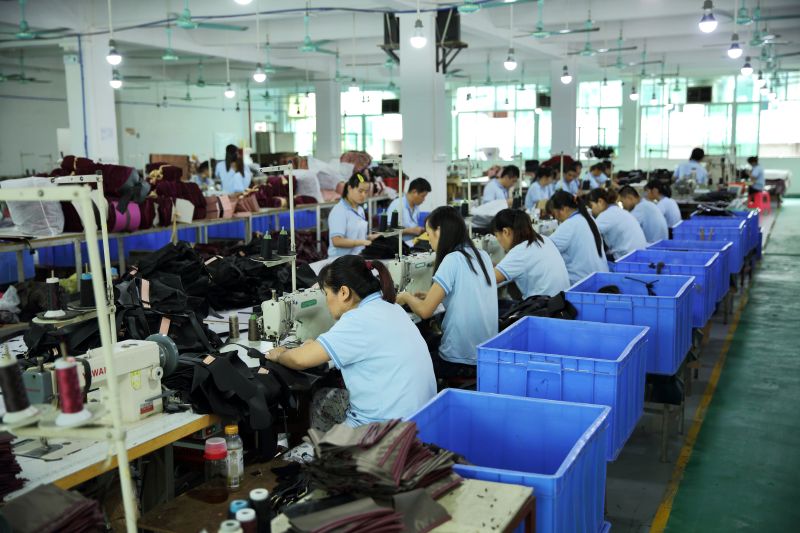
When creating a crocodile embossed handbag collection, it is helpful to have a partner with experience in the manufacturing process.
Whether you are looking for OEM/ODM service, material suggestions, sample development, or quality production assistance – we at Gorfia can help you develop the perfect handbags to elevate your design objectives and commercial needs.
Need help reviewing a crocodile handbag sample or planning a bulk order? Contact Gorfia to discuss your project with our team.