
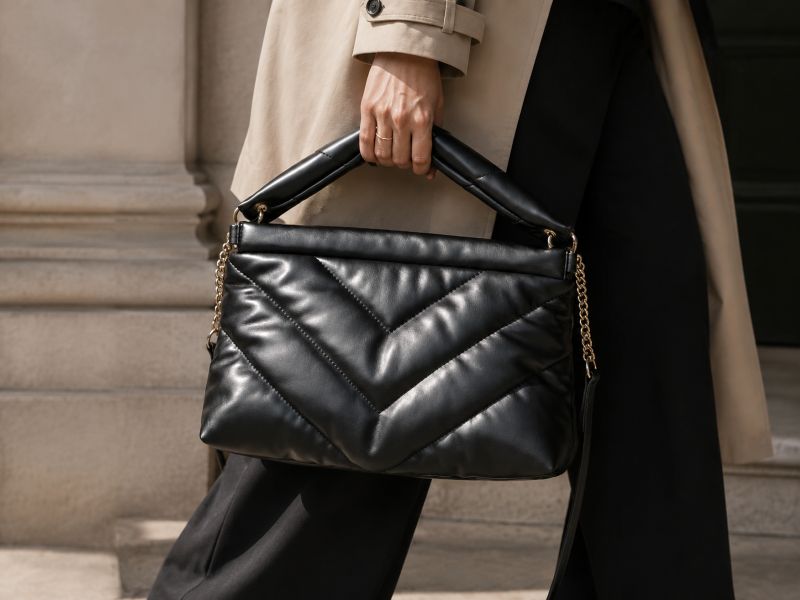
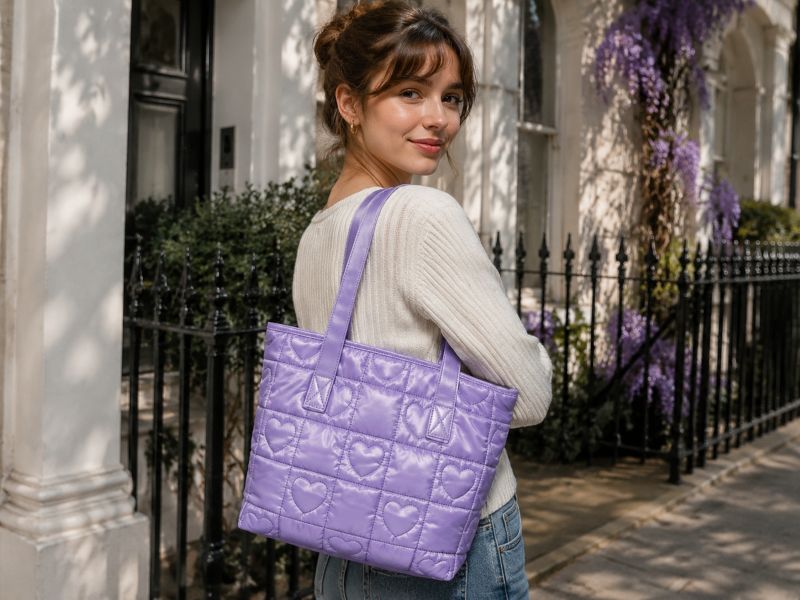
A puffer bag brings the soft, padded feel of a puffer jacket to familiar tote, shoulder, and crossbody shapes. Quilting adds volume and a relaxed look, while the lightweight construction can make these bags comfortable for everyday use.
A good puffer bag also depends on how it is constructed beneath the surface. The materials and internal structure influence how the bag holds its shape, carries daily essentials, and feels during use. These hidden details are often what make two puffer bags with a similar appearance perform differently over time.
Understanding how these elements work together makes it easier to evaluate a finished bag and develop a better one. Whether comparing styles or refining a new design, looking beyond the puffy appearance helps reveal what really influences the bag’s quality and performance.
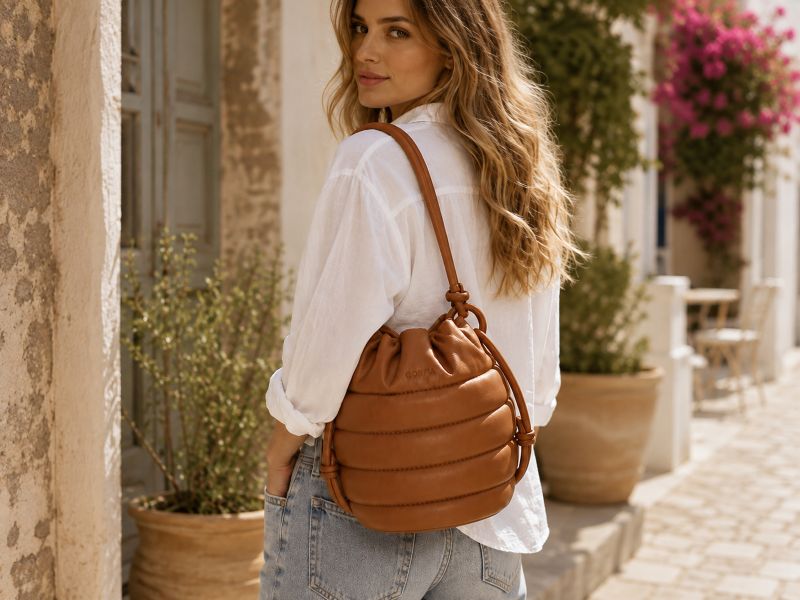
Popular Puffer Bag Styles and Their Uses
Puffer bags come in several familiar shapes, but the added padding changes how each style feels and performs. The best choice depends on your daily needs, including what you usually carry, where you use the bag, and how you prefer to wear it.
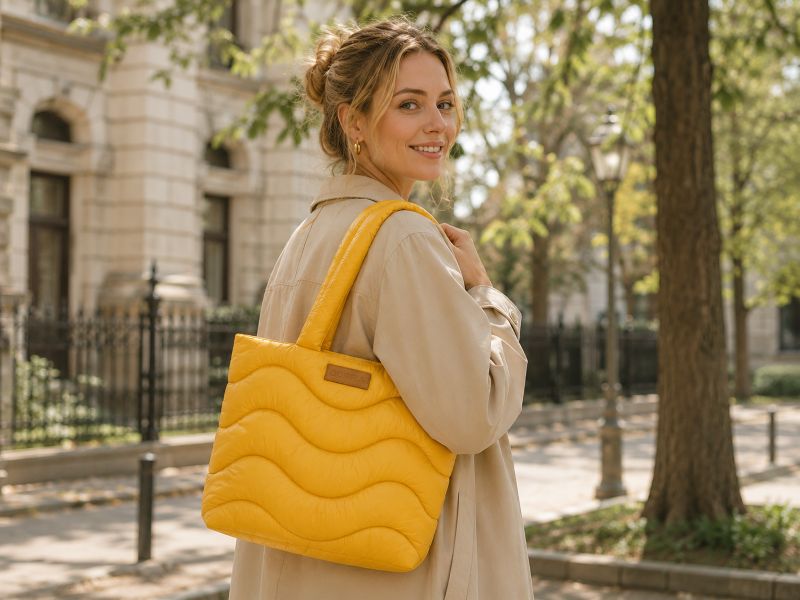
Puffer tote bags offer generous capacity for commuting, shopping, gym visits, or travel. Their roomy interior makes them suitable for carrying daily essentials and larger personal items when more space is needed. If you regularly carry heavier loads, check the strap width and base support, since even a lightweight bag can become uncomfortable when fully packed.
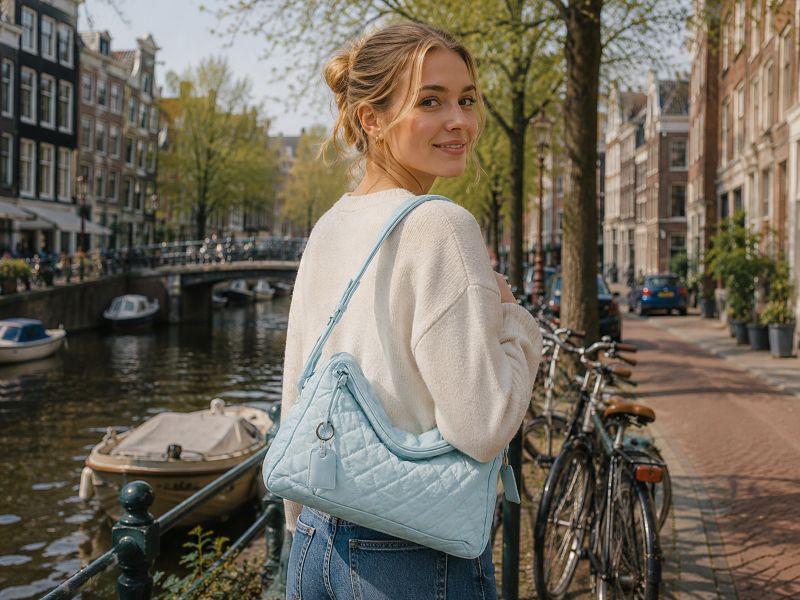
Puffy shoulder bags are a compact option for carrying everyday essentials without adding bulk. Their smaller size makes them suitable for users who prefer a lighter, more streamlined bag for daily use.
The padded body feels soft against the shoulder and torso, but the construction still needs enough support to maintain its shape without excessive filling reducing the usable interior space.
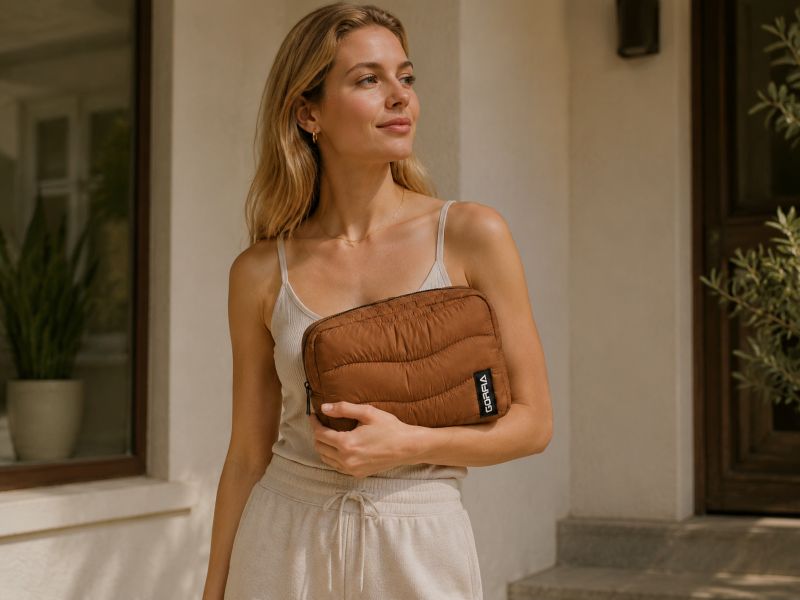
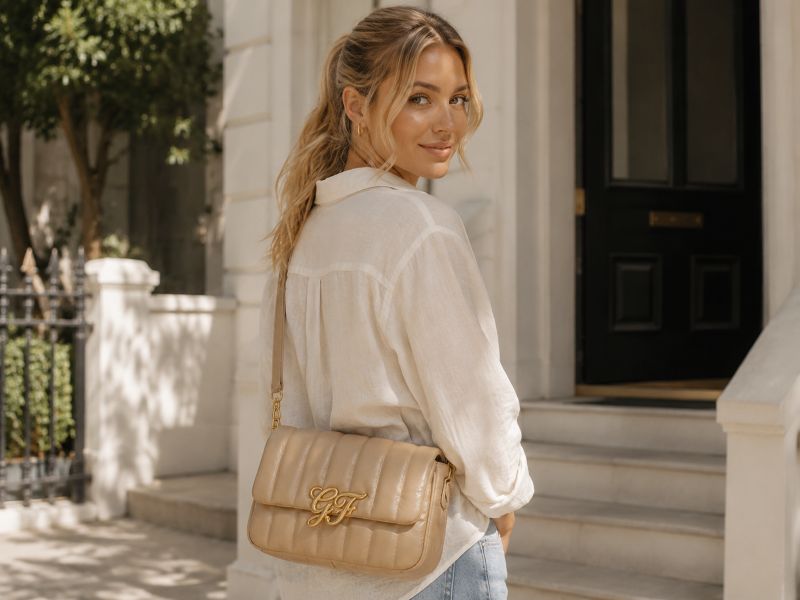
Puffer crossbody and pouch bags suit lighter hands-free carrying. Padding should remain proportionate to the smaller silhouette so it does not make the opening bulky or reduce usable space.
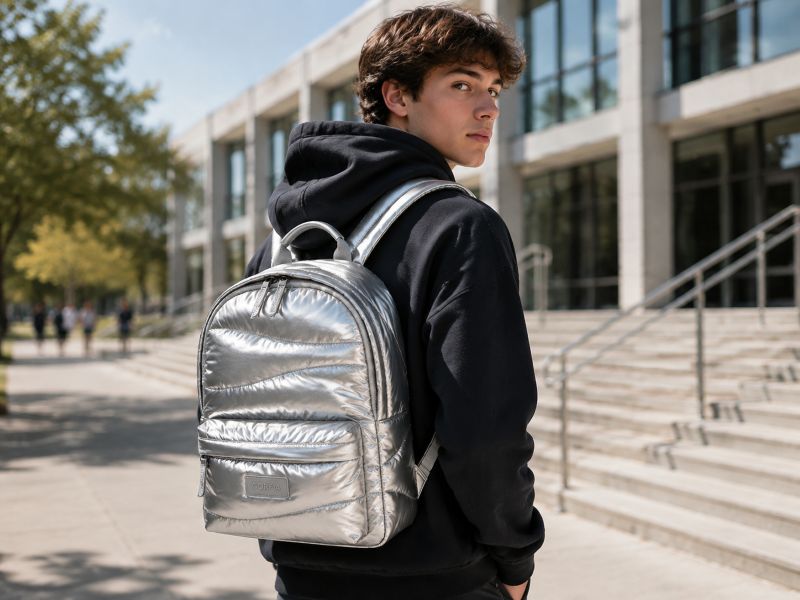
Different colors can also change a puffer bag’s visual character, with neutral shades creating an understated look while brighter or richer tones add more personality and style impact.
| Puffer Bag Style | Best For | Capacity | What to Check |
| Puffer tote | Work, travel, gym, shopping | Large | Strap comfort and base support |
| Puffy shoulder bag | Everyday essentials | Small to medium | Shape retention and padding bulk |
| Crossbody or pouch | Hands-free daily use | Small | Opening access and strap adjustment |
What Makes a Good Puffer Bag?
A good puffer bag balances its soft appearance with practical performance. The padding should create the desired loft while working together with the internal structure to maintain comfort, usability, and durability during everyday use.
What Shapes the Look and Feel of a Puffer Bag
Material plays an important role in determining a puffer bag’s overall feel, performance, and appearance. Different materials create different expressions, with softer options enhancing a relaxed look while smoother or more structured materials creating a cleaner finish. Softer materials tend to create a fuller, more relaxed appearance, while firmer materials help achieve a more controlled quilted shape.
Padding and quilting should work with the material, not against it. More filling does not always create a better puffer effect, and quilting density influences whether the surface looks soft and voluminous or more controlled. Even filling distribution also helps maintain a consistent shape.
How Structure Affects Everyday Performance
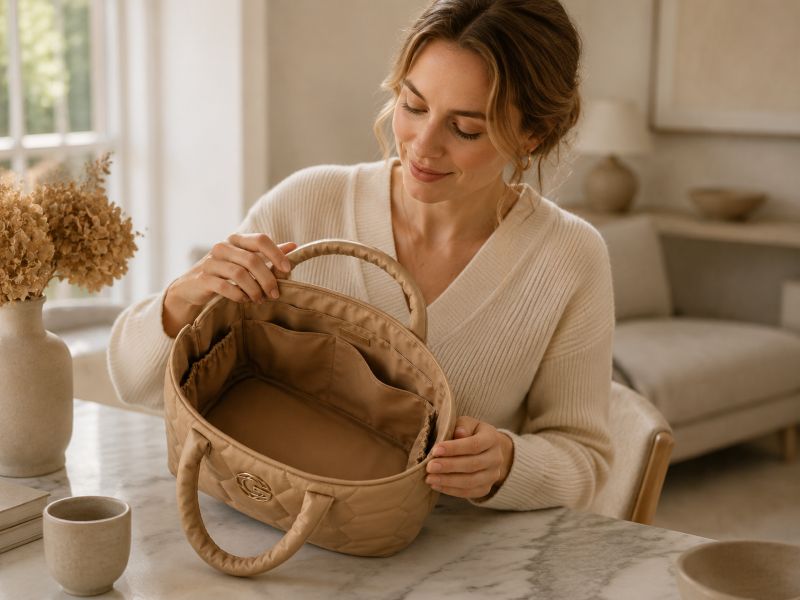
Internal construction can reduce usable space, so exterior size alone does not always reflect how much a puffer bag can carry. For work or travel, practical organization helps keep frequently used items accessible while avoiding unnecessary bulk. A well-planned interior layout can improve usability without reducing the bag’s overall capacity.
Strap width should match the expected carrying weight, especially for larger totes. Check comfort with the bag fully loaded, and look for secure attachment points that do not create stiff areas. Adjustable straps can also improve fit on shoulder and crossbody styles.
What to Check When Choosing a Puffer Bag
Before choosing a puffer bag, check whether the padding and overall construction look even and well balanced without visible distortion. Compare the exterior size with the usable interior space to see whether the bag is actually spacious enough for your needs, and check how well it holds its shape when loaded.
Also consider how the bag feels during daily use and whether its design matches your carrying habits and intended purpose. These practical details matter just as much as the bag’s puffy appearance.
How to Care for a Puffer Bag
Follow the recommended care instructions for the outer material, as different surfaces may require different cleaning methods. During storage, avoid prolonged pressure or compression on textile areas, as this can create unwanted folds and affect the bag’s intended shape.
After shipping or extended storage, gently reshape the bag and avoid placing pressure on quilted areas. Proper storage helps preserve the padding and maintain the intended silhouette over time.
How Construction Changes a Puffer Bag’s Performance
Turning an existing bag design into a quilted puffer style requires more than simply adding padding. The added volume changes seam thickness, panel dimensions, and how the finished bag holds its shape.
Quilting can also change a panel’s finished dimensions because stitching draws the fabric and padding together. If you don’t account for these changes in the pattern, the finished bag may have twisted panels, mismatched seams, or poor alignment.
Padding around seam allowances can add bulk and affect how panels join. Construction therefore needs to consider how different structural elements work together rather than treating each part separately.
What Brands Should Know When Developing Puffer Bags
For brands, developing puffer bags requires balancing the desired appearance with practical construction. All design and construction elements should be developed together so changes in one area do not create problems elsewhere.
How to Balance Design Goals with Production Reality
Brands should define the desired loft before finalizing the overall construction approach. Excessive padding can increase bulk and reduce capacity, while insufficient support can cause the bag to lose its intended shape under load.
In one puffer tote project, we found that a firmer bottom concentrated stress where the rigid base met the soft panels, causing pulled seams and uneven quilting. We reduced padding in the seam allowance and extended reinforcement into the lower side panels.
During development, we adjusted the reinforcement structure to create a smoother transition between the firm base and padded body. This experience showed us that reinforcement works best when we design it together with padding and seam construction, rather than adding it as a separate fix later.
Sampling Before Production
Sampling helps determine how the chosen materials behave after quilting and assembly. We measure panels after quilting and compare shrinkage across padding thicknesses and stitch densities before finalizing the pattern.
Recording these measurements helps prevent shape distortion and construction issues. Before bulk production, also evaluate the sample as a whole to confirm that the final structure, appearance, and performance meet the intended standards.
How to Test a Puffer Bag Before Production
Test prototypes with realistic everyday loads before production begins. Evaluate how the bag performs under actual use conditions, including whether it maintains its shape, structure, and carrying comfort.
Test the bag both empty and fully loaded to see how its shape and carrying comfort change. Repeated use can also reveal whether the padding stays evenly distributed and whether reinforced areas create unwanted stiffness.
Compare the prototype before and after testing, paying particular attention to quilting alignment, seams, handles, and strap attachment points. Correct any recurring issues during sampling rather than after bulk production begins.
FAQ
Are puffer bags practical for everyday use?
Yes. Puffer bags can offer useful capacity without feeling unnecessarily heavy. The key is choosing a design that feels comfortable to carry and provides enough space and support for your everyday needs.
What materials work well for puffer bags?
Nylon and polyester work well for lightweight, functional styles, while PU and leather offer different textures and levels of structure. The right material depends on how the bag is expected to look, feel, and perform in everyday use.
Do puffer bags lose their shape?
They can if the padding shifts, the structure is insufficient, or the bag is repeatedly overloaded. A balanced design and proper care help preserve the intended shape over time.
Does thicker padding make a better puffer bag?
Not necessarily. Too much padding can reduce interior capacity, add seam bulk, and distort the bag’s proportions. Padding thickness should work with the fabric, quilting pattern, structure, and desired loft.

Conclusion
A well-designed puffer bag should balance visual appeal with everyday functionality. The way the bag is developed as a whole determines its final appearance, performance, and user experience.
For brands developing puffer bags, considering these elements during sampling and testing can help identify construction issues before bulk production and create a more consistent finished product.
Develop Your Puffer Bag with Gorfia
A great puffer bag is not only about creating a soft, eye-catching appearance. The challenge is turning that design into a product that keeps its shape, performs well, and meets market expectations.
GORFIA helps brands develop custom puffer and quilted bags with OEM and ODM support, guiding projects from initial ideas through production. Let’s create a collection built for your customers.