
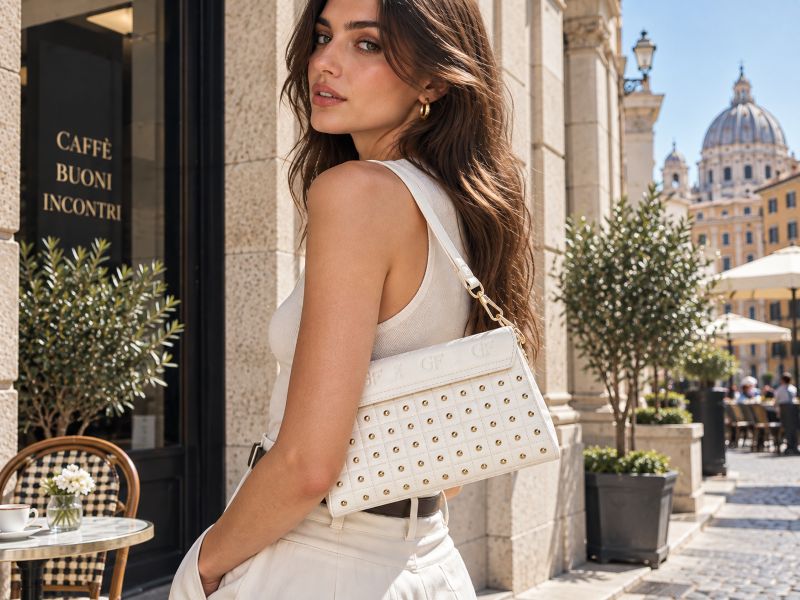
A white handbag looks simple until you compare two versions side by side. One may appear crisp and bright, while another feels softer or creamier even before you consider the material.
From our sampling experience, white is rarely just one color. The base material, hardware, and lighting can all shift how the finished bag looks.
This guide explains how to choose the right shade, material, and bag style when comparing white bags for women. It also covers color transfer, care, and the checks brands should make before approving a white bag for production.
Which Shade of White Should You Choose?
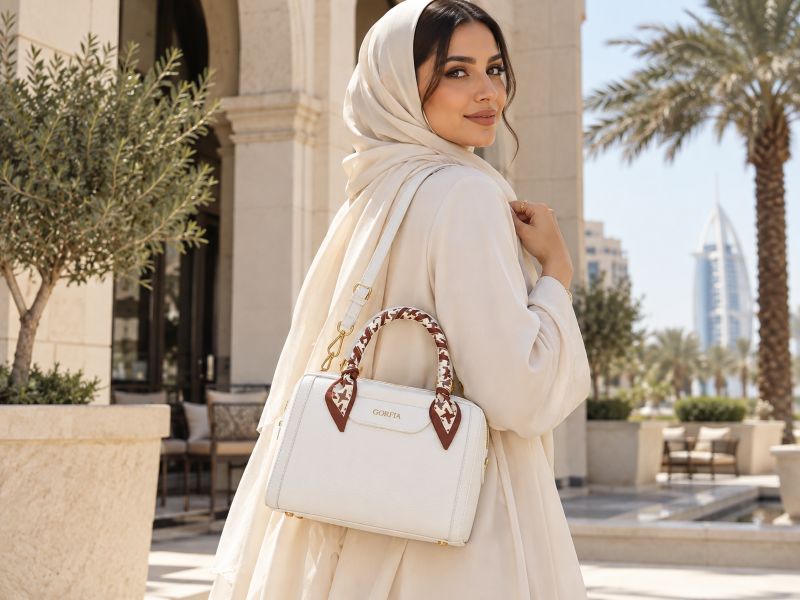
The first decision is not simply “white or not.” Before you select a shade, consider whether you prefer a cooler, cleaner white or a warmer tone that sits closer to ivory or cream.
Cool White vs. Warm White
A cool white usually looks brighter and slightly crisper. It tends to work naturally with black, grey, and deep navy. A warm white has a creamier undertone and often pairs more easily with beige, camel, and earth tones. In our bag sampling, the natural tone of genuine leather can influence the finished white, sometimes giving it a warmer appearance even after pigmentation and finishing.
By comparison, synthetic PU or PVC gives more control over the substrate, so a crisp, cool white can be easier to achieve. Synthetic PU or PVC gives more control over the substrate, so a crisp, cool white can be easier to achieve. Beyond the material, hardware changes the result too. Silver often reinforces a cooler direction, while warm gold can sit more naturally beside ivory or cream. These are not fixed rules, but they are useful starting points.
Check White Under the Right Light
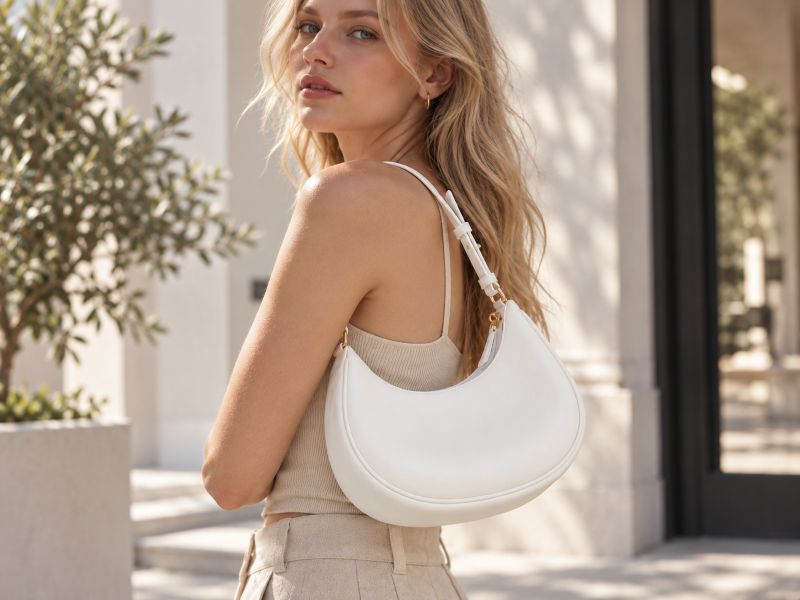
A white bag can look noticeably different under warm indoor lighting and natural daylight. A shade that feels soft indoors may appear cooler or brighter outside.
For shoppers, the advice is simple: don’t rely only on images on a product page. If possible, view the bag in daylight. When shopping online, ask for a natural-light photo rather than judging the shade from studio photography alone.
How Material Changes a White Handbag
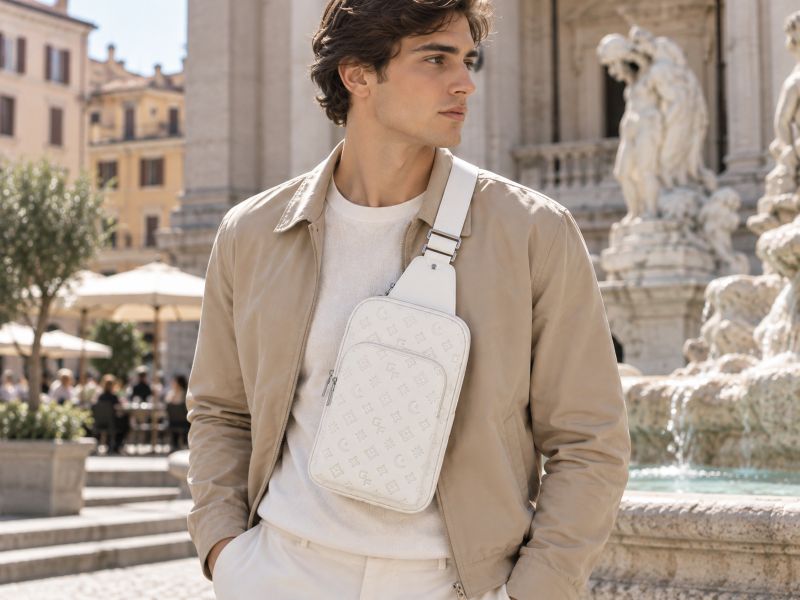
Material affects both how white looks and how much maintenance the bag needs. A white leather bag may feel polished and refined, but natural grain can soften the look.
Smooth leather also makes scuffs and surface transfer easier to notice. PU can create a cleaner and more even surface color. Its long-term appearance depends heavily on coating quality and how the finish holds up to rubbing.
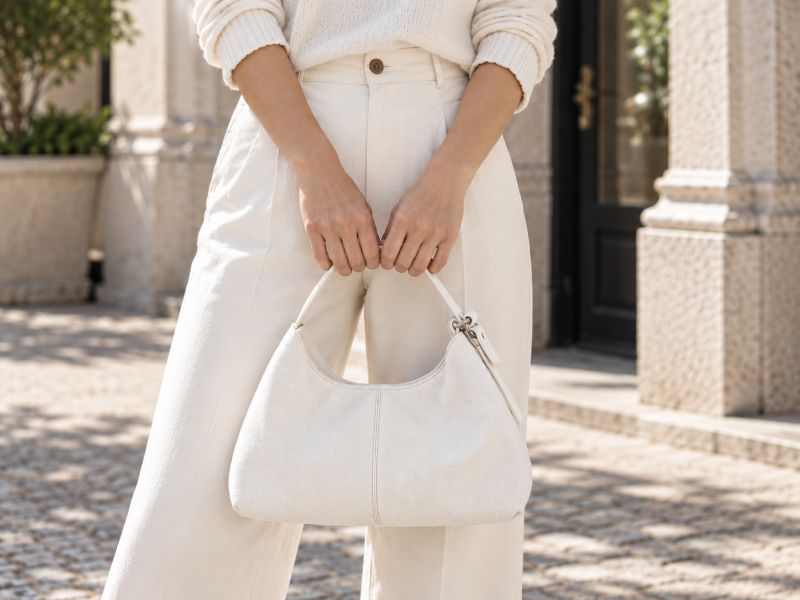
Canvas gives white a more casual look. Because the surface is woven, dirt can settle into the texture rather than staying only on top. Suede and brushed materials create the softest appearance, but they are also less forgiving when it comes to staining or aggressive cleaning.
| Material | White appearance | Best use | Main concern |
| Smooth leather | Refined and natural | Work or polished everyday use | Scuffs and transfer |
| PU | Clean and even | Fashion and daily use | Surface wear |
| Canvas | Soft and casual | Totes and lifestyle bags | Embedded dirt |
| Suede | Warm and textured | Occasion or fashion use | Staining and rubbing |
Choose the White Bag for How You’ll Use It
White bags come in different styles, including totes, shoulder bags, crossbody bags, and clutches. Each format also changes how the bag comes into contact with clothing and surrounding surfaces. A clutch is usually hand-carried, which makes it practical for formal occasions or shorter outings when less capacity is needed.
Work and Everyday Bags
A white tote bag or shoulder bag works well for office and everyday use, but these larger styles usually contact desks, seats, and other surfaces more. Pay attention to the base, corners, and handles because these areas often show wear first.
A structured tote may keep a cleaner shape, while a relaxed design can feel more casual. A small white shoulder bag carries less but can work well for dinner, city outings, or other occasions when you only need the essentials. The best choice depends on how much you carry and how polished you want the white clutch bag to look.
Crossbody and Travel Bags
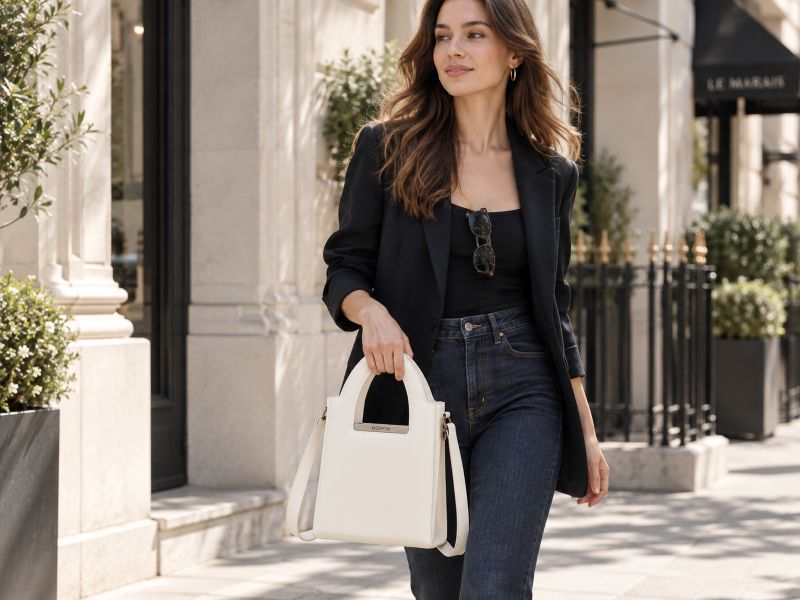
A white crossbody bag has a different risk: repeated contact with clothing. Because the back panel moves against the body while you walk, dark denim or heavily dyed fabric may transfer color onto the bag through friction. Intertek’s guidance on colorfastness to rubbing explains that dye transfer can occur when a colored textile rubs against another surface, which is especially relevant to dark garments worn against light white designer handbags.
How Practical Is a White Bag?
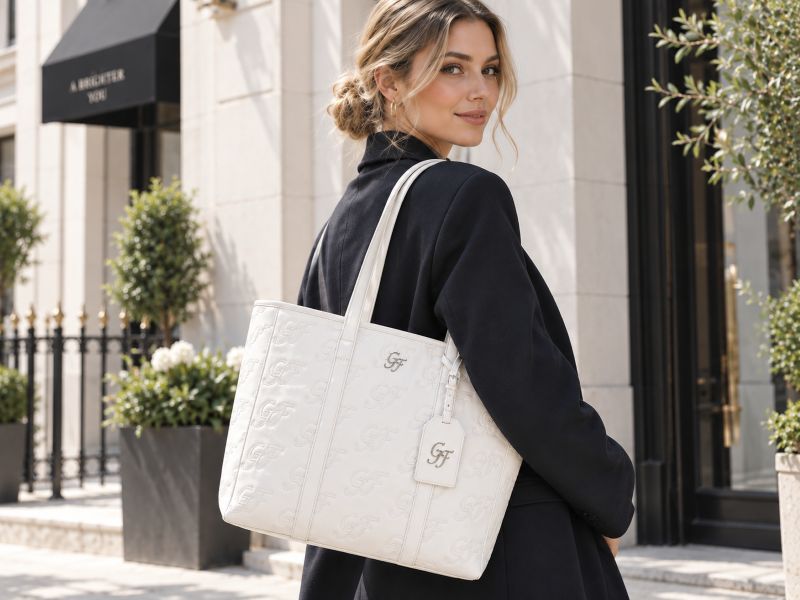
White shoulder bags are less forgiving than darker colors because scuffs, dirt, and color transfer show up more easily.
Watch for Color Transfer
Color transfer is one of the most common concerns with light-colored bags. Raw or new dark denim deserves particular caution because repeated rubbing can transfer excess indigo dye onto a white bag.
If you often wear dark or strongly dyed clothing, consider how much of the bag stays in contact with it. A shoulder bag that sits under the arm may behave differently from a crossbody that moves against the hip all day.
Care According to the Base Material
Clean a white handbag based on the material, not the color alone. Remove fresh surface dirt early. Test any cleaner on a hidden area first, and avoid harsh cleaners or aggressive rubbing that may alter the surface finish or create a visibly cleaner patch.
For leather, storage conditions also matter. Keep the bag away from prolonged direct sunlight, as UV exposure can contribute to fading. Use care products suited to the specific leather type rather than generic household cleaners, and test them on a less visible area first.
If the leather type allows it, an appropriate leather conditioner can help maintain its feel after cleaning. Allow the bag to dry fully before storage and keep it in a cool, dry place away from direct heat.
How Brands Can Keep White Consistent in Production
Establish One Approved Reference
Before production, approve a physical sample rather than relying on “white” as a color description. Record the material, finish, edge paint, stitching, and hardware used on that sample so the factory has one complete reference to follow.
If the same design uses different materials, approve each material separately. The goal is not to make every substrate follow the same color formula, but to make the finished bags match the intended visual direction.
Approve the Finished Bag, Not Separate Components
Review the assembled sample before final approval. Edge paint, stitching, lining, and hardware may look acceptable on their own but create visible differences once they sit next to the white body material.
Check these components together on the finished bag rather than approving individual swatches or metal chips separately. This makes small mismatches easier to catch before bulk production.
Set a Production Tolerance Before Bulk Production
Compare pre-production samples with the approved reference under the same lighting conditions. Check the body material, edge paint, stitching, and panel-to-panel consistency side by side rather than reviewing each bag separately.
More importantly, decide what level of variation is acceptable before bulk production begins. Keep the approved sample and material reference available for production checks so later batches are judged against the same standard.
Approve Color Under More Than One Light
Do not approve white under one lighting condition. View the sample in controlled daylight or natural daylight, then compare it under the type of indoor lighting customers are likely to see.
A cool white may look balanced under warm light and much sharper outdoors. That shift matters when a brand is trying to maintain a specific visual direction across a collection. Record the approved material, shade reference, and hardware finish so production does not rely on the word “white” alone.
Review the sample under daylight-equivalent conditions and typical indoor lighting. A cool white handbag for women may look balanced under warm office light, but noticeably sharper outdoors, so the approved reference should account for both viewing conditions.
Compare Pre-Production Samples Side by Side
Before bulk production, compare several samples side by side. Look for differences in the white tone, edge paint, stitching, hardware, and panel-to-panel consistency. Small variations are much easier to notice when samples sit next to each other than when you review them one at a time.
FAQs
Are white bags only for summer?
No. White works throughout the year. Rather than treating white as a trending summer color alone, consider the material, shape, and styling, which have a stronger influence on whether the bag feels seasonal.
Is cream easier to wear than bright white?
Often, yes, especially with warm or earth-toned wardrobes. Bright white may work better with cooler, higher-contrast clothing.
Can dark jeans stain a white purse?
Yes, color transfer is possible when heavily dyed fabric repeatedly rubs against a light surface.
Are white leather bags hard to keep clean?
They require more visible maintenance than darker bags, but prompt cleaning and sensible storage make everyday use realistic.
Does white leather turn yellow over time?
Some white finishes can discolor with age, light exposure, heat, or material changes. The rate depends on the leather and finish, not on every white bag aging the same way.
Conclusion
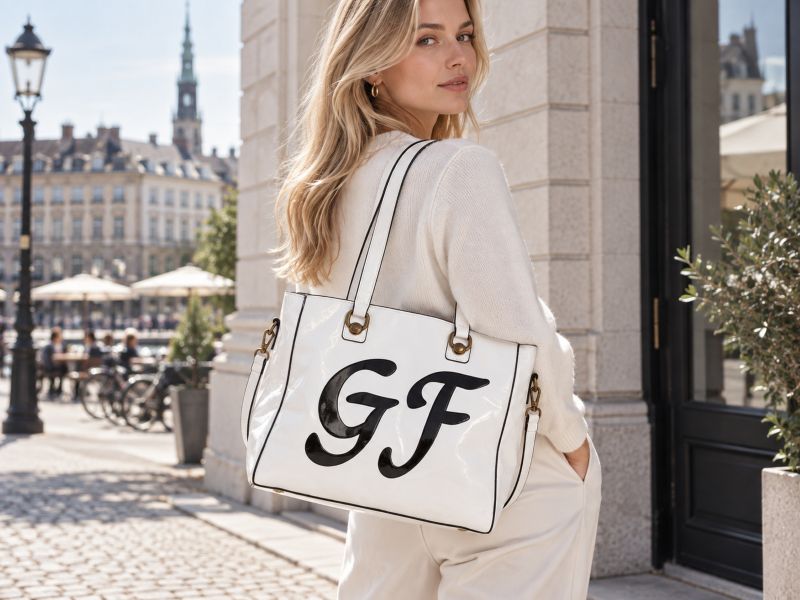
Choose a white handbag in the conditions where you will actually use it.
If the shade works with your wardrobe, the material suits your maintenance habits, and the bag still looks right in natural light, you have a stronger basis for choosing it than appearance alone.
Develop a White Designer Bag With Gorfia
If your brand is developing a white handbag collection, Gorfia can support the development process from sample refinement through scalable production.
Contact the Gorfia team to shop or discuss the color and construction details you want to validate before bulk production.