
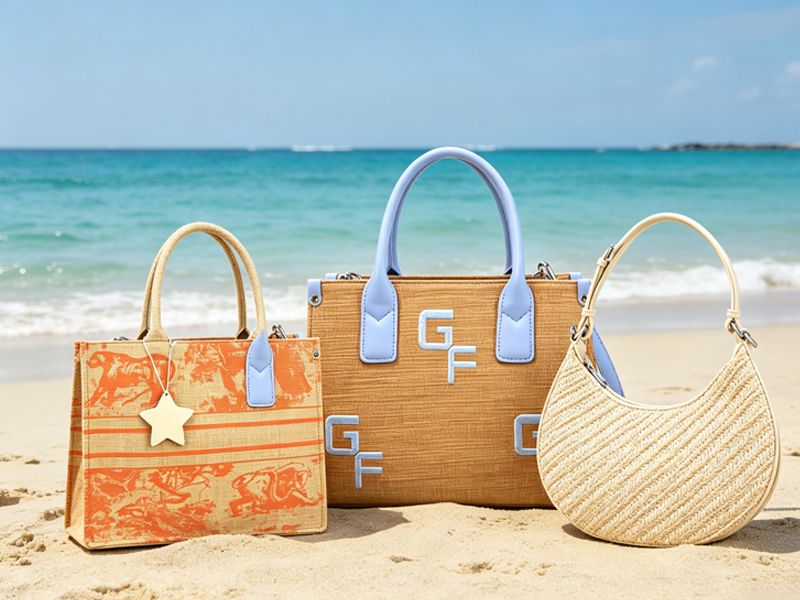
You pack the towels, sunscreen, snacks, and a change of clothes — and then realize your bag isn’t built for any of it. A beach bag usually fails when you need it most, not when you first buy it.
After years of developing bags for real-world use — from beach and travel to daily carry — we’ve seen how small construction details and material performance show up quickly in everyday use.
Choosing the right one comes down to a few key decisions: how much you carry, how you move through the day, and what kind of use the bag needs to handle. This guide breaks down what separates a bag that lasts one summer from one that holds up for years, whether you’re packing light, carrying for a family, or sourcing for a brand.
Here’s what to look for if you want a bag that actually works at the beach.
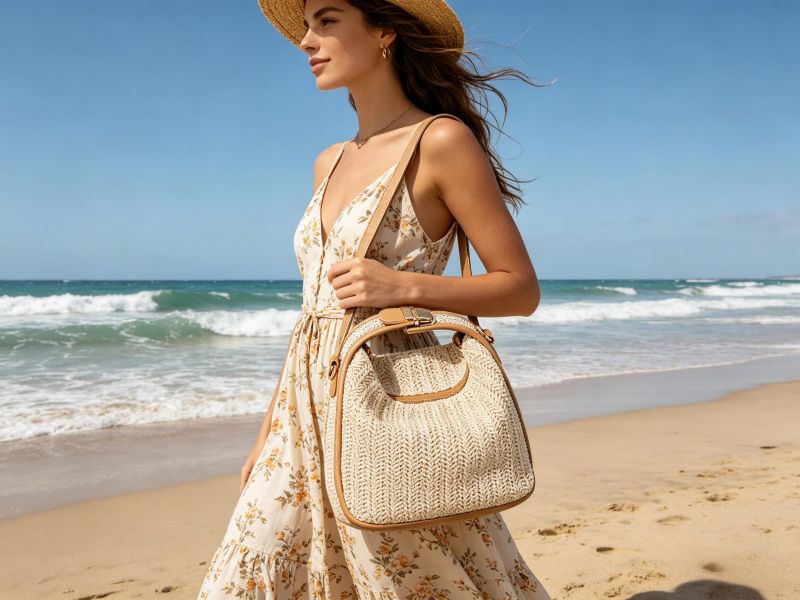
What Makes a Good Beach Bag? The Features That Actually Matter
Not every beach bag is built for the beach. Many are designed to look beach-appropriate, which is not the same thing. Sand, salt water, wet towels, and sunscreen residue will expose a poorly constructed bag within a single season.
Water resistance is the first filter. A bag that absorbs moisture becomes heavy, develops odor, and degrades faster. Look for materials like coated nylon, TPU-laminated canvas, or woven polypropylene — these repel moisture rather than absorbing it. Mesh panels on the exterior or interior are useful for drainage and ventilation, but should not be the primary material in a bag expected to carry valuables.
Interior organization matters more than it seems. A single open compartment works for towels, but makes everything else a search operation. Useful beach bags have at least one zippered interior pocket for keys, cards, and a phone, plus an insulated section or exterior pocket for bottles and drinks.
The bag’s base deserves attention. Flat fabric bottoms sag and collect sand; structured bases with reinforced corners or a rigid insert hold their shape and keep the bag upright on uneven sand. Some brands include waterproof base panels as standard — worth prioritizing if you’re buying for heavy use.
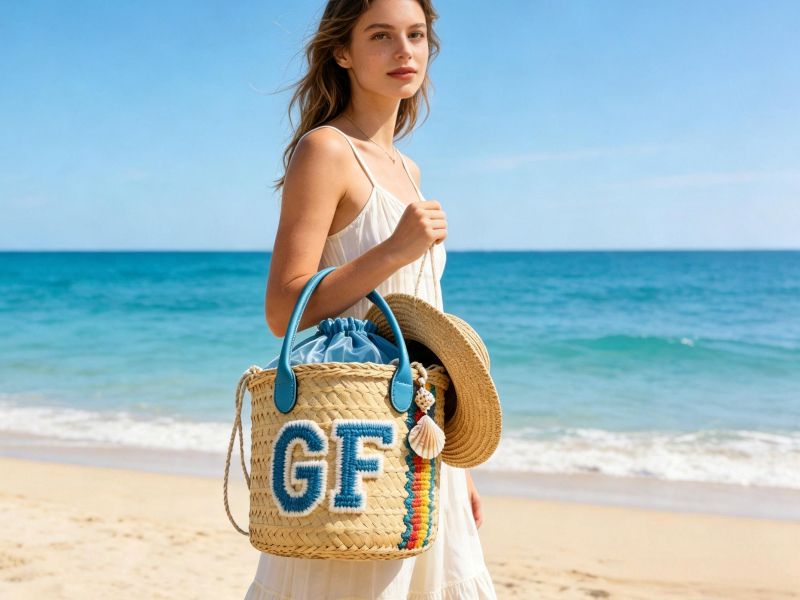
Beach Bag Styles: Which Format Fits Your Day?
Tote Bags: Open, Roomy, and Easy to Pack
The classic beach tote is the most common format for good reason. Wide opening, large capacity, easy to throw things in and pull things out. For a solo trip or a short beach day with light gear, a tote handles it well. The limitation is carry comfort — totes sit on one shoulder, which becomes tiring with a full load. Look for wide, padded straps and a reinforced base if you’re using a tote for anything beyond a short walk.
Backpack Beach Bags: Hands-Free for Active Days
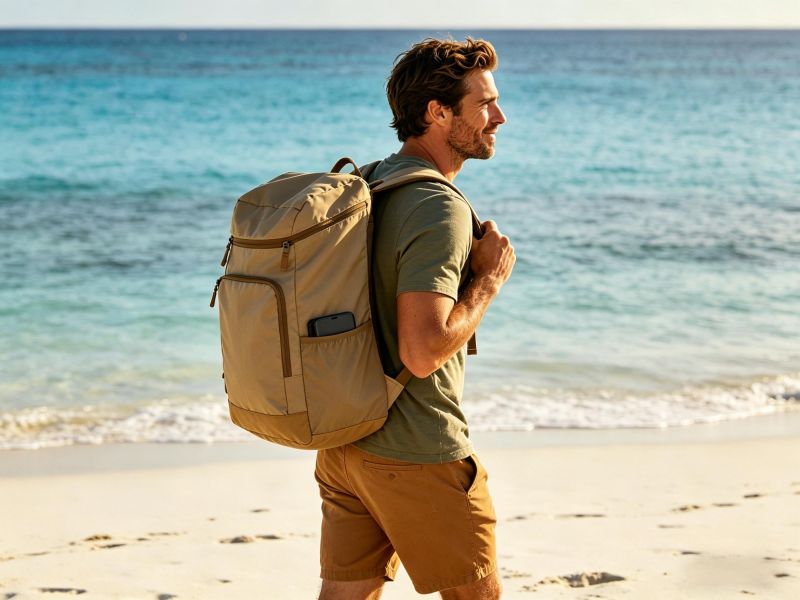
Backpack-style beach bags have become the practical choice for families, hikers, and anyone who needs both hands free. They distribute weight evenly across both shoulders, which matters when you’re carrying towels, a cooler pocket, snacks, and gear for multiple people. The trade-off is slightly slower access — you need to put the bag down to reach inside. For active beach days or coastal walks, that trade-off is worth it.
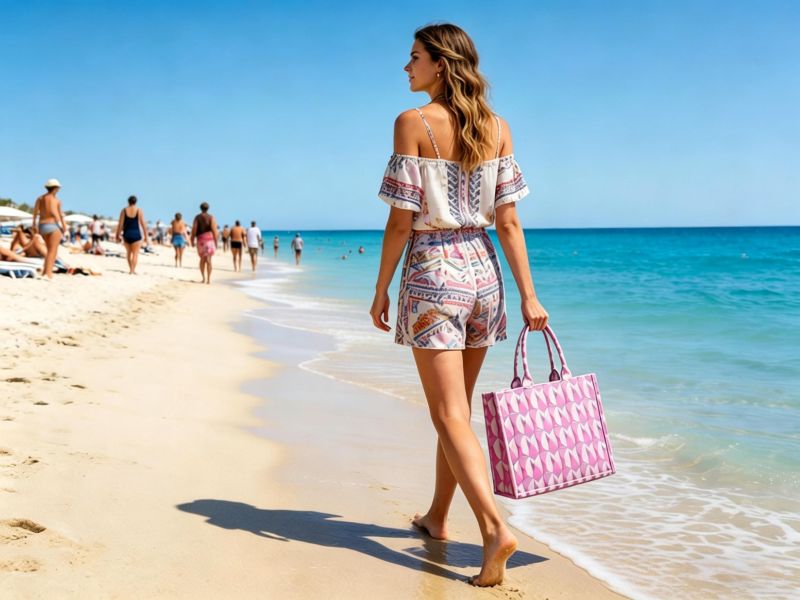
Mesh Beach Bags: Lightweight but Limited
Mesh bags are lightweight, dry fast, and let sand fall through rather than collecting at the bottom. They work well as secondary bags for wet towels or sandy toys, but lack the structure and security features needed to carry valuables, electronics, or food. Think of mesh as a supplement to your main bag, not a replacement for it.
Waterproof Dry Bags: Built for Water Sports
If your beach day involves kayaking, snorkeling, or any activity where full submersion is possible, a waterproof dry bag is the correct tool. These use roll-top closures and welded seams to seal out water entirely. According to Dataintelo, the global waterproof dry bag market reached $1.22 billion in 2024, growing at a 7.1% CAGR driven by rising participation in water sports and adventure tourism. They’re not everyday beach bags, but for water-heavy use, nothing else performs as well.
Beach Bag Materials: What Holds Up and What Doesn’t
| Material | Water Resistance | Durability | Weight | Best For |
| Coated Nylon | High | High | Light | Everyday beach use, travel |
| Canvas (waxed) | Medium–High | High | Medium | Style-forward buyers, casual use |
| Canvas (uncoated) | Low | Medium | Medium | Short trips, dry days |
| Polypropylene (woven) | High | High | Very Light | Budget-friendly, sand-resistant |
| Mesh | Low (drains fast) | Medium | Very Light | Secondary bag, wet items |
| Genuine Leather | Low | Very High | Heavy | Resort days, fashion-forward use |
| Recycled PET | Medium | Medium–High | Light | Sustainability-focused buyers |
Coated nylon and waxed canvas offer the best balance of durability and water resistance for most beach use cases. Genuine leather looks polished at a resort, but requires real maintenance and should not get soaked. Recycled materials like rPET(recycled polyester from plastic bottles) have improved in quality and are worth considering for brands building a sustainability-focused line.
For brands developing beach bag collections, material selection at the product brief stage determines longevity, washability, and customer satisfaction. Gorfia works with genuine leather, vegan leather, canvas, nylon, polyester, and recycled materials — all available for custom specification across product lines.
Size Guide: How to Match Bag Capacity to Your Use Case
Buying too small means leaving things behind, while going too large leaves you carrying a bag that sags and shifts all day. The key is matching capacity to how much you actually bring.
Solo beach day (3–5 hours):
A 15–20 liter bag is usually enough for a towel, sunscreen, phone, keys, water bottle, and light snacks. Keeping the load minimal improves comfort and makes the bag easier to manage throughout the day.
Couple or friends outing:
A 20–30 liter capacity works well for shared essentials, including multiple towels, snacks, and a change of clothes. At this range, organization becomes more important to avoid everything piling into one compartment.
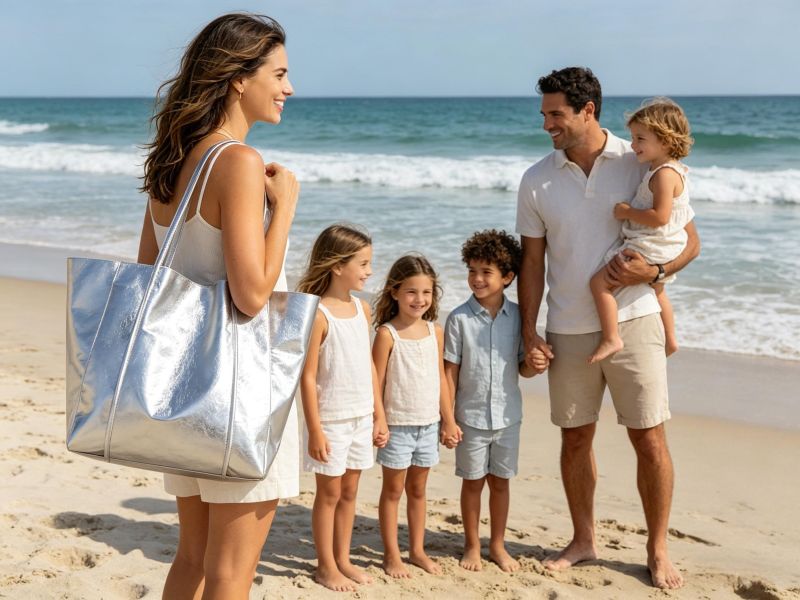
Family beach trip:
Expect to need 30 liters or more, or plan for multiple bags. Carrying items for children — towels, food, sun protection, spare clothing, and entertainment — requires both volume and efficient packing.
Resort or light-use day:
Capacity matters less than how efficiently the space is used. A medium-sized bag with a well-organized interior is often sufficient when you’re carrying fewer items and prioritizing convenience.
Key Features to Compare Before You Buy
These are the features that separate a bag that works at the beach from one that merely looks the part:
A waterproof or water-resistant lining is non-negotiable for anything that will carry wet items or sit on wet sand. An exterior or insulated bottle pocket keeps drinks accessible without opening the main compartment. Zippered inner pockets protect phones, keys, and cards from shifting around loose inside the bag.
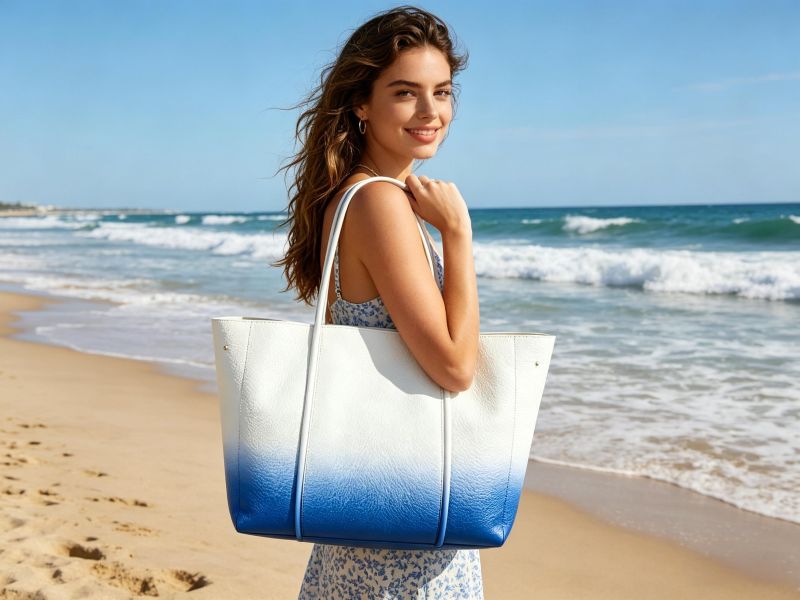
Wide, padded straps matter more than most buyers anticipate — a fully loaded beach bag weighing 5–8 kg on a narrow shoulder strap becomes painful within 20 minutes. A structured base keeps the bag upright and reduces sand accumulation. Reinforced handles or stitching at stress points (handle attachment and corner seams) are clear indicators of construction quality.
Easy cleaning is often overlooked at the point of purchase. Sand and sunscreen residue are nearly impossible to remove from fabric with complex texture; smooth-lined interiors and wipe-clean materials make the difference between a bag that lasts three seasons and one that smells unusable by September. Our guide on how to wash canvas tote bags covers cleaning principles that apply across most fabric beach bag types.
Beach Bags by Use Case: Matching the Bag to the Day
Choosing the right beach bag is less about size and more about how you plan to use it. The same capacity can perform very differently depending on structure, carry style, and access.
Best for Solo Travelers and Resort Days
For lighter beach days, convenience matters more than capacity. A simple, open-access bag works well when you’re carrying only essentials and want quick access without constantly opening compartments.
The key is keeping the load light — once the bag gets heavier, shoulder carry becomes uncomfortable over time.
Best for Families
When carrying gear for multiple people, the challenge isn’t just space — it’s how the weight is distributed. Bags that balance the load across both shoulders reduce fatigue and make longer beach walks much more manageable.
Look for designs that keep items separated, so essentials are easy to find without unpacking everything.
Best for Water Sports and Active Days
In water-heavy environments, protection becomes the priority. Keeping valuables dry and separating wet items from clean gear makes a significant difference in usability throughout the day.
Instead of relying on a single bag, combining different carry options can be more flexible.
Best for Travel and Multi-Day Trips
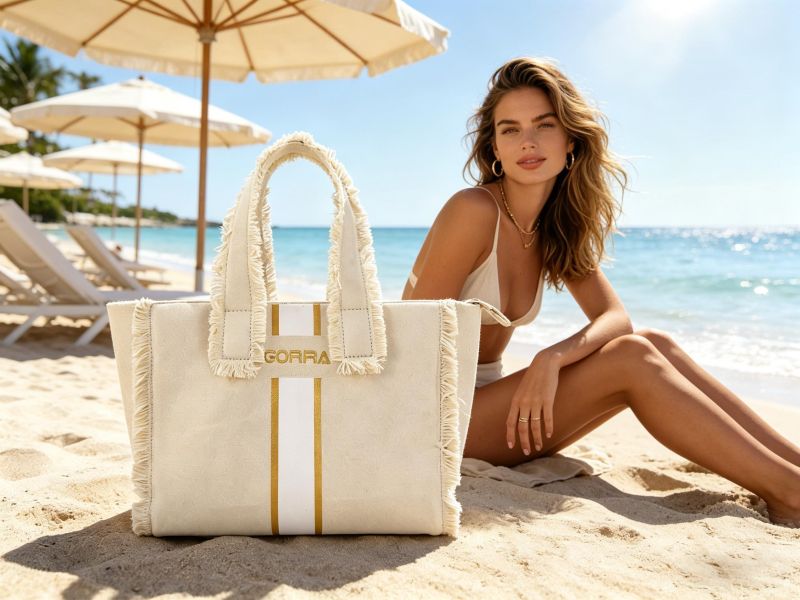
For travel, versatility is more important than specialization. A bag that transitions easily from beach use to everyday carry reduces packing complexity and saves space in your luggage.
Lightweight, packable designs are especially useful when you need something functional without adding extra bulk.
B2B Considerations: Sourcing and Customizing Beach Bags at Scale
For brands and retailers developing a beach bag line, the consumer purchase decisions outlined above directly translate into product specification decisions. Material choice, capacity, interior layout, hardware, and strap construction are all variables that need to be defined early in the product brief stage — not adjusted after sampling begins.
Branding and customization are also critical to how beach bags are positioned, especially for resort brands, lifestyle labels, and promotional use. Once the core structure and materials are defined, the next step is ensuring that branding elements align with both the product design and production feasibility.
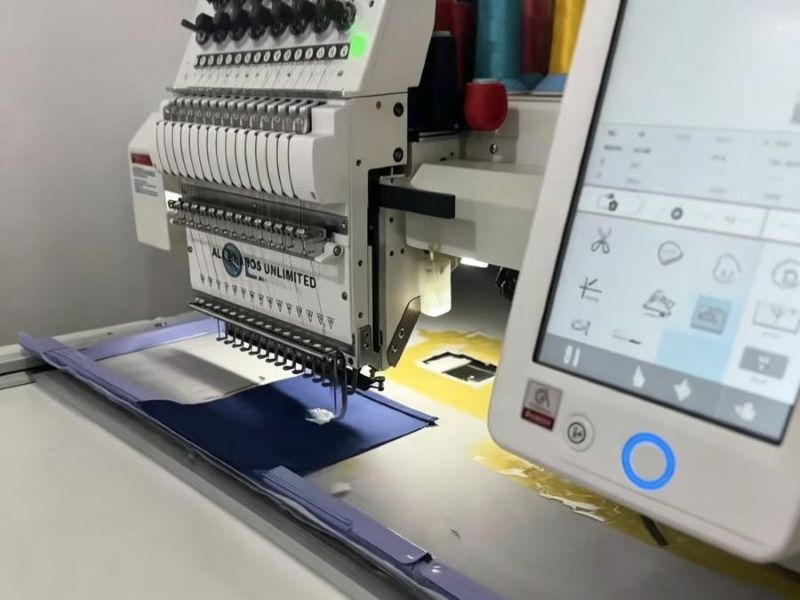
Logo application methods vary depending on material and design intent. Emboss and deboss work well on leather-trimmed panels, while screen printing is better suited to flat canvas and nylon surfaces that require high visibility.
Woven labels, hot stamping, and embroidery each offer different aesthetic directions, and custom metal hardware logos on zippers, D-rings, and closures can elevate perceived value without significantly increasing unit cost.
Beyond design and branding, production planning plays a key role in how effectively a beach bag collection can be launched and scaled. Capacity, MOQ, and lead time directly affect how quickly brands can test new designs and respond to seasonal demand.
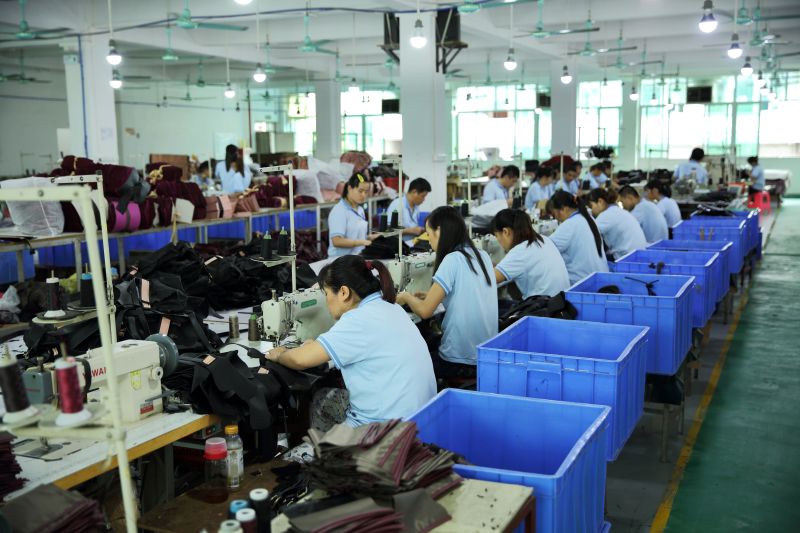
Gorfia operates an in-house factory, has over 20 years of experience, and has an annual production capacity of 1.2 million pieces, supporting both small-batch development and large-scale production. Door-to-door DDP service further simplifies logistics for international buyers by reducing operational complexity.

According to Verified Market Research, the global waterproof bags market was valued at $20.12 billion in 2023 and is projected to reach $29.8 billion by 2031, growing at a 5.6% CAGR. Beach and leisure bags are a growing subsegment of this market, driven by increased participation in outdoor activities and demand for functional, durable carry solutions.
For brands expanding into this category, aligning product design, material sourcing, and production execution becomes increasingly important — especially when balancing performance, cost, and sustainability requirements.
At Gorfia, this typically involves working with a network of certified suppliers to ensure both performance and sustainability standards are met.
FAQs About Beach Bags
What material is best for a beach bag?
Coated nylon and waxed canvas balance water resistance, durability, and easy cleaning for beach use. Polypropylene woven bags are the best budget choice, while genuine leather suits resorts but needs extra care around water.
How do I get sand out of a beach bag?
Turn the bag inside out and shake out sand. Use a brush or handheld vacuum for fabric linings. Smooth or wipeable interiors are easier to clean, so check the lining before buying.
What size beach bag do I need for a family day?
Plan for at least 30L or use two bags. Families often underestimate space, and a backpack carries full-day loads more comfortably than a tote.
Can a beach bag be used as a travel bag?
Many beach totes double as travel day bags. Lightweight, packable nylon or polypropylene styles fold flat and weigh almost nothing. Fully collapsible designs are more versatile than rigid ones.
What features separate a good beach bag from a cheap one?
Look for reinforced stitching, a wipe-clean lining, wide padded straps, a sturdy base, and quality zippers like YKK. Cheap bags often skip base support and use thin straps, leading to quick failure under load.
What are brands looking for when sourcing beach bags?
Consistent quality, reliable lead times, low MOQs, and flexible branding are key. Volume buyers also value custom hardware, diverse logo options, and DDP delivery to simplify imports.
From Product Choice to Product Line Strategy
A beach bag that performs well usually shares the same design logic as travel and daily-use bags — durability, structure, and versatility matter across all scenarios.
If you’re exploring how these principles apply to other bag types, you can continue here.
Sourcing Beach Bags: What to Consider
Gorfia supports brands in developing beach bags and lifestyle carry products that align with real-world use — from early sampling through to scalable production.
If you’re currently evaluating manufacturing partners for your beach bag collection, it can be helpful to compare material options, construction approaches, and pricing structures early on.
We’re always available to share reference pricing, material recommendations, and practical insights to support your decision-making.