
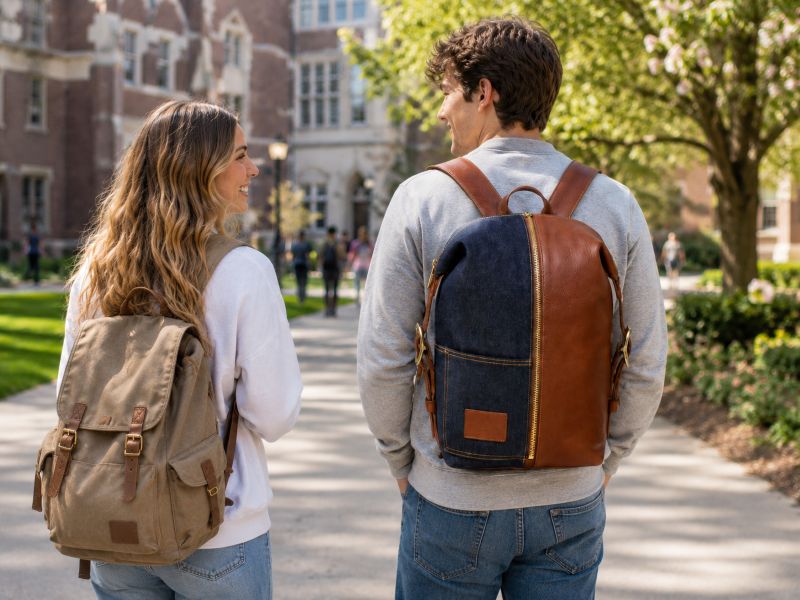
A backpack carries books, lunch, devices, gym clothes, water bottles, and all the small items students need between classes.
That is why choosing a school backpack should not start with color alone. The right bag needs to feel comfortable when packed, offer enough space for the student’s daily load, and keep essentials organized for real school routines.
This guide explains how to choose the best school backpack based on size, comfort, laptop protection, quick access, weather resistance, and overall quality.
It also looks at what parents, students, and product buyers should consider when comparing backpacks for everyday school use.
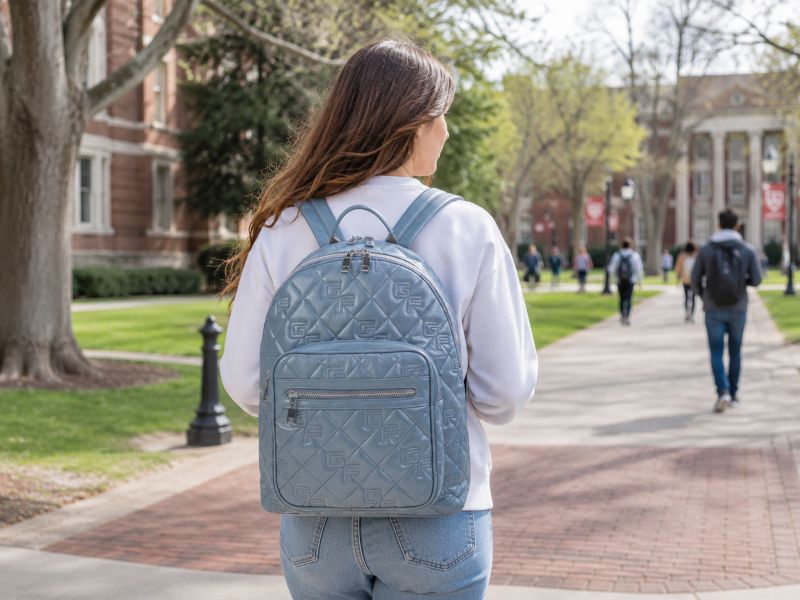
Match Backpack Size to Daily Carry Needs
Backpack Size Should Follow the Student’s Real Routine
The right backpack capacity depends on what the student carries on a normal day. A student with only folders and lunch needs less space than one carrying textbooks, a laptop, sportswear, and extra school supplies.
Instead of asking only, “What grade is the student in?” ask, “How big should a school backpack be for this daily load?” That question leads to a better size choice.
Small Backpacks: Best for Light School Days
A smaller backpack works well for younger students or simple schedules. It usually fits folders, snacks, a pencil case, and one water bottle without feeling bulky.
This size is useful when the student needs just enough space for essentials. But it can become limiting once larger books, devices, or after-school sports items are added.
20–25L Backpacks: The Everyday Sweet Spot
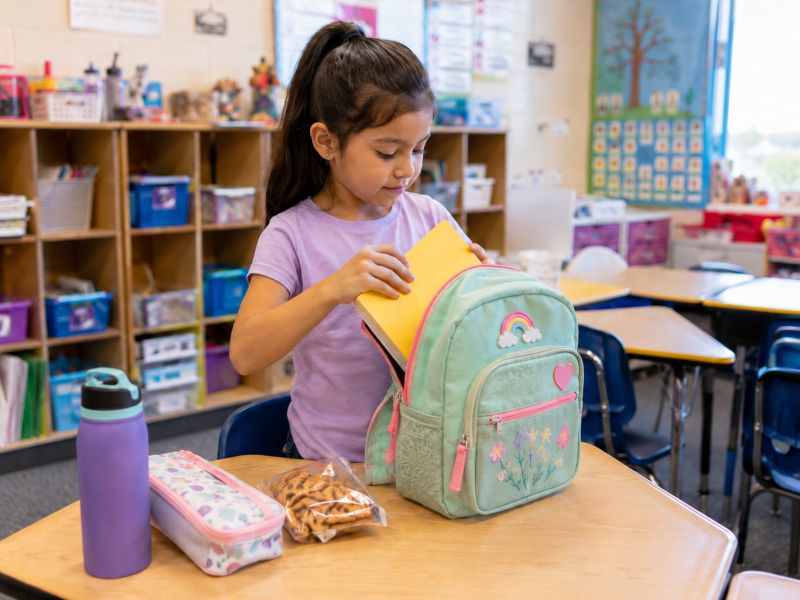
For many students, 20–25L is the most practical range for daily use. These school backpacks usually offer enough room for books, lunch, school supplies, a water bottle, and a light jacket.
This size often includes a roomy main compartment, a front pocket, and smaller organizational pockets. It gives students usable space without turning the bag into an oversized load.
Larger Backpacks: Built for Heavy Loads and Busy Days
Older students, college students, and teens with full schedules may need larger backpacks. These designs can carry heavy textbooks, a laptop, chargers, gym clothes, and activity gear.
For heavier loads, size alone is not enough. Look for padded shoulder straps, a supportive back panel, and smart compartment placement so the backpack feels balanced when packed.
Quick School Backpack Size Guide
| Backpack Size | Best For | What It Usually Fits | Buyer Check |
| Under 20L | Younger students or light school days | Folders, snacks, pencil case, one water bottle | Choose only if the student does not carry laptops, heavy books, or sports gear |
| 20–25L | Most daily school backpacks | Books, lunch, school supplies, water bottle, light jacket | Good everyday range if the bag has a roomy main compartment and quick access pockets |
| 25–30L | Older students and busier routines | Textbooks, laptop sleeve, chargers, lunch, gym clothes | Check padded shoulder straps, laptop protection, and weight balance when packed |
| 30L+ | College students, commuters, or heavy loads | Heavy textbooks, laptop, sportswear, jacket, extra supplies | Choose only if the backpack has strong reinforcement, sternum strap, and stable structure |
How to Match a School Backpack to the Student’s Routine
Everyday Classroom Use: Keep It Simple and Easy to Manage
For regular school days, students usually need space for folders, notebooks, lunch, a pencil case, and a water bottle. The problem is not extreme weight; it is daily organization.
A good everyday school backpack should have a roomy main compartment, a front pocket for small items, and side pockets for water bottles that students can reach quickly. If the layout is too complicated, younger students may stop using the pockets properly.
Choose this type when the student has a steady class schedule and does not carry much tech or sports gear. The backpack should feel light, open easily, and keep the most-used items visible.
Laptop School Days: Protect Tech from Books, Food, and Drops
Students who carry a device need more than a thin divider. Books can press into the screen, lunch containers can leak, and a laptop can hit the base of the bag when the backpack is placed on the floor.
For this routine, look for a padded laptop sleeve, a raised false-bottom design, and clear separation between tech items, books, food, and accessories. A separate laptop compartment is even better when the student carries both devices and heavy textbooks. Charger pockets or small accessory pockets also help keep cables away from the screen.
The simplest judgment is this: the laptop should not slide around, sit directly on the bottom edge of the backpack, or share loose space with food containers and sharp accessories. That is when laptop protection starts to feel practical, not just like a product label.
Sports and After-Class Routines: Separate Clean, Dirty, and Bulky Items
Students who go from class to after-school sports need a backpack that can handle a mix of items. Gym clothes, shoes, snacks, notebooks, and water bottles should not all be stored in the same place.
Look for a ventilated shoe compartment, washable lining, compression straps, and enough space for clothes. These features help separate clean school items from sweaty gear and prevent the backpack from bulging.
This routine needs flexible storage more than a formal look. If the bag cannot control odor, separate shoes, or compress soft items, it may feel messy by the end of the day.
College and Commuting Days: Comfort Matters When the Load Gets Heavier
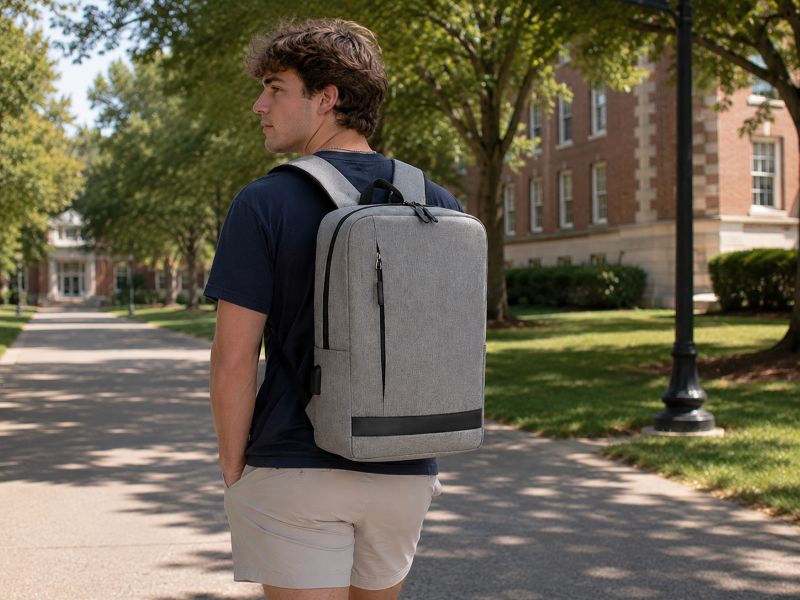
College students and commuters often carry laptops, chargers, books, bottles, jackets, and personal items across longer distances. The problem is not only capacity; it is how the backpack feels after 20 or 30 minutes of walking.
For this routine, look for padded shoulder straps, a padded back panel, a sternum strap, weather resistance, and strong laptop protection. Backpack safety advice from HealthyChildren.org also recommends broad, padded shoulder straps and using both straps to help distribute weight evenly.
A good test is to load the bag with real items and walk around for a few minutes. If the shoulder straps dig in, the backpack pulls backward, or the laptop compartment feels unstable, it may not be the right choice for heavier school days.
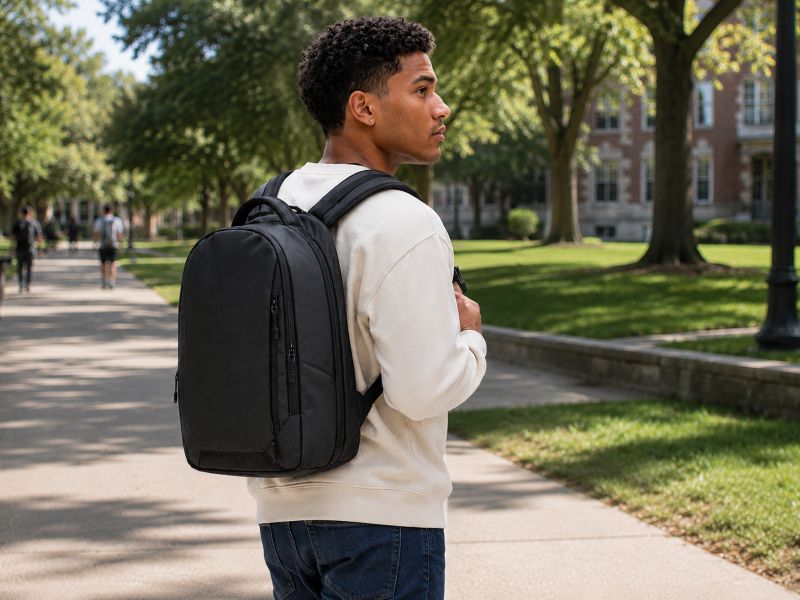
One Backpack for Multiple Routines: Choose Flexible Features, Not Just More Space
Some students use one backpack for school, tutoring, sports, travel, and weekend plans. In that case, a bigger bag is not automatically better.
Look for a clamshell opening, a removable laptop sleeve, a removable tech caddy, side compression straps, and quick-access pockets. These features let the same backpack shift between classroom use, travel packing, and mobile workstation needs.
The best sign is adjustability. If the backpack stays slim on light days and expands or organizes better on busy days, it will be more useful throughout the full school year.
Durability Test: Will This School Bag Last the Year?
Fabric Choice Affects More Than Appearance
Common backpack fabrics include polyester, nylon, canvas, denim, and blended materials. Entry-level polyester can still work well for lower-priced school backpacks, but buyers should not judge fabric by name alone.
Check fabric weight, backing, coating, and abrasion resistance. A fabric that feels thin, stretches too easily, or loses shape after rubbing may not hold up well through daily school use.
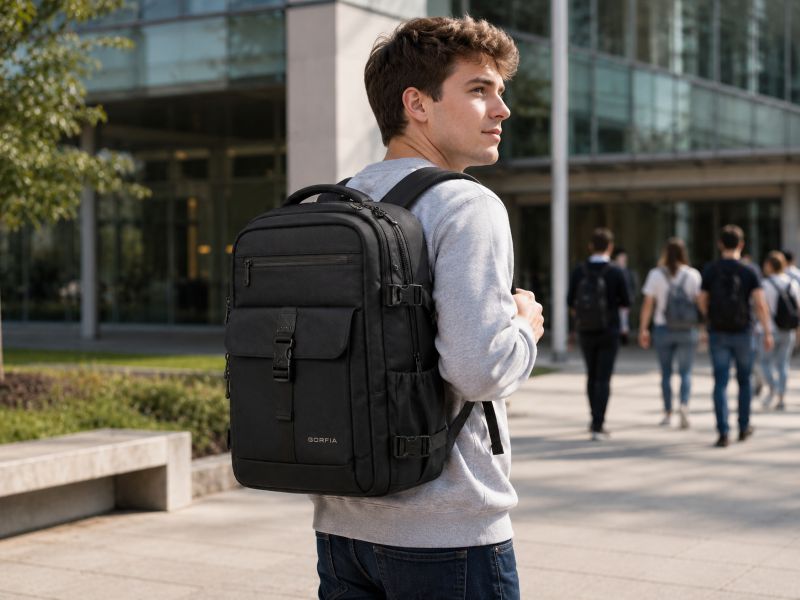
Strong Construction Matters More Than Thick Fabric
A thick fabric does not automatically make a great backpack. In real product testing, many failures happen at the stress points, not in the middle of the fabric panel.
Check the shoulder strap attachments, bottom corners, zipper ends, bottle pocket seams, and lining. These areas are repeatedly pulled, rubbed, and weight-pressed during the school year.
Reinforcement Is Where Durability Becomes Visible
Bar-tack reinforcement, strong binding, and clean seam finishing are often more important than simply choosing a heavier fabric. They help the backpack carry heavy loads without tearing at the joints.
Parents can check this by gently pulling the shoulder straps, looking at the bottom corners, and checking whether seams look tight and even. Retailers should ask suppliers how stress points are reinforced before approving samples.
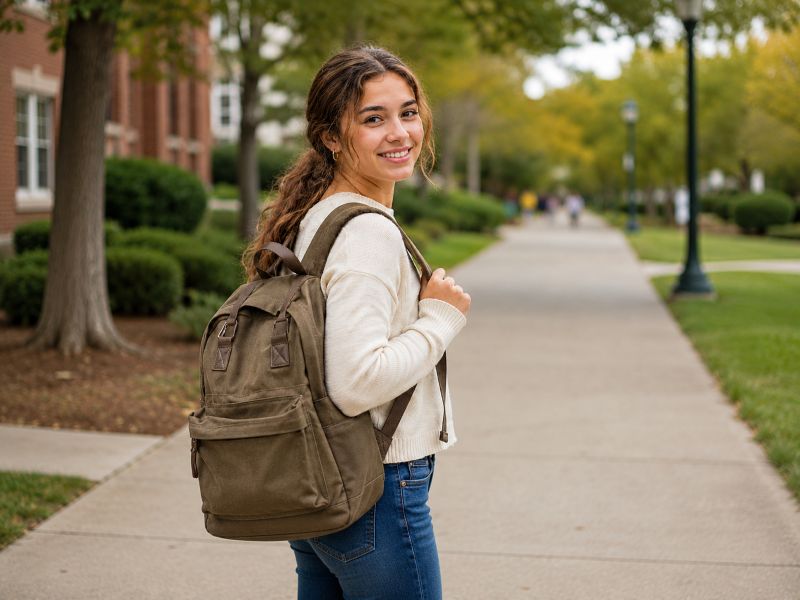
Zippers and Hardware Are Small Details with Big Impact
Zippers, sliders, buckles, and pullers often fail before the fabric does. If the zipper catches, bends, or separates during testing, the bag may frustrate students quickly.
For B2B buyers, hardware quality is also a pricing signal. Customers may not know the technical terms, but they feel the difference when a zipper runs smoothly, and the puller does not break under daily use.
Lining and Interior Seams Should Not Be Ignored
The inside of the backpack matters as much as the outside. Loose lining, weak divider seams, or poorly finished laptop compartments can make the main compartment look messy and wear out faster.
Check whether the lining is firmly attached, whether small pockets hold their shape, and whether the laptop sleeve feels stable when the backpack is packed. A clean interior build often signals better overall production control.
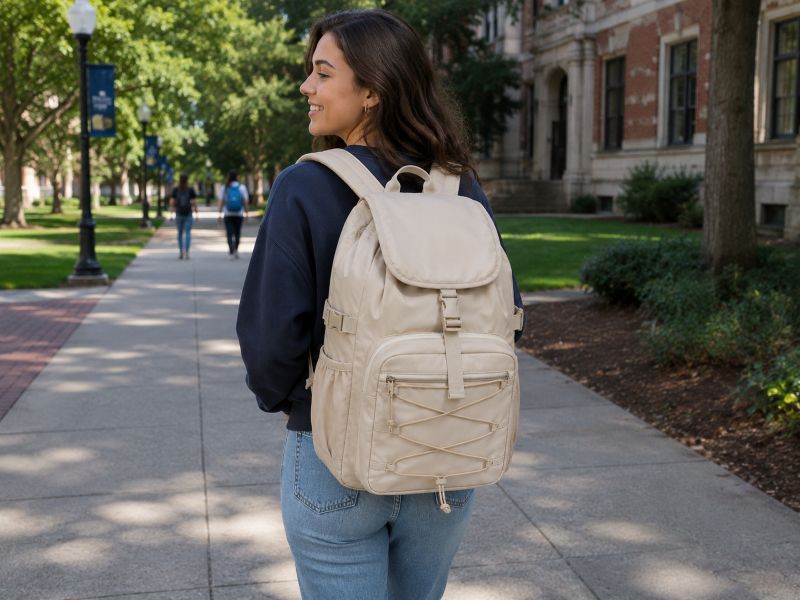
Common School Backpack Mistakes Parents and Students Should Avoid
Buying by Grade Instead of Daily Load
Do not choose school backpack sizes by age alone. Check what the student actually carries on a normal day.
Picking Style Before Fit
A stylish bag still needs comfortable straps, a stable back panel, and a size that matches the student’s body.
Treating Any Pocket as Laptop Protection
A basic divider is not real laptop protection. If the student carries tech, look for padding, structure, and a secure laptop sleeve.
Ignoring Quick Access Pockets
If keys, ID cards, earbuds, and the water bottle are hard to reach, the backpack will feel frustrating during school days.
Buying the Biggest Backpack “Just in Case”
More space can create more weight. A good backpack should fit the routine without encouraging students to overpack.
Product Development Example: When a Spacious Backpack Still Failed the Test
In one school backpack development project, the first sample was planned as a 28L everyday backpack for older students. On paper, it had enough capacity for textbooks, a laptop, lunch, and after-class items.
During testing, the sample was packed with two heavy textbooks, a 15-inch laptop, a lunch box, a water bottle, and light sportswear. The capacity looked acceptable, but the carry experience was not.
The main problem appeared near the upper shoulder strap joints. When the bag was lifted by the straps, the seam area started to pull and deform, especially where the webbing joined the back panel.
The laptop sleeve also sat too far toward the outer side of the bag. This caused the weight to pull backward, so the backpack felt heavier than its listed capacity indicated.
The structure was revised with bar-tack reinforcement at the strap joints, thicker shoulder webbing, a firmer bottom panel, and a repositioned laptop sleeve closer to the back. The front pocket was also adjusted so that quick-access items stayed usable when the main compartment was full.
Side compression straps were added to stabilize the load, and the clamshell opening was refined to make it easier for students to pack books, tech, and clothes.
The final sample carried weight more comfortably, stood better in product photos, and made daily items easier to organize. The lesson is simple: a great school backpack is not just about listed capacity. Shape, stitching, padding, and pocket planning decide real-life performance.
The same features that parents and students notice first also matter for retailers and private-label brands. Comfort, storage, laptop protection, durability, and weather resistance all affect how a backpack performs in daily use, how customers review it, and whether it can stay relevant through the school year.
B2B Notes: What Retailers and Brands Should Check Before Sourcing School Backpacks
Match Capacity to the Right Student Segment
Primary students, teens, college students, commuters, and travel users need different backpack capacity ranges. No single design can serve every customer equally well.
For retailers, this means the product line should include compact options, everyday sizes, and larger backpacks for heavy loads.
Choose Features That Customers Notice Fast
Customers quickly notice padded shoulder straps, quick access pockets, water bottle storage, laptop protection, and weather resistance. These features help shoppers understand value without long explanations.
For online listings, show the laptop sleeve, front pocket, sternum strap, and water bottle areas clearly in product photos.
Use Materials That Match the Price Position
Material choice should match the target price. Entry-level products may use simpler polyester, while premium materials, better lining, and stronger zippers help premium backpacks feel worth the cost.
Back-to-school purchasing is a major retail season; the National Retail Federation Back-to-School Data Center tracks shopping behavior across school and college categories. For B2B buyers, that makes product positioning and feature selection even more important.
Balance Cost, Durability, and Daily Function
Retailers should avoid overbuilding low-priced products or underbuilding higher-priced bags. The right balance depends on the expected use, the target customer, and the retail price.
For private-label projects, thoughtful features such as a removable laptop sleeve, a padded laptop zone, and weather-resistant materials can deliver clear customer value.
Test the Backpack Before Bulk Production
Before mass production, test weight, zippers, straps, bottle pockets, lining, pocket access, and stitching. Sampling helps catch issues before customers do.
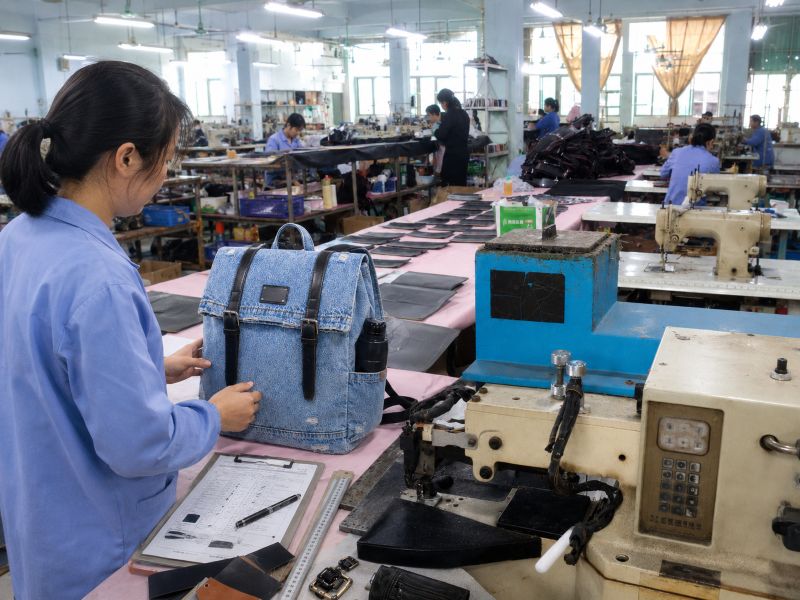
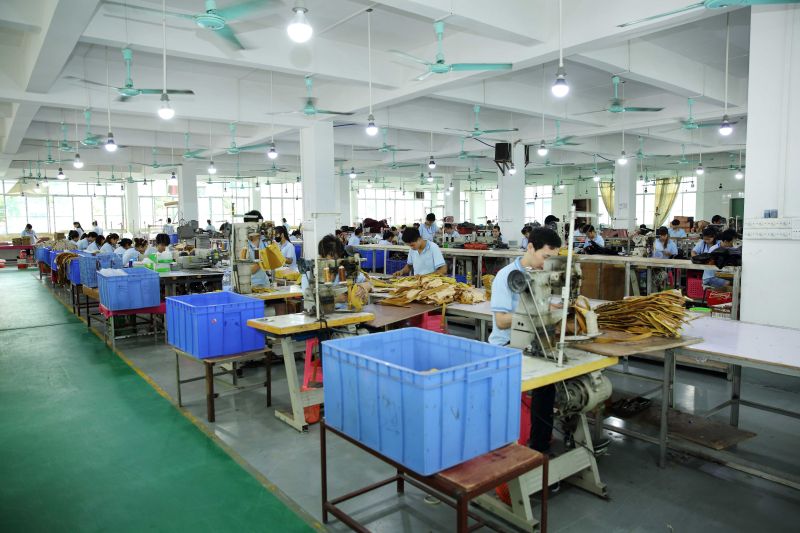
Gorfia supports bag development through design refinement, material selection, sampling, custom branding, and scalable production for brands and retailers.
FAQs
What size school backpack is best for daily use?
For many students, 20–25L is a practical daily size. It usually offers enough room for books, lunch, school supplies, a water bottle, and a laptop sleeve without feeling too bulky.
What is the best school backpack for heavy loads?
The best school backpack for heavy loads should have padded shoulder straps, a padded back panel, reinforced seams, a sternum strap, and compartments that keep heavier items close to the body.
How important is laptop protection in a school backpack?
Laptop protection is very important for students who carry devices daily. Look for padded laptop compartments, a false bottom, or a separate laptop compartment to reduce impact during travel.
Are weather-resistant school backpacks worth buying?
Yes, especially for students who walk, bike, or commute. Weather resistance helps protect notebooks, electronics, and personal items from light rain and splashes.
What features should parents check before buying a school bag?
Parents should check size, comfort, stitching, zippers, bottle pockets, laptop sleeve quality, and pocket layout. A bag that looks good but feels uncomfortable may not last through daily use.
Conclusion
The best school backpack is not always the biggest, trendiest, or most expensive one. It is the backpack that fits the student’s real routine.
Think about what the student carries, how long they wear it, whether they need laptop protection, and how much organization they use daily.
A good backpack should feel comfortable, protect essentials, handle the school year, and make daily movement easier. For a deeper look at how to choose the right backpack size, read our guide on backpack size selection here.
CTA
If you are developing a backpack line for retail, wholesale, or private-label use, we can help turn everyday needs into market-ready products.
Gorfia supports custom school backpacks, laptop backpacks, travel bags, lifestyle bags, and other carry accessories through material selection, sampling, custom branding, flexible MOQ, DDP delivery, and scalable production.
Partner with Gorfia to develop backpack collections that meet real customer needs and support your next stage of growth.