
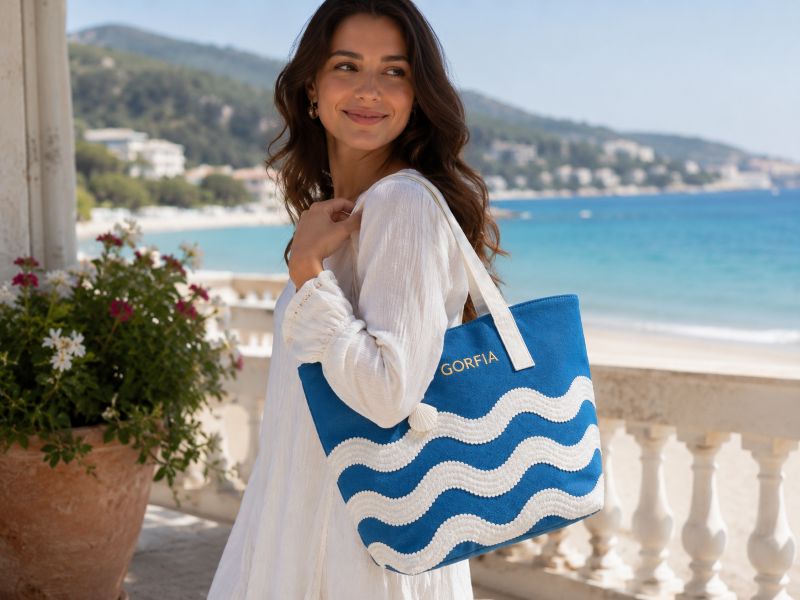
If you are sourcing canvas tote bags, “12oz canvas” can sound like a clear spec. But in real production, that label does not always tell the full story. Two fabric rolls with the same weight can feel, sew, print, and age very differently.
One 12oz canvas may make structured retail bags. Another may collapse after sewing, pill after light use, or lose shape after shipping.
This guide explains how to choose the right 12oz canvas, 12oz denim, and other bag textile options before you place a bulk order. You will learn what to check in density, yarn, finishing, printing, QC, and sampling.
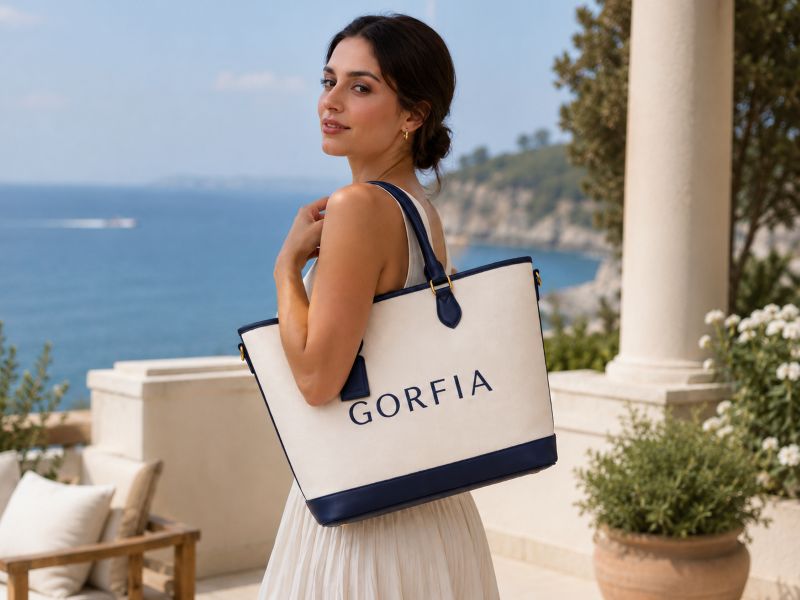
Why 12oz Canvas Does Not Always Mean the Same Tote Bag
Canvas is commonly described as a durable plain-woven fabric, and that plain weave is one reason it works so well for tote bags.
Still, a 12oz label only tells you the material weight. It does not tell you how tight the weave is, what yarn was used, how the surface was finished, or how the bag will behave after assembly.
That is where sourcing risk begins. If you buy only by the 12oz number, the finished products may look fine in photos but feel weak in hand.
For canvas tote bags, common problems include poor shape retention, pilling, loose fibers, uneven printing, shrinkage, and inconsistent hand feel across fabric lots.
12oz Canvas vs 12oz Denim: Why the Weave Matters
A 12oz canvas and a 12oz denim can have a similar fabric weight, but they are not the same textile. Canvas is usually plain woven. Denim is usually a sturdy cotton twill textile with diagonal ribbing.
That weave difference changes how the material bends, fades, prints, and feels. Denim may feel strong and familiar, but it can create a different color, drape, and surface effect from canvas.
For tote production, canvas is often easier to position for daily shopping, lifestyle, promotional, and private-label bags. Denim works better when the design calls for a casual look or a stronger visual texture.
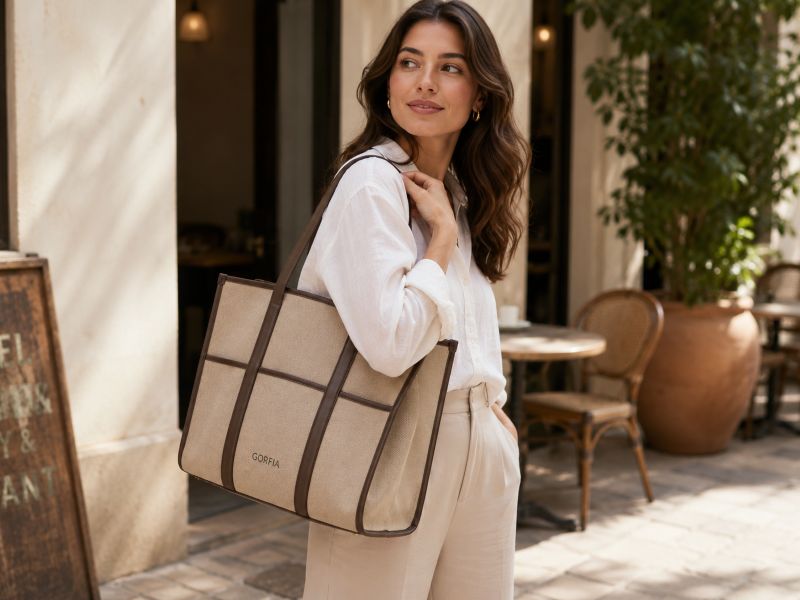
What We Check First as a Canvas Tote Bag Manufacturer
As a bag manufacturer, we do not trust the weight label alone. When we receive “12oz canvas” from different mills, the first thing we check is weave density. A tighter weave usually creates better structure, cleaner cutting, stronger seams, and better long-term use.
Some 12oz canvas feels tight and stable. Other 12oz canvas feels loose, soft, and weak once the tote is sewn.
A simple factory rule is this: higher-density canvas usually produces better structure and durability in finished canvas tote bags.
Fabric Density: The First Sign of Real Performance
Density determines whether a tote stands up nicely or folds in on itself. A tight-weave fabric gives the bag a cleaner body. It helps handles sit better, panels align more easily, and printed logos look sharper on the product page.
Loose-weave canvas can still work for soft, casual totes, but it may not be the ideal choice for retail totes that require shape, neat seams, and repeatable branding.
Before you approve a sample, ask the mill or supplier for fabric swatches, GSM or oz/yd² confirmation, weave-density details, and pre-production material approval.
For reference, 12oz canvas usually means 12 ounces per square yard, which equals about 407 GSM. This number helps compare fabric weight, but it still does not replace density, yarn, and finishing checks.
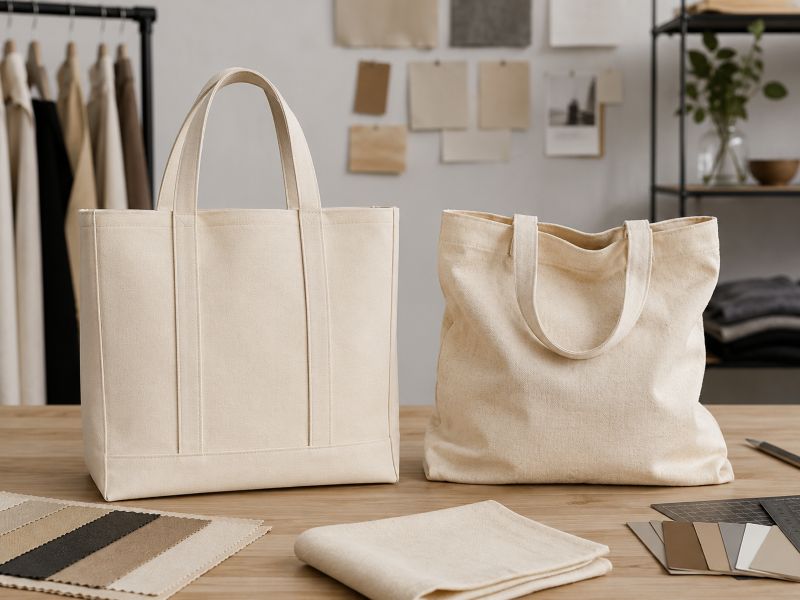
Fiber Composition: Why 12oz Canvas Can Feel Different
Fiber blend changes how the same 12oz canvas feels in hand. 100% cotton canvas usually has a softer touch, natural texture, and relaxed look. It is a good option when you want everyday canvas tote bags, handmade-style totes, eco-style bags, or casual retail products.
Cotton-poly canvas is usually more stable. It can reduce deformation and help the tote keep its shape longer, especially when the bag is used frequently. Higher polyester content can make the fabric feel stiffer. That can be useful for structure, but it may feel too industrial if the tote is aimed at fashion, gifting, or softer lifestyle markets.
The best choice depends on positioning. A beach tote, bookstore tote, fashion tote, and promotional tote may all need different fabric behavior.
Yarn Quality: The Hidden Durability Signal
Yarn quality is one of the easiest details to miss. Some lower-cost fabric technically meets the 12oz requirement but uses lower-grade yarn. The result may be pilling, loose fibers, rough texture, or weak durability after short-term use.
Long-staple cotton yarn usually performs better because longer fibers can form a stronger yarn. That matters for daily-use bags that carry books, groceries, laptops, or packaged goods.
Combed cotton yarn can create a cleaner surface with less pilling. It also helps the tote look better when displayed in retail photos, on a DTC website, or in a wholesale catalog.
Before you confirm a bulk order, ask about yarn staple length, spinning method, pilling test results, and pre-production swatch approval.
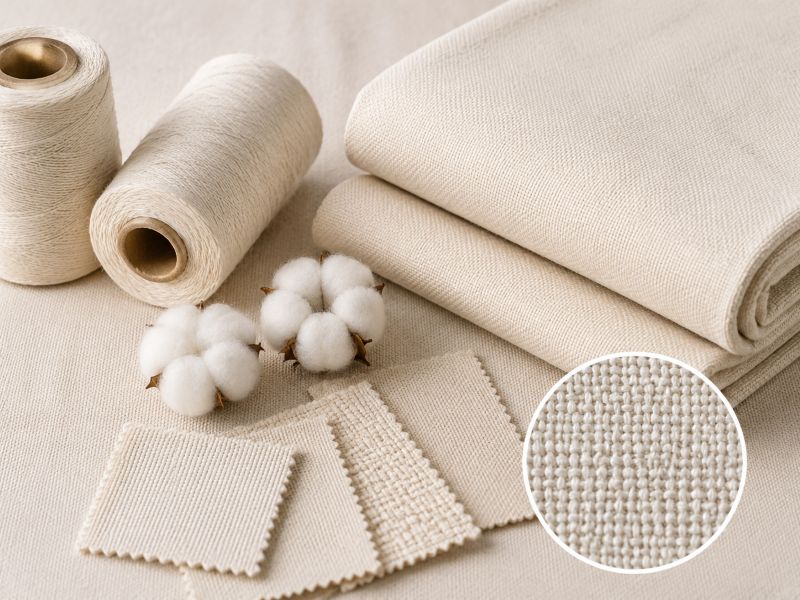
Finishing Process: Why the Same 12oz Canvas Becomes Two Different Bags
Finishing is what customers actually feel. The same 12oz canvas can become a soft, slouchy tote or a structured, boxy tote depending on the finish. That is why a spec sheet alone cannot protect you from production surprises.
Washed canvas feels softer and more relaxed. It works well for casual shopping bags, lightweight everyday totes, beach bags, and fashion styles with a natural texture. Resin-finished canvas feels firmer and more structured. It is often better for premium canvas tote bags, boxy silhouettes, cleaner shelf presentation, and sharper logo placement.
Before cutting bulk fabric, compare finish samples, shrinkage rate, stiffness, hand feel, and color consistency. Do not assume the first sample and the bulk roll will behave the same way.
12oz Canvas, Denim, and Bag Textile Comparison
| Material Option | Typical Feel | Structure | Best Use | Buyer Risk to Check |
| 12oz cotton canvas | Soft, natural | Medium | Everyday canvas tote bags | Shrinkage and pilling |
| 12oz cotton-poly canvas | Stable, smooth | Medium-high | Retail and promotional totes | Hand feel and stiffness |
| Washed 12oz canvas | Relaxed, casual | Soft-medium | Fashion and shopping bags | Shape retention |
| Resin-finished 12oz canvas | Firm, clean | High | Structured tote designs | Finish consistency |
| 12oz denim | Textured, casual | Medium-high | Fashion-led tote bags | Color transfer and drape |
| Low-density 12oz canvas | Loose, soft | Low | Low-cost simple bags | Weak structure |
Use this table as a quick start point, not a final approval method. You still need swatches, sample bags, and real production tests.
Production Quality Control for Canvas Tote Bags
Quality control should focus on the areas that most affect daily use.
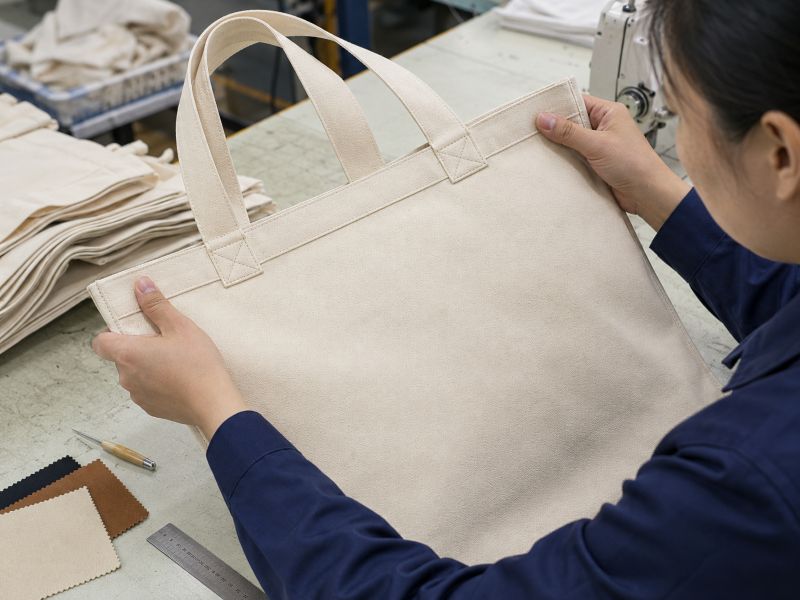
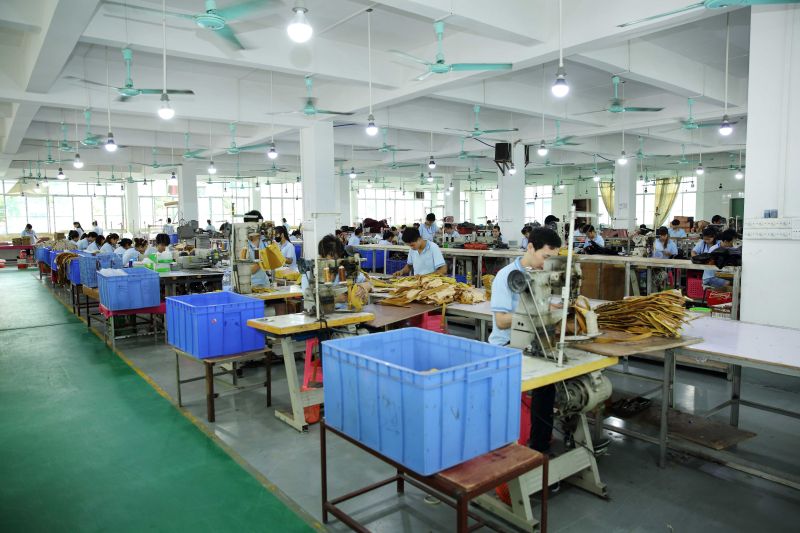
For canvas tote bags, check whether panels are cut evenly, handles are placed correctly, seams are straight, stitches are consistent, and the logo position matches the approved sample.
Handle reinforcement is one of the most important checks. A simple tote can fail quickly if the handle area is not strong enough for the expected carrying weight. Depending on the tote design, factories may use bar-tack stitching, cross-stitch reinforcement, or extra backing to support the handles and bottom seams.
Lot Tracking Helps Avoid Repeat Problems
Fabric lots can feel different, even when each roll is labeled 12oz canvas. Track the material lot number, approved sample, print batch, and shipment record. If customers report pilling, weak handles, deformation, or uneven color, you can trace the issue more quickly rather than guessing.
For repeat stock orders, keep one approved swatch and one finished sample. Use them to compare every new bulk run.
Pricing, MOQ, and Lead Time: What Changes the Final Cost
The lowest price is not always the safest choice.
Higher-density canvas, better yarn, and extra finishing usually cost more but can reduce complaints and improve finished-bag quality.
Finishing also affects lead time. Washed canvas and resin-finished canvas need extra checks before bulk production starts. MOQ depends on customization. Plain stock totes are usually simpler, while custom-size, custom-color, custom-finish, and private-label canvas tote bags require more planning.
Before placing an order, confirm when fabric is ready, when samples can be approved, when production can start, and when finished bags can be shipped.
Care, Packaging, and Shipping Details Buyers Should Not Ignore
Care labels should match the fabric and finish.
Cotton canvas may shrink, so washing guidance matters. Printed or structured totes may need extra care, especially if customers may iron the bag. Packaging also affects the final look. Soft totes can be folded, but structured bags may need support to avoid creases.
Avoid heavy compression during shipping, especially when logos or prints could rub against other bags.
Canvas Tote Bag Material Checklist Before You Order
Before approving production, check four areas:
- Material: 12oz or GSM, density, fiber blend, yarn, and finish
- Testing: shrinkage, pilling, print result, handle strength, and load test
- Approval: swatch, finished sample, and bulk fabric confirmation
- Delivery: packaging method and shipping plan
This checklist helps buyers confirm that bulk production matches the approved sample.
FAQs
Is 12oz canvas good for canvas tote bags?
Yes, 12oz canvas can be a strong choice for canvas tote bags. But it depends on density, yarn quality, fiber blend, finishing, stitching, and handle reinforcement. The number alone is not enough.
Is 12oz canvas the same as 12oz canvas?
Usually, yes. There are different ways to describe the same idea of weight. But suppliers may finish, weave, and source the fabric differently, so the final tote can feel very different.
What is the difference between 12oz canvas and 12oz denim?
The difference lies mainly in the weave and surface behavior. Canvas is usually plain-woven, while denim is usually twill-woven. That affects drape, texture, print result, and finished bag style.
Does heavier canvas always make better bags?
No. Heavier fabric does not always mean better bags. A lower-density heavy canvas may still collapse, whereas a tighter, cleaner 12oz fabric may perform better.
What should buyers check before sourcing canvas tote bags?
Check swatches, GSM or ounce confirmation, density, fiber composition, yarn quality, finishing, print test, load test, and bulk consistency. Also confirm email communication, approval records, sample photos, and shipment schedule before production.
Conclusion
The phrase “12oz canvas” is useful, but it is not a complete material specification. If you are sourcing canvas tote bags, you need to look at fabric density, fiber composition, yarn quality, finishing, print compatibility, handle reinforcement, and QC.
The safest approach is to compare swatches, test finished samples, confirm lot consistency, and review real-use performance before approving a bulk order.
When the material choice is right, the tote feels better, prints cleaner, holds shape longer, and gives customers a product they want to use again.
CTA
If you are developing canvas tote bags for retail, wholesale, private-label, or promotional use, Gorfia can help you move from fabric selection to finished-bag production.
Gorfia supports custom bag development, sampling, branding, material selection, quality control, and scalable production. You can also explore related categories such as lifestyle bags, custom denim bags, and brand solutions.
Need help choosing 12oz canvas, comparing samples, or planning a private-label tote order? Contact Gorfia to discuss your project.