
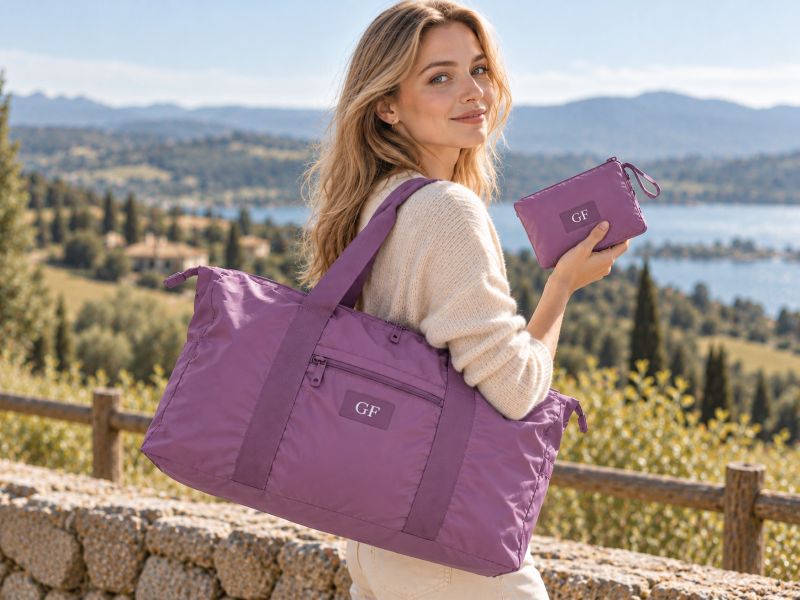
Packing space can run out faster than expected, especially when you pick up a few things along the way. A foldable travel bag gives you room for those extras without taking up much space in your suitcase when you don’t need it. It’s useful for weekend trips, shopping, or bringing home souvenirs.
Some travelers need a lightweight tote to pull out when needed. Others may prefer a roomy duffel or a collapsible suitcase for longer trips. Beyond style, consider how much the bag actually holds, how small it folds, and how comfortable it is when packed. These details can matter more than capacity alone.
Types of Foldable Travel Bags and Their Best Uses
Foldable Tote Bags
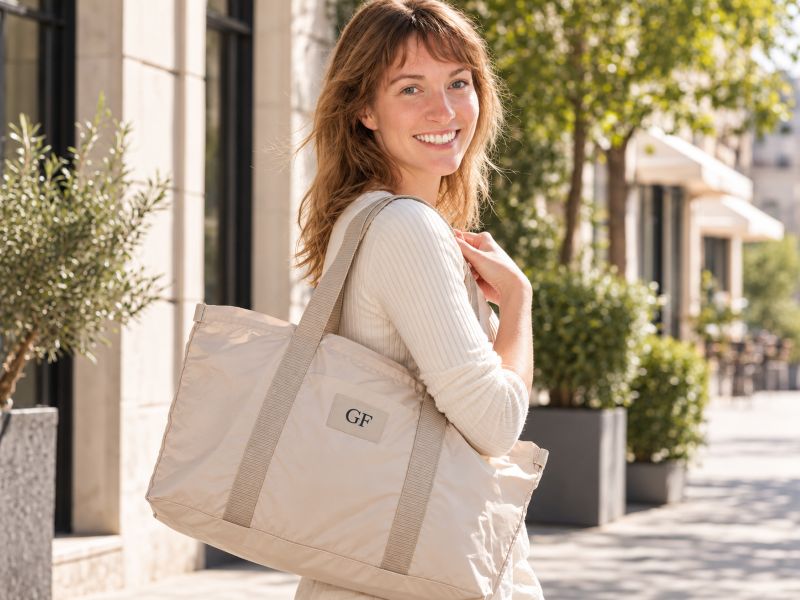
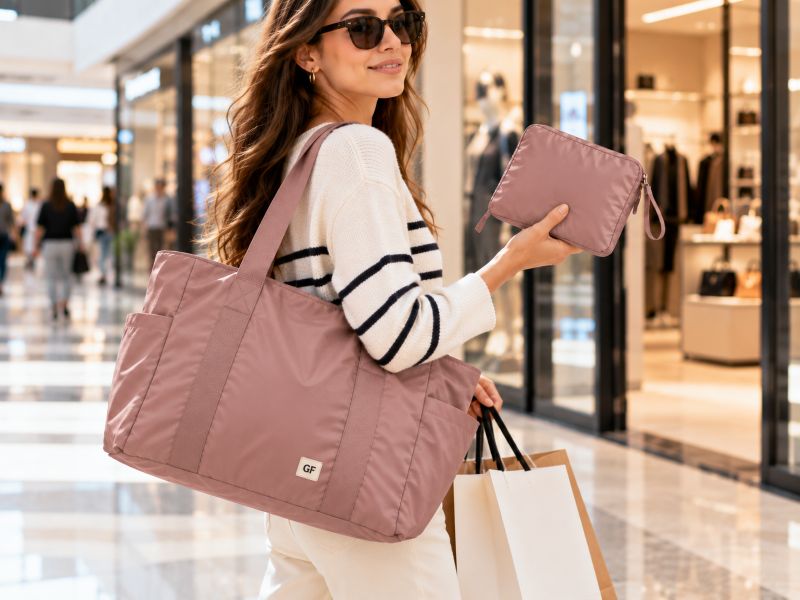
Foldable tote bags are great for shopping, day trips, and bringing home souvenirs. Most lightweight versions fold into a small pouch, so they take up almost no suitcase space until you need them.
Keeping a tote lightweight is relatively easy. Making sure it can handle a full load takes more attention. We pay particular attention to handle attachments during bag development, since they take much of the strain when the bag is loaded. A base that’s too soft can also sag under heavier items.
That’s why we look at reinforced stitching, handle construction, and base support together, rather than judging the fabric alone. These details are also worth checking when choosing a travel tote, especially for regular use.
Packable Duffel Bags
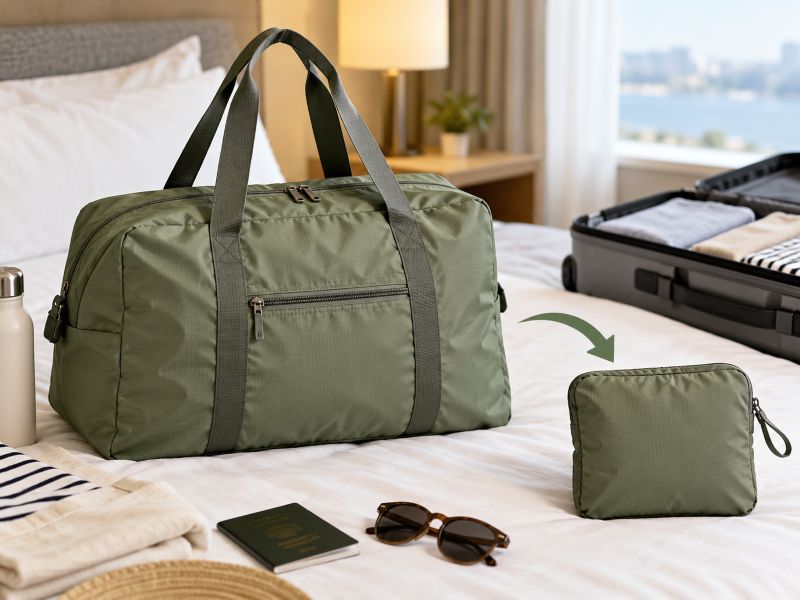
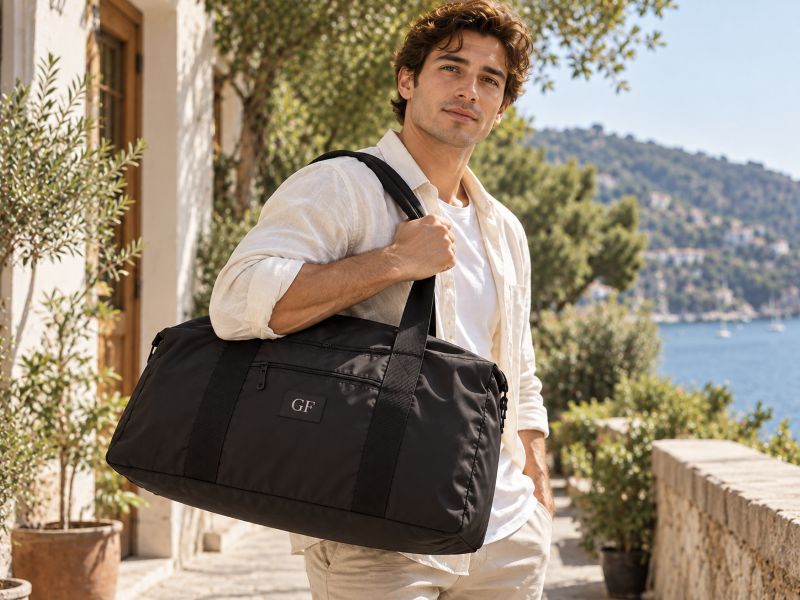
For overnight trips or bringing home extra clothes and shoes, a packable duffel bag gives you more room than a tote. The larger main compartment makes packing bulky items easier, while the soft fabric allows the bag to fold down when it’s empty.
The tricky part is keeping that extra space usable once the bag is packed. In bag development, we look closely at how the base, side panels, and zipper opening behave under load.
If the fabric is too soft or the base lacks support, the bag may sag, bulge at the sides, or become harder to zip up. Reinforcement can help, but too much makes the bag harder to fold.
For occasional extra luggage, a compact folded size may be the better trade-off. If you’re taking it on a flight, check its packed dimensions against the airline’s carry-on and personal-item requirements.
Foldable Crossbody Bags
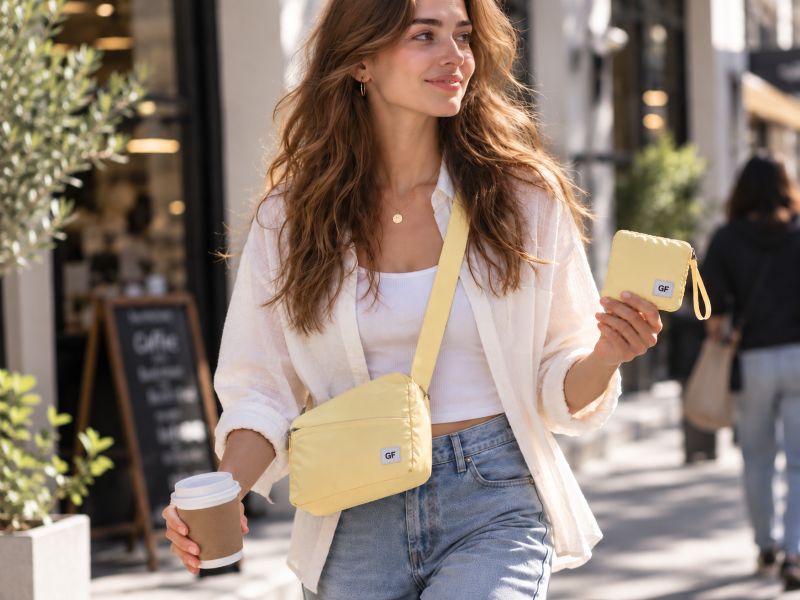
When you’re sightseeing or exploring a new city, keeping your phone, wallet, and passport close at hand makes things easier. A foldable crossbody bag lets you carry these essentials without tying up your hands, and it takes up very little space when packed away.
For a small bag like this, we focus more on how it sits against the body than on how much it can hold. Strap placement and length affect whether the bag stays comfortably at your side or keeps shifting as you walk. Keep any added pockets or reinforcement lightweight so the bag stays easy to fold and pack away. These details matter more in everyday use than simply adding extra pockets or capacity.
Foldable Travel Backpacks
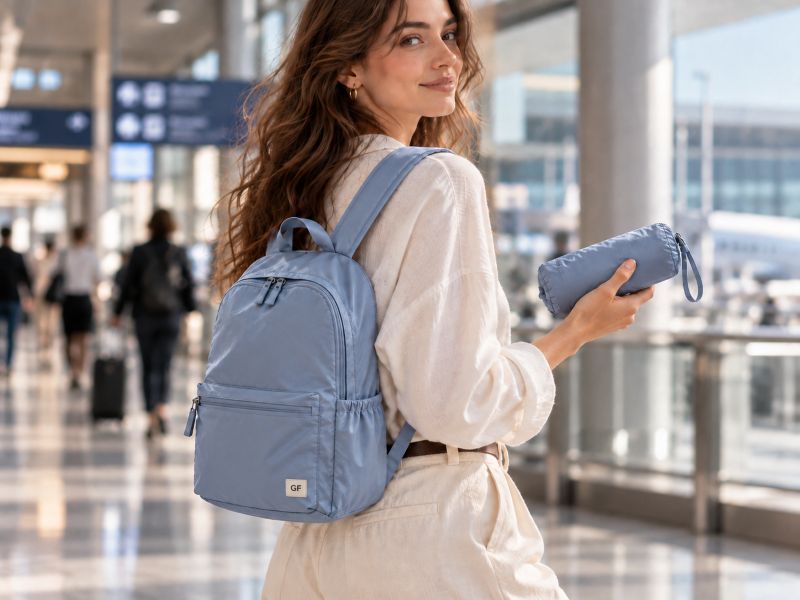
When a trip involves hours of walking, having both hands free makes a real difference. A foldable travel backpack works well for sightseeing, short hikes, or carrying an extra jacket, water bottle, and other daily essentials. When empty, it folds into a small pouch and fits easily inside your luggage.
During development, we pay close attention to how the backpack feels once it’s loaded. A very thin shoulder strap may help reduce weight, but it can dig into your shoulders during longer walks. Strap width, attachment position, and how the bag rests against your back all affect carrying comfort.
We also look at where lightweight reinforcement can improve support without making the backpack too bulky to fold. The goal is to keep it easy to pack away while still comfortable enough to carry throughout the day.
How to Choose a Foldable Travel Bag
Capacity vs. Usable Packing Space
With foldable travel bags, advertised capacity doesn’t always reflect how much you can comfortably pack. Their lightweight, flexible construction makes them easy to store, but it can also cause the base to sag or the sides to bulge when fully loaded. This can reduce usable space and make the main compartment harder to access, especially if the opening is narrow.
When checking a foldable bag’s capacity, we look at how it holds everyday travel items, not just its empty dimensions.
Clothes, shoes, and toiletries can change the bag’s shape once packed, so check whether the opening stays accessible and the contents fit without forcing the zipper closed. A bag that holds its shape reasonably well under load can be more useful than one with a larger advertised capacity.
Folded Size, Weight and Storage
Check both the expanded and folded dimensions. A bag that folds flat may fit neatly in a suitcase, while one that packs into a small pouch can be useful when luggage space is limited.
Weight matters too, especially if you will carry the bag for long periods. Compare the empty weight with the features you genuinely need, such as pockets, straps, or a trolley sleeve. A simple folding system can also make repeated packing and storage easier.
Materials, Handles and Carrying Comfort
Lightweight nylon, polyester, and coated fabrics are common in packable bags because they reduce weight and can offer useful water resistance. Some foldable bags use tear-resistant nylon for longevity.
Fabric alone doesn’t determine durability. Seams, handles, zippers, and the base all contribute to how the finished bag performs. Beyond lifespan, these components also shape carrying comfort.
Handles and shoulder straps should remain comfortable when the bag is loaded. If the design uses lightweight fabric to stay compact, pay close attention to the reinforcement around attachment points.
Why Large Foldable Travel Bags May Have Limited Usable Space
In a simulated sample test, a large foldable travel bag met its required dimensions when empty. Once it was packed with clothes, shoes, and toiletries, the base sagged, the sides bulged, and the zipper became harder to close.
This showed why stated capacity doesn’t always reflect practical packing space. Uneven weight can change a soft bag’s shape and make the main compartment harder to access, even when the empty measurements look suitable.
To improve the sample, development would focus on flexible reinforcement around key base areas, stronger handle attachment points to distribute weight, and testing with realistic travel items. The goal is to improve shape retention, accessibility, and carrying comfort without adding unnecessary weight.
For brands, the main lesson is to assess a fully packed sample rather than approving a design based only on its empty dimensions.
Foldable Travel Bag Comparison: Which Type Fits Your Trip?
| Bag type | Best for | Carry options | Storage benefit | Main limitation |
| Foldable tote | Shopping, day trips, extra storage | Handles | Folds small | Limited support for heavy loads |
| Packable duffel | Overnight trips, clothing, extra gear | Handles, shoulder strap | Packs down easily | Softer shape when loaded |
| Foldable crossbody | Sightseeing, personal items | Shoulder strap | Very compact | Lower capacity |
| Foldable carry-on | Short trips, extra clothing | Handles, trolley sleeve | Easy to store | Airline limits still apply |
| Collapsible suitcase | Larger travel loads | Wheels, telescopic handle | Saves storage space | Heavier and more complex |
Choose the type for your trip, not just capacity. A crossbody works for personal essentials, a duffel gives you more room for clothing, and collapsible luggage makes more sense when wheels and larger capacity are important.
Packing and Storage Tips for Foldable Travel Bags
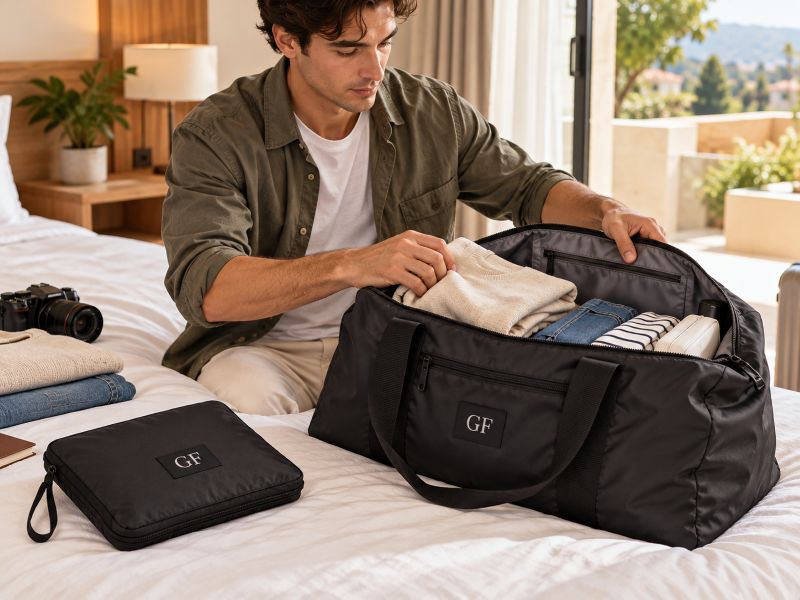
How you pack a foldable travel bag can affect how well it holds its shape. Because many designs use soft, lightweight materials, place heavier items near the base and spread the weight evenly to reduce sagging and make the bag more comfortable to carry. Leave enough room around the opening so you can reach your belongings without forcing the zipper.
When the trip is over, make sure the bag is clean and completely dry before folding it away. Pay attention to areas with zippers, coated fabrics, or reinforced panels, as these may not fold as easily as the rest of the bag. Following the intended folding pattern helps keep the bag compact without putting unnecessary stress on its construction.
FAQs
Can a Foldable Travel Bag Count as a Personal Item on a Flight?
Yes, if its packed dimensions meet the airline’s personal-item requirements. Check your carrier’s current rules because size limits differ between airlines.
Are Foldable Travel Bags Durable Enough for Heavy Loads?
Some are, but durability depends on the fabric, seams, handles, base, and intended load. Durable foldable bags can withstand rough travel conditions, such as cobblestones. A lightweight foldable bag isn’t automatically suitable for heavy loads.
How Do You Clean and Store a Foldable Travel Bag?
Follow the material care instructions, gently remove dirt, and let the bag dry completely before folding it. Proper storage helps protect the material and maintain its intended folded shape. The FTC also provides guidance on accurate textile care instructions.
What Makes a Foldable Travel Bag Easy to Pack Away?
Look beyond the folded dimensions. A bag with a simple folding pattern and flexible materials usually packs away more easily than one with bulky handles or stiff panels. Check whether it folds neatly without forcing the zipper or reinforced areas into tight bends. A built-in storage pouch can also help keep the bag compact between trips.
Choosing the Right Foldable Travel Bag
The best foldable travel bag should match your trip, load, and available storage space. Compare usable capacity with folded size, then look at the handles, straps, zipper, base, and overall construction.
If you also need a flexible option for travel and everyday use, Gorfia’s tote bag guide offers more practical advice on choosing the right design.
Developing a Foldable Travel Bag for Your Brand?
A good foldable travel bag needs to pack down small without losing too much support when loaded. At Gorfia, we help brands work through that balance, from choosing lightweight materials to refining handle attachments, base support, and folding construction. Whether you’re developing a packable tote, duffel, or travel backpack, we can help turn your design requirements into a production-ready sample.
Talk to our team about your foldable travel bag project.