
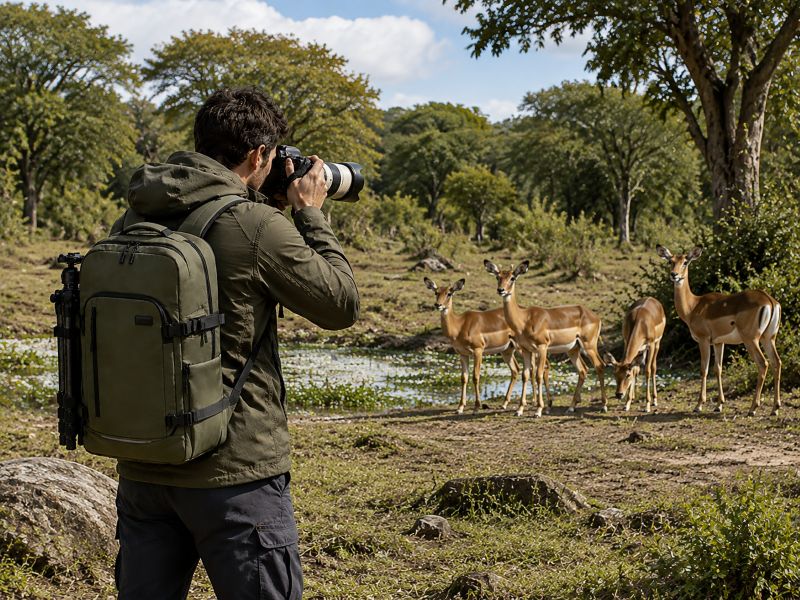
A camera bag is more than a way to carry equipment. Whether you are choosing a professional camera bag or developing a new camera bag collection, design decisions around protection, materials, and usability determine long-term performance.
We have worked with brands and buyers across the camera bag category long enough to know where things go wrong. Poor performance almost always traces back to the same place: decisions made too early or too loosely around design, materials, and interior structure.
This guide covers how different camera bag types serve different shooting styles, what separates quality construction from the look of it, and just what brands need to consider when developing the best camera bag that holds up in real use and meets rising market demands.
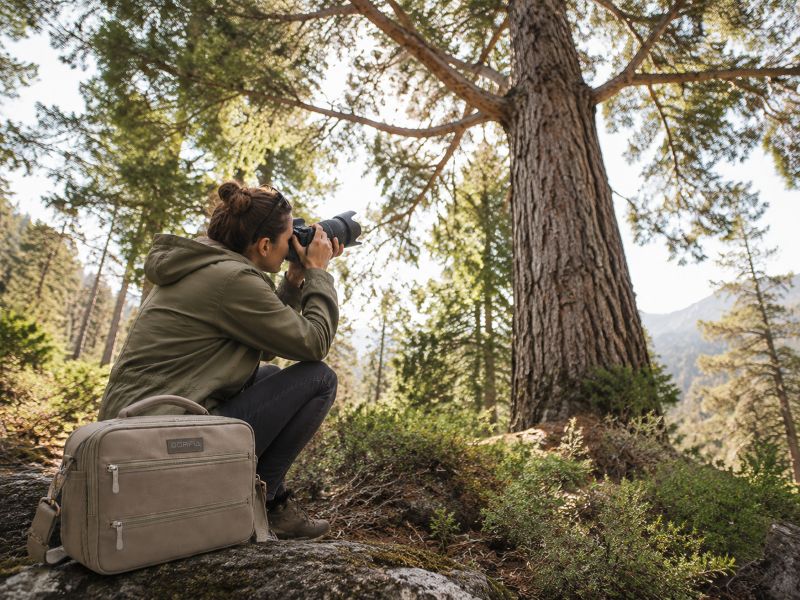
Choosing the Right Camera Bag Type for Different Users
Not every photographer needs the same bag. The right starting point is matching the bag size to how you actually shoot.
Camera Backpack
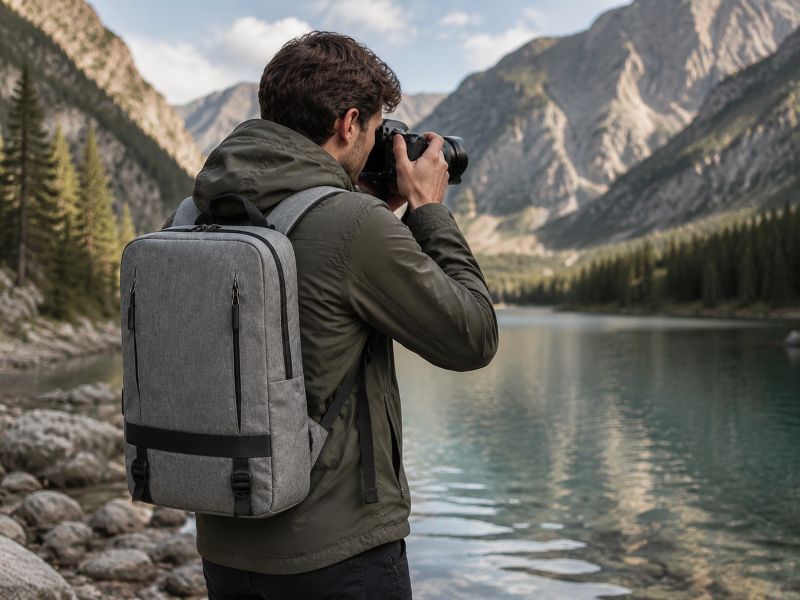
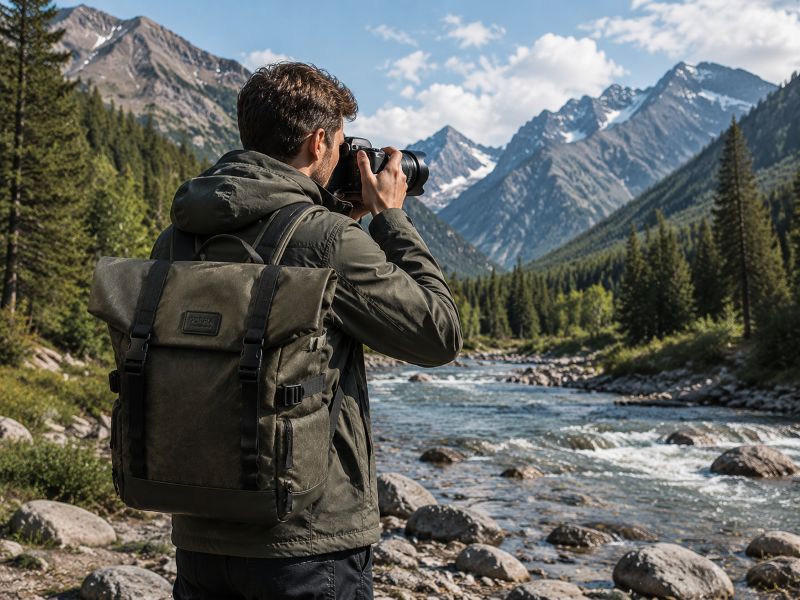
Camera backpacks work best for photographers who carry a full kit; with multiple lenses, a body or two, a laptop, and personal items, over long distances or uneven terrain.
The rear-access panel design, common in higher-end backpacks, keeps equipment away from opportunistic access in crowded environments. This pattern matters especially for travel photographers moving through airports and busy cities.
The trade-off is speed. Swinging a backpack off your shoulder to access a camera takes longer than reaching into a shoulder bag. So, if fast access to your carry camera gear is a priority, a backpack may not be your primary shooting bag.
Shoulder Bag and Messenger Bag
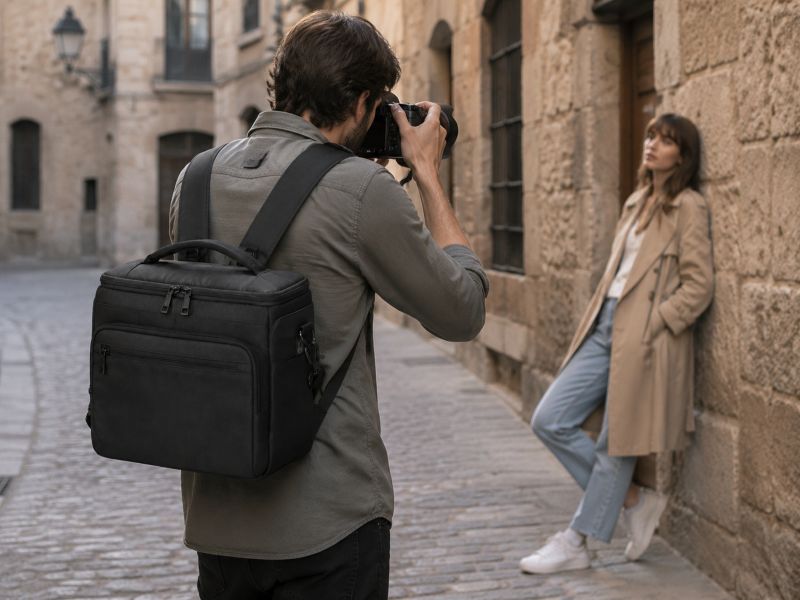
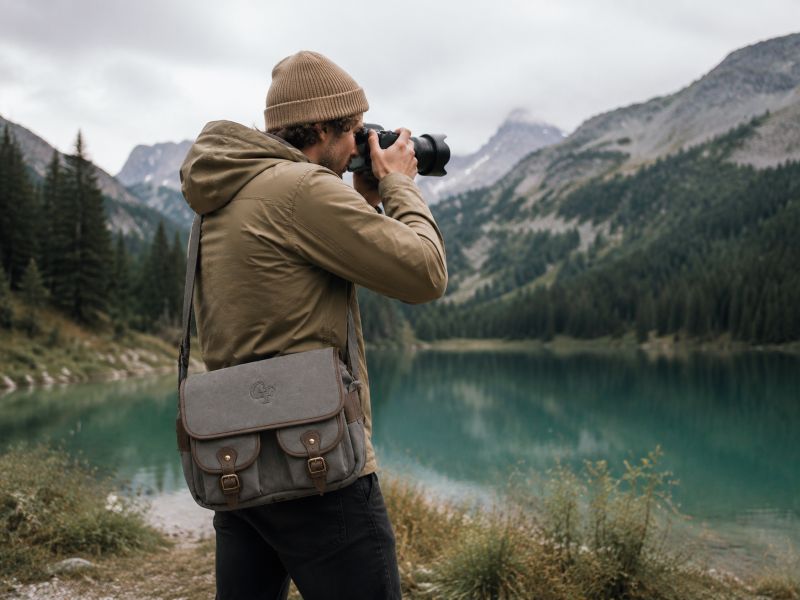
Shoulder bags are among top preferences for street photography and documentary shooters. The one-handed opening and lateral access let you pull a camera body quickly without breaking stride.
Messenger style bags carry less than backpacks, and the uneven weight distribution becomes noticeable over long shooting days. For photographers who move on foot for extended periods and want a bag carried comfortably, well-padded shoulder straps and a stabilizing chest clip make a real difference.
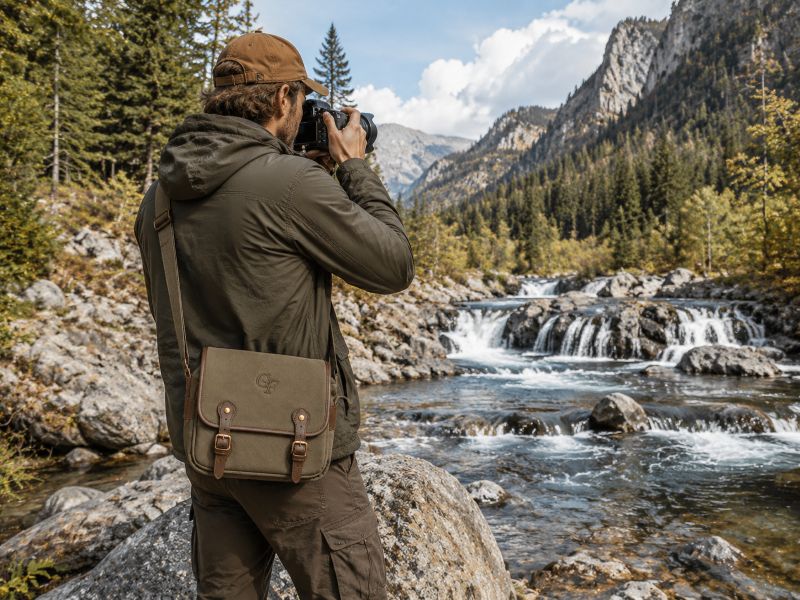
Camera Sling Bag
Sling bags sit between a backpack and a shoulder bag in both capacity and access speed. They carry across the back like a backpack but rotate to the front for access without removal.
This format has grown significantly in popularity among travel and hybrid shooters who want one bag that transitions between shooting and everyday carry without looking like camera equipment.
Hard Cases
Hard cases are designed for maximum equipment protection during transport. Features such as foam interiors, watertight seals, and reinforced structures make them suitable for air travel and demanding outdoor environments.
However, hard cases are mainly built for storage and transportation rather than active shooting. For photographers who need quick access and comfortable carrying, soft-structure camera bags like backpacks, shoulder bags, and sling bags offer greater flexibility.
For brands developing camera bag collections, choosing the right structure depends on the user’s workflow. Soft camera bags provide more opportunities for practical features such as adjustable compartments, lightweight designs, and comfortable carrying systems.
Camera Bag Types at a Glance
| Bag Type | Best For | Key Strength | Main Trade-off |
| Camera Backpack | Heavy kits, long distances, travel | Maximum capacity and carry comfort | Slower camera access |
| Shoulder and Messenger Bag | Street photography, documentary work | Fast one-handed access | Less capacity, uneven weight |
| Camera Sling Bag | Travel, everyday carry, hybrid use | Quick front-swing access, versatile | Limited capacity vs backpack |
| Hard Case | Air travel, location transport | Maximum protection | Not suited for active shooting |
What Actually Makes a Premium Camera Bag
Premium camera bag quality comes from the combination of structure, materials, hardware, and manufacturing processes.
Protection Structure
One of camera bags’ primary jobs is to absorb shock before it reaches your camera gear. That requires more than padding. It demands adding the right components, at the right density, with a structure that stands upright under compression and keeps your entire kit secure.
Padded dividers and modular insert options like a camera cube, often wrapped in soft fabric to prevent lens scratching, form the foundation of a well-protected main compartment.
A well-designed insert should still leave room for other accessories without making access awkward. The base panel matters especially, since bags get set down hard on rough surfaces more often than most photographers realize.
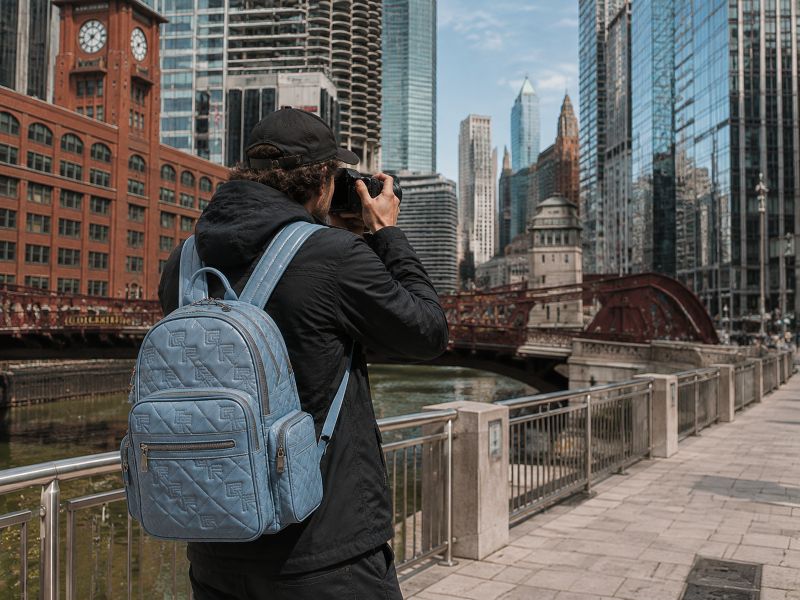
Material Selection
Water resistance is a standard camera bag attribute. A DWR (durable water repellent) coating on the exterior fabric handles light rain without adding significant weight.
For heavier weather, a separate rain cover offers better protection than relying on the bag material alone, keeping your camera gear dry.
Hardware Quality
Zippers fail more often than any other component on a camera bag. YKK zippers are the industry benchmark because they handle repeated open-close cycles under load without the teeth separating or the pulls breaking.
Buckles, D-rings, hip strap, waist belt, belt loop, and attachment points carry stress when the bag is fully loaded. Reinforced stitching at attachment points, rather than single-layer seams, is the difference between a strap that holds and one that fails mid-shoot.
Interior Design (Where Most Bags Fall Short)
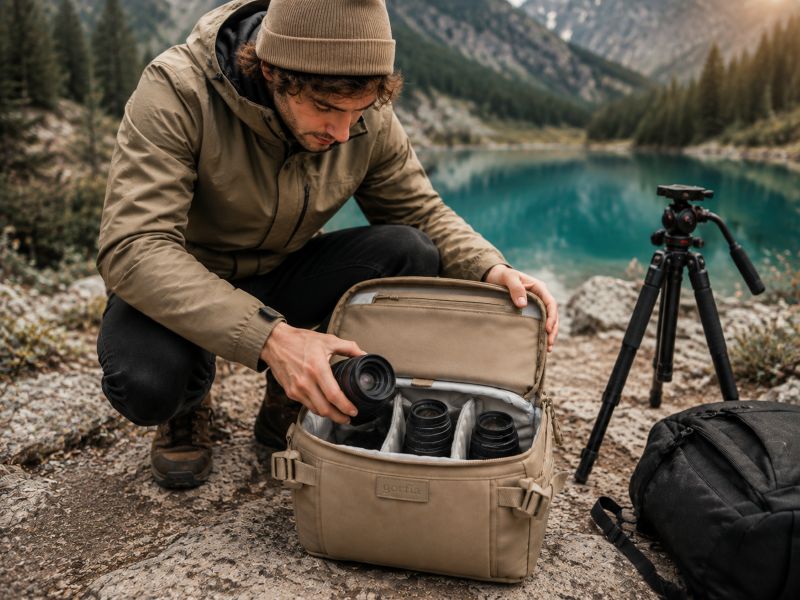
The interior of the camera bag largely determines how usable it is in real-world application.
Fixed dividers may look organized in product photos, but a fixed compartment layout can limit flexibility across different gear setups. Photographers carrying a mirrorless camera body with up to four lenses have very different space needs than someone using a full-frame DSLR with a 70-200mm lens attached.
Adjustable divider systems allow the interior to adapt to different equipment combinations, helping brands design camera bags that serve a wider range of users and improve overall usability.
Adjustable velcro dividers allow the interior to be reconfigured. This sounds simple, but the quality of the velcro, the rigidity of the divider panels, and the way they attach to the bag walls all affect whether this system works reliably or collapses under the weight of a loaded bag.
More Compartments Do Not Mean Better Organization (Factory Insight)
In one development project we supported, a brand designed an interior with multiple fixed compartments to accommodate two DSLR camera bodies and various lens combinations. The intention was a versatile bag with thorough organization, but the outcome was the opposite.
After sampling, we found that the fixed layout significantly reduced flexibility. Photographers test camera bags like this by loading their full camera kit, and the prototype struggled to fit specific kits. Accessing camera equipment required moving multiple items first, and the dense compartment structure made the entire bag feel smaller than its actual volume.
We worked with the brand to redesign the interior around adjustable Velcro divider systems, optimizing padded insert placement based on common camera and lens dimensions. The revised camera compartment held the same camera gear more comfortably and adapted to different-sized lenses without requiring a new bag.
The big lesson we took from that project is that a well-designed camera bag interior starts with how photographers actually use their camera equipment, not really how the compartments look in a flat diagram.
Before Developing a Camera Bag (Expert Tips for Brands)
The decisions you make at the specification stage determine how your product performs in the market. Here are the three areas that matter most.
Material Selection Is a Brand Decision
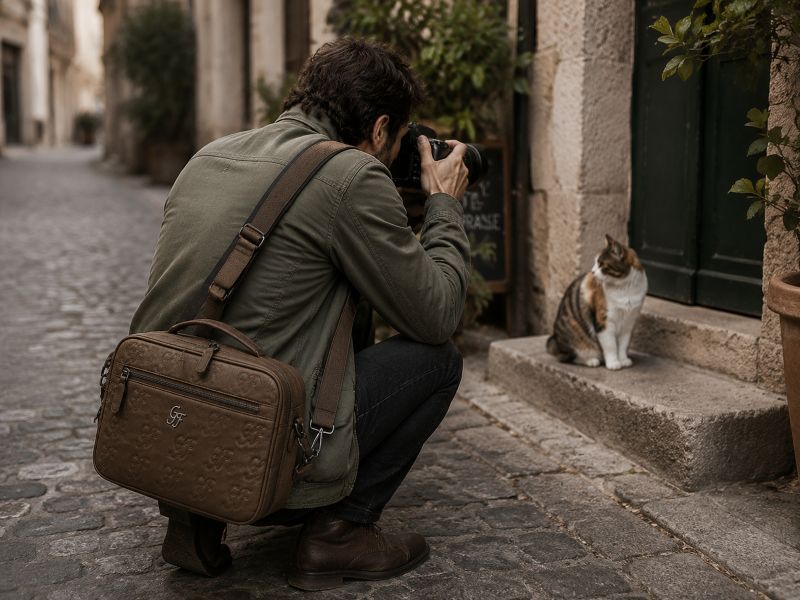
The high-quality materials you choose communicate something before a customer even touches the bag. A waxed canvas bag signals heritage, craft, and a relaxed aesthetic. A ballistic nylon bag with a nylon interior signals durability, performance, and utility. A genuine leather bag signals premium positioning and longevity.
Two camera bags can sit at similar price points and tell completely different brand stories based on material alone. Get clear on what your target customer expects before locking in a spec; whether that is a budget camera bag, a best value camera bag, or a true premium camera bag with peak design.
Interior Configuration: Where Most Brands Revisit the Drawing Board
This is the area where brands most frequently go back to the drawing board after sampling. The reason is almost always the same: the camera compartment was designed around what looks organized, not around how photographers actually use their camera gear.
Before specifying your interior layout, consider what camera bodies and lens combinations your target user typically carries, whether they need fast, single-handed access to a camera sling-style opening or methodical, organized storage, and whether fixed or velcro divider systems better serve their shooting style.
Cheap Hardware Costs More (In Returns) Than it Saves
Downgrading a zipper or buckle to hit a lower price point is one of the most common decisions that generates complaints and returns after launch.
Quality hardware at the main compartment, shoulder straps attachment points, and high-stress connections makes a measurable difference in long-term product performance and customer satisfaction, whether it is a compact camera bag or a best sling bag.
How Gorfia Supports Camera Bag Development
Beyond understanding camera bag design from a user perspective, brands also need a manufacturing partner who can turn product concepts into reliable production.
We work with brands across every stage of the process:
- Material and hardware sourcing for dedicated camera bags
- Camera compartment structure design and sampling
- Factory inspection and in-line quality checks
- Production follow-up and logistics coordination
- Full customization across high-quality materials, lining, hardware, and compartments
- OEM and ODM support from concept to mass production
FAQ
What should brands consider when developing custom camera bags?
Brands should evaluate target users, camera equipment requirements, material performance, compartment layouts, hardware durability, and production feasibility before finalizing a design.
How much padding does a camera bag need?
High-density foam panels at least 10mm thick on the base and 8mm on the sides provide meaningful impact absorption without adding excessive weight to your camera kit.
Are hard cases worth it for air travel?
Yes. A pressure-equalized hard case with padded dividers is the most reliable way to protect expensive camera equipment in cargo holds.
What makes a camera bag worth the higher price?
YKK zippers, reinforced stress points, high-quality materials, and adjustable Velcro divider systems are the clearest indicators of genuine quality — not just a premium price tag.
Can camera bags be customized for brand development?
Sure. Materials, hardware, camera compartment layouts, lining colors, and logo placement can all be customized for brand-specific development.
Final Thought
Whether you are selecting a camera bag for professional use or developing a new collection for your brand, the right combination of protection, organization, materials, and manufacturing expertise determines product success
If you want to explore other possible collections but are lost in design, we wrote a guide on Handbag Trends To Know: Shapes, Colors, and Styling.
Ready to Build a Camera Bag Line That Performs?
If you are planning a camera bag collection and want a manufacturing partner with direct experience in functional photography equipment bag development, we would like to hear about your project.
At Gorfia, we work with brands developing premium camera bags from concept through to production. Request a quote or schedule a consultation with our team today.