
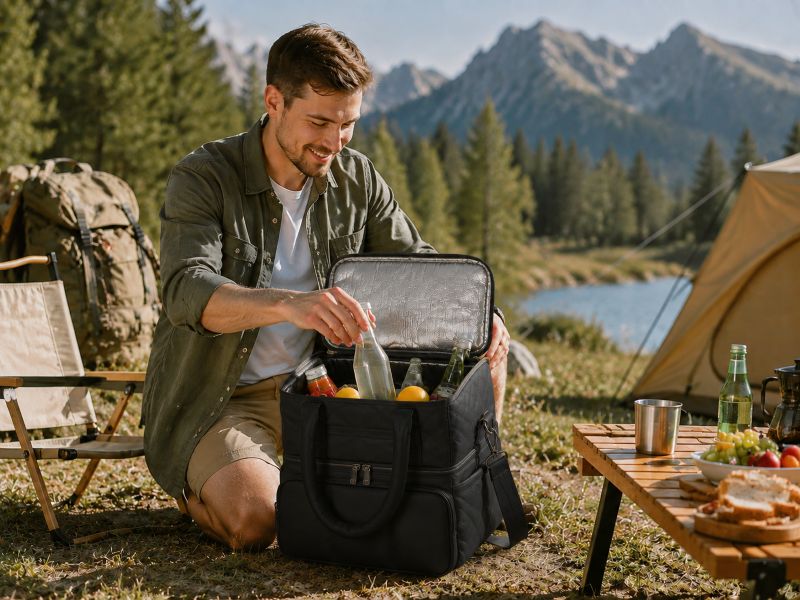
Whether you’re packing lunch for work, planning a picnic, or shopping for frozen groceries, a cooler bag helps keep food and drinks at the right temperature. The right design should also be comfortable to carry, easy to clean, and suited to your daily routine.
This guide explains the different types of cooler bags, what affects their cooling performance, and how to choose one that fits your needs. We’ll also share practical product insights for brands developing cooler bag collections.
1. Cooler Bag Types and Best Use Cases
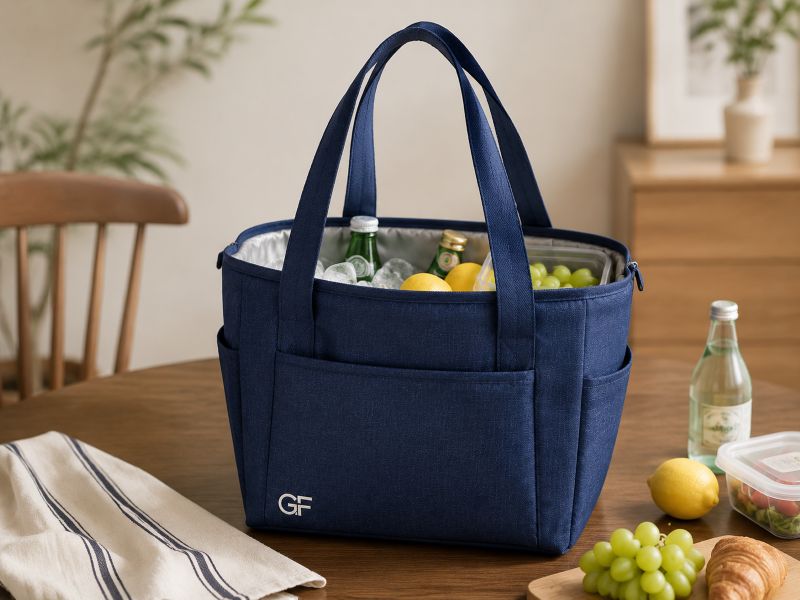
Cooler Tote Bags
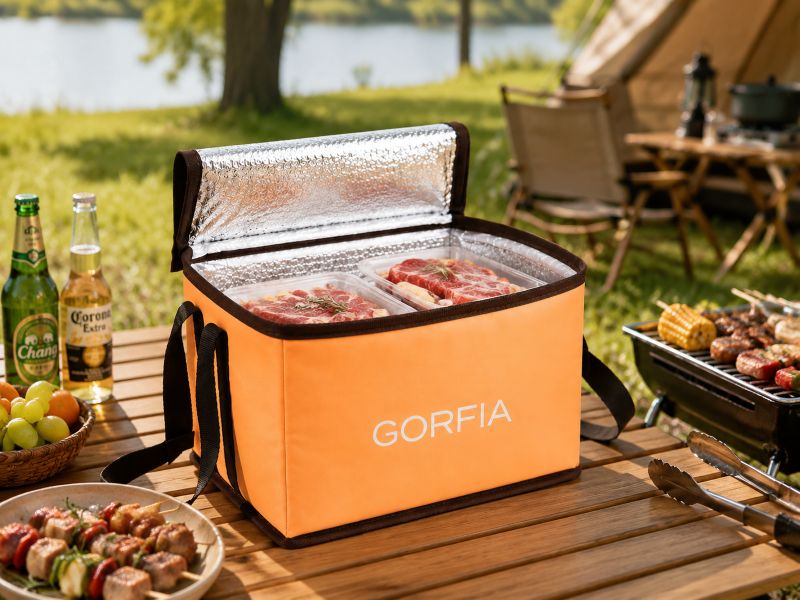
If you need plenty of storage, cooler tote bags are one of the most practical options, and insulated cooler bags come in various sizes and capacities. Some larger tote styles can hold up to 48 cans. Their wide opening makes packing and unpacking easy, while the larger capacity is ideal when you’re carrying food for several people.
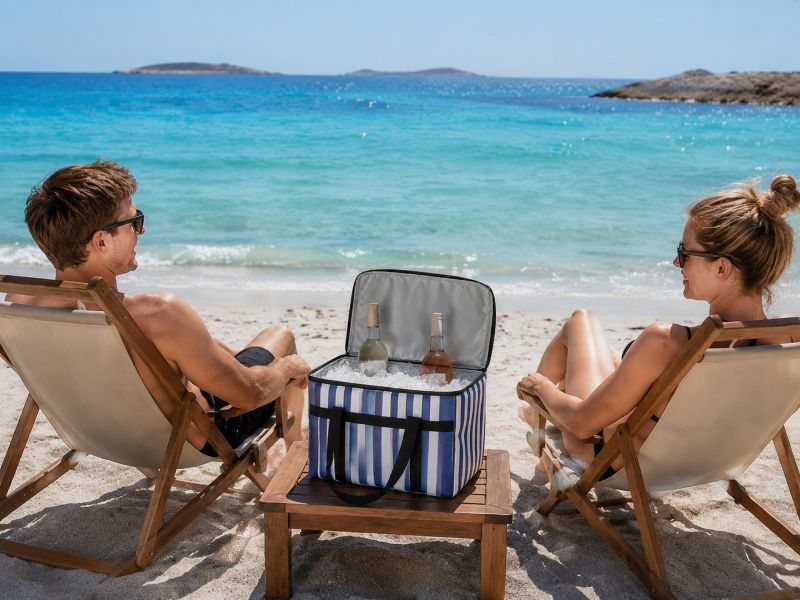
They’re especially useful for grocery shopping, family picnics, beach trips, and weekend outings. Many people also like tote-style cooler bags because they’re comfortable to carry and can hold larger containers without feeling cramped.
Insulated Backpacks and Lunch Bags
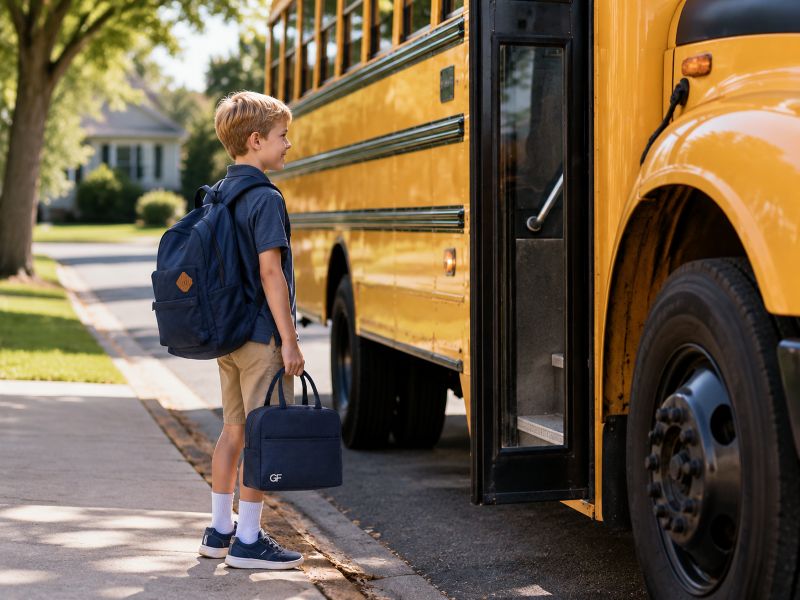
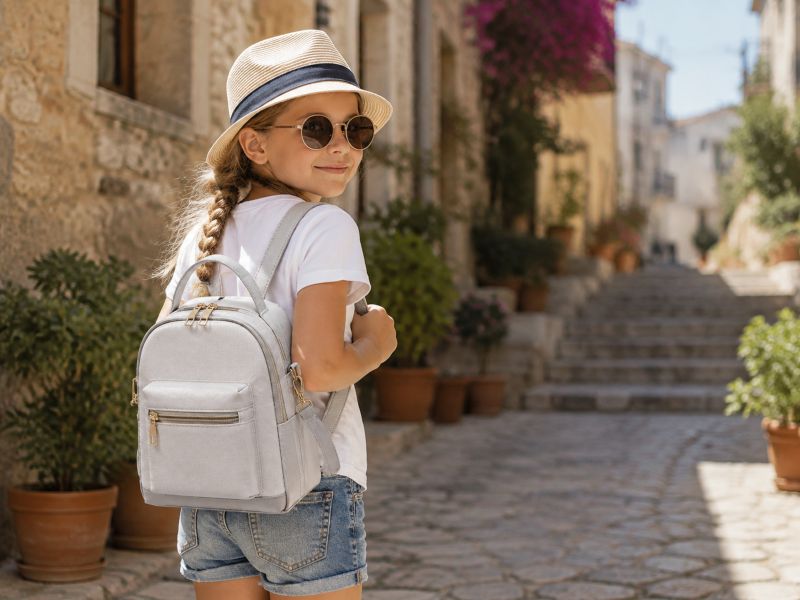
If you’re always on the move, an insulated backpack or lunch bag may be a better choice. These designs, including insulated lunch bags, keep your hands free while making it easier to carry food during walks, hikes, cycling, or public transport.
They’re also popular for work lunches, school meals, and lunch boxes used on short outdoor trips. Their lightweight construction makes daily carrying more comfortable without sacrificing cooling performance. Some brands, including YETI, offer soft cooler styles in formats like backpacks and totes.
Collapsible Cooler Bags
Not everyone has space to store a large cooler, which is why collapsible cooler bags and even a collapsible cooler bag have become increasingly popular. Once empty, they fold flat and take up very little storage space. Some models, such as the dbest Products cooler, can collapse for easy storage.
The trade-off is that they usually have a softer structure than rigid cooler bags. While they’re lightweight and convenient, they may not retain their shape as well when you pack heavier loads, though bags with a structured frame do a better job of preventing contents from getting crushed.
Cooler Bag Types and Uses :
| Cooler Bag Type | Best For | Main Benefit |
| Cooler Tote | Groceries, picnics | Large capacity |
| Insulated Backpack | Hiking, commuting | Hands-free comfort |
| Lunch Bag | Work, school | Compact and lightweight |
| Collapsible Cooler | Travel, storage | Foldable and space-saving |
2. What Makes a Cooler Bag Keep Food Cold?
Insulation Structure
If you’ve ever noticed that one cooler bag keeps drinks cold for hours while another warms up quickly, the difference often lies in its insulation structure. Instead of relying on a single thick layer, most quality cooler bags combine several materials that work together to slow heat transfer.
High-density closed-cell foam insulation helps maintain a stable temperature and significantly outperforms open-cell alternatives; reflective layers reduce heat absorption from the outside, and the inner lining helps contain cold air within the cooler compartment while making the bag easier to clean. When these layers are properly balanced, the cooler bag performs better without becoming unnecessarily bulky.
Material Selection Considerations
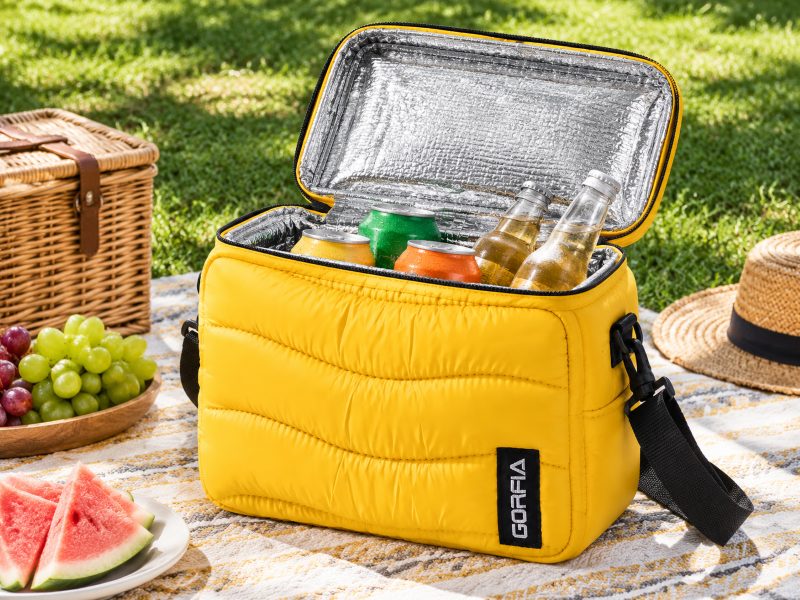
The materials used on the outside of a cooler bag affect much more than its appearance. They influence durability, weight, water resistance, and how easy the bag is to clean after each use. If you plan to use your cooler bag regularly, choosing waterproof materials that can handle frequent carrying and outdoor conditions matters as much as insulation, and waterproof shells resist tears and punctures better.
If you’re comparing different products, think about how you’ll use the bag most often and in what weather. A lightweight design may be ideal for daily lunches or short trips. At the same time, thicker, more durable materials are often better for camping, long drives, or family outings where the bag carries heavier loads, especially when rugged materials need to withstand abrasive rocks and UV exposure.
Inner Lining and Leak Protection
The inner lining helps keep cold air inside while making the cooler bag easier to clean. Leak-resistant linings also prevent moisture from soaking into the insulation, helping the bag stay hygienic after repeated use.
3. Features That Improve Cooler Bag User Experience
Storage
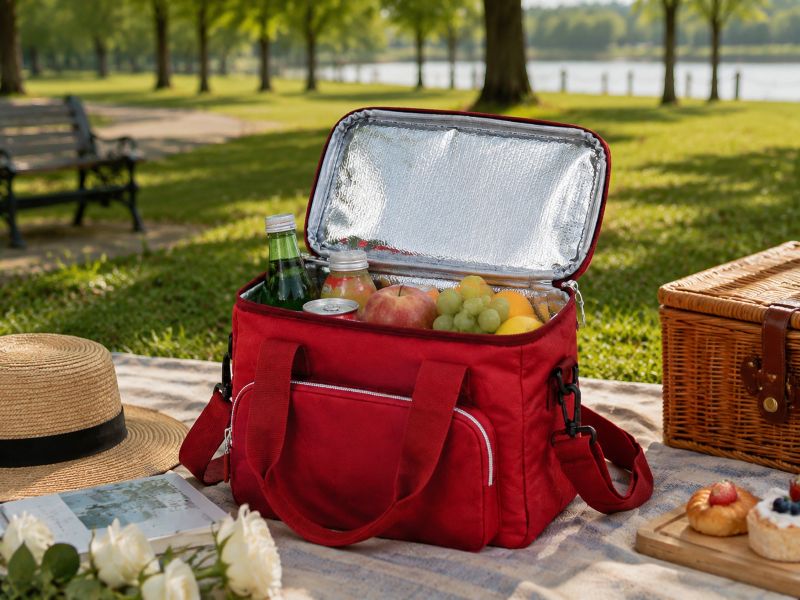
A well-designed cooler bag should make packing simple, not frustrating. Choose a size that fits your typical needs, whether you’re carrying lunch for one or food for the whole family. Extra storage and additional pockets also help you store cutlery, napkins, keys, or other small essentials without mixing them with chilled items or snacks. Exterior pockets help keep small essentials easy to reach. Some models, such as SCOUT coolers, can hold up to 30 standard cans.
Carrying Comfort
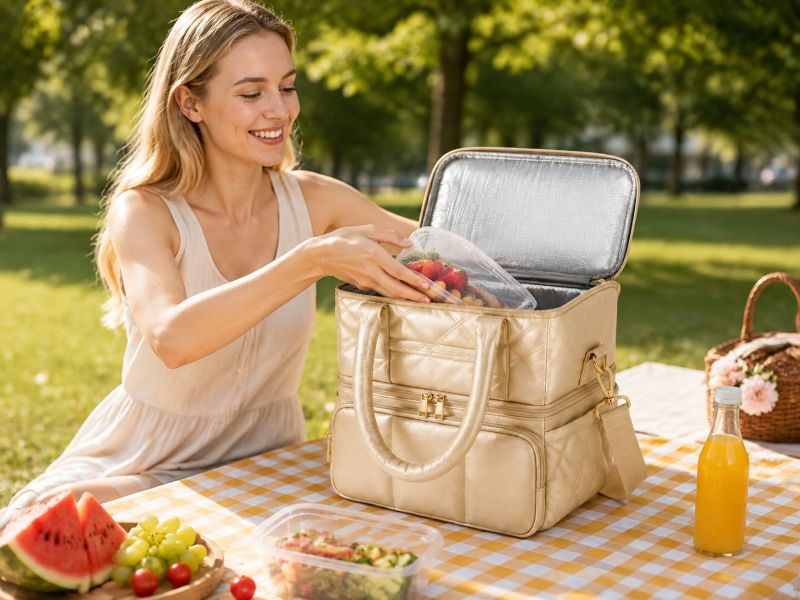
Think about how you’ll carry the bag most often. Tote handles and adjustable straps work well for quick trips, a shoulder strap helps distribute weight more evenly, and insulated backpacks are ideal if you want to keep your hands free during hikes or longer walks, with added comfort for day trips and road trips when carrying it from the car to the beach, park, or campsite.
Easy Cleaning and Maintenance
Cleaning your cooler bag shouldn’t take much effort, and wipeable linings and secure closures make upkeep simpler. A wipeable inner lining makes spills easier to clean. At the same time, leakproof zippers or other secure closures help prevent leaks and maintain temperature, and durable outer materials help the bag look good after regular use. Let the bag dry completely before storing it to reduce moisture and unwanted odors.
4. How to Choose the Right Cooler Bag for Your Needs
Work Lunch
If you’re packing lunch for work, a compact insulated lunch bag is usually the best choice. It offers enough space for meals and drinks while remaining lightweight and easy to carry during your daily commute.
Picnic
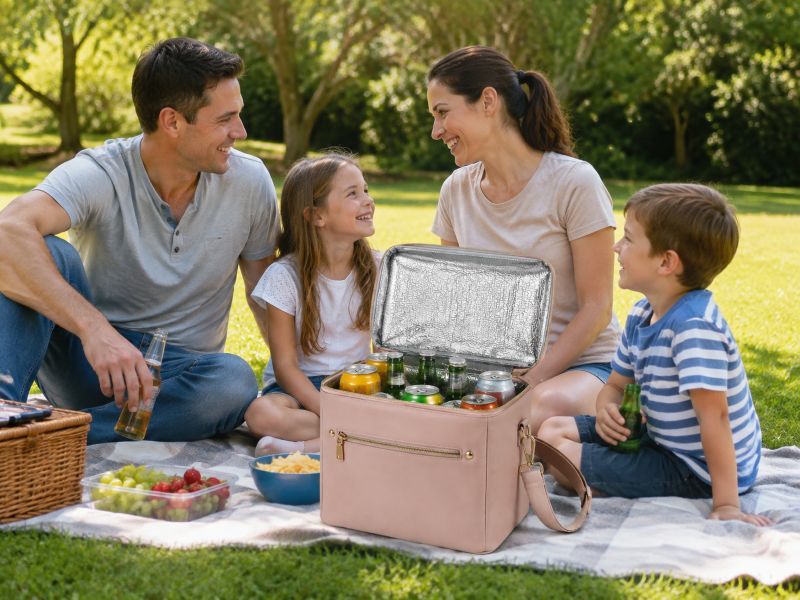
For family picnics or grocery shopping, a cooler tote bag provides extra capacity and easy access to food containers, snacks, and drinks. Its open design also makes packing and unpacking more convenient.
Hiking
If you’ll be walking longer distances, an insulated backpack cooler is a practical option. It distributes weight more evenly, keeps your hands free, and offers better carrying comfort on trails or outdoor adventures.
Travel
For road trips or weekend getaways, choose a cooler bag that matches your travel plans. Soft-sided cooler bags are lightweight and easy to carry, while hard coolers are a better choice when you need longer cooling performance or extra protection for food and drinks.
For Consumers
Before choosing a cooler bag, consider how much storage you need and how long you expect it to keep food and drinks cold. A lightweight bag may be more comfortable for everyday use, while larger insulated models are better for extended outdoor activities.
For Brands
If you’re developing a cooler bag collection, focus on the people who will use it rather than adding features they may never need. Matching the right materials, insulation, and product positioning to your target audience often creates a better user experience and a stronger product in the market.
5. Cooler Bag Development Insights for Brands
Balancing Insulation and Weight
One challenge we often see is the belief that making a cooler bag lighter will automatically make it better. During one product development project, a customer wanted a lightweight cooler bag for outdoor food storage, so the initial design focused on reducing weight and material costs.
After testing the first sample, however, the cooling performance fell below expectations. The issue wasn’t caused by a single material. Instead, it came from how the insulation layers, inner lining, and overall bag structure worked together.
Choosing Materials
Rather than adding thicker insulation everywhere, we adjusted the insulation layer, selected a more suitable inner lining, and refined the bag’s overall structure. These changes improved cooling performance while keeping the bag comfortable to carry.
The project showed that successful cooler bag design is about finding the right balance. Better insulation should never come at the cost of unnecessary weight or reduced everyday comfort.
Testing Before Production
Whether you’re buying a cooler bag or developing a new product line, it’s worth looking beyond insulation thickness alone. Carrying comfort, storage capacity, cooling performance, ice retention, and overall weight all contribute to the experience you’ll have with the bag.
For brands, testing products under realistic conditions, including hot weather testing, before production helps identify potential issues early. For consumers, choosing a cooler bag designed around real usage rather than marketing claims often leads to better long-term satisfaction. Some bags retain ice for over 24 hours in hot weather, and leakproof construction helps prevent spills, maintain temperature, and keep melted ice from soaking other gear.
In this context, the Hydro Flask Day Escape cooler is leakproof and durable. Another top option is YETI coolers, which have a heavy-duty, mildew-resistant outer shell. The Romswi cooler bag is also waterproof and leakproof for 24 hours.
FAQs
How long can a cooler bag keep food and drinks cold?
Cooling time depends on the insulation, outside temperature, sun exposure, how often you open the bag, and whether you use ice packs. Some bags can keep beverages and ice cold for over 24 hours in hot summer conditions, though typical everyday use is shorter. A well-insulated cooler bag can typically keep items cold for several hours under normal conditions.
Are thicker insulated bags always better?
Not always. Better insulation is about the right combination of materials and construction. An overly thick bag may become heavier without delivering noticeably better cooling performance.
What materials are commonly used in cooler bags?
Most cooler bags combine a durable outer fabric, an insulation layer such as foam, and an easy-to-clean inner lining. Each layer plays a different role in keeping food and drinks cool.
How should cooler bags be cleaned and stored?
Wipe the inside after each use with a damp cloth and mild detergent if needed. Let the bag dry completely after beach or boat use so sand and moisture don’t linger before folding it or storing it in a cool, dry place.
Final Thoughts
The best cooler bag fits how you use it every day. By choosing the right size, insulation, and features, you can keep food fresh and drinks cold while improving comfort and convenience. If you’re developing a new product line, start by understanding real user needs when creating cooler bags that perform well in everyday situations and make outings more fun.
If you’re interested in practical bags for everyday routines beyond food storage, you may also enjoy our guide on tote bags for school.
Find a Manufacturer Who Understands This Market
Whether you’re buying a cooler bag or developing a new product collection, start by considering how people will use it. This will help you choose the right design and find a solution that fits your needs.
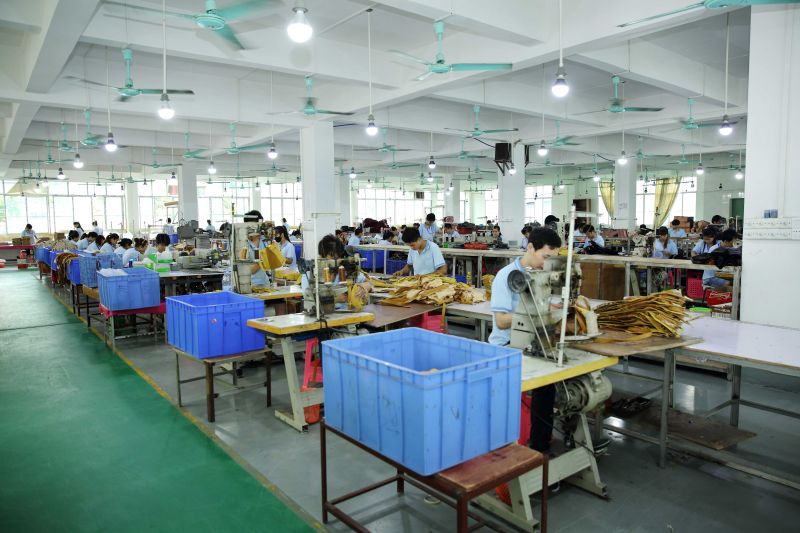
If you’d like support with custom cooler bag development or bulk production, contact Gorfia to discuss your project and explore solutions tailored to your market.