
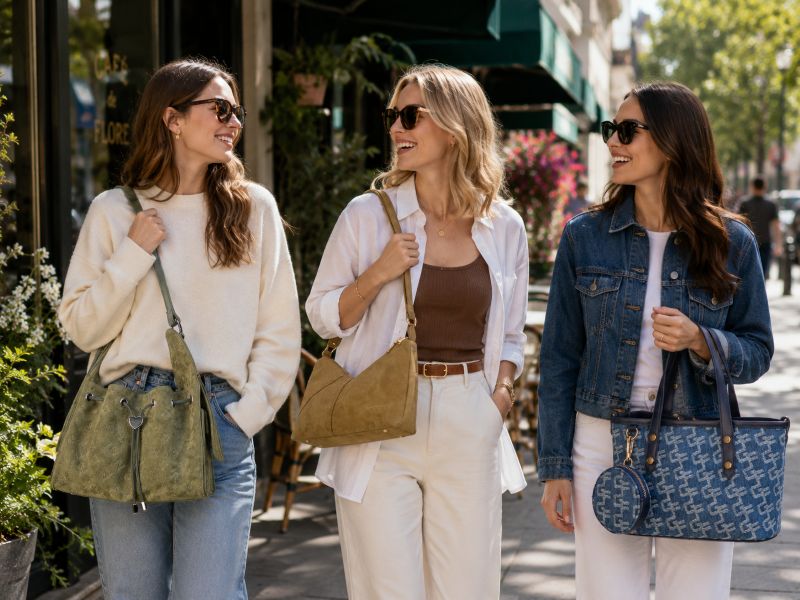
Choosing the wrong handbag color is one of the easiest styling mistakes to make, and yet, one of the easiest to avoid.
Years of working across retail, private label, and OEM/ODM handbag programs have shown us that color is often the difference between a bag that gets noticed and one that gets used.
This guide walks you through the most wearable on the market, explaining not just which colors work but why they work across different outfits, occasions, and lifestyles.
The colors in this guide are chosen for real-world versatility, whether you are shopping for yourself or a brand sourcing for a new collection.
Let us get into it.
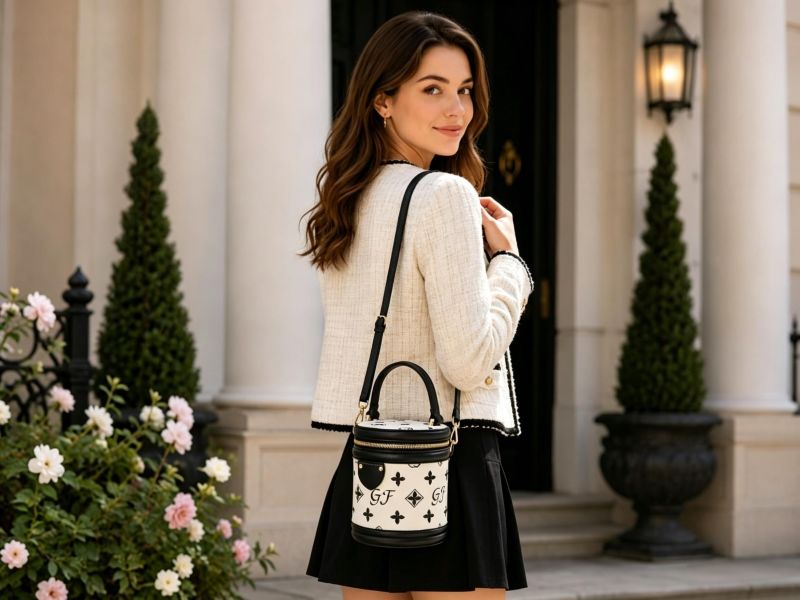
Why Handbag Color Matters More Than Most People Think
A handbag is one of the few accessories used across multiple contexts, from work to travel to everyday routines, which makes color selection a long-term decision. This makes the color of your handbag a big deal in your wardrobe.
Choosing the right handbag color is less about following trends and more about finding one that complements your overall outfit, suits the occasions you dress for, and offers the most flexibility with the least effort.
Understanding warm and cool tones, neutral colors, and how different shades interact with your existing clothes is what this guide is built around.
The Most Versatile Handbag Colors That Go With Everything
These handbag colors stay relevant because they transition easily across different outfits, seasons, and occasions.
| Color | Best For | Pairs Well With | Season |
| Classic Black | Everyday, formal, professional | Everything | All year |
| Nude and Camel | Casual, smart-casual, gifting | Pastels, earth tones, denim | All year, especially fall |
| White and Cream | Daytime, spring, casual | Bold colors, prints, neutrals | Spring, summer |
| Tan and Cognac Brown | Casual, semi-formal, investment pieces | Denim, white, green, burgundy | All year, especially fall |
| Soft Grey | Professional, smart-casual | Blues, whites, pinks, cool tones | All year |
| Navy | Professional, smart-casual, everyday | White, grey, camel, black, blush | All year |
| Burgundy and Dark Red | Statement occasions, fall and winter | Neutrals, olive green, camel | Fall, winter |
| Blush Pink | Casual, semi-formal | White, cream, grey, navy, camel | Spring, summer |
| Olive and Forest Green | Casual, lifestyle, fall and winter | Camel, beige, tan, cream | Fall, winter |
| Metallic | Evening, statement, occasion dressing | Warm tones (gold), cool tones (silver) | All year |
Black
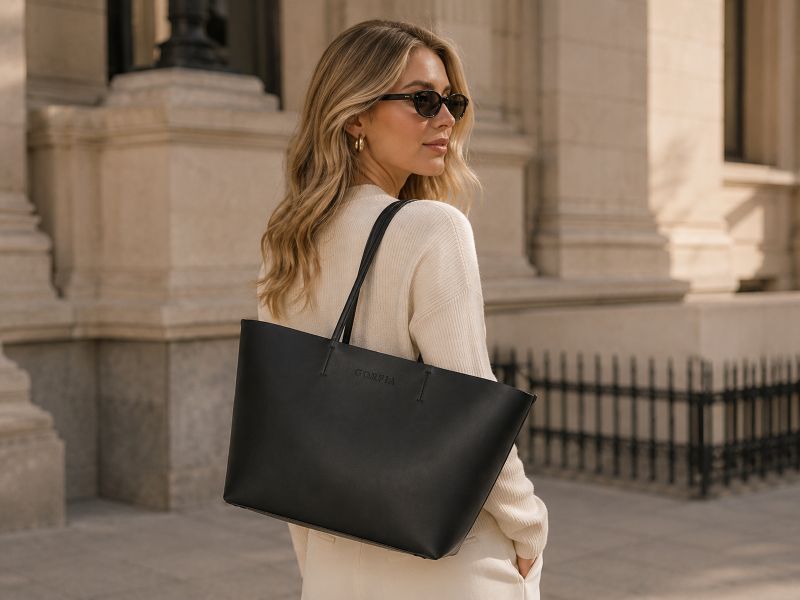
Classic black is the easiest color to style. A black bag offers the highest compatibility across both formal and casual contexts, making it the lowest-risk choice for a single-bag wardrobe.
A black handbag reads as polished in a professional setting, understated at a casual lunch, and elegant for formal events. If you own only one handbag, this color is the most rewarding choice you can make.
Texture is another consideration with black. A black leather handbag feels more luxurious and structured, while a black canvas or nylon bag reads as more casual and functional. Choose based on the occasions you dress for most.
Nude and Camel
Nude and camel tones are underrated handbag colors. Like black, they work with practically all colors, but they add more warmth and a softer aesthetic.
Nude bags pair beautifully with white, cream, and pastel outfits; combinations where a black bag can feel too heavy. Camel works equally well with earth tones, denim, olive, and burnt orange, making it one of the most seasonally flexible colors available and a natural fit for fall and winter wardrobes.
If your wardrobe leans toward warm, neutral, or earthy tones, a camel or nude handbag is likely your better everyday choice than a black one.
White and Cream
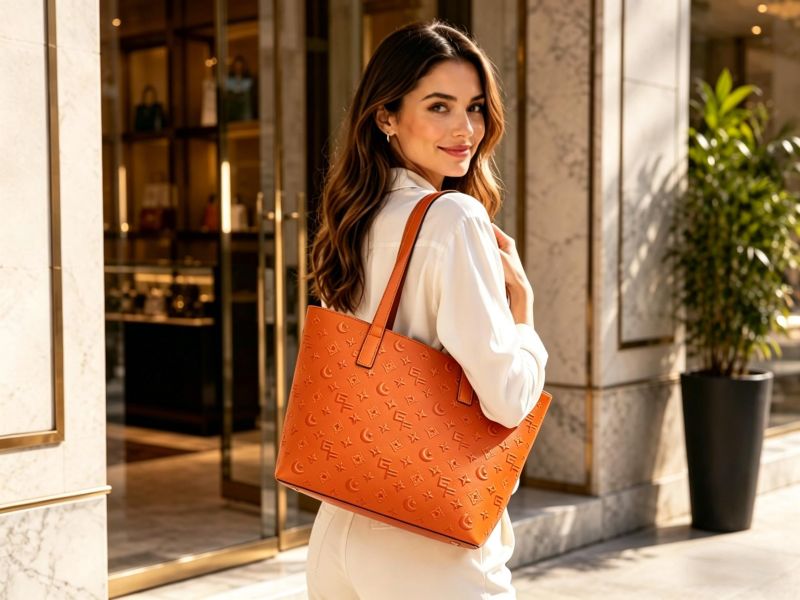
White and cream handbags have moved well beyond seasonal accessories. They now work year-round and pair confidently with bold colors, prints, neutral colors, and everything in between. A cream handbag, slightly warmer than pure white, is easier to maintain and blends across different skin tones and outfit palettes.
White bags are also a strong spring choice, creating a fresh, clean contrast against darker colors and jewel tones.
The only honest limitation of white and cream is upkeep. These colors show wear more quickly than darker options, which makes material quality and surface treatment especially important.
Tan and Cognac Brown
Tan and cognac brown are among the most timeless handbag colors in fashion. They carry a classic, heritage feel that works well in both casual and semi-formal settings. Brown tones pair naturally with denim, white, green, burgundy, and cream, giving you a wide range of outfit combinations with minimal effort.
Chocolate brown, in particular, sits beautifully within the same color family as camel and taupe, creating a rich, cohesive earth-tone palette across your wardrobe. A well-made tan or cognac leather handbag also tends to age beautifully, which adds long-term value to the investment.
Grey
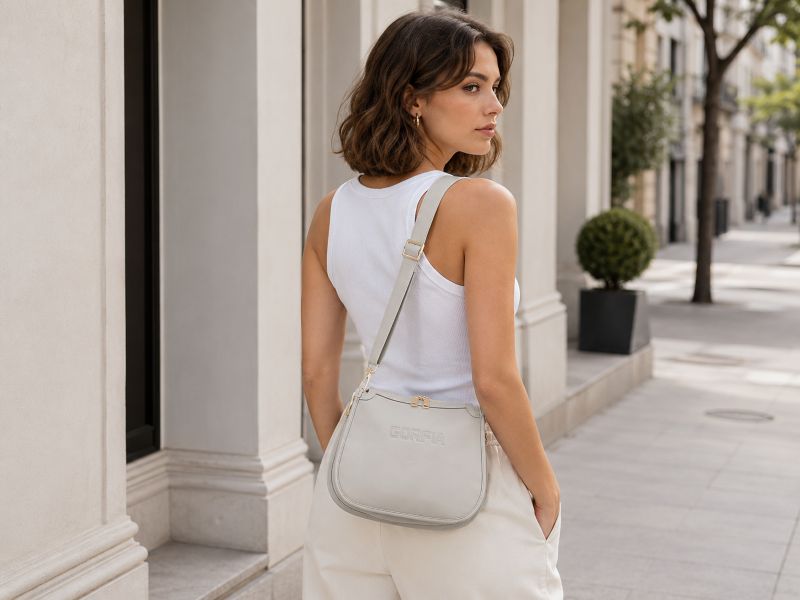
Soft gray sits in a unique position; as neutral as black but lighter and softer in effect. Grey bags blend naturally into most color palettes, including outfits where black might feel too stark. They pair particularly well with blues, whites, pinks, and other cool tones.
Grey is also an increasingly popular choice for professional settings where a classic black bag feels too expected.
Navy
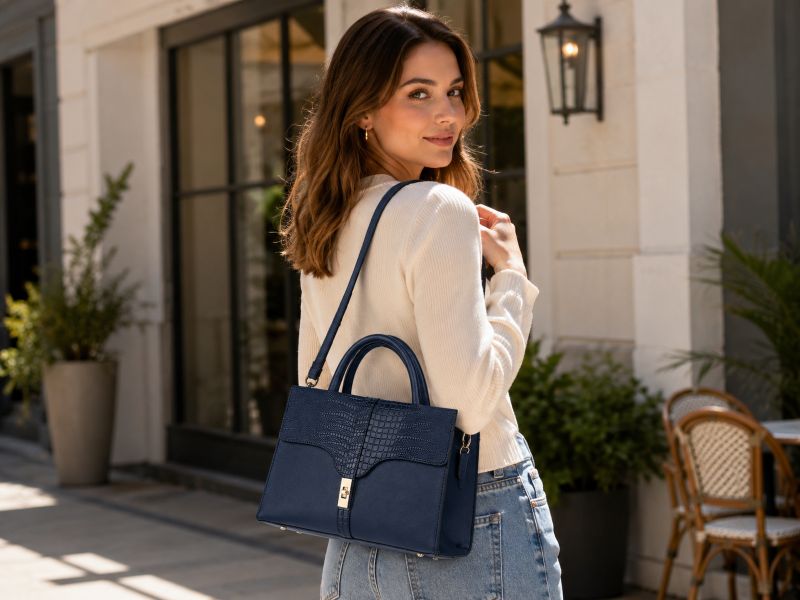
Navy is the easiest dark accent color in the handbag category. It reads as a neutral across most outfit combinations while adding a quiet depth that true neutrals like black or beige cannot always deliver.
Navy pairs well with white, grey, camel, blush, and surprisingly, black. It is a particularly strong choice for professional and smart-casual wardrobes, and works beautifully with jeans for a clean, put-together everyday look.
Handbag Colors That Need More Careful Styling
Some colors may not be wrong choices, but they are simply more specific in how they work. If you are choosing a secondary handbag to complement a versatile primary color, these are worth considering.
Red and Burgundy
A dark red or burgundy handbag is one of the most powerful accessories in a wardrobe. It works best as a statement piece against neutrals — black, white, beige, navy, and grey — and sits naturally within the jewel tones color family.
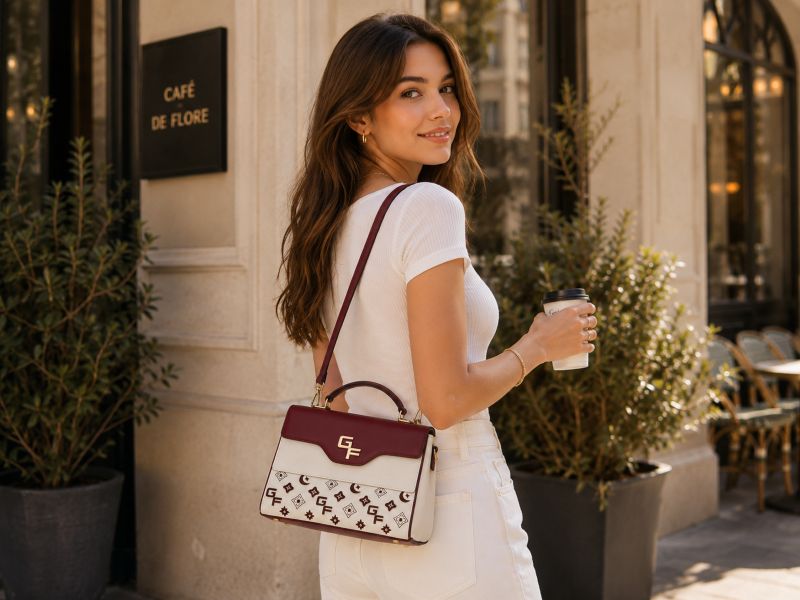
It does not work as an everyday neutral, but it earns its place as a go-to color for occasions when you want your bag to do the talking. Burgundy in particular is a strong fall and winter color that pairs beautifully with olive green, camel, and chocolate brown.
Blush Pink
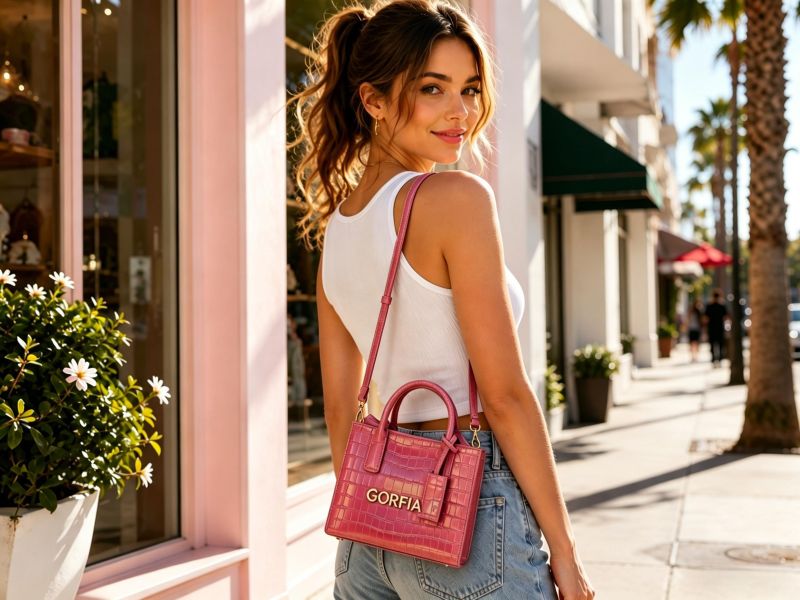
Blush pink has established itself as a near-neutral in modern wardrobes. It pairs well with white, cream, grey, navy, and camel, making it more versatile than most people expect. It reads as feminine and refined without being overly bold, which makes it a strong choice for both casual and semi-formal occasions.
Bags in blush pink with gold hardware or silver hardware add a premium finish that elevates the overall look.
Olive Green and Forest Green
Olive green and forest green have quietly become among the most wearable bag colors in fall and winter wardrobes. Dark green bags pair naturally with neutrals like camel, beige, tan, and cream, and create a perfect blend of earthy richness and everyday versatility.
A crossbody bag or tote bag in olive green is an increasingly popular alternative to brown for shoppers looking to add depth to their wardrobe without moving away from the earth tones color family.
Metallic
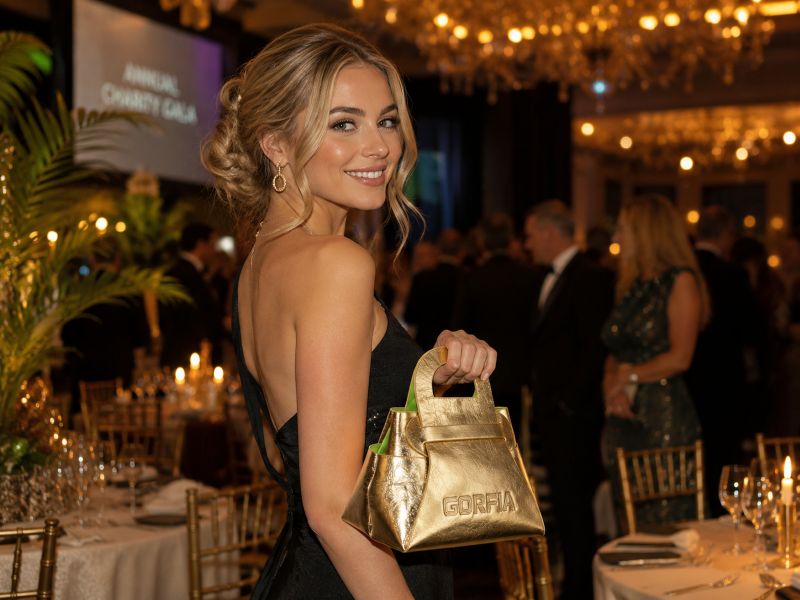
A metallic bag, whether in gold, silver, or rose gold, occupies a unique space in the handbag color conversation. Rather than competing with your outfit, metallics act as a neutral that catches light and adds dimension.
A gold metallic bag pairs naturally with warm tones like camel, burnt orange, and butter yellow. A silver metallic bag sits cleanly alongside cool tones: grey, navy, white, and blush pink. Both work across daytime looks and evening occasions, making a metallic bag one of the most underrated, flexible statement pieces in the accessories category.
How the Cannes Film Festival Shapes Handbag Color Trends
The Cannes Film Festival has become one of the most commercially influential style moments in the global fashion calendar.
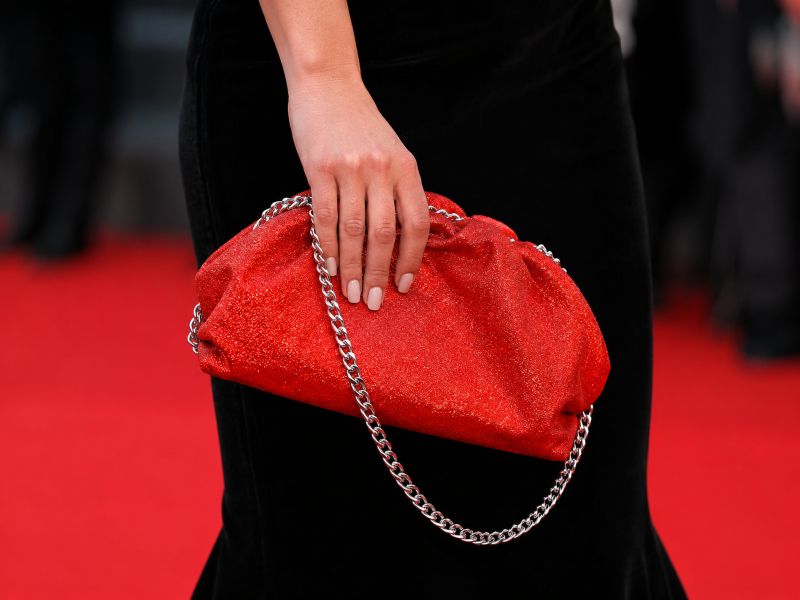
Each year, the red carpet at Cannes drives a short-term increase in demand for embellished clutches, mini bags in bold and metallic shades, and refined styles that balance occasion dressing with personal expression.
At the same time, Cannes consistently reinforces longer-term trends in light luxury and sustainability. Consumers leave the moment inspired by bags that are stylish, versatile, and increasingly eco-conscious.
For brands and private label buyers, the smart approach is to treat Cannes as a long-term style signal rather than a short-term trend to chase.
The real opportunity lies in building original, long-lifecycle products in long-lifecycle neutrals; bags that reflect the elevated aesthetic of red-carpet fashion while remaining relevant across multiple seasons and selling cycles.
Prioritizing consistent quality, stable material supply, and original design over trend copies is what separates brands that build lasting product lines from those chasing one-time spikes.
Expert Tips to Pick the Right Handbag Color for Your Wardrobe
Knowing which colors are wardrobe-friendly is helpful. But knowing which one is right for your specific wardrobe is what actually matters.
Here is a simple framework to help you decide:
Look at what you wear most
If your wardrobe is built on neutral colors like black, white, grey, and navy, almost any of the colors in this guide will work. If your wardrobe leans toward warm tones and earth tones, camel, tan, and cognac are likely your strongest choices.
If you wear a lot of color and print, a true neutral like black, nude, or soft gray will give you the most flexibility.
Consider the occasions you dress for
A black or navy bag covers professional, smart-casual, and evening occasions with ease. A camel or tan bag works best across casual and smart-casual settings. A white or cream bag transitions well from daytime looks to evening plans.
Think about how many handbags you own
If this is your only handbag, black or camel is the most practical starting point. If you already own a black bag and are adding a second, camel, tan, or nude will give you the most complementary coverage across your wardrobe and create a cohesive color family across your accessories.
Use Case: Everlane’s Tote (A Neutral Color Strategy That Worked)
Everlane had just launched “The Editor” tote, a structured leather bag designed for work and everyday use. The initial color palette leaned heavily on neutrals — black, camel, navy, and grey — with camel emerging as the unexpected hero of the collection.
The camel version of The Editor tote became one of the brand’s most-requested restocks, frequently selling out and generating a waitlist. Everlane’s design team noted that customers consistently gravitated toward camel because it paired effortlessly with denim, workwear, and evening looks.
The response to camel reflected a broader preference for handbag colors that feel easy to wear across different parts of daily life.
What Handbag Color Says About Your Customer (For Brands and Private Label Buyers)
If you’re developing a handbag collection for retail, private label, or wholesale, the color preferences outlined in this guide reflect real consumer buying behavior and directly impact your product development strategy.
Start With Your Volume Colors
Versatile, neutral colorways always outperform trend-led colors in sell-through rates and repeat orders. The colors consumers reach for when they want a bag that goes with everything in their wardrobe are:
- Classic black
- Camel
- Nude
- Tan
- Taupe and beige
These are your safest volume colors. Consumers buy them with confidence and return for more, which makes them the strongest foundation for any new collection.
For brands building collections with strong market longevity, get the fundamentals right first — color, material, structure, and branding, before layering in seasonal or trend-led options like olive green, dark green bags, or jewel tones.
Match Your Material to Your Market
Your choice of material would greatly determine how the color holds and performs over time.
Here is a quick breakdown of the top materials to consider:
- Genuine Leather: A camel bag in genuine leather develops a rich patina with use, and maintains good value over time; ideal for premium and investment-piece positioning.
- Vegan Leather: Delivers a consistent, polished finish at a more affordable price point, making it strong for mid-market and sustainable collections.
- Canvas and Recycled Materials: Offer a casual, lifestyle-forward interpretation of the same colorways; a different but equally strong market segment with growing consumer demand.
Choose the Right Customization for Each Colorway
The right bag logo technique can significantly elevate how a color lands on the shelf. Here is what works best across different materials and colorways:
- Emboss and Deboss: Work best on leather and vegan leather in neutral tones. They add depth and refinement without competing with the color itself.
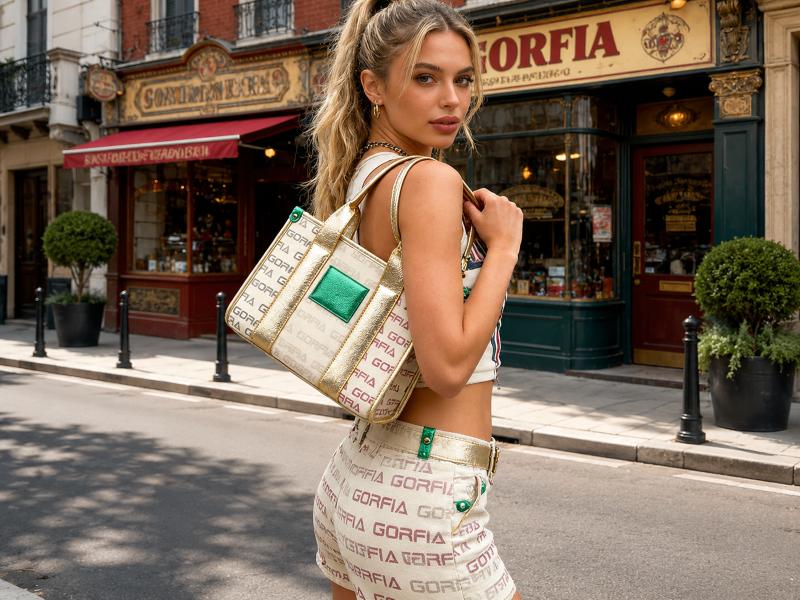
- Hot Stamping and Gold Foil: Add a premium finish to camel, tan, and nude bags — reads as elevated in both retail and gifting contexts. Gold accents work particularly well on darker colors like burgundy, forest green, and chocolate brown.
- Screen Printing, Embroidery, and Woven Labels: Maintain brand visibility on canvas and nylon bags without compromising the material’s casual appeal.
- Custom Metal Hardware Logos: Add a premium detail, whether in gold hardware or silver hardware, that works across all colorways and elevates the overall perception of the bag regardless of price point.
What to Look for in a Reliable Manufacturing Partner
For buyers managing international sourcing, production reliability, and lead time flexibility are as important as design.
Here are what good manufacturing partners offer:
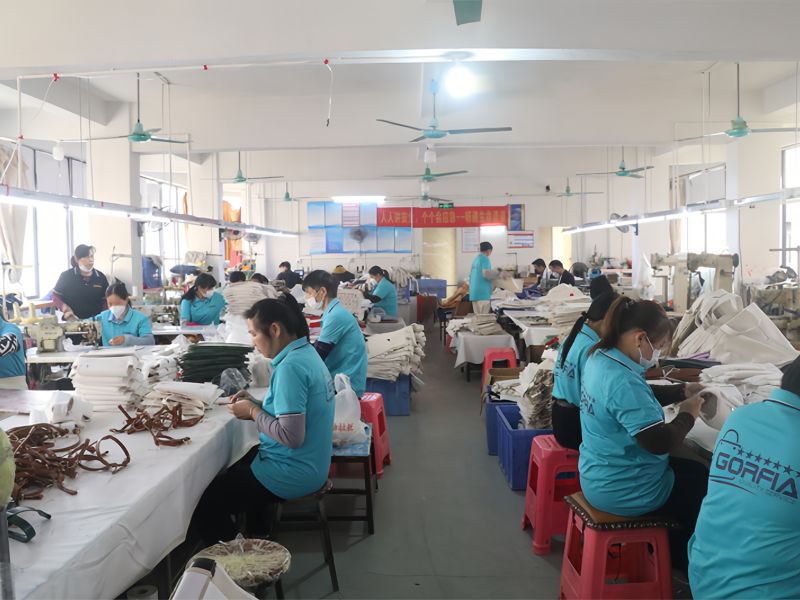
- In-house factory with many years of industry experience and an impressive production capacity, giving you the stability to scale without compromising on quality or consistency.
- Small-batch fast production, so you can run new colorway testing and seasonal launches without the risk of large unsold inventory.
- Door-to-door DDP service Simplifies international logistics so you receive your order without managing freight, duties, or last-mile delivery independently.
We support the full range of materials and offer a complete customization toolkit, including Emboss, Deboss, Screen Printing, Embroidery, Hot Stamping, Woven Labels, and Custom Metal Hardware Logos. Small-batch fast production and door-to-door DDP service mean you get from concept to shelf with less friction and more speed.
If you have a colorway direction and a rough quantity in mind, that is enough to start the conversation.

Frequently Asked Questions
What is the most versatile handbag color?
Black is the single most versatile handbag color. A classic black bag goes with every outfit, occasion, and season.
What color handbag goes with everything in a wardrobe?
Black, camel, nude, and tan are the four colors that work most consistently across different outfit combinations, styles, and occasions; true timeless neutrals that belong in every wardrobe.
What color handbag is best for everyday use?
Black or camel are the strongest everyday choices; black for its universal compatibility, and camel for its warmth and versatility across both cool-toned and warm-toned outfits.
Is a brown handbag versatile?
Yes. Tan and cognac brown are among the most timeless and versatile handbag colors, pairing naturally with a wide range of colors, including white, denim, olive green, and burgundy.
What color handbag is best for a gift?
Black, camel, or nude are the safest gift choices. They are universally flattering, work across most personal styles, and are unlikely to conflict with the recipient’s existing wardrobe or shoes.
The Right Bag Color Works Every Time You Reach for It
If you are a brand or private label buyer developing a new handbag collection, the color preferences in this guide reflect what your customers are actively searching for.
Use them as a starting point for your colorway strategy, and the market will reward you. You may also want to read up on our comprehensive guide on Handbag Trends You Should Know: Color, Shape, and Style.
Got a Colorway in Mind?
We’ve got you covered. Gorfia is an in-house handbag manufacturer with decades of experience supporting retail brands, private label buyers, and OEM/ODM partners worldwide. If you already have a color direction or concept in mind, share your brief with us, and we will take it from there. You can request a sample or discuss your custom handbag collection with our team anytime.