
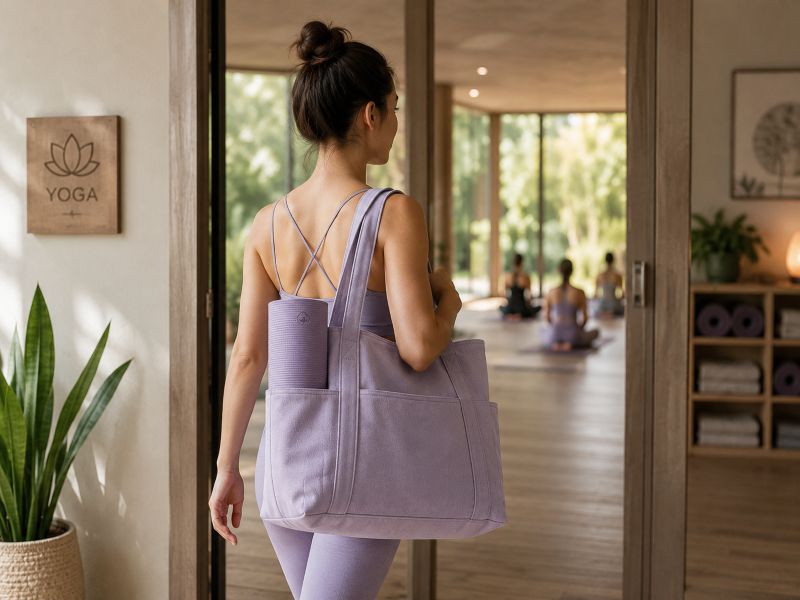
The reusable bag is no longer a compromise. It used to be the slightly crumpled alternative to a plastic bag — now it’s a deliberate style choice that travels from the farmers’ market to the office to the gym without skipping a beat. Canvas totes, recycled cotton bags, and yoga-ready carry solutions have moved from niche sustainability products to genuinely mainstream accessories, and the market data reflects it.
According to Technavio, the global sustainable tote bag market reached $7.4 billion in 2024 and is projected to grow at a CAGR of 8.2% through 2033, driven by both consumer preference and regulatory pressure on single-use plastics.
This guide covers what’s trending, what materials actually hold up, and how to choose the right tote for your routine, whether you’re a consumer or a brand building a product line.
Read on to find out which tote styles and materials best fit your lifestyle or brand needs.
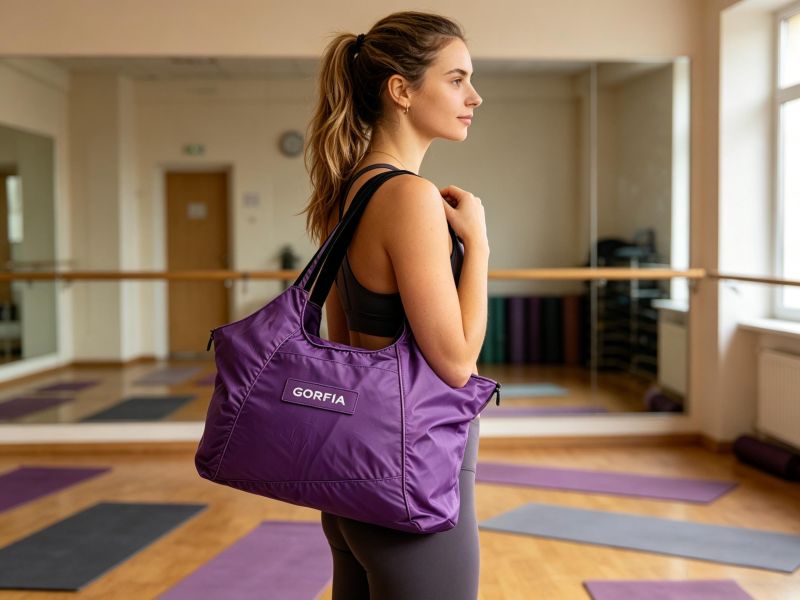
Why Tote Bags Are Trending Now?
A few things are happening at once. Plastic bag bans have expanded across dozens of markets, making reusable carry not just preferable but necessary. At the same time, consumer expectations for what a tote bag should do have grown considerably. People want one bag that handles the commute, the grocery run, the gym, and the weekend trip without needing to switch.
Canvas and recycled cotton totes sit at the center of this shift. They’re durable enough for daily use, easy to customize for branding, affordable enough for mass retail, and visible enough to carry a sustainability message without making it the only thing the bag says about you.
That combination of function, flexibility, and identity is why the tote bag category keeps growing while plenty of other accessories don’t.
What Makes a Tote Bag Go With Everything
Neutral colors like black, stone, and off-white remain common in everyday tote collections because they fit more naturally into daily routines. A bright seasonal color may stand out initially, but neutral tones are easier to carry between work, travel, errands, and gym use without feeling overly specific to one setting. For brands, these styles also tend to stay relevant longer across different seasons and retail cycles.
That same practicality influences material selection. Heavy canvas is widely used in work and commuter totes because it holds shape better under laptops, groceries, or heavier daily loads. Recycled cotton works better for softer, lightweight everyday carry and promotional styles where flexibility matters more than structure. Nylon is more common in travel-oriented totes because it keeps the bag lighter and handles moisture more effectively in transit or outdoor use.
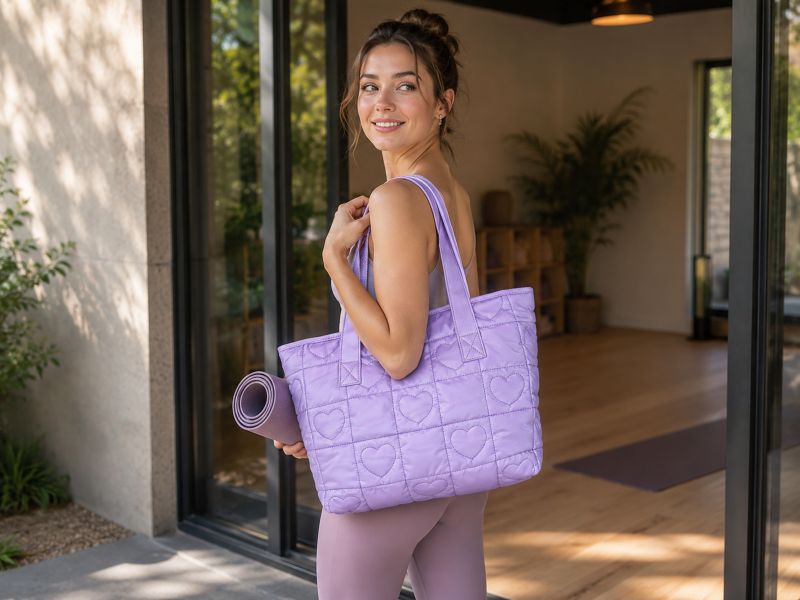
Top Trending Tote Bag Styles to Know
Real-World Insight From Tote Bag Development
In recent tote bag projects, we’ve noticed a clear shift toward cleaner, more practical designs. Many clients initially request bold graphics or trend-heavy concepts, but the styles that usually perform better long term are simpler canvas totes with reinforced handles, neutral colors, and understated branding.
From a manufacturing perspective, repeat daily use matters more than decorative details alone. Features like proper canvas weight, reinforced stitching, and balanced handle length tend to have a bigger impact on customer satisfaction than overly complex styling.
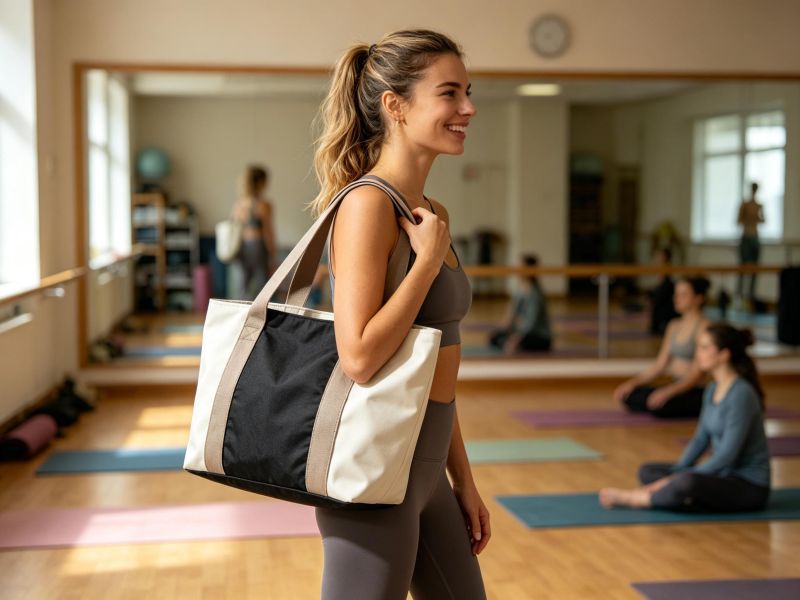
How Fashion Events Influence Tote Bag Trends
High-profile fashion events like the Met Gala influence bag trends faster than most brands realize. Design details that first appear on the red carpet — sculptural shapes, retro-inspired finishes, embellished textures, and fashion-as-art styling — often make their way into tote bags and lifestyle collections not long after.
For brands, this goes beyond a short-term trend moment. More consumers, especially in the U.S. market, are looking for bags that balance everyday function with stronger visual personality. A tote is no longer expected to be purely practical — it also needs to feel current, distinctive, and style-driven.
From a product development standpoint, the real challenge is turning trend-inspired concepts into products that actually work at scale. Materials like satin, velvet, sequins, embroidery, and recycled fabrics can create a more elevated look without pushing products into luxury-level pricing, but the structure, hardware, and construction details still need to make sense for repeat production and daily use.
Canvas Tote Bags for Casual and Daily Use
Canvas remains the most dominant material in the tote market. Market News says the canvas segment held 30.3% of the global tote bag market share in 2024, driven by durability, versatility, and its eco-friendly positioning. It’s also the most customization-friendly surface — screen printing, embroidery, and heat transfer all work cleanly on canvas, which is why it’s the go-to for branded and promotional bags.
Recycled Cotton Tote Bags for Sustainability-Focused Brands
Recycled cotton totes are gaining ground among brands that need to demonstrate sustainability credentials beyond basic reusability. They use post-industrial or post-consumer cotton waste, reducing raw material demand and water consumption in production. The texture is slightly less uniform than virgin cotton, which some buyers prefer for its natural aesthetic and which others see as a quality signal worth communicating.
Structured Tote Bags for Work and Commuting
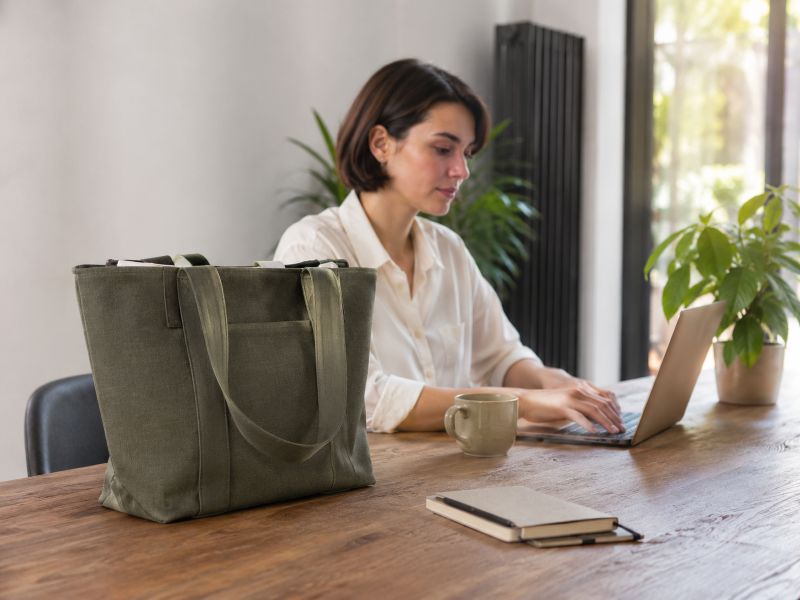
A structured tote — one with an internal frame, rigid base, or reinforced sidewalls keeps its shape when set down and carries flat items like laptops and folders without folding them. Structured canvas and nylon totes have become standard in the work carry category, particularly among commuters who need one bag to transition between the office and the rest of the day.
Oversized Tote Bags for Travel and Lifestyle Use
Oversized totes function as carry-on personal items, beach bags, and weekend bags. At 30 liters and above, they hold more than most daypacks while remaining flatter and easier to pack. The limitation is carry comfort — without shoulder padding or a crossbody strap, a heavily loaded, oversized tote becomes uncomfortable quickly.
Yoga-Ready Tote Bags for Fitness and Hybrid Use
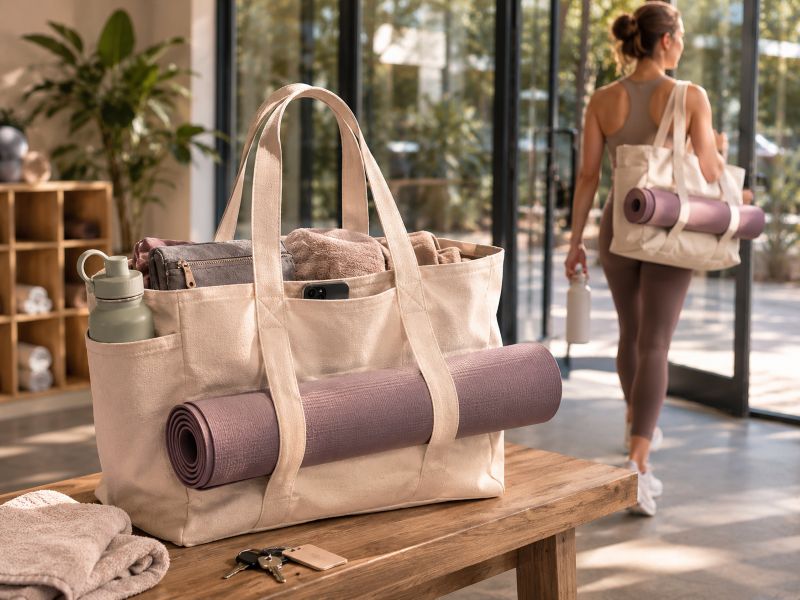
Yoga totes are a growing sub-category. They typically feature a dedicated yoga mat sleeve on the exterior or a wide external strap system that holds a rolled mat, alongside internal compartments for a change of clothes, a water bottle, and personal items.
The best versions function as a standalone gym bag that also works as a casual carry — so the user doesn’t need a separate bag for the class and another for everywhere else.
Canvas Tote Bags: Everyday Versatility
Canvas weight is measured in ounces per square yard. Lightweight canvas (4–8 oz) is soft, folds flat, and works well for promotional and shopping bags. Heavy-duty canvas (10–16 oz) holds its shape, resists abrasion, and suits bags expected to carry real weight daily.
Printed canvas gives brands a high-visibility surface for graphics and messaging. Plain canvas — particularly in natural or undyed form — works as a style statement in its own right and is increasingly preferred by consumers who want the bag to look intentional without looking promotional.
For care guidance that applies across canvas constructions, our article on how to wash canvas tote bags covers cleaning methods that preserve both the fabric and any applied graphics.
The durability-to-cost ratio on canvas is genuinely hard to beat. A well-constructed 12 oz canvas tote with reinforced handles and bar-tack stitching at stress points will outlast most synthetic alternatives at a comparable or lower price point.
Recycled Cotton and Sustainable Materials
Recycled cotton uses fiber reclaimed from textile manufacturing offcuts or post-consumer garments. It requires significantly less water and energy to produce than virgin cotton and generates no new agricultural demand.
The trade-off is fiber length — recycled cotton fibers are shorter than virgin fibers, which can affect tensile strength in thinner fabric weights. For tote bags, this is addressed by blending recycled cotton with recycled polyester, which adds strength without compromising the sustainability positioning.
Gorfia works with genuine leather, vegan leather, canvas, nylon, polyester, and recycled materials — with recycled cotton and rPET options available for brands developing sustainability-positioned product lines.
Tote Bags Designed for Work, Travel, and Fitness
Daily Work Tote
A work tote needs a padded laptop compartment or internal structure that holds a laptop flat, at least one zippered interior pocket for valuables, and a base that doesn’t collapse when the bag is set down. Width matters — a work tote should fit A4 documents and folders without bending them. Structured canvas and coated nylon are the most practical materials for this use case.
Travel Tote
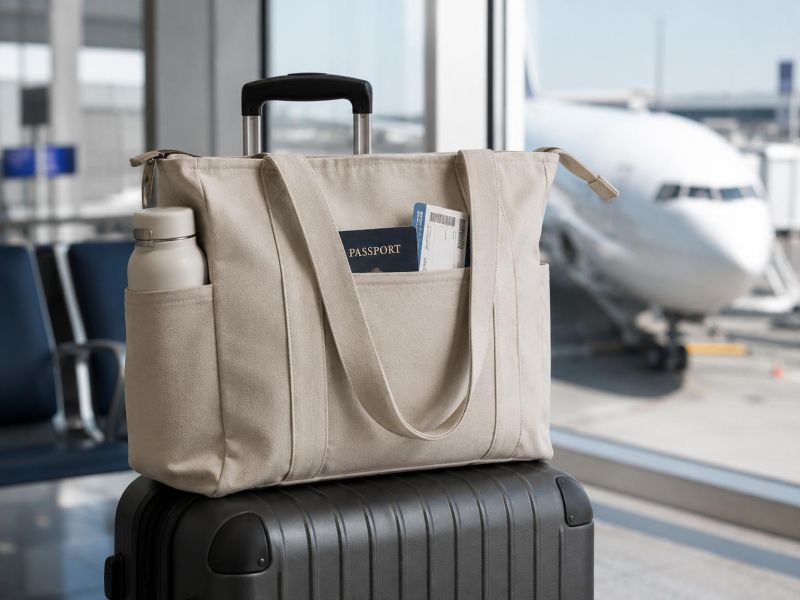
Travel totes need to function as a personal item under an airline seat, which means external dimensions typically need to stay under 45 x 35 x 20 cm on most carriers.
Within that constraint, maximum internal volume and smart organization — a slip pocket for a passport and boarding pass, a secure zip closure, or at least a magnetic snap — are the priorities. Packable options that fold flat inside luggage and expand on arrival are increasingly popular.
Gym and Yoga Tote
A dedicated yoga mat sleeve is the defining feature of a yoga-ready tote. Without it, a yoga mat has to go inside the bag (reducing usable volume dramatically) or be carried separately.
Beyond the mat sleeve, ventilation matters — mesh panels or fabric venting prevent odor buildup from workout clothes. A waterproof-lined base or a separate wet/dry pouch pocket makes the bag functional after a pool session or a sweaty class.
How to Choose the Right Tote Bag?
Match the bag to the primary use case first, then consider material and size. A bag optimized for yoga doesn’t work as well for office carry; a structured work tote is impractical for the beach.
For materials, canvas handles the widest range of daily-use scenarios. Recycled cotton is the right choice when sustainability credentials matter to the end user or brand positioning. Nylon performs better in wet conditions and high-abrasion environments.
For a broader comparison of how material choices play out across carry products, our lifestyle bags collection covers how different constructions are applied across bag categories.
For size, the practical rule is to match capacity to your typical load rather than your maximum possible load. A bag that’s right for your daily carry performs better — in terms of shape, weight distribution, and appearance — than one sized for a hypothetical heavy day.
Canvas vs. Recycled Cotton Tote Bags
| Factor | Canvas | Recycled Cotton |
| Durability | High (especially heavy-duty weights) | Medium-High (blends improve strength) |
| Sustainability | Good (reusable, biodegradable) | Excellent (reclaimed fibre, lower water use) |
| Cost | Low to medium | Medium (slight premium for certified materials) |
| Print surface | Excellent | Good |
| Certification | N/A | GRS / RCS recommended |
| Best for | Everyday use, promotional, branding | Sustainability-positioned products, CSR gifting |
| Maintenance | Machine washable, air dry | Hand or gentle machine wash |
Care and Maintenance
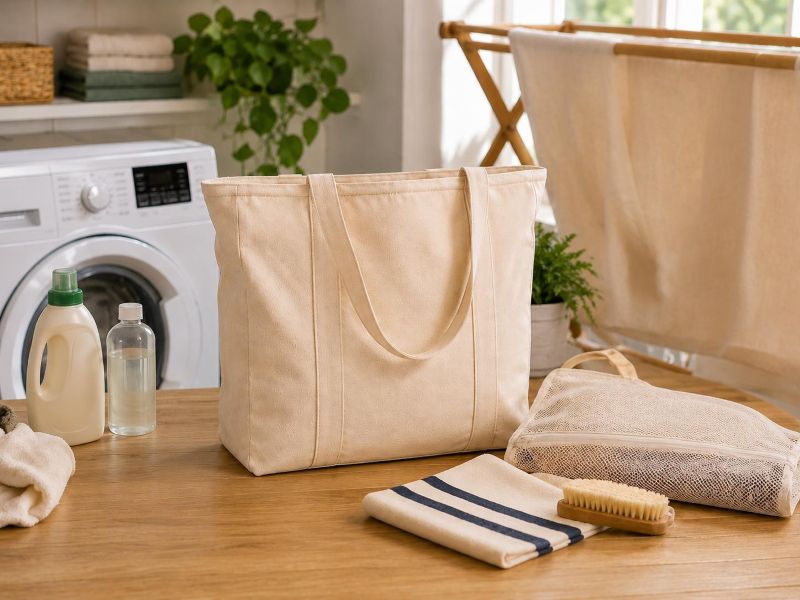
Canvas tote bags can be machine-washed on a gentle cycle with cold water. Avoid high-heat drying — it can cause canvas to shrink and may crack or fade screen-printed graphics. Air drying flat preserves the bag’s shape better than hanging, which can stretch handles over time. For detailed methods across canvas types, our canvas tote washing guide covers what works and what to avoid.
Recycled cotton totes should be handled more carefully than standard cotton totes. Hand washing or a gentle machine cycle in a mesh laundry bag is recommended for blended fabrics. Avoid bleach — it degrades recycled fibers faster than virgin cotton. Air dry flat.
To extend the lifespan of any tote: don’t overload past the stitching’s rated capacity, store the bag flat or stuffed rather than crumpled, and address stains quickly rather than letting them set into the fabric. A tote that’s cared for consistently will outlast several bags that aren’t.
Three Expert Tips for Choosing the Right Tote Bag
Tip 1: Match fabric weight to your actual load, not your maximum load.
Most people over-spec their tote bags. A 16-oz canvas tote built for 15 kg loads is overkill if you’re carrying a laptop, water bottle, and wallet daily. That extra fabric weight adds fatigue over a full day. For typical office or errand use, a 10-12 oz canvas with reinforced handles strikes the right balance between durability and comfortable carry weight.
Tip 2: Test the handle drop length before you buy.
The handle drop (the distance from the top of the bag to the top of the handle) determines whether a tote sits comfortably on your shoulder or drags awkwardly at hip level. For shoulder carry, look for 10-12 inch drops. For hand carry only, 6-8 inches works. If the product page doesn’t list handle drop measurements, email the brand—it’s a basic spec any serious manufacturer should provide.
Tip 3: Look for bar-tack stitching at stress points.
The first failure point on most totes is where the handle attaches to the bag body. Bar-tack stitching (the small rectangular reinforcement stitch) distributes load across a wider area and prevents tearing. Check for it at handle attachment points and bottom corners. If you don’t see bar-tacking on a tote labeled “heavy-duty,” skip it—the construction doesn’t match the marketing.
FAQs About Tote Bags
What tote bag goes with everything?
A medium-sized canvas or recycled cotton tote in a neutral color like natural, black, or stone offers the most versatility. A clean, minimal design without oversized graphics works easily across casual, travel, and semi-professional settings.
Is Canvas durable enough for daily use?
Yes — if the canvas weight and construction are strong enough. Lightweight canvas suits light use, while 10 oz+ canvas with reinforced handles and stress-point stitching is durable enough for daily carry over years.
Are recycled materials reliable for long-term use?
Recycled cotton blends with recycled polyester can perform similarly to virgin cotton for daily use. Pure lightweight recycled cotton is usually less durable under heavy loads. Durability depends more on fabric weight and construction than recycled-content certification alone.
How do I choose the right tote size?
Choose tote size based on your main use: 15–20L for daily work carry, 20–25L for shopping, and 25–35L for travel or gym use. Avoid oversized bags if you don’t need the extra space, since they can lose shape and feel less comfortable to carry.
What features matter most for daily use?
Reinforced handles, a structured or at least flat base, at least one interior zip pocket, and a material that cleans easily. Everything else is secondary to whether the bag holds its shape and keeps its contents organized across a full day of use.
Final Thoughts
The right tote is the one you reach for without thinking. That means the material works for your conditions, the size matches your actual daily load, and the structure suits how you use it — whether that’s open-top casual carry or a more organized work-and-gym hybrid.
Canvas dominates the market for good reason — it handles daily use reliably, customizes well, and lasts. Recycled cotton adds sustainability credentials that matter to a growing segment of consumers and brand buyers. The decision between them is less about which is better and more about what the bag needs to say and do.
From Idea to Production: Your Woven Bag Partner
A well-designed woven bag starts with understanding how you’ll actually use it. Handle placement, strap length, and material weight affect daily comfort more than aesthetic details alone.
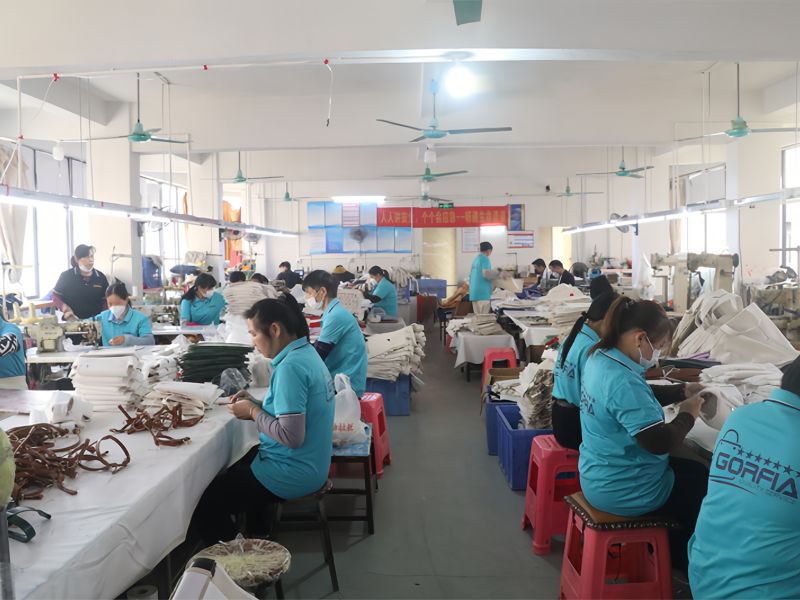
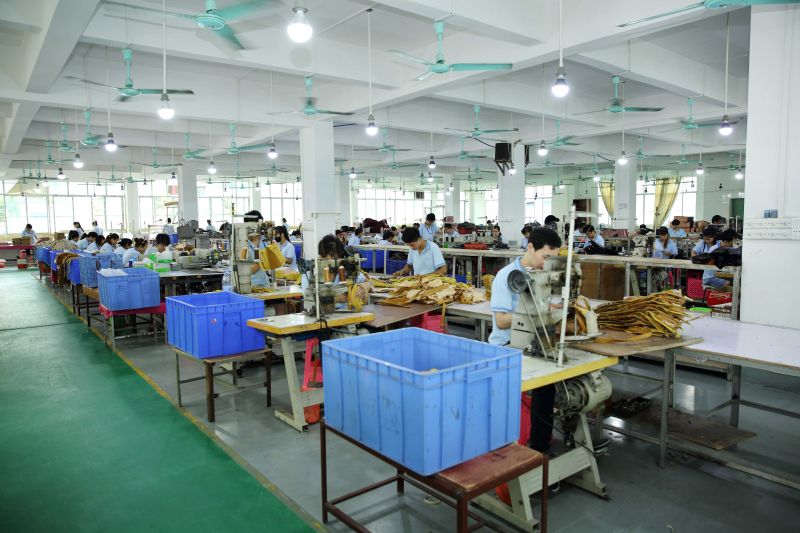
At Gorfia, we’ve manufactured leather goods and bags for over 20 years, with annual production capacity exceeding 1.2 million pieces. We support brands from sampling through full production runs, offering custom logo options including emboss, deboss, screen printing, embroidery, heat stamping, and metal hardware across leather, canvas, nylon, and recycled materials.
Explore our women’s bags collection for additional styles, or visit our designer solutions page to learn about our custom development process. Ready to discuss your woven bag project? Contact our team to get started.