
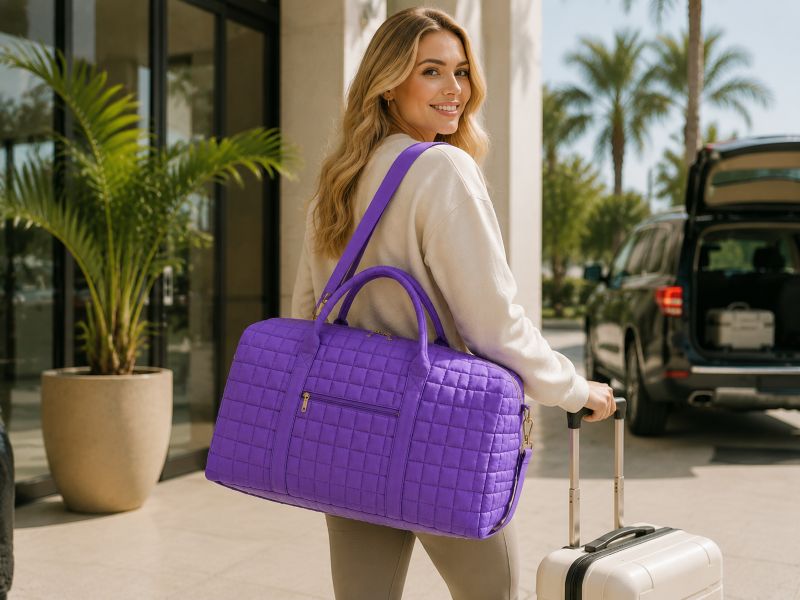
A quilted duffle bag should be lightweight, durable, and easy to carry. The best designs offer enough space for travel, gym use, and daily activities while staying comfortable to carry.
From our quilted bag development experience, we know that details such as padding, fabric choice, and reinforcement can change how a bag looks, feels, and performs over time.
This guide explains how to choose a quilted duffle bag by comparing materials, sizes, design features, and quality details that affect daily use and durability.
Understanding these factors can help you choose a bag that offers the right balance of comfort, strength, and function.
Start With the Bag’s Purpose and Usage
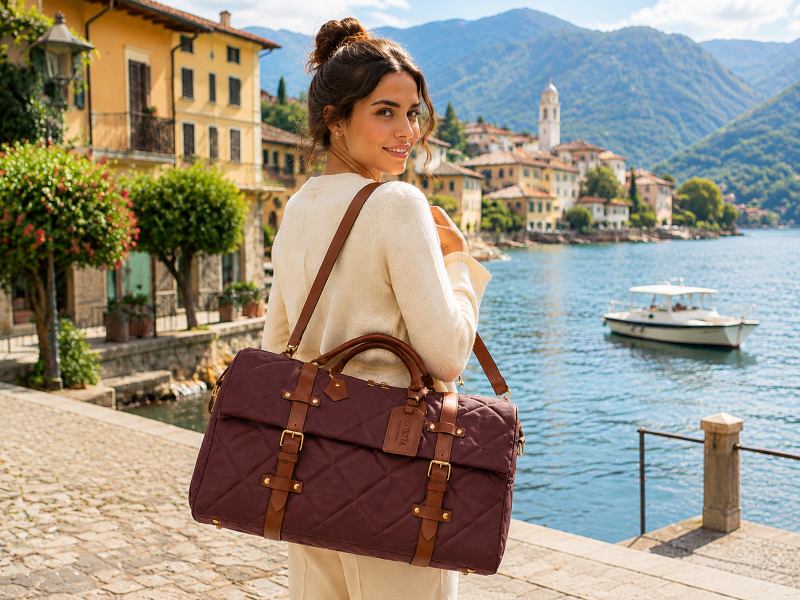
Choose a quilted duffle bag based on how you plan to use it. A quilted gym bag should be light and easy to care for, while a quilted travel bag should have enough space to hold your essentials and make carrying easier.
Different quilted duffle bag styles are designed for different purposes, so the right style should match the intended use and customer needs.
| Intended Use | Recommended Features |
| Weekend travel | Larger capacity, luggage sleeve, shoe compartment |
| Gym | Washable fabric, separate shoe pocket, lightweight design |
| Carry-on travel | Airline-friendly size, secure zipper, organized pockets |
| Daily commuting | Interior organizer, quick-access pocket, comfortable handles |
The purpose of the bag affects the materials, features, and overall design. A clear idea of how the bag will be used helps create a quilted duffle bag that is practical, comfortable, and easy to use.
How Materials and Padding Affect Quilted Duffle Bags
When sourcing a quilted duffle bag, buyers should check the outer fabric, padding, and quilting structure together. These factors affect the bag’s quality, durability, and production stability.
For many quilted duffle bag projects, polyester batting is a practical choice. A 2–3 mm washable polyester layer provides a good balance of softness, support, and durability for a quilted duffle bag.
The padding thickness should work with the quilting design and reinforcement areas to help the bag keep its shape without adding unnecessary weight.
Polyester vs. Nylon: Which Material Works Better?
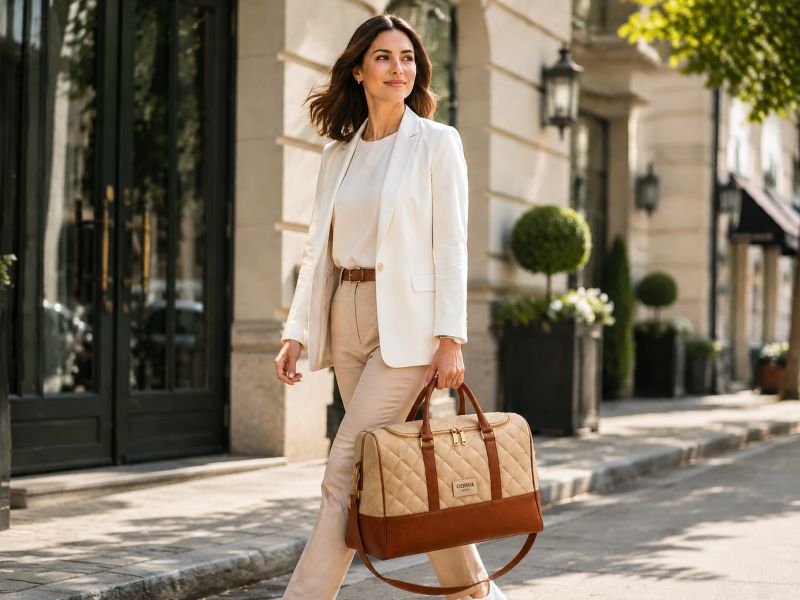
Polyester and nylon are both common materials for quilted duffle bags, but each has different advantages. Polyester is lightweight, easy to care for, and keeps colors well, making it a practical choice for everyday travel and gym use.
Nylon offers stronger abrasion resistance, making it suitable for bags that require higher durability and more frequent use.
When choosing materials for a quilted duffle bag, buyers should look beyond appearance. Buyers should consider factors such as weight, durability, maintenance, and cost together to find the right balance between function, quality, and market needs.
How Padding and Reinforcement Affect Shape Retention
A well-designed quilted duffle bag should stay lightweight while maintaining its shape during use.
Instead of using thicker padding across the whole bag, it is better to reinforce key areas such as the bottom, zipper opening, side panels, and handles. This helps improve support while keeping the bag lightweight.
Handle attachment points also need extra attention because they face repeated pulling during daily use. A thin EVA board or lightweight interfacing can further help the bag keep its shape.
Why Local Reinforcement Works Better Than Full-Body Stiffening
In our quilted bag development experience, local reinforcement often works better than adding stiffness to the whole bag. It provides extra support where needed while maintaining the soft, quilted look customers like.
Improve Quilting Quality and Functional Design
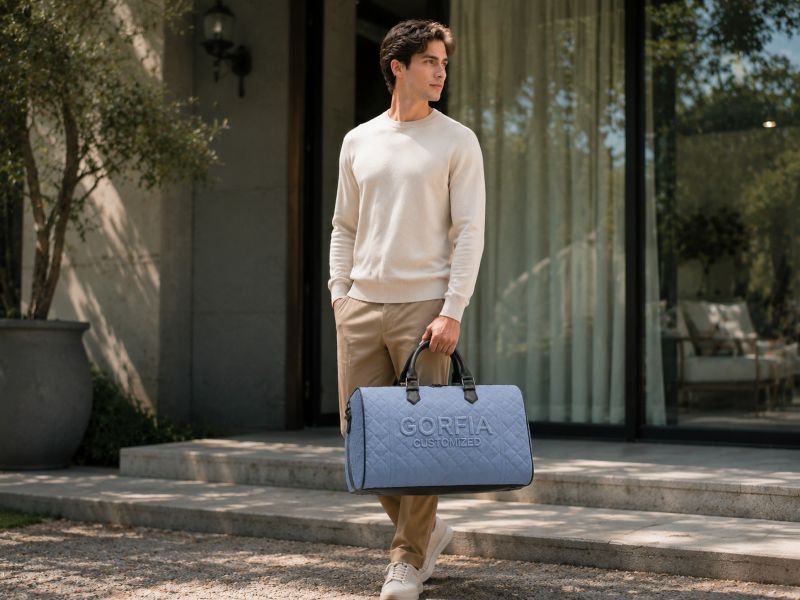
A quality quilted duffle bag should have even quilt patterns that keep the batting in place and maintain a consistent appearance. During evaluation, check for loose threads, puckering, or uneven stitching.
Good sewing quality helps keep the bag’s appearance clean and improves production consistency. Functional features such as interior pockets, luggage sleeves, and shoe compartments can make the bag easier to use without adding extra bulk. Details such as handle length and adjustable straps also affect carrying comfort for different users.
A simple, practical design helps maintain consistent quality throughout production and supports future repeat orders.
Finding the Right Quilted Duffle Bag Size
The right size depends on the target market and intended use. Compact styles suit gym and short trips, while larger sizes provide more space for travel essentials. For travel-focused products, consider carry-on size requirements for different markets.
A balanced size design helps maintain capacity, weight, and usability without affecting production efficiency.
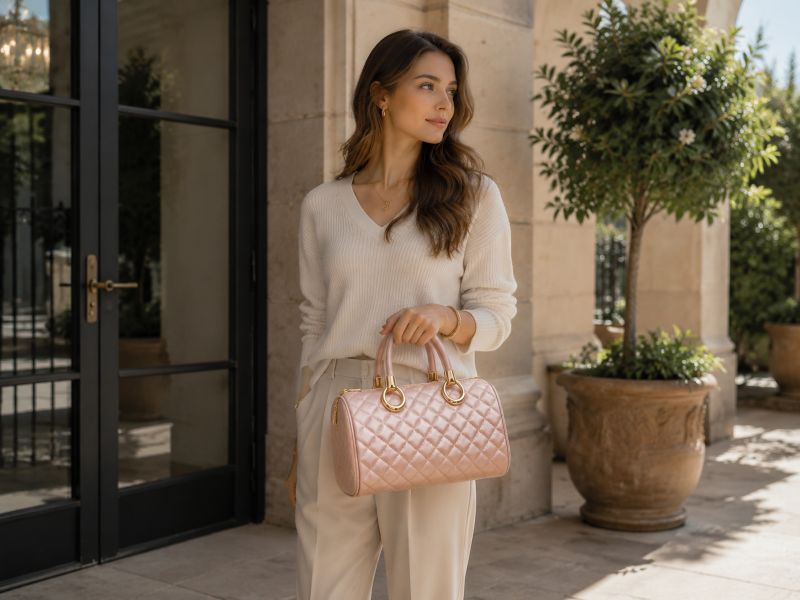
Testing Quilted Duffle Bag Durability and Construction Quality
A quilted duffle bag may look perfect when it is new, but long-term performance depends on how well the materials and construction hold up over time. Washable polyester batting is often a practical choice because it dries faster and is less likely to form uneven areas after washing.
From our development experience, some samples that look good at first may change after cleaning or repeated use. Testing the finished bag, rather than only checking the quilted fabric, gives a more accurate understanding of product durability.
Professional buyers should evaluate the finished product through actual testing instead of relying only on visual inspection.
How to Extend the Life of a Quilted Duffle Bag
Proper care can help a quilted duffle bag maintain its appearance and performance for longer. Avoid overloading the bag, follow recommended cleaning methods, and make sure it is fully dry before storage.
Regularly checking details such as zippers, handles, and stitching can also help prevent small issues from becoming bigger problems. Simple maintenance habits can keep the bag looking better and extend its usable life.
Develop Quilted Duffle Bags for Consistent Production
A good quilted duffle bag should look good in the first sample and keep the same quality during bulk production.
This is important when the product goes into production. Small changes in materials or construction can affect the final result. When creating a custom design, buyers should check whether the materials, quilting pattern, and structure will remain the same for future orders.
Before production starts, buyers should review samples carefully. They should check the materials, construction details, and overall quality.
From our experience, complex quilting patterns, thick padding, or too many decorative details can make production harder. A balanced design is easier to produce, keeps quality stable, and supports future orders.
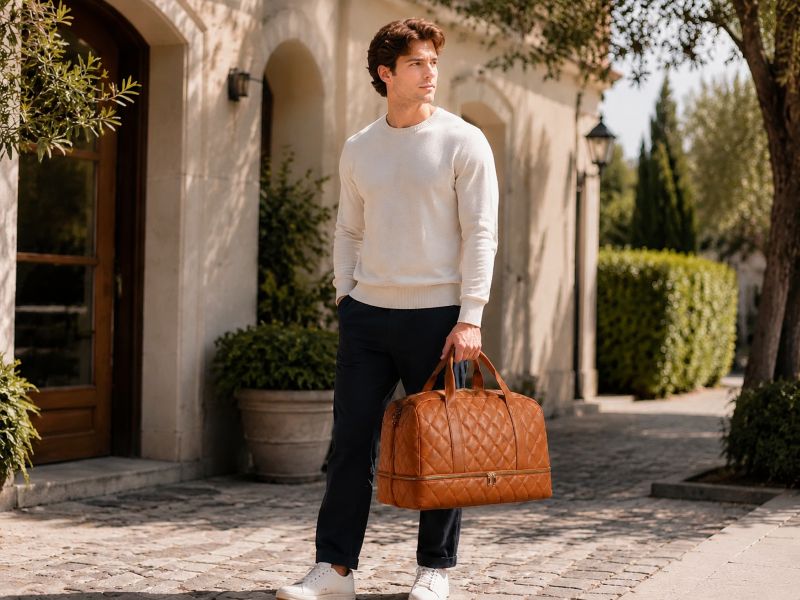
Balance Custom Details With Long-Term Product Performance
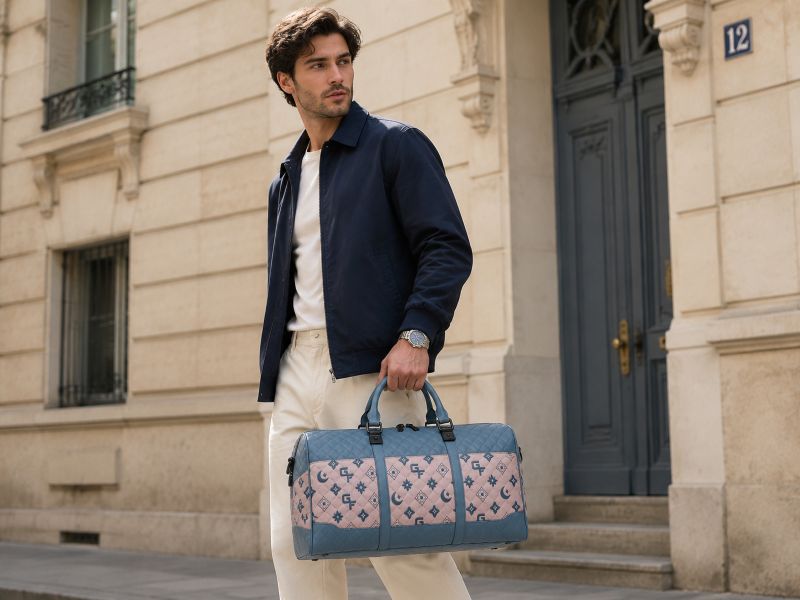
Customization helps brands create unique quilted duffle bags with different colors, quilt patterns, logo placement, hardware, and packaging options.
Brands can get design ideas from fashion trends, but they should also consider production needs. Each detail should work well in both design and manufacturing.
For example, a complex quilting design can create a strong visual effect, but it may also make production harder and increase quality risks. The best designs combine unique details with simple and reliable production methods.
Design for Future Repeat Orders
For brands and retailers, the success of a quilted duffle bag depends on more than the first production run. A design that is easier to reproduce can help maintain consistent quality, reduce unexpected changes, and support long-term sales.
Choosing stable materials, practical structures, and production-friendly details during development can make future reorders smoother and more predictable.
FAQs
What is the best material for a quilted duffle bag?
For most travel and gym bags, polyester and nylon are the most practical choices. Polyester is lightweight and easy to maintain, while nylon offers better abrasion resistance. Washable polyester batting also helps the bag keep its shape after repeated use.
Can a quilted duffle bag be used as a carry-on?
Most quilted duffle bags designed for travel meet carry-on requirements, but the exact size depends on the airline. Always check your airline’s baggage policy before traveling.
How should you store a quilted duffle bag?
Store the bag in a cool, dry place and avoid compressing it for long periods. Filling it lightly during storage can help maintain its shape.
Can brands request custom features?
Yes. Manufacturers can often customize fabrics, colors, quilting patterns, hardware, pockets, and logos to match brand requirements. Discuss these requirements before sampling begins to avoid unnecessary revisions later.
Why is repeat-order consistency important?
Consistent production helps ensure every bag meets the same quality standard. Simple construction, controlled weight, and repeatable manufacturing methods make it easier to deliver reliable products across future orders.
Conclusion
Choosing a quilted duffle bag is about balancing functionality, quality, and long-term value. Whether you’re selecting a bag for personal use or sourcing products for your brand, careful attention to materials, construction, and manufacturing standards will help you make a more informed decision.
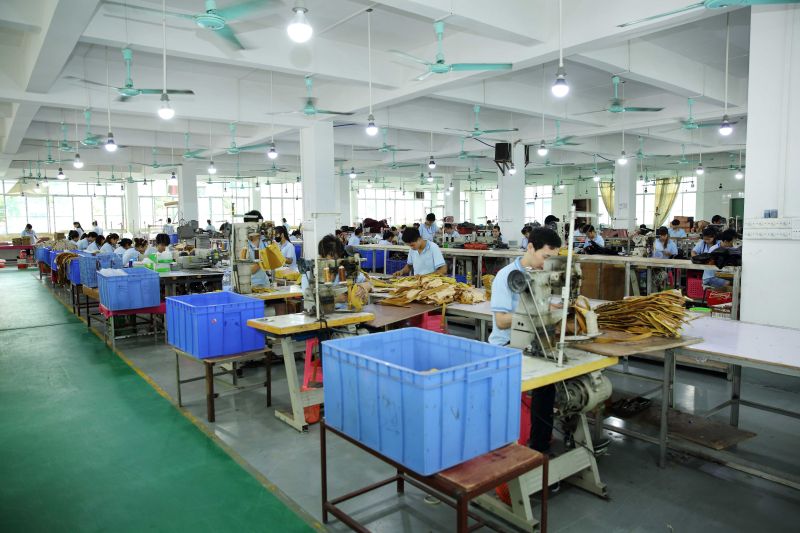
If you’re looking for a reliable manufacturing partner or exploring custom quilted bag solutions, visit our Quilted Bags collection to discover a wide range of customizable styles and learn more about our development and production capabilities.
Ready to Develop Your Quilted Duffle Bag?
A successful quilted duffle bag combines thoughtful design, durable materials, and consistent manufacturing. Whether you’re developing a new collection or improving an existing product, choosing the right production partner can make the process more efficient and reliable.
Explore our Homepage to learn more about our bag manufacturing capabilities, or visit our Contact Us page to discuss your quilted duffle bag project with our team.