
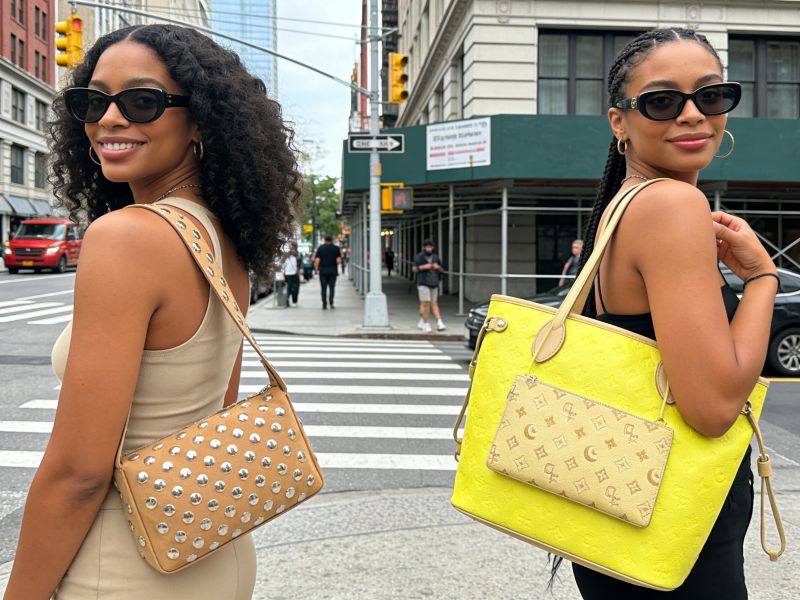
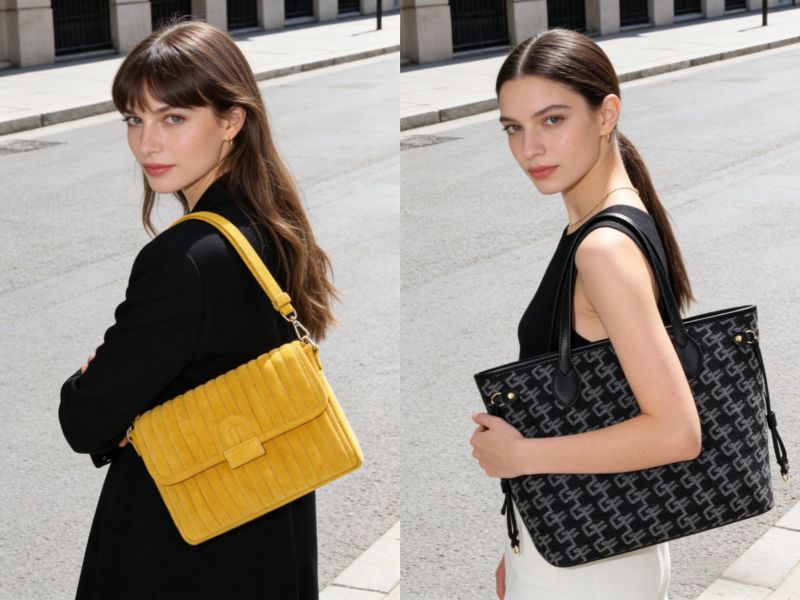
The difference between a tote and a shoulder bag is much more than style.
Many investors lose profits and damage their reputations by overlooking how a bag’s design affects manufacturing timelines and budgets.
If you’re a sourcing manager, a brand owner, or an OEM/ODM product developer, this article will help you make a well-informed decision when choosing between a tote bag and a shoulder bag for large-scale production.
Ready to optimize your production choices? Let’s dive in.
Why Structural Design Shapes Bag Manufacturing Costs & Timelines
Why Overlooking Bag Structure Can Blow Up Your Budget
When planning a new line of handbags and shoulder bags, your first big decision is structure. Totes and shoulder bags may look similar in a catalog; in practicality, they have entirely different requirements on the production floor.
For example, in a recent project for a European retail chain, we manufactured a run of 5,000 canvas tote bags intended for grocery shoppers. The client initially specified a lightweight base to reduce costs.
However, after our prototype testing, we demonstrated that the base would sag after just a few uses with heavier loads. We recommended upgrading to a reinforced double-layer base with edge piping, which increased the unit cost by 8% but reduced returns by over 70% in the first quarter after launch.
Shoulder bags, by contrast, often require more complex construction. For a Japanese fashion brand, we produced a structured shoulder bag with six interior compartments and three zippers.
During pre-production, our team identified that the original design would require 30% more sewing steps than a standard tote, would result in an inflated bill of materials (BOM), and would pose a high risk of seam misalignment.
By adjusting the compartment layout and using pre-assembled pocket modules, we reduced assembly time by 18% and improved overall quality consistency.
Ideally, your factory should review every design for these risks before sampling. This will save you on expensive reworks and protect your overall profit margins.
More brands today start with digital concepts—but turning those ideas into manufacturable products is where many projects fail.
At Gorfia, we specialize in bridging that gap. We take AI-generated designs and translate them into production-ready samples, adjusting materials, structure, and construction details to ensure durability, cost efficiency, and consistency.
With hands-on experience across multiple AI-driven projects, we help you move from concept to sample faster—while avoiding costly design mistakes.
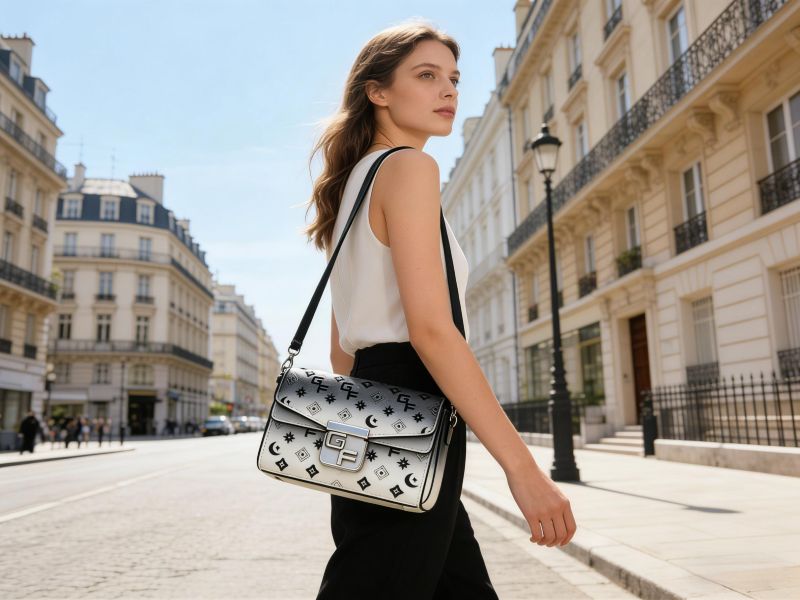
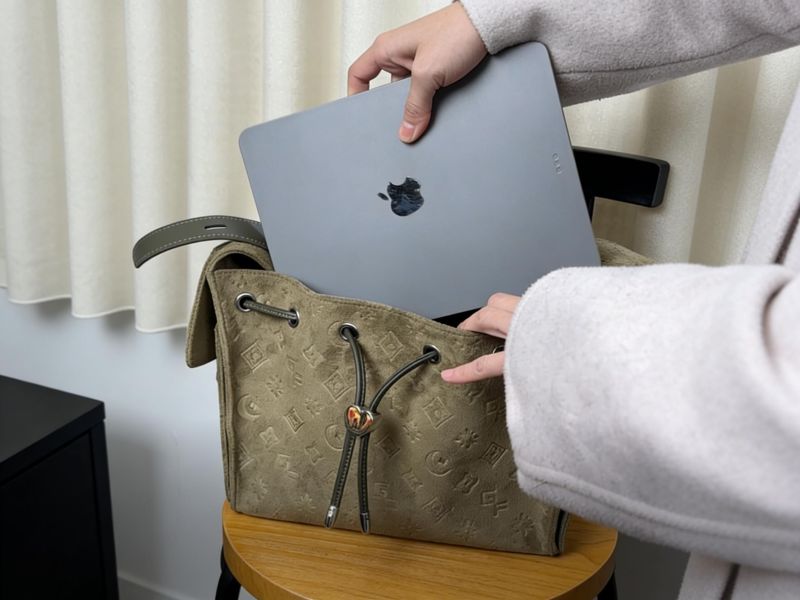
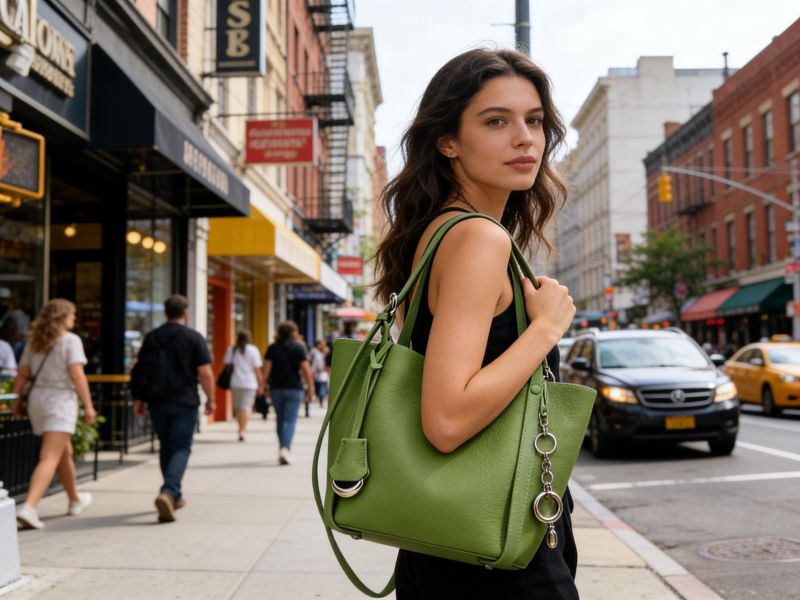
For example, the black shoulder bag shown above was developed from an AI-generated design image and successfully translated into a production-ready sample with refined materials and structure—and is now in active production and commercial sale.
The Hidden Strap Flaws That Lead to Costly Returns
Straps are one of the most common failure points in bag manufacturing.
Totes typically have two short handles, sometimes with a detachable shoulder strap for versatility. Shoulder bags come with a long, adjustable single strap, sometimes with padding for comfort.
If the attachment points aren’t engineered for real-world use, you risk sling or strap pull-out under load, stitching failures, or hardware (such as buckles and adjusters) that can’t withstand the expected weight.
To avoid these common failures, experienced bag factories test for load, cycle fatigue, and stitch density on every project. This way, you’re confident your bags will perform reliably, whether they’re small packs for day-to-day commutes or larger bags for heavy travel.
How the Wrong Material Choice Can Sink Your Bag Project
Choosing the right material directly impacts product lifespan, customer satisfaction, and your brand’s reputation.
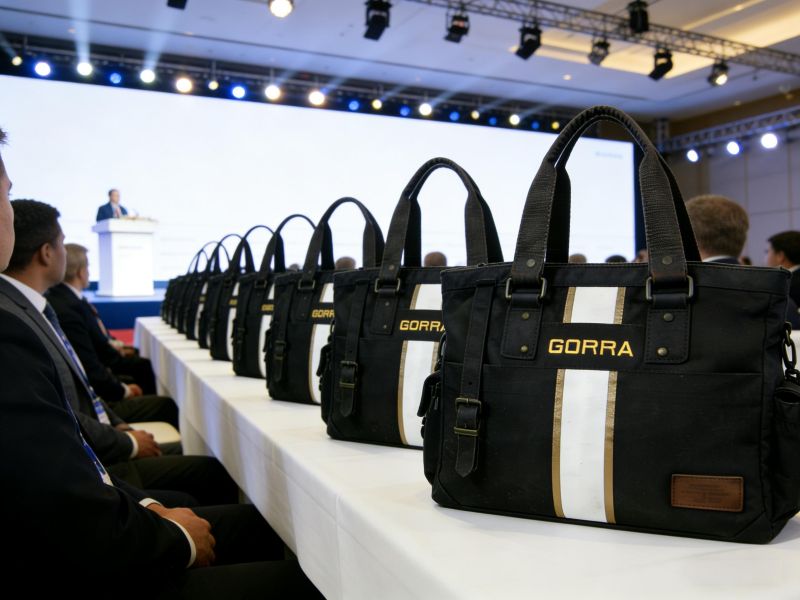
We worked with a US-based promotional products company that wanted a high-volume run of branded tote bags for a tech conference. The client initially requested a low-cost, lightweight nylon.
After reviewing their use case (attendees carrying laptops and swag), we advised switching to a 420D nylon with reinforced stitching at stress points. This change increased material costs by 12%, but the bags held up to repeated use, and the client reported zero complaints about torn handles or seams—unlike a previous campaign, where 15% of bags failed within the first month.
For a luxury retail client, we sourced top-grain leather for a structured shoulder bag. During pre-production, we discovered that the supplier’s leather batches varied in color and texture.
By implementing a batch reservation system and requesting swatches from the actual production lot (not just sample stock), we ensured color consistency across all 2,000 units.
Are Your Bag Closures Setting You Up for Customer Complaints?
How you organize the inside of your bag and how you close it matter for both user experience and production complexity.
In a recent order, we produced a line of shoulder bags with three zippered compartments and a magnetic flap closure. During pilot production, we found that the original zipper placement caused seam puckering and misalignment.
By shifting the zipper installation to an earlier stage in the assembly process and using a reinforced backing, we eliminated the issue and reduced defect rates by 22%.
For a tote bag project, we recommended a simple open-top design with a single snap closure and one interior pocket. This allowed us to complete production 15% faster and reduced QC time, while still meeting the client’s needs for a functional, affordable bag.
Your manufacturer should review every closure and pocket placement to ensure your bags meet both functional and production standards.

When “More Features” Means More Headaches (and How to Avoid It)
It’s tempting to add features (extra pockets, hardware, or lining) to make your bag stand out. But unnecessary complexity can increase your minimum order quantity (MOQ), slow production, and erode your margin.
Always align features with your target market to avoid overengineering for promotional or entry-level SKUs. This will help keep your designs competitive and your production efficient.
For example, if you’re producing tote bags for corporate gifts, you probably don’t need a dozen interior pockets or a reinforced laptop sleeve. But if you’re targeting business travelers with a shoulder bag, those features might be essential for keeping smaller items and tech gear organized while still maintaining a bag that’s perfect for the user.
Which Bag Structure Actually Fits Your Market—and Which Will Backfire?
Strategic Use Cases
Tote bags are perfect for customers who need to carry a lot—shoppers, travelers, or anyone who wants a simple, reliable carry-all. Totes also offer a large surface area for logos or custom prints, making them a favorite for brand visibility and personal style.
Shoulder bags are best for mid- to high-tier retail, gifting, or markets that demand structure and organization. They appeal to customers who want a more formal look, better compartmentalization, and secure closures. If your audience values style, organization, and a polished appearance, a well-made shoulder bag can set your brand apart.
If your channel values hands-free convenience, tech compatibility, or youth appeal, you might explore alternatives like crossbody bags, backpacks, or mini bags. These options offer greater versatility and appeal to customers who are always on the go and prefer a bag that meets their functional needs.
Tote Bag Vs Shoulder Bags: Which Design Wins for Your Brand?
Here are the main differences between a tote and a shoulder bag:
| Feature/Criteria | Tote Bags | Shoulder Bags |
| Typical Use Case | Work, travel, shopping, everyday carry | Casual outings, events, light daily use |
| Carrying Style | Dual handles, carried by hand or on shoulder | Single long strap, worn over one shoulder |
| Capacity | Larger, open main compartment, fits laptops, documents, and more | Smaller, designed for essentials only |
| Organization | Fewer compartments, basic interior organization | Multiple interior/exterior pockets, often includes laptop sleeve |
| Material Options | Canvas, leather, vegan leather, nylon | Leather, fabric, synthetic materials |
| Professional Appeal | Suitable for business and travel | More casual, less formal |
| Customization | High (size, pockets, branding, features) | Moderate (mainly color and material) |
| Airline Compatibility | Often used as carry on or personal item | Usually too small for main carry on |
| Weight Distribution | Even, but can get heavy when fully loaded | Lighter, but less capacity |
A Proven Checklist to Dodge Manufacturing Pitfalls
Here are practical checkpoints to use before finalizing a purchase order.
Don’t Commit Yet: 4 Pre-Production Checks That Save You Money
Before committing to style:
- Confirm true factory capacity. Ask where your order fits in their schedule.
- Request fabric swatches from current production batches—not samples or prototype stock.
- Verify hardware lead times. Zippers and buckles may not arrive with the fabric.
- Clarify what “customization included” covers. Does the quoted price include one-color screen printing? Embroidery? Interior labels? Get specifics in writing.
At Gorfia, these checks are part of our standard pre-production process to help clients avoid unnecessary risks and delays.
How to Outsmart Seasonal Production Bottlenecks
Timing matters more than most B2B buyers realize.
Here’s how production cycles typically shake out:
- Q4 corporate gifting orders: If you need bags for November or December distribution, place orders by July. Yes, that’s 4-5 months out. August becomes tight. September means you’re competing with everyone else who missed the July window.
- Q1 trade show giveaways: Finalize specs by October for January delivery. Holiday closures in China (where many suppliers operate) eat up weeks in January and February for the Chinese New Year.
- Mid-year: can be a busy production window for retail buyers preparing back-to-school and holiday inventory. We recommend locking in your order early to secure production capacity and ensure on-time delivery.
Smart Ways to Minimize Risk and Protect Your Margins
To minimize risk and ensure smooth production, we build structured processes into each project based on proven manufacturing experience.
From the start, we help optimize order strategies to balance cost and flexibility, so you can validate product preferences without overcommitting to a single design.
At the same time, we plan lead times with built-in buffers to account for real-world production variables, ensuring greater reliability even during busy seasons.
For time-sensitive projects, we further align timelines and track key milestones to keep production on schedule without unnecessary delays.
Throughout the process, we manage quality control through staged inspections and provide updates at key checkpoints, ensuring consistency and avoiding late-stage issues.
When to Consider Alternatives
While this guide focuses on tote bags and shoulder bags, it’s also worth noting that other styles—such as crossbody bags, backpacks, or mini bags—may be more suitable for certain use cases.
For example, if your target audience includes students, commuters, or digital nomads, these styles can offer better hands-free convenience and functionality. In some cases, choosing the right bag category for your market matters more than simply comparing tote and shoulder bag designs.
How Gorfia Helps You Avoid the Most Common Bag Manufacturing Mistakes
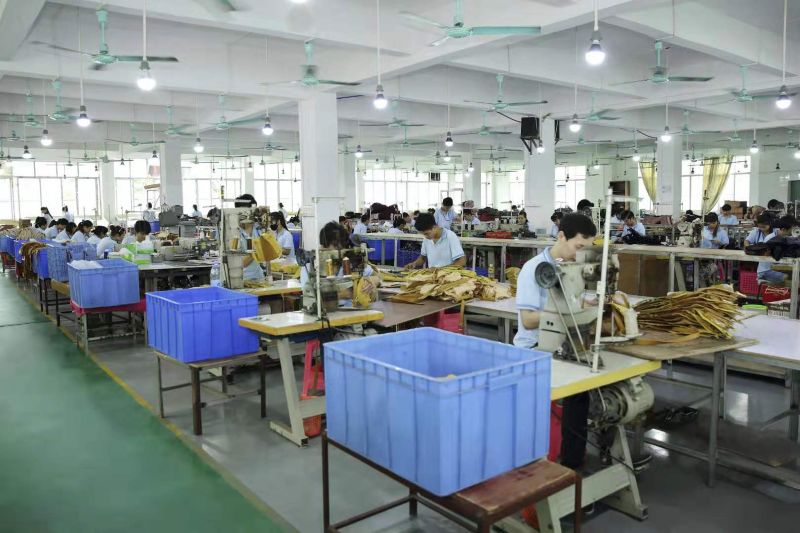
Our team reviews every detail of each project before production starts, checking structure, materials, and hardware to identify potential risks early. Throughout production, we maintain strict quality control at every stage and use structured scheduling to help meet deadlines without compromising on quality.
Across several recent projects, we’ve supported seasonal collections for European clients, working closely with their teams to align timelines, materials, and quality expectations. Third-party inspections are arranged at key stages, and shipments consistently meet required standards with no major quality issues reported after delivery.
With a clear development process in place, samples are typically approved within around 14 days, allowing production slots to be secured early and helping ensure more reliable delivery timelines.
We also flag over-spec or margin-killing features early in the process, so adjustments can be made before sampling. This helps reduce unnecessary costs and ensures the final product performs well in the market while protecting overall investment.
FAQs
How do you test handle or strap strength?
We conduct load-and-cycle fatigue tests on all attachment points to determine the maximum load they can withstand over time.
What materials work best for structured vs. soft bags?
Structured bags benefit from PU or leather; soft bags work well with canvas or nylon.
What’s the typical MOQ difference between tote bags and shoulder bags?
Both totes and shoulder bags have a 100-unit MOQ, regardless of construction differences.
What’s a realistic production timeline for custom bags?
At Gorfia, a realistic production timeline for custom bags is 30–45 days.
Can I order a mix of tote and shoulder bags in one order?
Yes—we accommodate split orders, though minimum quantities still apply to each style.
How do I ensure color consistency across large orders?
We maintain batch records and can reserve fabric from the same dye lot, providing swatches from actual production materials before final approval.
Turn Your Bag Manufacturing Risks Into Wins
Now that you’re aware of the most common risks and decision points in tote and shoulder bag manufacturing, the next step is to apply these insights to your current or upcoming projects.
Start by reviewing your existing specifications with a critical eye, mapping your timeline backward from your delivery deadline (with a 20% buffer), and confirming materials and customization details before moving into sampling. Taking these steps early can help you avoid costly adjustments later in production.
If you’d like a deeper look into how design decisions impact production outcomes, you can also explore our guide on tote vs. shoulder bag manufacturing to better align your product strategy with your target market.
At Gorfia, we work closely with global handbag brands to navigate these challenges—from early design evaluation to final delivery—helping ensure each project moves forward with clarity, consistency, and control.
Make Your Next Bag Production a Success
Do you need professional advice on the differences between tote and shoulder bag production, or a manufacturability review? Share your specs with us, and we’ll help you clarify costs, timelines, and quality, so you can move forward with confidence.