
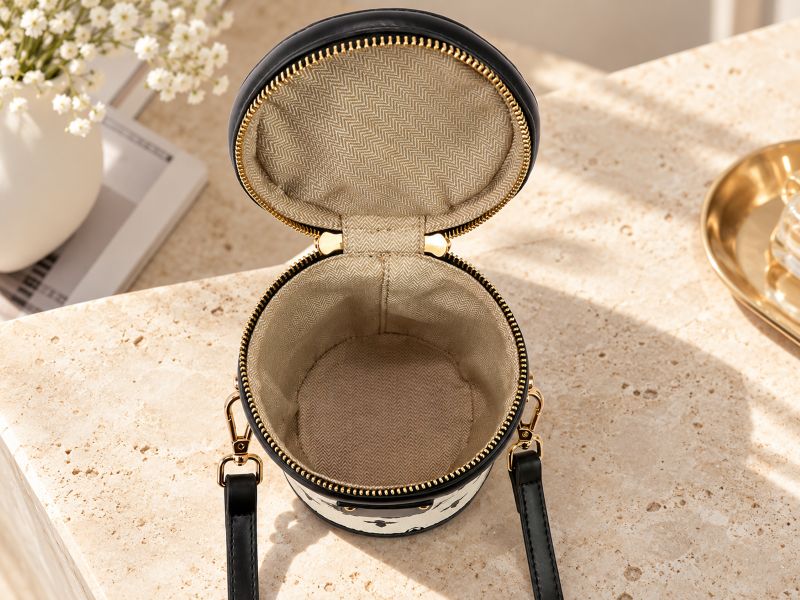
Even though a handbag lining stays hidden inside your bag, it still affects how the interior feels, whether pockets keep their shape, and how the bag holds up with day‑to‑day use.
To get lining performance right, you cannot just check fabric swatches and call it done. Beyond the base fiber type, several other critical factors shape real‑world lining performance.
In this guide, we’ll cover the main handbag lining material choices, how to match linings to different bag styles, and the key tests you should run before signing off on a lining for production.
What Do Bag Linings Actually Do?
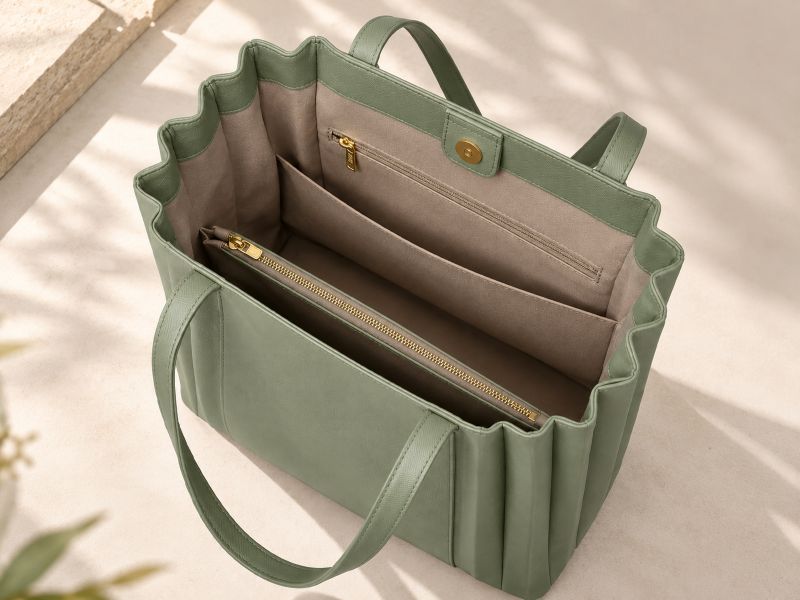
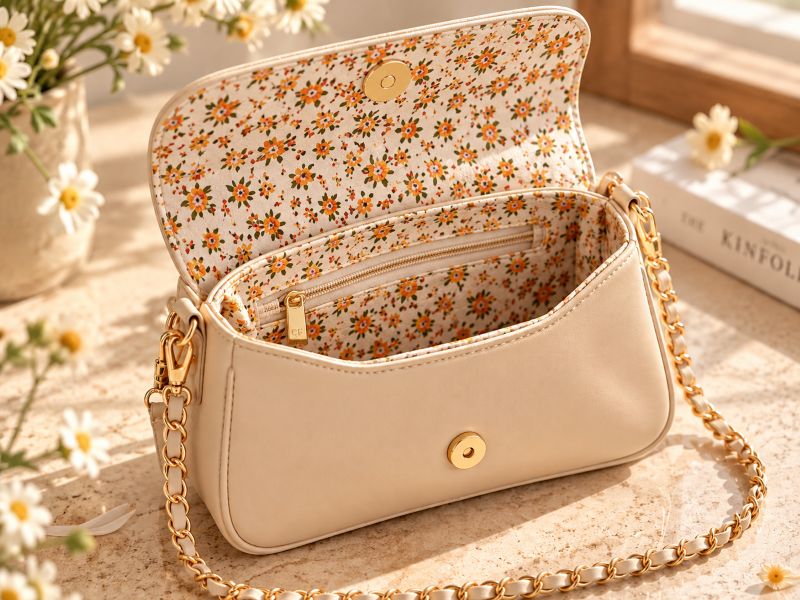
A lining creates a smooth‑finished inner surface for your handbag. It neatly encloses all stitched seams and reinforcement layers between the bag shell and lining, creating a tidy interior. It also helps pockets stay in place and absorbs everyday abrasion from items you carry inside the bag.
But the lining isn’t just about the interior finish. Its weight and stiffness can affect the bag’s overall shape. A lining that is too stiff can make a soft bag feel rigid, while one that is too light may sag at the base or in the pockets. For this reason, the lining needs to work with the bag structure from the start rather than being chosen as a finishing detail.
Common Handbag Lining Material Options
Polyester and Nylon Fabric Lining
Polyester is common because it comes in many weights, weaves, and finishes. A lightweight polyester may work well in a small crossbody, while a denser woven version can better support pockets and larger interiors.
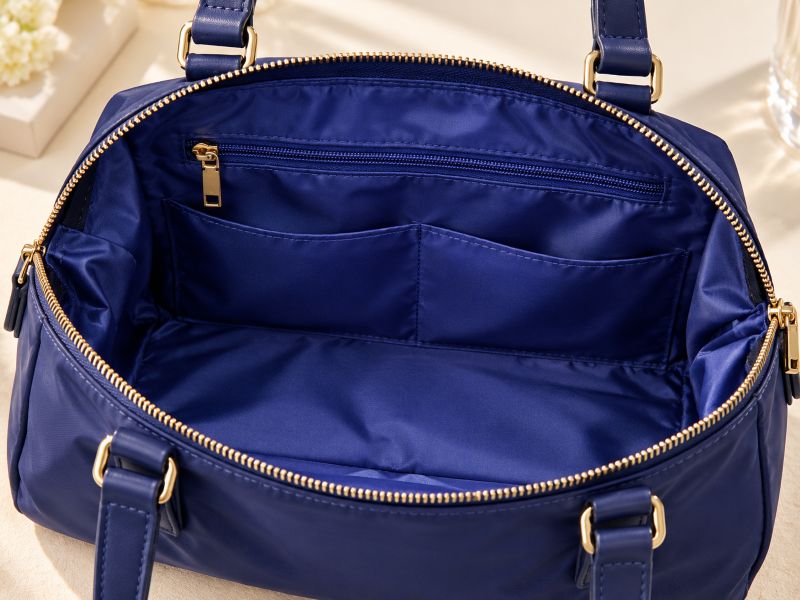
Nylon is another useful option where low weight and abrasion performance matter. It often has a more technical hand feel, which can suit travel, commuter, or functional bags.
For the same polyester or‑nylon fiber, weave also plays a big role. Plain weaves tend to be relatively stable and stiff because they contain more interlacing points.
Cotton, Canvas, and Linen Fabric
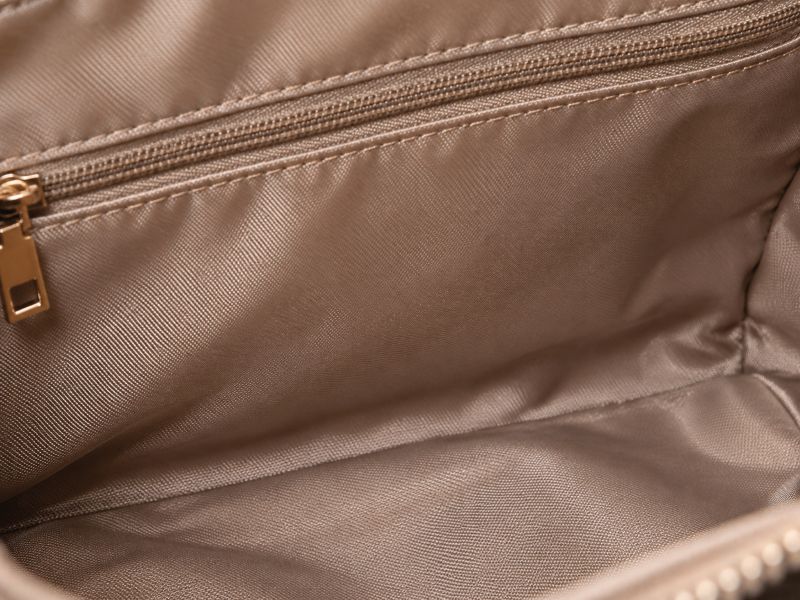
Cotton breathable lining has a softer, more natural hand feel. It works well in casual bags where the interior does not need to feel highly technical. Canvas adds more body and can suit totes or bags with larger interior surfaces. Its weight can become a disadvantage in smaller bags, so the outer construction still matters.
Linen can create an attractive natural texture, but consider wrinkling, absorbency, and dimensional stability before using it in an everyday bag. Natural fibers can also absorb spills more readily than many coated synthetics, so set realistic maintenance expectations.
Satin and Microfiber Suede lining
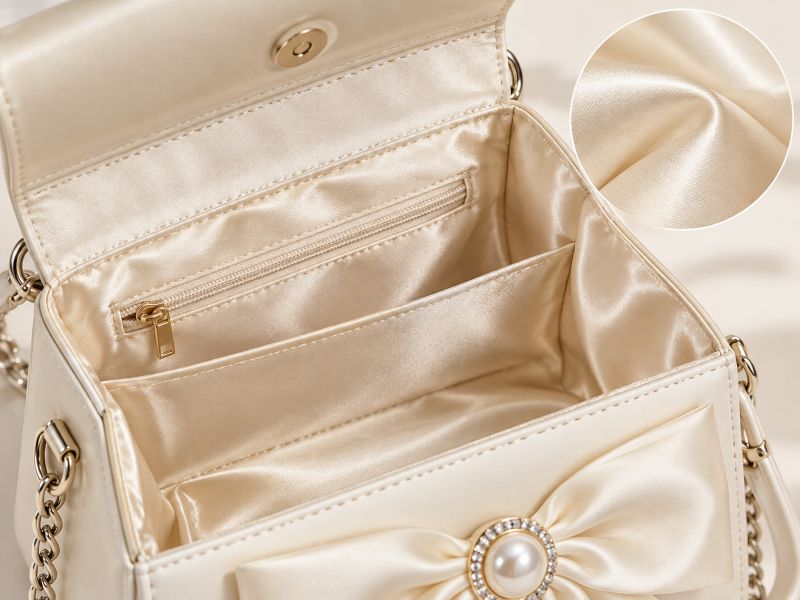
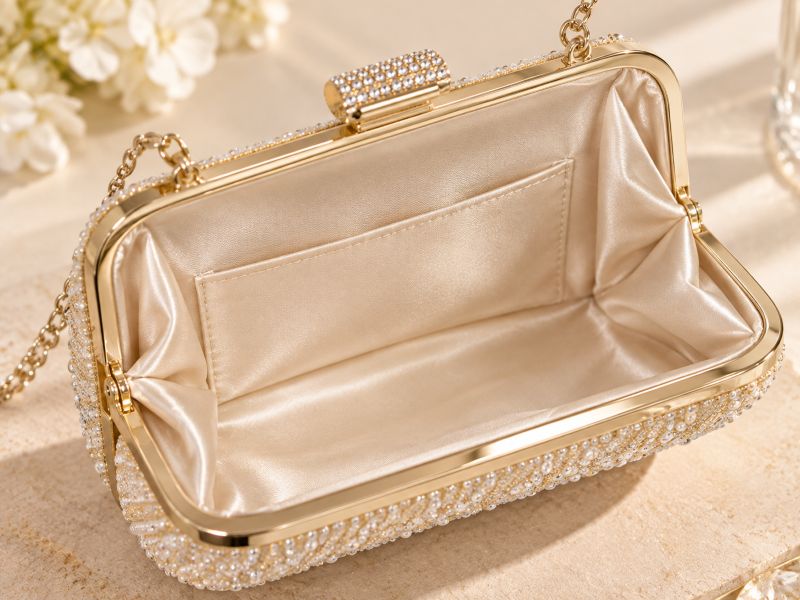
Satin gives the interior a smooth, refined look with relatively little bulk. It can work in evening bags and clutches where load and abrasion demands are lower. Microfiber suede creates a softer and more substantial interior. It complements premium or structured handbags, though you must allow for the added thickness in pocket seams and assembly.
| Lining material | Main advantage | Good fit for | Main concern |
| Polyester | Wide range of weights and finishes | Everyday handbags | Light grades may sag |
| Nylon | Low weight and strong wear performance | Travel and crossbody bags | Technical feel |
| Cotton/canvas | Natural feel and useful body | Totes and casual bags | Absorbency |
| Satin | Smooth and low bulk | Clutches and evening bags | Snagging |
| Microfiber suede | Soft, premium interior | Structured handbags | Added thickness |
How to Choose a Handbag Lining Material
Match the Lining to the Bag Structure
Start by thinking about how much shape the outside of your bag already holds on its own. For a soft shoulder bag, your lining has two separate jobs to balance. Inside, it needs just enough firmness to keep pockets from sagging when you fill them. On the outside, though, you don’t want that lining stiffness to show through and make the whole bag feel harder than it was meant to be.
If you’re working with a structured handbag, the outer shell already keeps the bag’s shape firmly in place. That means you can go with a heavier, tighter‑woven lining without messing up the bag’s original silhouette. This tougher lining isn’t there to hold the bag’s form. Instead, it makes the interior more scratch‑resistant, keeps inner pockets from drooping, and helps stop sharp items inside from poking and damaging the outer bag layers.
Don’t forget large totes either—they have lots of exposed lining and often carry heavier everyday items.
Check Weight, Weave, and Thickness
A lining that is too light may gather at the bottom or pull away around loaded pockets. A lining that is too heavy can add seam bulk and make corners difficult to assemble cleanly. Weave matters as much as weight. A stable woven structure may support pockets better than a looser fabric with the same GSM.
Thickness also affects construction. Pocket layers, zipper seams, and turned edges may stack several lining layers at once. For that reason, don’t approve lining based on GSM alone. Review the material by hand, then test it in the intended construction.
Water Repellent vs. Water Resistant Bag Linings
These terms should not be treated as interchangeable with waterproof. A water-repellent finish helps a fabric resist wetting on the surface. A standard spray test for water repellency measures how well a textile resists surface wetting, but it does not measure whether water penetrates through the fabric.
A water-resistant lining may be useful in cosmetic, travel, or other bags where spills and damp items are more likely to come into contact with the interior.
Test the Lining in a Finished Bag
A small swatch cannot show how a lining behaves once you add pockets, seams, zippers, and a load.
Production Case: Two Polyester Linings, Different Results
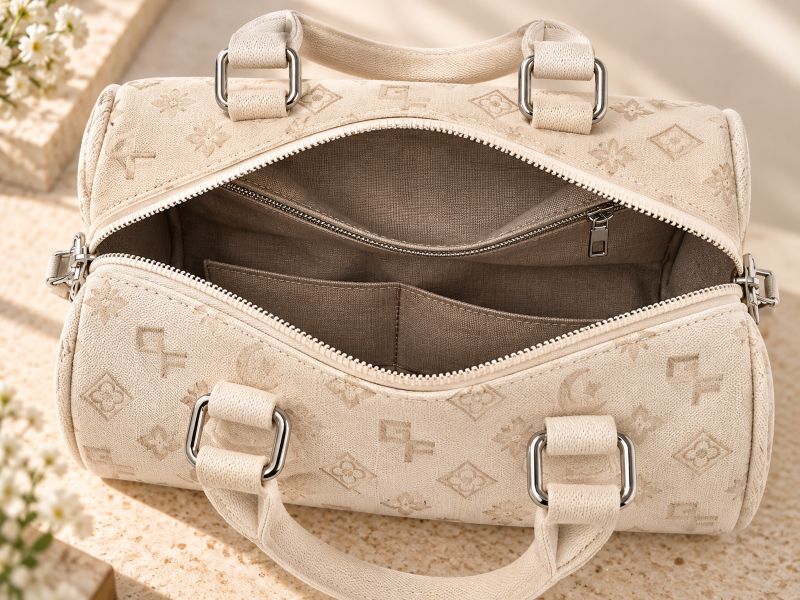
We once sampled a soft shoulder bag with a lightweight polyester lining. On the material sheet, the choice appeared suitable. The problem became visible after we loaded the sample with a phone, wallet, and cosmetics. The outer shell still looked good, but the lining sagged around the base and inner pockets.
The pocket openings also began pulling away from the bag body because the fabric lacked stability. Instead of reinforcing the entire interior, we changed to a slightly heavier woven polyester. The revised lining supported the pockets and base while preserving the soft exterior silhouette.
The key point is that the fiber composition didn’t change. Both materials were polyester. Their weight, weave density, and stiffness were different, and those differences changed the finished bag.
Test Loaded, Not Flat
During sampling, use the contents the bag is expected to carry. Then inspect the base for sagging and repeatedly use the internal pockets. Check whether zipper pockets remain flat and whether slip-pocket openings start to distort.
Abrasion also matters because contents rub against the interior during use. SATRA’s Martindale abrasion method applies to fabrics and linings and evaluates damage after repeated rubbing under controlled conditions.
Check the Stress Point Before Changing Fabric
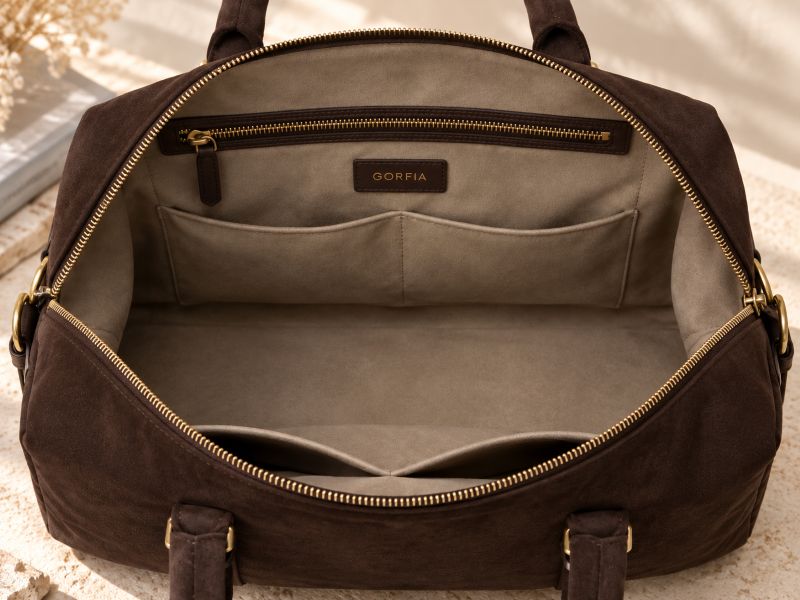
If the lining starts to pull, wrinkle, or distort around a zipper or pocket during sample testing, do not assume the fabric is the problem. Check the seam allowance, pocket corners, stitch placement, and reinforcement before switching to a heavier lining. In some cases, adjusting the construction is enough to improve the fit without changing the lining material.
Common Bag Lining Problems
Sagging or wrinkling can appear when the lining is too light, the pattern allowance is too generous, or the lining does not fit the outer shell properly. In these cases, the material may be strong enough, but the fit or construction still needs adjustment.
Around pockets and zippers, look for pulling, puckering, or distortion during sample testing. These signs may come from the attachment method, stitch placement, or local reinforcement rather than the lining fabric itself. Fraying is more closely related to fabric construction and edge finishing, especially with looser weaves.
Also check dark linings for color transfer where they contact pale materials or items carried inside the bag. When a problem appears, where and how it occurs often tells you more than the fiber name alone.
What Brands Should Specify When Sourcing Bag Linings
A useful lining specification should go beyond “100% polyester.”
Record the composition, weight, weave or construction, and any coating or finish. Add thickness when it affects assembly. If the lining needs water repellent or water resistant performance, state the required treatment and how it will be evaluated. Also define color and colorfastness requirements, particularly for dark interiors.
Most importantly, keep an approved fabric swatch together with the finished-sample standard. A supplier may technically match the fiber composition while changing the weave, weight, or finish enough to affect performance.
FAQs
What is the best fabric lining for a handbag?
There is no single best option. The right lining depends on the bag structure, expected load, cleaning needs, and desired interior feel.
Is polyester good for bag linings?
Yes. Polyester can work very well, but its performance depends on fabric weight, weave density, stiffness, and finish.
Is linen fabric suitable for handbag lining?
It can be. Linen offers a natural appearance, but brands and makers should consider wrinkling, moisture absorption, and dimensional stability.
Should a handbag lining be water repellent?
It can be useful in bags exposed to cosmetics, drinks, or damp items. The finish should match the intended use, not be added automatically.
Is water-resistant lining waterproof?
No. Water-resistant fabric can slow moisture penetration, but seams, zippers, and the overall bag construction still determine how the finished product handles water.
Conclusion
Choose handbag lining material by how it behaves inside the finished product, not by fiber name alone.
A lining that supports pockets, stays stable under normal load, and works with the outer construction is usually a stronger choice than one selected only because it is described as polyester, cotton, or nylon.
For more on how fabric construction affects bag performance, Gorfia’s canvas fabric guide explains how fiber type, weave, weight, and structure influence durability and suitability for different bag applications.
Develop Your Handbag Interior With Gorfia
If your brand is developing a handbag collection, Gorfia can support lining selection, sample refinement, and production preparation.
Contact the Gorfia team to discuss and view the interior construction and performance you want to validate before bulk production.