

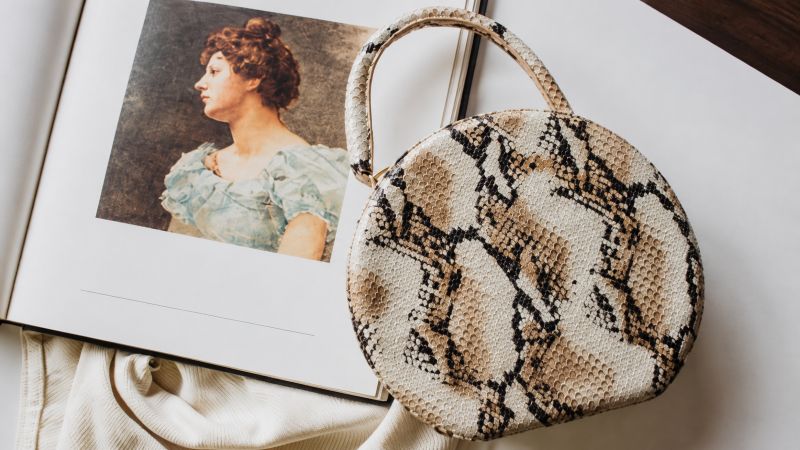
Snakeskin bags have a way of making a simple outfit feel more distinctive without adding too much decoration. With their unique texture and visual character, they can work well as an everyday accessory or a statement piece depending on the design.
Finding the right snakeskin bag is not just about choosing a pattern you like. The material, construction, and overall design all play a role in how the bag looks, feels, and holds up with regular use.
Through our experience developing embossed materials and finished bags, we have seen how small details in texture, structure, and shape can greatly influence the final result. In this guide, we will share what to look for when choosing, styling, and caring for a snakeskin bag.
What Is a Snakeskin Bag?
“Snakeskin bag” can describe both the material and the visual effect. Some bags use genuine python or other snake leather, while others recreate the look through embossed leather, PU, or printed materials.
Knowing the difference matters because the underlying material affects texture, durability, maintenance, and price. Genuine exotic leather may also involve sourcing and documentation requirements that do not apply in the same way to snakeskin-effect materials.
Genuine Snakeskin vs Snake Print
Genuine snakeskin has naturally occurring scales and variations, while embossed leather uses pressure to create a raised, repeatable scale pattern. Faux snakeskin can create a similar texture on synthetic material, while printed versions mainly reproduce the color and markings.
If genuine exotic leather matters to you, do not rely on appearance alone. Check the stated material, seller information, and supporting documentation, particularly when purchasing a higher-value bag.
The table below compares these materials at a glance, so you can see how they differ in appearance, use, and care.
Snakeskin Bag Materials at a Glance
| Material | Surface & Look | Best For | Main Consideration |
| Genuine Snakeskin | Natural scales and unique variation | Luxury and exotic-leather bags | Needs careful handling and sourcing documentation |
| Embossed Leather | Raised, repeatable scale texture | Premium everyday bags | Emboss quality and pattern placement matter |
| Faux Snakeskin | Embossed synthetic surface | Fashion-focused everyday bags | Coating quality affects long-term wear |
| Printed Snake Pattern | Printed markings with little or no raised texture | Lightweight and casual styles | Offers the look rather than realistic scale texture |
How to Choose a Snakeskin Bag
Start with how you plan to use the bag. An occasional evening clutch has different requirements from a tote or shoulder bag that regularly rubs against clothing and other surfaces.
Then look at the pattern across the complete design. Scale size, color contrast, seams, curves, and bag proportions determine whether the snakeskin effect feels balanced or too busy.
Experience: Why a Material Swatch Can Be Misleading
We encountered this while developing a compact crossbody bag. The customer selected an embossed snakeskin material that looked striking as a flat swatch, but its scale repeat appeared too large once we made the complete bag.
The scales became visually disconnected across the front, gusset, and curved corners. We reduced the repeat, adjusted the emboss depth and base color, and added registration points to improve alignment between panels.
The revised sample kept the snakeskin character while giving the bag a cleaner silhouette. When shopping, use the same principle: judge the pattern across the finished bag rather than relying on a close-up material image.
How to Tell If a Snakeskin Bag Is Well Made
The center of the front panel rarely tells you everything about construction quality. Seams, curves, stitch lines, and edges often reveal how well the manufacturer has controlled a textured material.
Our production team focuses on three areas when reviewing embossed snakeskin samples:
- Pattern continuity: Look for balanced transitions between the front, gussets, seams, and curved corners rather than distracting breaks.
- Emboss integrity: Check whether the texture remains crisp around stitch lines instead of becoming flattened, cracked, or distorted.
- Edge finishing: Edge paint or binding should look smooth without filling the grooves and hiding the embossed details.
With genuine snakeskin, natural variation means perfect pattern matching is not always realistic. The more useful question is whether the placement looks intentional and balanced across the finished bag.
Which Snakeskin Bag Style Works for You?
Bag shape affects both practicality and the amount of snakeskin pattern you see. The same surface can feel restrained on a small crossbody but much stronger when spread across a large tote.

Crossbody and Shoulder Bags
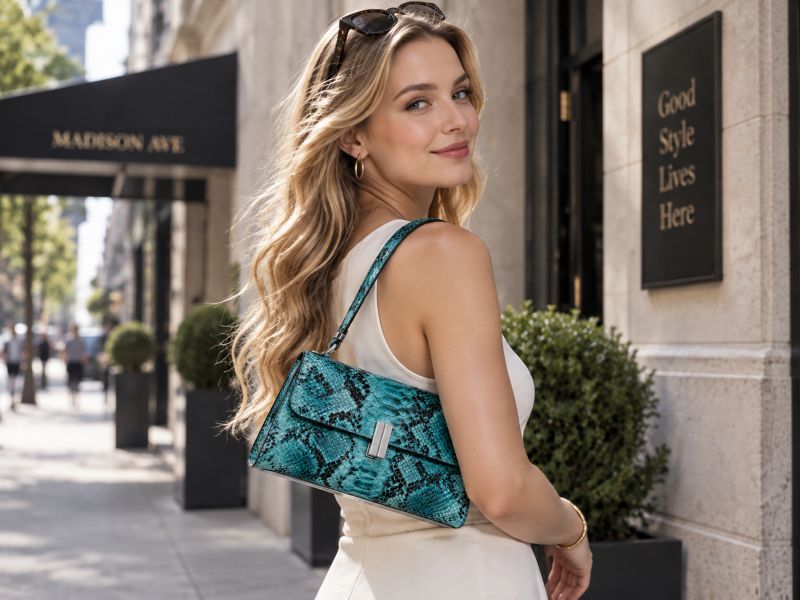
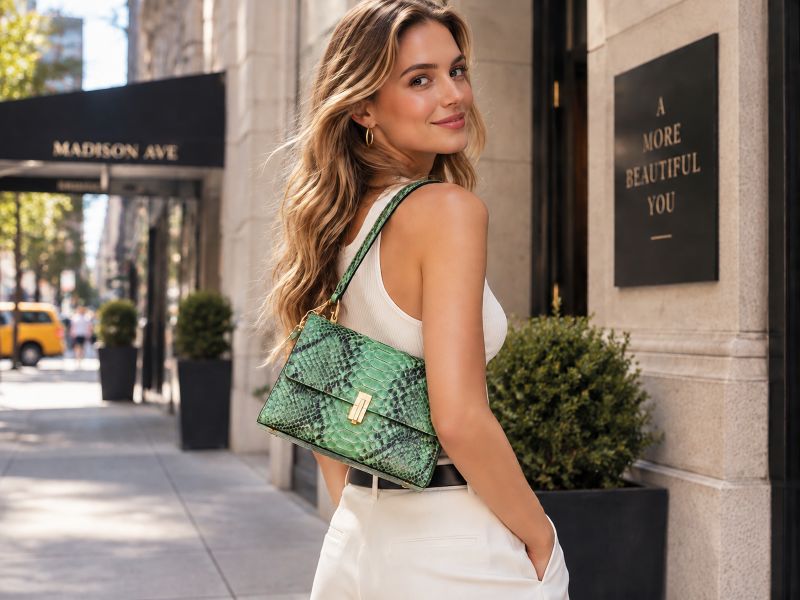
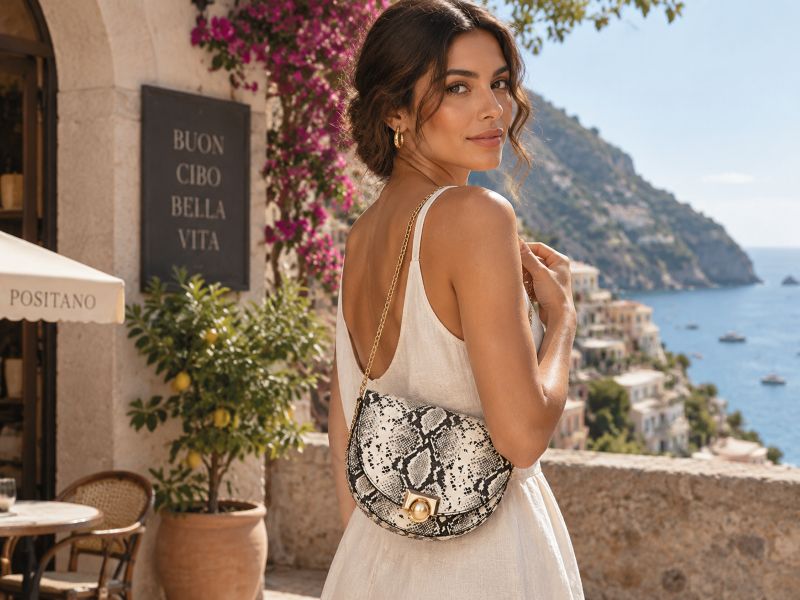
Compact crossbody and shoulder bags are approachable choices for everyday wear. Their smaller surface area contains the pattern, which can make snakeskin easier to introduce into a simple wardrobe.
Compared with plain leather, snakeskin gives a basic silhouette more visual character without requiring extra hardware or decoration. Smaller scale repeats also tend to stay better proportioned on compact designs.
Totes and Work Bags
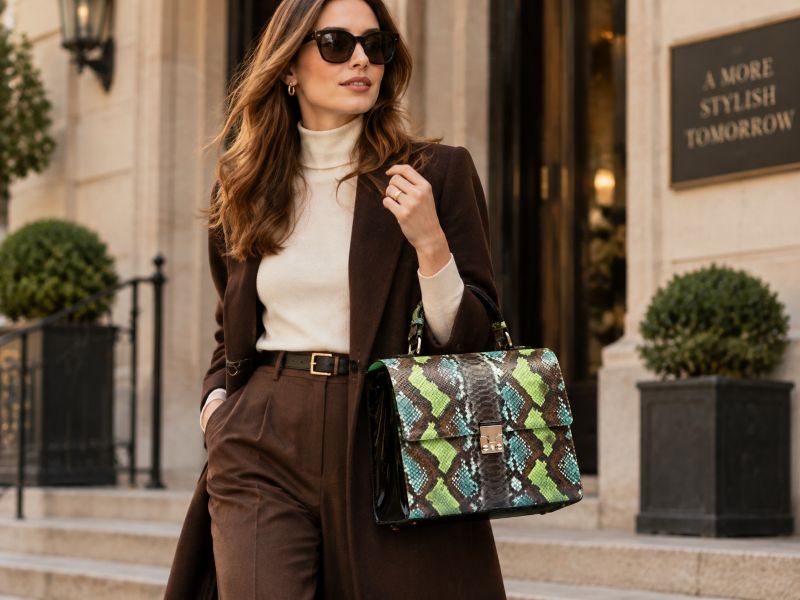
A tote gives the scale pattern more room to become part of the overall design. Neutral brown, beige, gray, or black versions can add depth while keeping a work-oriented bag relatively restrained.
Unlike a plain leather tote, snakeskin can make a minimalist structure visually interesting through the surface alone. Because larger panels expose more of the pattern, scale proportion and transitions around gussets and seams become especially important.
Clutches and Evening Bags
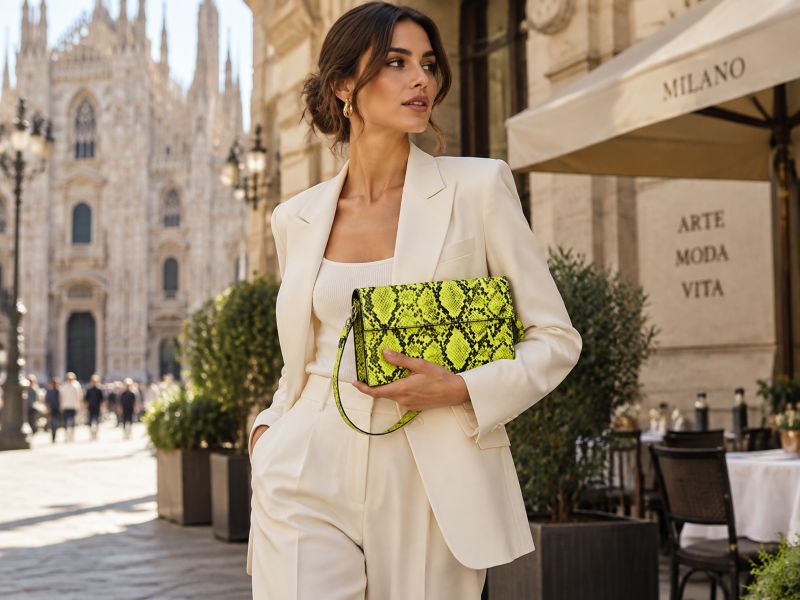
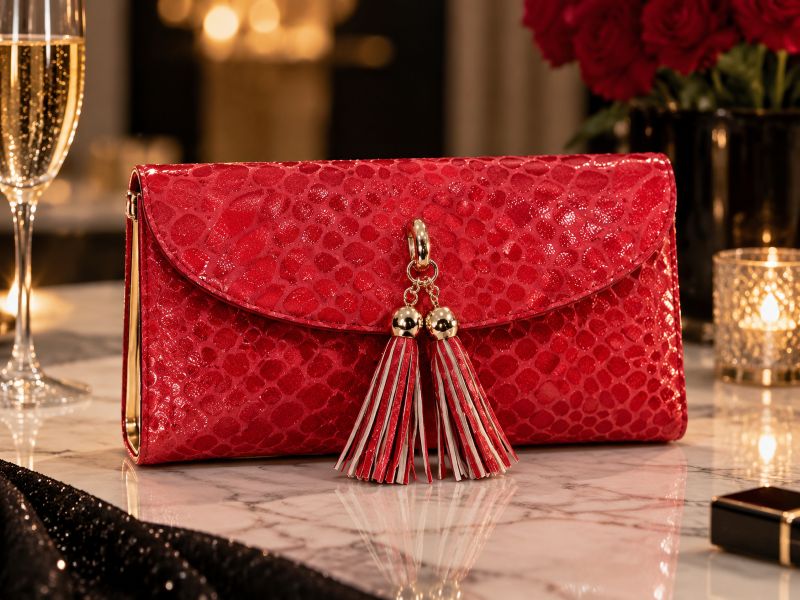
Clutches and mini bags allow snakeskin to act as a controlled statement. Their compact size works particularly well with stronger contrast, glossy finishes, or more dramatic colors.
The scale texture also creates depth on an otherwise simple shape. Compared with a smooth material, snakeskin can provide enough visual detail that the clutch needs less embellishment or complex hardware.
How to Style a Snakeskin Bag
Snakeskin does not always need to behave like a bold animal print. Brown, beige, gray, and black versions with moderate contrast can function more like textured neutrals.
For casual wear, a snakeskin shoulder bag can work with denim, knitwear, or neutral outerwear. At work, a quieter tote can add texture to black, cream, camel, or similarly restrained colors.
For evening wear, let a glossy or high-contrast clutch become the focal point and keep other accessories simpler. You also do not need matching snakeskin shoes or belts; repeating one color from the bag elsewhere is usually enough.

How to Care for a Snakeskin Bag
Care should always start with the actual material. Genuine snakeskin, embossed leather, and synthetic snakeskin-effect materials should not automatically receive the same cleaning treatment.
With genuine snakeskin, avoid excessive moisture, prolonged heat, and aggressive rubbing. For embossed leather or faux snakeskin, follow the requirements of the base material and coating rather than using reptile-leather products by default.
Harsh solvents and alcohol-based cleaners can also be unsuitable for some coated surfaces. Check the manufacturer’s care guidance before applying a cleaner or conditioner.
Experience: Where Snakeskin Bags Wear First
During embossed snakeskin development, we usually watch corners, bottom sections, handle contact areas, and flex points first. These high-friction areas can show surface scuffing or gradual flattening of the embossing.
We reduce these risks by selecting flexible surface coatings, reinforcing high-abrasion areas when appropriate, and controlling embossing pressure. The impression needs enough depth to retain texture without creating weak areas that react poorly to repeated bending.
Genuine snakeskin has different concerns, including scale edges that may lift or curl after unsuitable moisture, friction, or cleaning. This is why durability depends on the material underneath the snakeskin appearance as much as the pattern itself.
What to Check Before Buying
Before purchasing, look beyond the front-view product image. A few targeted checks can tell you more about both the material and the quality of the finished bag.
- Confirm whether the material is genuine snakeskin, embossed leather, PU, or a printed alternative.
- Check scale proportion, seams, gussets, stitch lines, edges, corners, and other high-friction areas.
- For genuine exotic skin, check provenance and relevant documentation, and understand its care requirements before buying.
International trade in some exotic skins is regulated under CITES. Requirements can vary according to species, origin, destination, and transaction, so buyers should check the rules that apply to a particular genuine exotic-skin product.
FAQs
Are Snakeskin Bags in Style?
Yes. Snakeskin continues to appear across contemporary totes, shoulder bags, clutches, and smaller silhouettes. Neutral colors and classic shapes can also make the pattern less dependent on a single season.
Is Snakeskin Considered a Neutral?
It can be. Beige, brown, gray, and black snakeskin with subtle contrast can behave like a textured neutral, while bright colors or high-contrast scales create more of a statement.
How Can You Tell If a Snakeskin Bag Is Real?
Natural variation can provide clues, but visual inspection alone is not reliable authentication. Check the material description, seller information, provenance, and relevant documentation when authenticity matters.
Are Snakeskin Bags Durable?
Durability depends on the material and construction. Genuine snakeskin, embossed leather, and synthetic alternatives wear differently, while friction, flexing, coating quality, and care can all affect lifespan.
Can Snakeskin Bags Get Wet?
Avoid unnecessary water exposure with genuine snakeskin. For embossed or faux versions, follow the care instructions for the underlying material and finish rather than assuming all snakeskin-effect surfaces react the same way.
How Do You Clean a Faux Snakeskin Bag?
Follow the manufacturer’s instructions because faux snakeskin can use different substrates and coatings. Use gentle cleaning for ordinary surface dirt and avoid strong solvents unless specifically approved for the material.
Conclusion
A good snakeskin bag is not simply the one with the most attractive pattern. Material, scale proportion, silhouette, construction, and care all influence how the bag looks when new and how well it holds up over time.
The same attention to material quality, surface texture, and craftsmanship also applies when evaluating other exotic leather styles.
For readers interested in crocodile handbags, our complete crocodile handbag guide covers how to compare materials, understand different styles, and evaluate overall bag quality.
Developing Snakeskin-Effect Bags With Gorfia
For brands developing snakeskin-effect handbags, Gorfia supports material selection, emboss development, scale adjustment, sampling, pattern placement, and production. Testing these details on a finished sample can identify proportion, seam, and durability issues before bulk production.
If you are planning a custom snakeskin-effect collection, share your reference design, preferred material, bag structure, or target finish with our team. We can evaluate these requirements during sampling and develop them toward a production-ready design.