
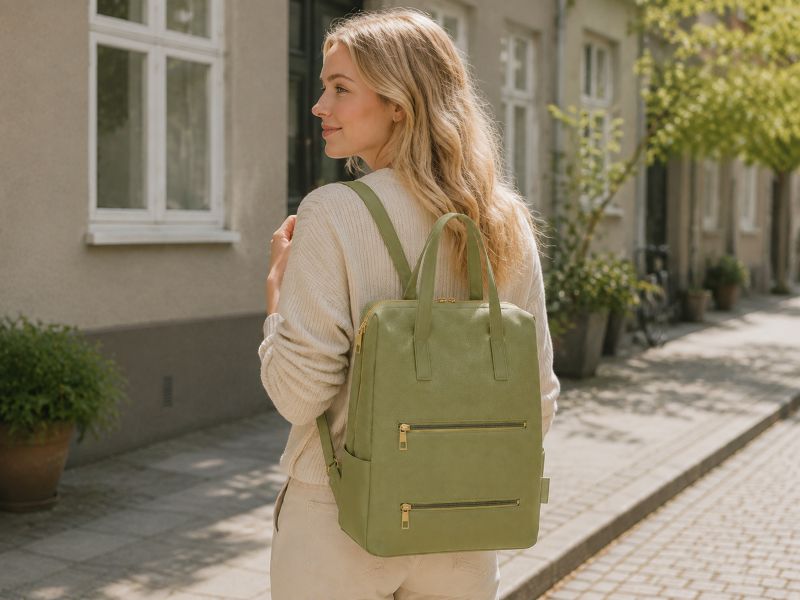
A convertible tote backpack, when done well, gives the clean look of a tote and the comfort of a backpack in one design. Poorly done, you get tangled straps, a collapsing shape, and a bag that is inconvenient in both modes.
From material selection to structural details, convertible bag development often depends on decisions that may seem small but directly affect usability and durability.
In this guide, we will examine what makes a convertible tote backpack successful, including key material choices, structural considerations, and factors brands should review before launching their own designs.
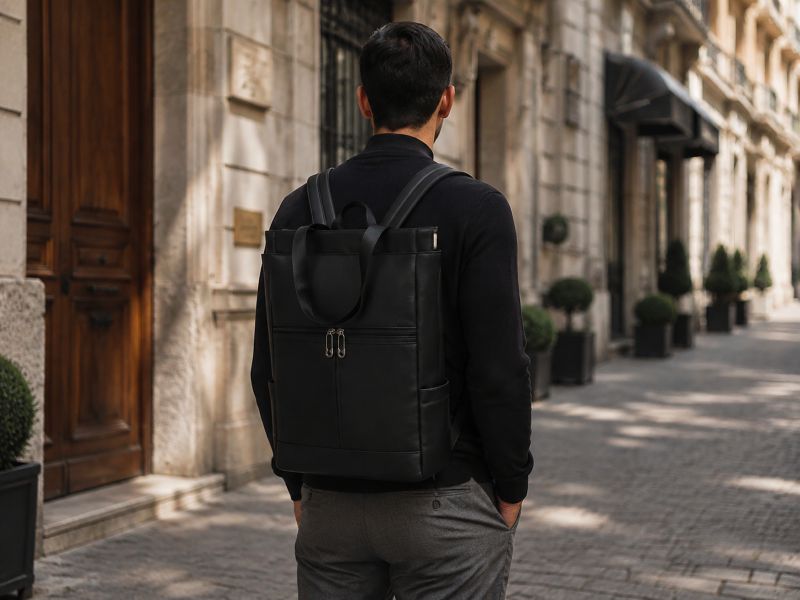
Why People Are Switching to Convertible Tote Backpacks
A commuter may want a polished tote bag look for the office, then switch to a shopping bag, or backpack mode while walking to the train. A student may carry books and a laptop one hour, then want a hands-free option on the way home. A traveler may need a shoulder bag that looks neat in a café but feels comfortable as a carry-on in transit.
That is why the tote backpack format keeps growing. Beyond the design trend, it answers a real lifestyle shift toward bags that need to adapt as quickly as the person carrying them.
Why the Best Bags Work as Both Tote and Backpack
A tote and a backpack solve different carrying needs. A tote provides quick access and a clean appearance, while a backpack offers better weight distribution and hands-free comfort.
A convertible tote backpack combines these two functions into one design, sometimes called a totepack. However, creating a successful version requires more than adding backpack straps to a tote body. The structure, carrying system, and usability need to work together across both modes.
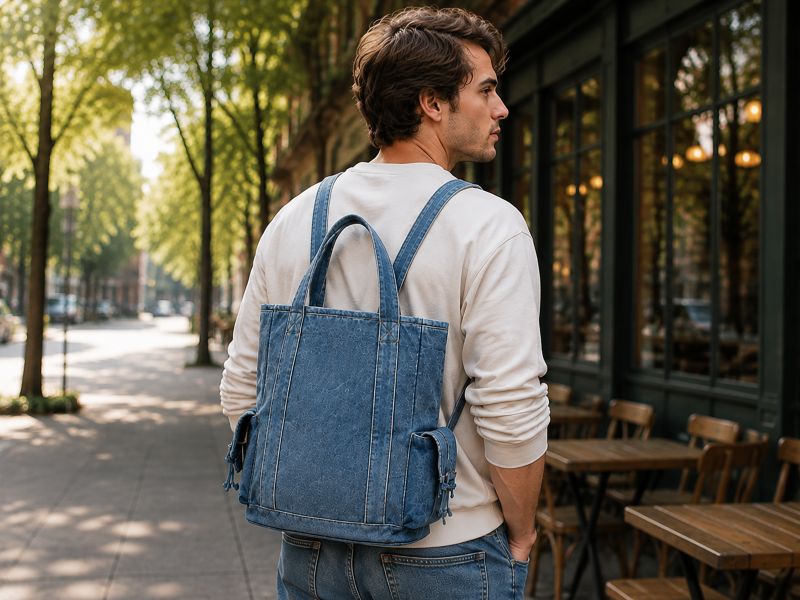
Why Convertible Tote Backpacks Are Worth It
Smooth Conversion
You should be able to switch from tote mode to backpack mode quickly and without having to fight the detachable straps.
If the backpack straps twist, tangle, or require too many steps to adjust, the bag stops feeling useful very quickly. Simple conversion systems almost always age better than clever ones.
Shape That Holds Up
A tote backpack needs enough structure to stand upright or keep its shape when partially filled, especially in tote mode.
If the body collapses too easily, the opening becomes harder to use, and the bag starts to look messy. Good shape retention usually comes from a combination of base reinforcement, smart panel construction, and balanced weight distribution.
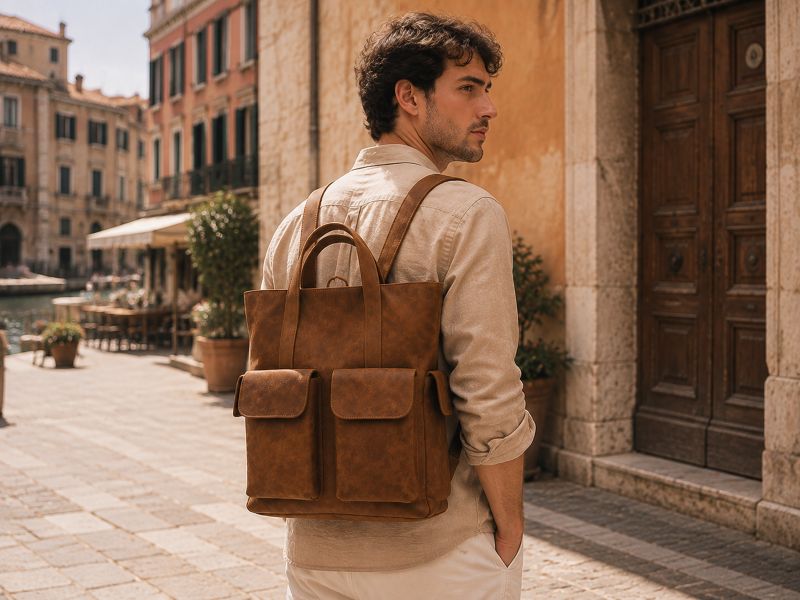
Comfortable Carry in Backpack Mode
Some bags technically convert, but the backpack mode feels like an afterthought.
Look for shoulder straps with enough width, padded sections, and secure attachment points. A bag that feels fine for five minutes but uncomfortable after thirty is not a strong design, no matter how attractive it looks.
Access That Fits Your Real Life
Most people buy a tote backpack because they want flexibility. That only works if the bag holds up well during actual movement, like day trips or a weekend getaway.
Quick top access is important for work, study, and daily errands. Interior organization matters too, but not in a way that overcomplicates the bag. You want enough room and designated pockets in the main compartment to keep a laptop, charger, wallet, everyday essentials, and personal items, with slip pockets for smaller essentials and side pockets or a water bottle pocket, plus some extra space for other essentials.
Which Style Fits Your Lifestyle?
| User Type | What Matters Most | Best Design Direction |
| Commuters | Fast access, laptop protection, clean look | Structured tote bag backpack with dedicated laptop sleeve |
| Students | Capacity, comfort, easy organization | Medium to large backpack tote with reinforced base |
| Travelers | Lightweight build, flexible carry, secure closure | Water resistant fabric tote backpack with top zipper |
| Professionals | Minimal style, shape retention, versatility | Perfect work bag finish tote backpack with stable structure |
| Everyday users | Easy switching, comfort, practical storage | Soft-structured convertible tote backpack |
This table provides a starting point for understanding how different users prioritize function, comfort, and style. However, these preferences are also important for brands developing convertible tote backpacks, as each target market requires a different balance of features and design choices.
Once the intended user and product positioning are clear, the next step is selecting the right materials. Material choice directly affects the bag’s appearance, durability, weight, cost, and overall market positioning.
Best Materials For Convertible Tote Backpacks
Materials affect more than just appearance. They change how the bag hangs, how much it weighs, how it wears over time, and whether the bag still looks good after months of everyday use. Here are the top materials to consider:
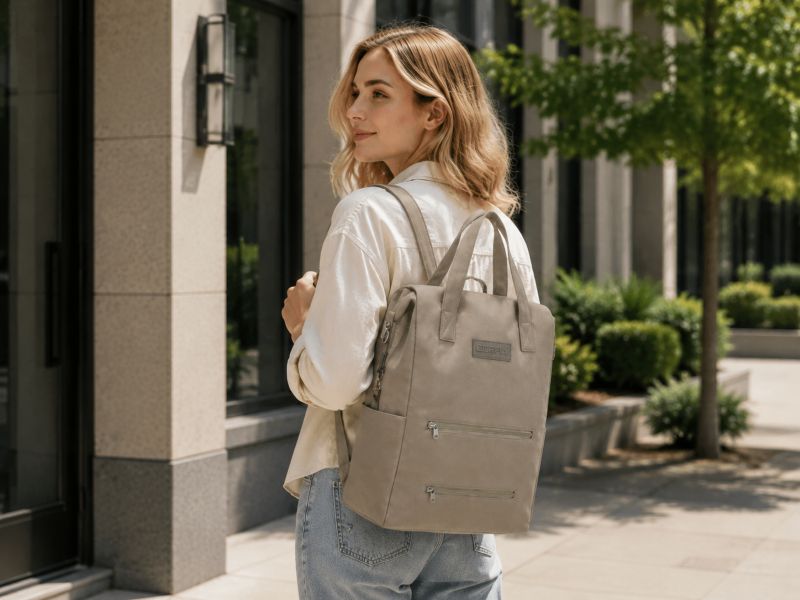
Canvas
Canvas is a best seller for casual, student, and lifestyle-driven tote bag backpacks. It gives the bag a relaxed look and enough body to hold shape reasonably well. Organic cotton canvas in particular offers a natural, sustainable feel that resonates well with lifestyle-focused consumers.
The downside is that more untreated canvas absorbs moisture and stains more easily than synthetic options. If a brand uses canvas, coating or lining decisions matter a lot.
Nylon
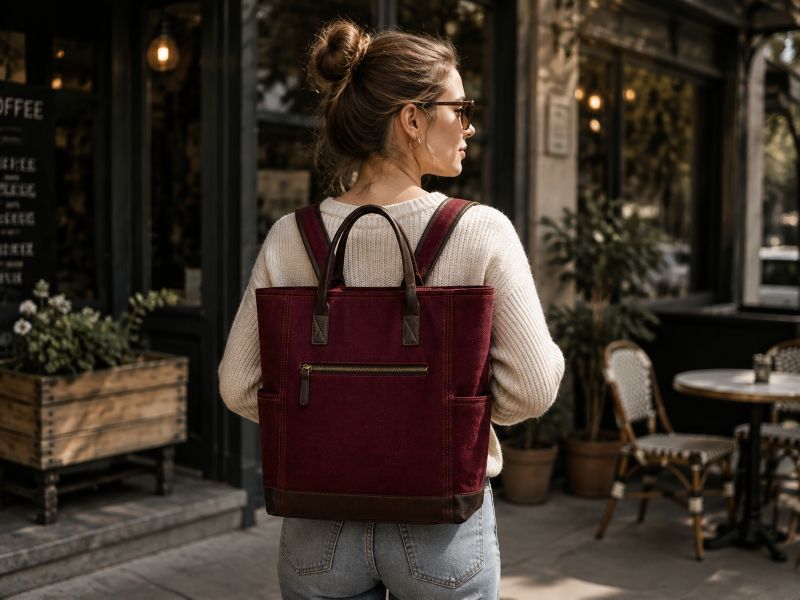
Water-repellent nylon is a strong option when lightweight performance is a priority. It works especially well for commuters and travelers because it is usually lighter than canvas or leather-look materials and handles weather better.
The challenge with nylon is preventing the bag from feeling too soft or overly sporty when the target market expects a more polished look. For brands that want to balance performance with a stronger sustainability message, recycled polyester offers a practical alternative while maintaining a similar structured appearance.
PU Leather
PU offers a cleaner, more fashion-forward finish at a lower cost than genuine leather. It often works well for office-friendly tote backpacks where presentation matters. Some brands use pebbled leather-finish PU to elevate the bag’s visual quality.
The weakness is long-term wear. Lower-grade PU can crack or peel, especially around corners, tote strap folds, and high-friction areas.
Genuine Leather
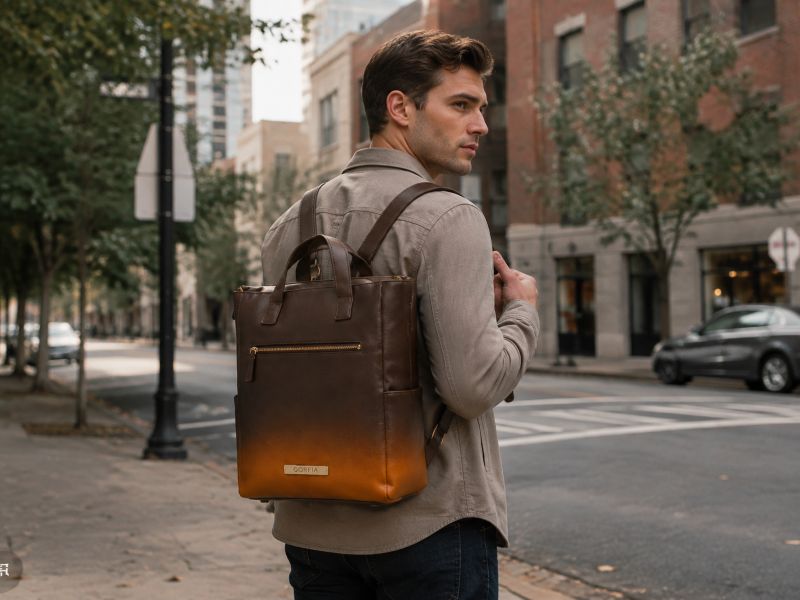
For premium positioning, genuine leather gives the strongest visual and tactile impact. It communicates quality quickly and tends to age better than cheaper alternatives. Gold hardware paired with quality leather signals a high-end convertible tote backpack in a way that few other combinations can match.
That said, leather adds weight and cost, so it is not always the best choice for users who want a lightweight everyday carry.
Mixed Materials
Some of the most commercially interesting tote backpacks combine materials. For example, water-repellent nylon bodies with PU trim, or canvas with leather details.
This approach helps brands balance durable construction, style, and pricing more precisely. It also gives more flexibility in positioning the final product.
Factory Insight: Hidden Strap Problem
In one convertible backpack tote project we worked on, the client wanted hidden shoulder straps for a cleaner tote appearance.
On paper, it sounded elegant.
During sampling, the design proved less practical. The hidden tote straps slowed down conversion, and the attachment points created extra stress on the upper corners when the bag was worn in backpack mode. The bag looked refined, but it did not behave well under real use.
To fix that, we adjusted the strap structure in three ways:
- Reinforced the backpack straps attachment points
- Improved how the adjustable backpack straps connected to the bag body
- Added structural support to maintain the tote shape
The final version switched more smoothly between tote mode and backpack mode and held its shape better throughout use. That project reinforced something we see often: more flexibility only adds value when the structure and organization features support it.
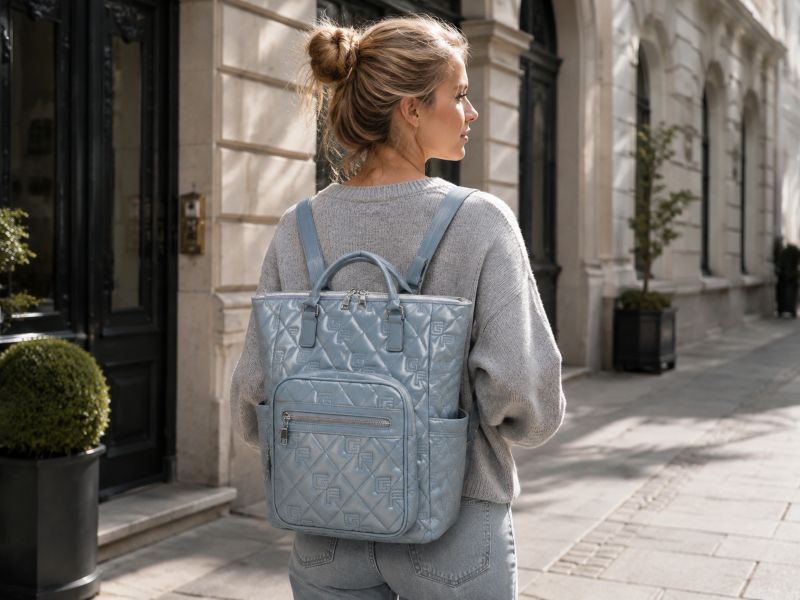
Before Developing a Convertible Tote Backpack (Expert Advice)
For brands and buyers, this category can look simple from the outside. It is not.
Convertible bags require more development discipline because every feature affects two use cases instead of one. A shoulder strap system is not just a strap system. It changes comfort, shape, conversion speed, and long-term durability performance at the same time.
This is why sampling matters so much in this category. What looks clean in a flat sketch may become inconvenient once the bag is tested, packed, lifted, and converted repeatedly.
We usually advise brands to test these areas early:
- How fast the bag converts between tote mode and backpack mode
- Whether the adjustable backpack straps sit comfortably in both modes
- Whether the tote shape still holds when the bag is half full
- Whether the upper corners distort under backpack load
- Whether the hardware and metal snaps feel secure over repeated use
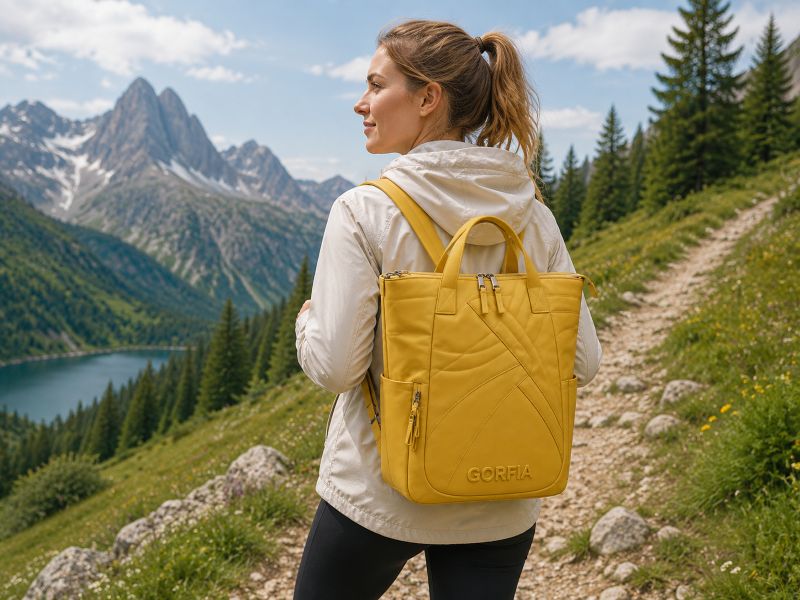
How Gorfia Supports Convertible Totes
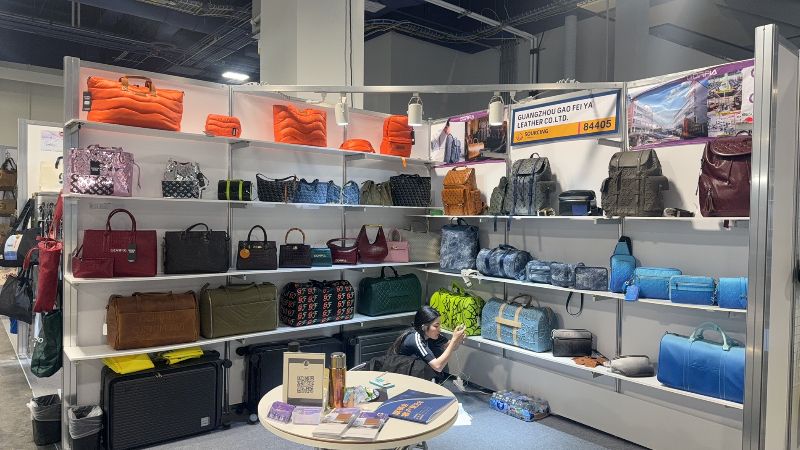
At Gorfia, we support brands through this process with OEM, ODM, and private label development.
Minimum order quantity starts at 100 units, which makes the category accessible for both growing labels and established brands testing new product directions.
We also support rapid sampling and agile product iteration, which is especially useful in categories like this where small structure changes can improve the final result significantly.
Material customization is available across PU leather, canvas, nylon, genuine leather, and mixed-material combinations, along with hardware, lining, and interior customization.
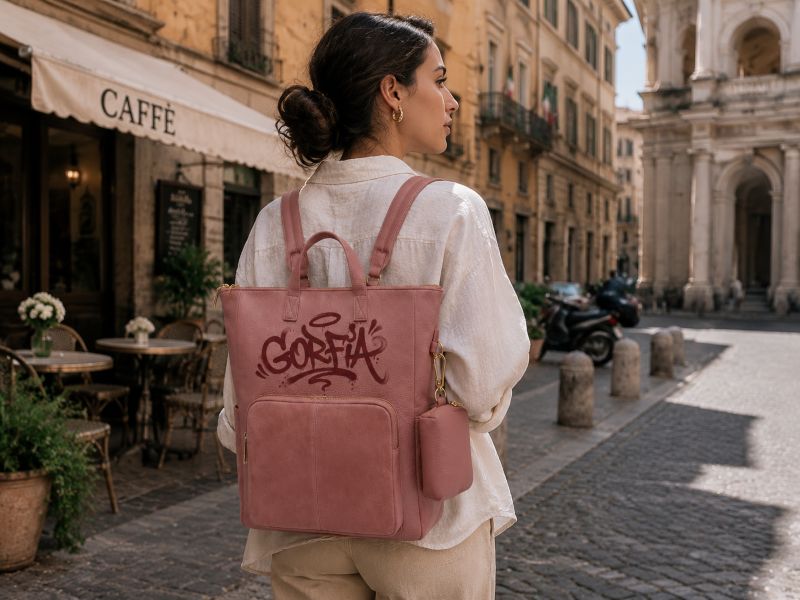
For brands building broader product stories, we can also develop matching charms using existing bag materials to reduce development costs and create more cohesive bag-plus-charm collections.
That matters because many brands are no longer launching single products. They are building small ecosystems around one hero silhouette.
FAQs
What is a convertible tote backpack?
It is a bag designed to be carried both as a tote and as a backpack. The best versions switch smoothly between both modes without losing shape or comfort.
Is a tote backpack good for work?
Yes, especially for commuters and professionals who carry a laptop and daily essentials. A more structured design usually works best for office use.
Which material is best for a tote backpack?
It depends on the use case. Nylon is great for lightweight everyday use, canvas suits casual styles, and PU or leather can work better for polished, office-friendly designs.
Are convertible tote backpacks durable?
They can be, but durability depends heavily on strap construction, attachment reinforcement, and material quality. In this category, structure matters as much as surface material.
What should brands test before mass production?
Brands should test conversion speed, strap comfort, shape retention, stress points, and how the bag behaves under actual load. These are the areas most likely to reveal design weaknesses early.
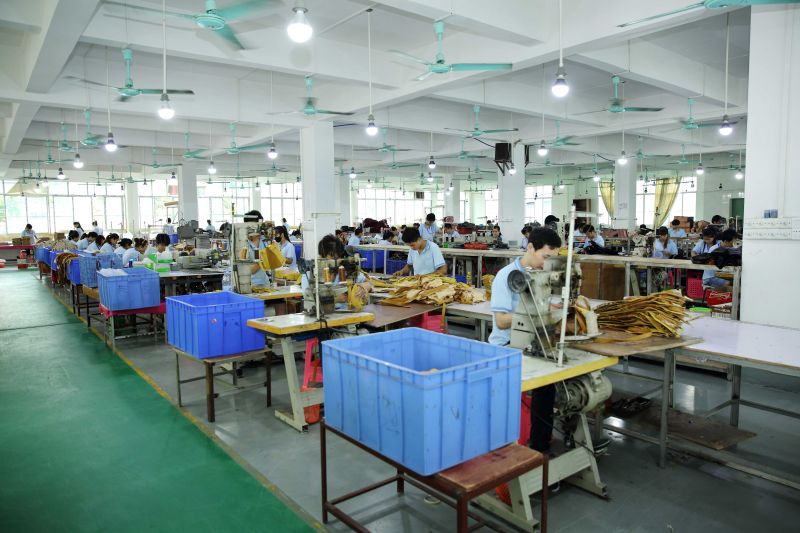
Your Next Step
A convertible tote backpack should be evaluated by more than its ability to switch between two carrying styles. The real test is whether the design remains comfortable, practical, and durable in everyday use.
When developing this type of product, brands should carefully review the relationship between structure, strap construction, and material performance before moving into bulk production.
For a closer look at how material choices influence functional bag development, see our practical guide on using recycled fabric for bag brands.
Build a Convertible Tote Backpack That Performs
With over 20 years of experience in luggage and leather goods manufacturing, Gorfia helps brands develop functional convertible bag collections that balance design, usability, production reality, and travel-friendly details like a luggage sleeve for use with a rolling suitcase.
If you seek a manufacturing partner that understands both flexibility and structure, request a quote or schedule a consultation with our team.